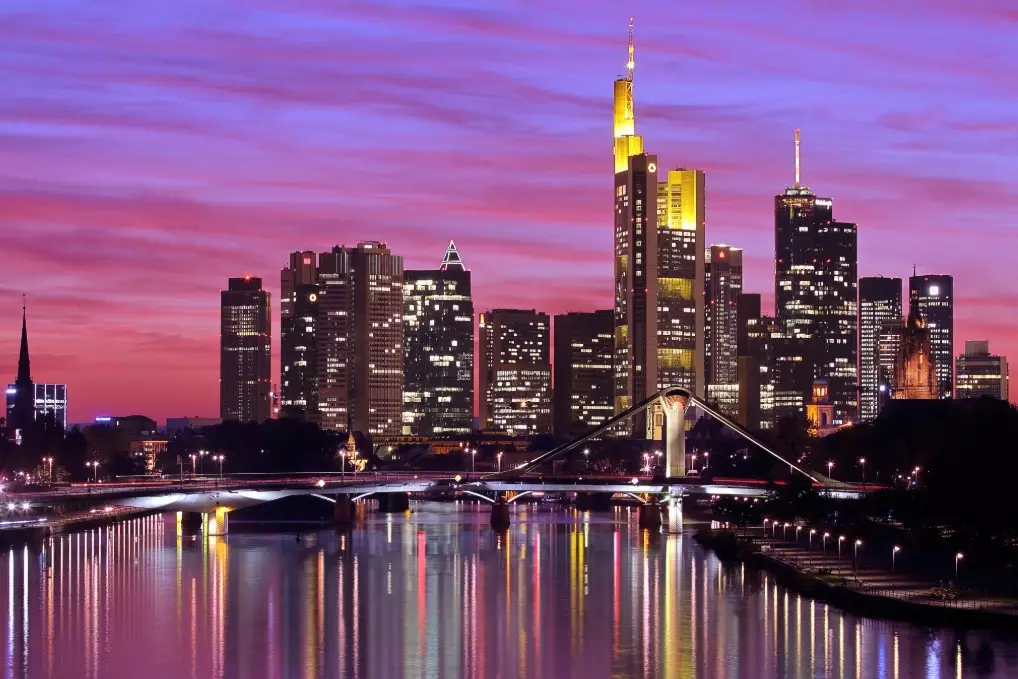
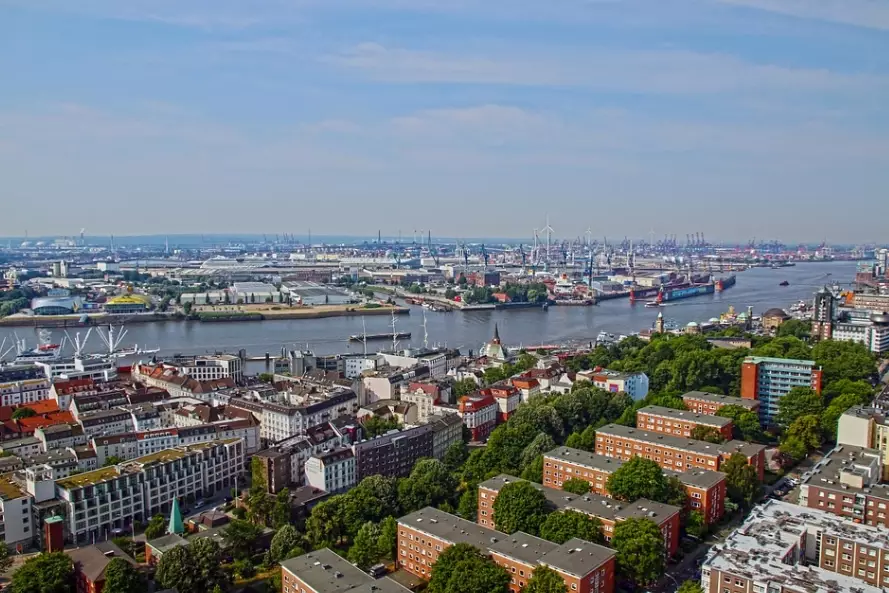
Let's cut to the chase. Is Frankfurt a good place to live? The short answer is: it's complicated, but for a specific type of person, it's one of the best choices in Europe. It's not the picture-postcard German town of fairy tales. You won't find endless half-timbered houses here. Instead, you get a dynamic, international, and sometimes brutally efficient city that works. Think of it as the German answer to Zurich or Singapore – a powerhouse with a surprisingly green heart. Having spent years here and watched countless expats and locals navigate its rhythms, I can tell you the decision hinges entirely on what you're looking for. This guide won't just list generic pros and cons; it'll dig into the real texture of life here, the stuff you only learn after paying your first Nebenkosten (utility bill) or trying to make friends outside the office bubble.
Your Quick Navigation
- What are the biggest pros of living in Frankfurt?
- What are the cons and challenges?
- The real cost of living in Frankfurt
- Who is Frankfurt perfect for (and who should think twice)?
- Frankfurt neighborhood guide: Where should you live?
- Getting around: Is Frankfurt's transport really that good?
- Practical steps if you're considering the move
- Frankfurt living: Your questions answered
What are the biggest pros of living in Frankfurt?
Frankfurt's strengths are formidable and directly impact your quality of life.
Unbeatable International Flair: Walk down the street and you'll hear a dozen languages. Over 30% of residents have a migration background, and the expat community is massive and well-organized. This means you can find authentic food from anywhere, international schools are top-tier, and there's less pressure to be perfectly fluent in German from day one. Supermarkets stock ingredients from around the world. The feeling is cosmopolitan, not provincial.
Transport Hub Extraordinaire: Frankfurt Airport (FRA) is one of the world's busiest hubs. Direct flights to almost anywhere? Check. This isn't just great for travel; it means family and friends can visit easily. Domestically, the central train station (Hauptbahnhof) connects you to all of Germany and beyond with high-speed ICE trains. Paris in 4 hours, Berlin in 4.5. Weekend trips are effortless.
Surprising Green Spaces: The nickname "Mainhattan" suggests a concrete jungle, but that's misleading. The city is ringed by the massive Frankfurter Grüngürtel (Green Belt), a protected forest and recreational area. You can be cycling or hiking in pristine woods within 20 minutes from the banking towers. The river Main banks are lined with parks perfect for running, picnics, or just lounging. It balances urban intensity with easy access to nature.
Cultural & Culinary Scene: It punches above its weight. Museums line the Main (the Museumsufer), from fine art at the Städel to film at the German Film Museum. The opera and theatre are renowned. As for food, forget just sausages and sauerkraut. The weekly farmers' markets (like the one in Konstablerwache) are fantastic. The Apfelwein (cider) taverns in Sachsenhausen offer a uniquely Frankfurt experience. And the international diversity translates to an incredible range of restaurants.
What are the cons and challenges of living in Frankfurt?
No place is perfect. Frankfurt's drawbacks are significant and can be deal-breakers.
The Cost of Living is High. Let's not sugarcoat it. Rent is the biggest shock. Expect to pay well over €1,200 per month for a decent two-room apartment (60-70 sqm) in a central area like Westend or Nordend. Even in outer districts, prices have soared. A beer in a pub is €4.50+, a main course in a mid-range restaurant €18-25. Groceries are pricier than the German average. The high salaries offset this, but if you're not on a local contract, the math can be painful.
It Can Feel Transient and Impersonal. The flip side of the large expat community is turnover. People come for 2-3 year postings and leave. Building deep, lasting friendships can require more effort than in a smaller, more rooted city. The general vibe in the business districts is efficient and sometimes cold. Don't expect small talk with strangers at the bus stop.
The Weather is… Grey. The Rhine-Main area has its own microclimate, which often means low-hanging clouds, drizzle, and persistent grey skies, especially in autumn and winter. It's not the endless rain of Hamburg, but the lack of sunshine can get to you. When the sun does come out, the entire city flocks to the parks.
Tourist Crowds and a Specific Seediness. The area around the Hauptbahnhof has a well-documented problem with drug dealing and open drug use. It's generally safe but can feel intimidating, especially at night. The city center (Zeil) is often packed with tourists and shoppers. The contrast between the gleaming banks and these gritty pockets is stark.
The real cost of living in Frankfurt: A 2024 breakdown
Let's get specific. These are current, realistic estimates for a single professional or a couple. Data is compiled from personal experience and sources like the Federal Statistical Office of Germany (Destatis) and local rental portals.
| Expense Category | Moderate Estimate (Single Person) | Notes & Context |
|---|---|---|
| Monthly Rent (1-bedroom, 60-70sqm) | €1,100 - €1,600+ | Varies wildly by district. Westend/Bornheim: €1,500+. Nordend: €1,300+. Offenbach (just outside): €900-€1,100. Warm includes basic utilities. |
| Utilities (Heating, Electricity, Internet) | €200 - €300 | Energy prices have stabilized but remain high. A 100 Mbps internet/TV package is ~€40-50. |
| Groceries (Monthly) | €250 - €350 | Shopping at mid-range supermarkets like Rewe or Edeka. Organic (Bio) will increase this. |
| Public Transport Pass | €96.90 | The RMV monthly ticket for Frankfurt city zone (Tarifgebiet 5000). Worth every penny. |
| Lunch Out (Mid-range) | €12 - €18 | A main dish and a drink. Business district lunches are more expensive. |
| Fitness Club (Mid-range) | €40 - €70 | Basic gyms start around €30, premium chains (e.g., Holmes Place) are €80+. |
| Total Monthly Baseline | €1,700 - €2,500+ | Before discretionary spending, travel, or savings. A net salary of €3,000+ is comfortable. |
A common mistake newcomers make is underestimating the Kaution (security deposit), which is up to three months' cold rent, and the need for Haftpflichtversicherung (personal liability insurance), which is non-negotiable here.
Who is Frankfurt perfect for (and who should think twice)?
Frankfurt isn't for everyone. It's a specialist city.
- Perfect For: Career-driven professionals in finance, law, consulting, or tech. Singles and couples without children who value convenience and international networks. Travel enthusiasts who want a central launchpad. People who prefer a fast-paced, efficient environment over Gemütlichkeit (coziness).
- Think Twice If: You're on a tight budget or a freelance/artist income. Your priority is a deep, traditional German cultural experience (consider Munich or a smaller town). You crave a wild, alternative nightlife scene (Berlin is your city). You highly value constant sunshine.
Frankfurt neighborhood guide: Where should you live?
Your experience is defined by your Stadtteil (district). Here’s the real character of each.
Westend & Nordend: The Established Favorites
Beautiful, quiet, leafy, and expensive. Westend is where the old money and bankers live, full of villas and embassies. Nordend is its slightly more bohemian, slightly more affordable sibling, packed with cafes, independent shops, and young families. Both are safe, green, and perfectly connected. If budget allows, this is where most aspire to live. Expect fierce competition for apartments.
Bornheim: The Lively Heart
Centered around Berger Strasse, a long street crammed with restaurants, bars, and shops. It's vibrant, young, and has a village-like community feel. Can be noisy, especially on weekends. Parking is a nightmare. Perfect if you want to be in the middle of the action.
Sachsenhausen: The Traditional Counterpart
South of the river, known for its cobbled streets and Apfelwein taverns. It feels more traditionally German. Quieter than Bornheim but still very social. Great access to the museums and river parks. Popular with families and long-term residents.
Bahnstadt & Gallus: The New Urban Frontiers
Former industrial areas west of the main station undergoing massive transformation. You'll find modern, high-spec new-build apartments here. The vibe is trendy and up-and-coming, with lots of startups and creative spaces. Still a bit rough around the edges in parts, but the infrastructure is new. Good option for modern living close to the center.
Offenbach: The Affordable Alternative
Officially a separate city just east of Frankfurt. Significantly cheaper rents. It's multicultural, gritty, and has its own identity. The commute to Frankfurt center is only 15-20 minutes by S-Bahn. It's a practical choice if budget is the primary constraint, but it lacks the prestige of Frankfurt addresses.
Getting around: Is Frankfurt's transport really that good?
Yes. It's one of the best systems in Germany. The RMV network of U-Bahn (subway), S-Bahn (suburban train), trams, and buses is comprehensive, punctual, and clean. The monthly pass covers everything. A car is a liability, not an asset, in the city center. Parking is expensive and scarce. For trips to the surrounding countryside or big shopping hauls, car-sharing services like Miles or Share Now are widely used. The city is also very bikeable, with an expanding network of cycle paths.
Practical steps if you're considering the move
1. Secure a job first. Unless you're an EU citizen, you'll need a job offer to get a visa. Even for EU citizens, having a contract makes everything else (flat hunting, bank account) infinitely easier. 2. Start flat hunting early and be ready. Have your Schufa (credit report), proof of income, and documents scanned and ready. Use platforms like Immobilienscout24, Immowelt, and local Facebook groups. Consider a short-term serviced apartment or Wohnen auf Zeit for the first month. 3. Register your address (Anmeldung). This is your first legal step at the Bürgeramt (citizens' office). Book an appointment online the moment you know your move date. 4. Open a German bank account. Necessary for your salary, setting up direct debits for rent/utilities. N26, Comdirect, and traditional banks like Sparkasse all work. 5. Get health insurance. Mandatory. Your employer will guide you through public (gesetzlich) or private (privat) options.
Frankfurt living: Your questions answered
So, is Frankfurt a good place to live? If your priorities are a stellar career, international connectivity, efficiency, and a high standard of living, then yes, it's an outstanding choice. You trade some charm and affordability for sheer functionality and opportunity. It's a city for grown-ups, for people who want things to work. Come with your eyes open to the costs, put in the effort to learn the language and build a community, and Frankfurt will reward you with a dynamic and comfortable life at the heart of Europe.