So you're looking at a trip to Hamburg. Maybe you've seen pictures of the stunning Speicherstadt warehouse district, or you're a fan of the Beatles' history (yes, that's Liverpool, but bear with me). Whatever the reason, a question pops up: "Is Hamburg expensive to visit?"
Let's cut to the chase. Hamburg can be expensive. But it can also be surprisingly affordable, even for budget travelers. The answer isn't a simple yes or no. It's a classic "it depends."
I've been living in and visiting Hamburg for over a decade, and I've seen tourists blow their entire budget in a weekend on fancy hotels and overpriced Reeperbahn tours. I've also met backpackers who managed to have an amazing time on €50 a day. The difference? Knowing where to look and how to avoid the tourist traps that quietly drain your wallet.
So, let's break down the real costs of visiting Hamburg, Germany, in a way that actually helps you plan your trip.
What You'll Find in This Guide
- Accommodation: Where to Stay (and How Much it Really Costs)
- Food & Drink: From Currywurst to Fine Dining
- Transportation: Getting Around Without Breaking the Bank
- Attractions & Activities: Free, Cheap, and Worth Every Penny
- Saving Money in Hamburg: The Expert's Playbook
- Putting It All Together: Your Daily Budget Scenarios
- Frequently Asked Questions (The Real Ones)
Accommodation: Where to Stay (and How Much it Really Costs)
This is usually your biggest expense. Hamburg has a wide range of options, but there's a common mistake many first-time visitors make: they book a hotel right next to the Hauptbahnhof (main train station). It's convenient, sure, but the immediate area around the Hauptbahnhof is not the most pleasant for an evening stroll, and you're often paying a premium for that convenience. Plus, the hotel prices there can be higher due to demand.
Here's a breakdown of what you'll actually pay:
- Luxury Hotels (5-star): Expect to pay anywhere from €250 to €500+ per night for a room at places like The Fontenay or the Reichshof. You're paying for history, service, and location.
- Boutique/Mid-Range Hotels (4-star & 3-star): This is where most travelers land. A nice 4-star hotel in a good location like the East or the 25hours Hotel Hafen-City will run you €150-€250 per night. A comfortable 3-star hotel (think Ibis Styles or a good independent) will cost you €80-€150 per night.
- Budget Hotels/Hostels: This is where you can save. A private room in a decent hostel (like Generator Hamburg or a&o Hamburg Hauptbahnhof) costs around €40-€70 per night. A dorm bed? As low as €20-€30. This is a massive saving.
Now, here's a non-consensus view from someone who's done it a hundred times: Don't be afraid to stay outside the immediate city center. Hamburg has an excellent and cheap public transport system. Look for hotels or hostels in the St. Georg, Hoheluft, or Eimsbüttel districts. These are vibrant, residential neighborhoods with great local food options and better value for money. They're also well-connected by U-Bahn (subway) and buses.
Let's look at a real example. Last month, a friend visited. We booked a small but clean hotel in St. Georg, a 10-minute U-Bahn ride from the Hauptbahnhof, for €85 per night. That same night, a standard room at a chain hotel near the station was going for €120. That's a €35 saving per night, which over a 3-night stay is over €100 – enough for a nice dinner and a couple of drinks.
Airbnb is another fantastic option, especially for groups or longer stays. A whole apartment in a neighborhood like Altona or Winterhude can be cheaper than two hotel rooms and gives you a kitchen to save on meals.
Food & Drink: From Currywurst to Fine Dining
Here's where many budget calculators online get it wrong. They assume you'll eat every meal in a sit-down restaurant. That's a quick way to blow your budget.
Let's talk about food costs in Hamburg.
- Restaurant Meal: A main course in a mid-range restaurant will cost you €12-€20. Add a drink (€3-€5) and maybe a starter (€6-€10), and you're looking at €20-€35 per person for a meal. A fancy dinner? €50+ per person easily.
- Cheap Eats/Lunch: This is where Hamburg shines. A Currywurst (sausage with curry ketchup) from a street vendor or a Frikadelle (pan-fried meat patty) from a local snack bar will cost you €3-€5. A doner kebab? €4-€6. This is your secret weapon.
- Supermarkets: Your absolute best friend. Go to an Aldi or Lidl. You can get bread, cheese, cold cuts, fruit, and snacks for a day for under €10. This is how locals and experienced travelers save a fortune.
Here's a personal story. I love food, but I also love my wallet. When I first moved to Hamburg, I made the mistake of eating out for every meal. My food budget for a week was astronomical. Now, I cook most of my meals at home (thanks, Aldi!), and I treat myself to one nice restaurant meal or a few street food snacks when I'm out. The difference? My weekly food bill is less than half of what it used to be.
Drinks? A beer in a pub is around €3.50-€4.50. A coffee in a cafe is €3-€4. A glass of wine in a restaurant starts at €4-€5. Water is almost always free if you ask for tap water ("Leitungswasser, bitte").
How to Eat Well and Spend Less
Avoid the tourist-trap restaurants immediately around the Hauptbahnhof and the Reeperbahn. They're often overpriced and not the best quality. Walk 5-10 minutes in any direction, and you'll find better, cheaper, and more authentic places. In St. Georg, for example, you can get a fantastic and huge portion of Vietnamese Pho for €8 or a classic German schnitzel with fries for €12.
Transportation: Getting Around Without Breaking the Bank
Hamburg's public transport system (HVV) is excellent, frequent, and, compared to many other major European cities, relatively cheap. This is a major point where Hamburg can be cheaper than, say, London or Paris.
Here are your options:
- HVV Day Ticket (Tageskarte): This is your golden ticket. For €6.50 (as of 2023), you get unlimited travel on all buses, trains, and even ferries within the entire HVV network for 24 hours. If you plan to use public transport more than twice in a day, this pays for itself immediately. The Hamburg CARD includes this and gives you discounts on attractions, but you need to calculate if the attraction discounts are worth the extra cost over the plain day ticket.
- Single Ticket: A short-distance single ticket (Kurzstrecke) costs €2.00. A regular single ticket for a longer journey within the city is €3.50. So, if you're just making one or two trips, buying single tickets might be cheaper than the day ticket. But honestly, for most visitors, the day ticket is a no-brainer.
- Walking: Free. And highly enjoyable. Hamburg's city center is compact and very walkable. The Alster lakes are perfect for a free afternoon stroll.
- Bike: Hamburg has a great public bike system called StadtRAD. The first 30 minutes of every ride are free! After that, it's €1 per 30 minutes or €9 for a 24-hour ticket. This is a fantastic and cheap way to explore the city, especially along the Alster and through the parks.
My advice? Get the day ticket. It gives you the freedom to hop on and off as you please, explore different neighborhoods, and not worry about the cost of each individual trip. It's the best value for money.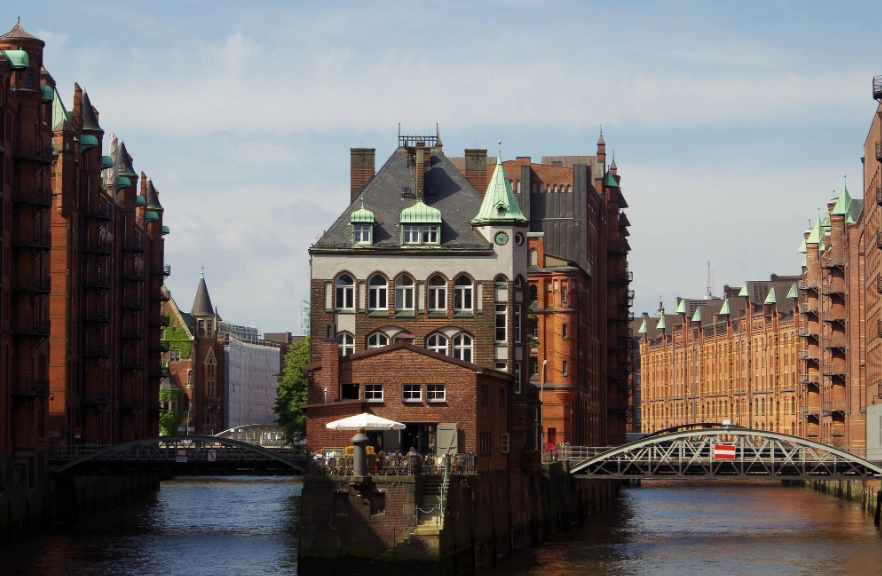
Attractions & Activities: Free, Cheap, and Worth Every Penny
Here's where many people get scared. They see the entrance fee for Miniatur Wunderland (€20) or the Hamburg Dungeon (€22) and think, "Wow, that's expensive." And it can be, if you try to do everything.
But here's the secret: Hamburg has an incredible amount of free and cheap things to do.
Let's categorize them:
Free Attractions in Hamburg (The Best Things in Life Are Free)
- Speicherstadt: Just walk around. It's the largest warehouse district in the world and a UNESCO World Heritage Site. It's absolutely free to explore its canals, bridges, and brick architecture. Take a boat tour if you want (more on that below), but simply walking through it is an experience.
- Planten un Blomen: Hamburg's beautiful city park and botanical gardens. Free entrance.
- Alster Lakes: Walk, run, or have a picnic around the Inner and Outer Alster lakes. Again, free.
- St. Pauli Piers (Landungsbrücken): Watch the giant container ships come and go. Free.
- Window Shopping on Mönckebergstraße: Hamburg's main shopping street. Free (unless you buy something, which you don't have to).
- Street Art in Karolinenviertel: The Karolinenviertel district is known for its cool street art and independent shops. Free to explore.
Cheap Attractions (Worth Every Penny)
- Miniatur Wunderland: Yes, it's €20, but it's often cited as the world's largest model railway and is genuinely mind-blowing. Book your tickets online in advance, especially during peak seasons, to avoid disappointment. It's worth the price.
- Public Boat Tours (HADAG Ferries): This is a non-consensus tip. Instead of the expensive tourist-specific boat tours, take a regular public ferry (Line 62 or 72) on the Elbe. You get stunning views of the harbor and the city for the price of a regular public transport ticket (covered by your day ticket!). This is a local secret.
- St. Michael's Church (Michel): Entrance to the church is free. To climb the tower for a panoramic view of the city, it's €5. Worth it.
Expensive Attractions (Choose Wisely)
- Hamburg Dungeon: €22. It's a theatrical, horror-themed show. It's fun, but if you're on a tight budget, you can skip it.
- Musicals/Opera: Tickets can range from €30 to €150+. If you're not a big fan, this is an easy saving.
The point is, you can have a fantastic time in Hamburg without spending a fortune on attractions. Focus on the free and cheap experiences, and then splurge on one or two things that really interest you.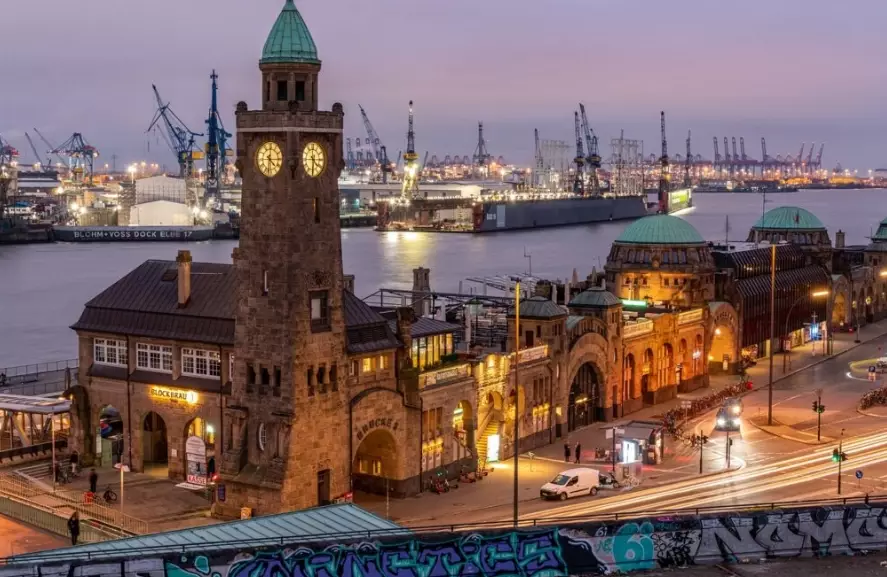
Saving Money in Hamburg: The Expert's Playbook
Here are some concrete, actionable tips that most generic travel guides won't tell you:
- Get the Hamburg CARD (Hamburg CARD): This is not sponsored, but it's genuinely good advice. If you plan to use public transport and visit several attractions, the Hamburg CARD can save you a significant amount of money. It includes unlimited public transport and discounts (often 50% off) on major attractions. Do the math for your specific itinerary. The Hamburg CARD often pays for itself after just two attractions and a few train rides.
- Walk or Cycle: Hamburg is a flat city. Walking is free, and cycling is cheap with StadtRAD. Use them.
- Eat Like a Local: Avoid the restaurants with menus in English plastered outside. Look for places where the menu is only in German or has a few English translations. These are often the more authentic and better-value spots.
- Drink Tap Water: It's perfectly safe and free. Carry a reusable bottle.
- Shop at Supermarkets: This is your biggest saving on food. Buy your breakfast, lunch, and snacks here.
- Avoid Taxis: They are expensive. Use public transport, walk, or cycle.
- Travel Off-Season: Prices for accommodation and sometimes even flights are lower outside of the summer months and major events like the Hafengeburtstag (port birthday festival).
Putting It All Together: Your Daily Budget Scenarios
Let's look at two realistic daily budgets for Hamburg:
Scenario 1: The Ultra-Budget Backpacker (€50-€70 per day)
- Accommodation: Hostel dorm bed: €20-€30 per night.
- Food: Supermarket breakfast/lunch (€5-€7), street food dinner (€4-€6): €9-€13 total.
- Transport: Day ticket (€6.50) or walking: €6.50.
- Attractions: Focus on free attractions (walking tours, parks). Maybe one cheap paid attraction (€5-€10) every other day.
- Total: €20 + €13 + €6.50 + €7.50 (avg of attractions) = €47. Add a few euros for a drink or snack, and you're at €50-€70.
Scenario 2: The Comfortable Budget Traveler (€100-€150 per day)
- Accommodation: Private room in a hostel or a budget hotel: €40-€80 per night.
- Food: Mix of supermarket meals, cheap eats, and one sit-down restaurant meal per day: €20-€35.
- Transport: Day ticket (€6.50).
- Attractions: Mix of free and paid attractions: €15-€25.
- Total: €40 + €35 + €6.50 + €20 = €101.50. This gives you much more breathing room.
So, is Hamburg expensive to visit? Compared to many other major European cities, I'd say it's about average, maybe even slightly on the more affordable side for a German metropolis. It's certainly cheaper than London or Paris, and comparable to, or slightly cheaper than, Berlin for many things.
The final cost of your trip to Hamburg will depend entirely on your choices. You can easily spend €200+ per day if you stay in luxury hotels, eat at fine restaurants every meal, and take every guided tour. Or, you can have an equally amazing time for €50-€70 per day by using the tips above.
Hamburg has something for every budget. It's a city that rewards the savvy traveler. Plan smart, spend wisely, and you'll have an unforgettable time without breaking the bank.
Frequently Asked Questions (The Real Ones)
How expensive is Hamburg compared to Berlin?
Hamburg is generally considered slightly more affordable than Berlin for visitors, particularly in terms of accommodation and dining out. While overall costs are similar, many budget-conscious travelers find Hamburg offers better value for mid-range experiences. Public transport is often cited as cheaper in Hamburg, and you can find great food deals if you venture away from the immediate tourist areas near the Hauptbahnhof.
What's the cheapest way to get around Hamburg?
The Hamburg Card (Hamburg CARD) is the absolute winner for budget travelers. It offers unlimited travel on all HVV public transport (buses, trains, ferries) and significant discounts (up to 50%) on major attractions like Miniatur Wunderland, the Hamburg Dungeon, and boat tours. For shorter stays, the day ticket (Tageskarte) is excellent value if you plan to use public transport more than twice. Walking is free and highly enjoyable in Hamburg's compact city center. Renting a StadtRAD bike (the public bike system) is also a fantastic and cheap way to explore the Alster lakes and parks. Avoid taxis for routine travel.
Can you visit Hamburg on a budget of €50-€70 per day?
Yes, it's entirely possible, but it requires discipline and smart choices. Accommodation will be your biggest hurdle. For €50-€70 per day, you'll need to stay in a hostel dorm (€20-€30 per night), rely heavily on supermarkets (Aldi/Lidl are your best friends), walk or use public transport with a day ticket (€6.50), and focus on free attractions. Your meals will likely be a combination of supermarket sandwiches, a cheap currywurst from a street vendor (€3-€4), and one simple restaurant meal. It's tight, but doable for the ultra-budget traveler. €70-€100 per day gives you much more breathing room.
Where are the best areas to stay in Hamburg to save money?
Avoid staying right next to the Hauptbahnhof (main train station) if your budget is tight. While convenient, the immediate area is not the most pleasant for an evening stroll and accommodation prices can be higher due to demand. Instead, look for hotels or hostels in the St. Georg, Hoheluft, or Eimsbüttel districts. These are vibrant, residential neighborhoods with great local food options and better value for money. They are also well-connected by U-Bahn (subway) and buses. A common mistake is booking a hotel near the Reeperbahn if you're not interested in the nightlife scene; it can be noisy and more expensive.