You can still feel it in Berlin. Not the physical barrier so much – most of it's gone – but the echo. You'll be walking through a sleek modern square and stumble on a line of cobblestones in the pavement. Or you'll see a fragment of graffitied concrete propped up near a busy train station, looking oddly out of place. Tour buses with "Cold War" and "Wall Tour" plastered on their sides are a constant sight. The Berlin Wall isn't just history here; it's part of the city's DNA, a scar that shaped everything around it.
But if you're planning a trip, you might be wondering: what's actually left to see? Is it just a few scattered pieces, or is there a coherent story to follow? This guide cuts through the noise. We'll look at why the Wall went up, the key locations where its story is told most powerfully, and exactly how to plan your visit to understand this defining symbol of the 20th century.
Your Berlin Wall Visit at a Glance
- Why Was the Berlin Wall Built? The Short, Stark History
- Where to See the Berlin Wall Today: 4 Key Locations
- The East Side Gallery: The Iconic Open-Air Gallery
- How to Plan Your Visit: A Practical Berlin Wall Itinerary
- Common Mistakes Visitors Make (And How to Avoid Them)
- Your Berlin Wall Questions Answered
Why Was the Berlin Wall Built? The Short, Stark History
Forget the idea of a simple border fence. The Berlin Wall was a desperate, brutal solution to a massive problem for East Germany. After World War II, Germany and Berlin were split into four sectors, controlled by the US, UK, France, and the Soviet Union. Tensions between the Soviet East and the democratic West quickly turned into the Cold War. West Berlin became a glittering, capitalist island deep inside communist East Germany.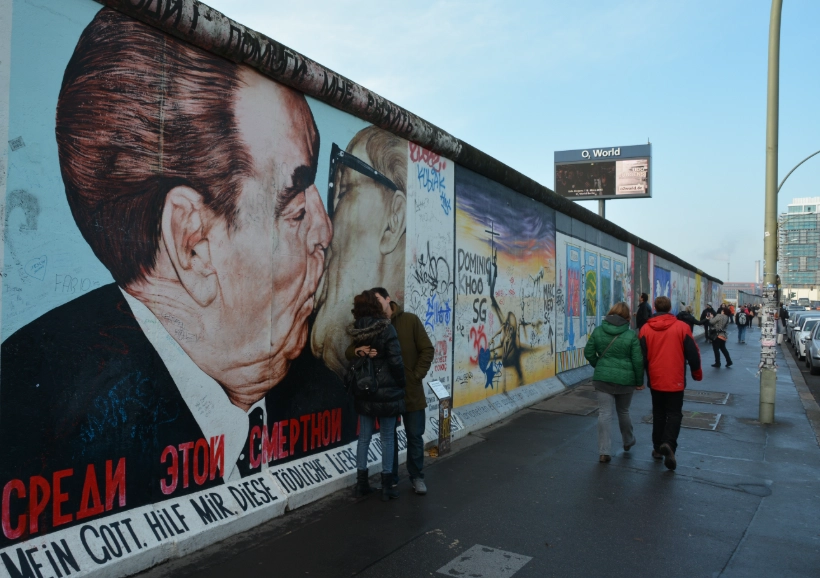
And people voted with their feet. In droves. By 1961, nearly 3.5 million East Germans – about 20% of the population – had fled to the West, many through the open border in Berlin. It was a brain drain of epic proportions, sucking out doctors, engineers, and young workers. The East German state was bleeding out.
So, in the early hours of August 13, 1961, they literally walled their people in. What started as barbed wire and fencing rapidly evolved into a complex death strip: an inner wall, a no-man's-land patrolled by guards with shoot-to-kill orders, watchtowers, anti-vehicle trenches, and an outer wall. It wasn't designed to keep others out; it was built to keep East Germans in. For 28 years, it divided neighborhoods, split families, and became the most potent physical symbol of the Iron Curtain. According to research by the Berlin Wall Memorial, at least 140 people died at the Wall trying to escape to freedom.
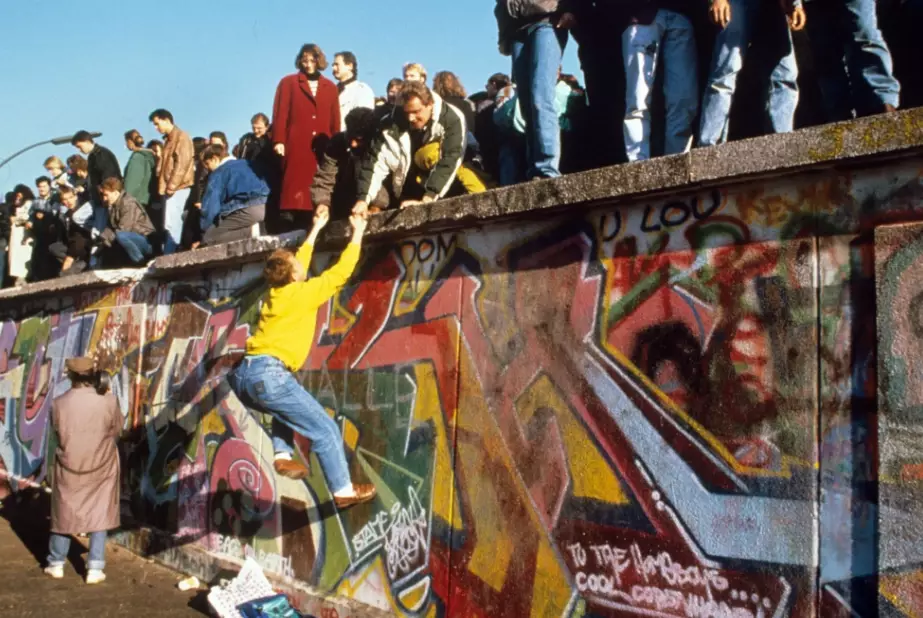
Its fall on November 9, 1989, was as sudden and unexpected as its rise. A botched press conference about relaxed travel rules led to crowds gathering at checkpoints. Confused guards, faced with massive peaceful crowds, eventually opened the gates. The images of people dancing on the Wall are iconic for a reason – it was the moment the Cold War truly began to thaw.
Where to See the Berlin Wall Today: 4 Key Locations
You won't find one long, continuous Berlin Wall. The city has preserved sections in specific places where they tell a particular part of the story. Each site offers something different. Here’s where to go, and what you'll get at each spot.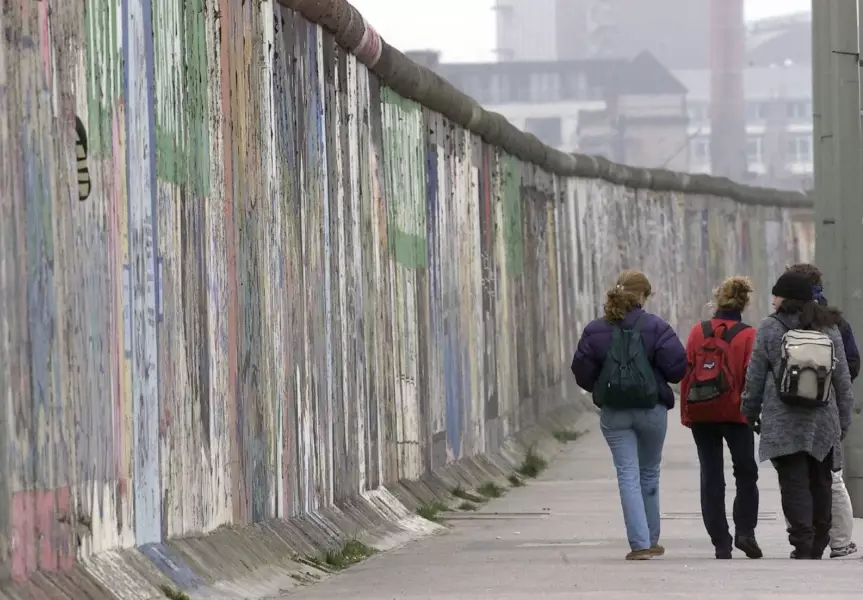
| Site Name | What You'll See | Best For | Address / Nearest Station | Cost & Hours |
|---|---|---|---|---|
| East Side Gallery | A 1.3km preserved section with over 100 murals painted in 1990. | Iconic photography, art, and a vibrant public space. | Mühlenstraße, 10243 Berlin. S-Bahn: Ostbahnhof. | Free, open 24/7. (Visitor center has hours). |
| Berlin Wall Memorial (Gedenkstätte Berliner Mauer) | The only place with a reconstructed death strip, a documentation center, and original wall segments. | Understanding the mechanics and human cost of the Wall. | Bernauer Str. 111, 13355 Berlin. U-Bahn: Bernauer Straße. | Free. Outdoor area always open. Center: Tue-Sun 10am-6pm. |
| Topography of Terror | A 200-meter-long excavated segment of the Wall's outer foundation, next to the former SS & Gestapo HQ. | Contextual history, linking Nazi era to Cold War oppression. | Niederkirchnerstraße 8, 10963 Berlin. U-Bahn: Potsdamer Platz. | Free. Outdoor exhibit always accessible. |
| Checkpoint Charlie | A reconstructed guard house and museum. The surrounding area is highly commercialized. | A historical photo op, but the museum is dense and dated. | Friedrichstraße 43-45, 10117 Berlin. U-Bahn: Kochstraße. | Museum: Paid entry. The checkpoint itself is free to view. |
My personal ranking? For raw emotional impact and education, the Berlin Wall Memorial on Bernauer Strasse is unmatched. For that classic, must-have photo with colorful art, the East Side Gallery is essential. I find Checkpoint Charlie fascinating as a historical point, but the surrounding street feels like a theme park – men in fake US Army uniforms charging for photos, overpriced souvenir shops. It's worth walking through, but don't make it your only stop.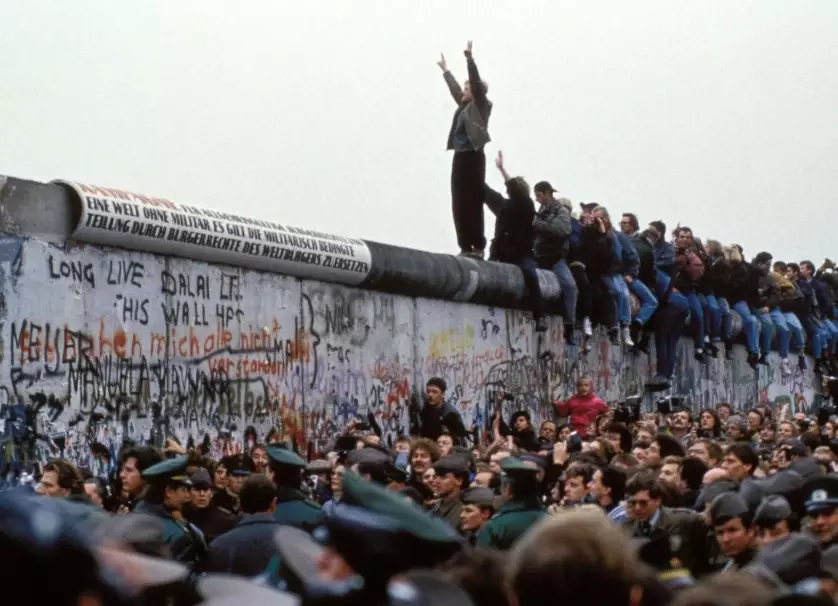
The East Side Gallery: The Iconic Open-Air Gallery
This is the postcard image. After the Wall fell, 118 artists from 21 countries painted this longest remaining segment. It's not a memorial to the Wall's victims, but a celebration of its fall and hopes for the future. The most famous mural is Dmitri Vrubel's "My God, Help Me to Survive This Deadly Love," depicting the fraternal kiss between Brezhnev and Honecker.
Visitor Tip: Go early in the morning. By midday, especially in summer, it's packed with tour groups. The light is better for photos, and you can actually see the art without a crowd in front of it. The side facing the Spree River is the painted side. Behind it is a less-visited path that shows the raw, grey concrete back of the Wall – a stark contrast.
Getting There: Take the S-Bahn to Ostbahnhof or the U-Bahn (U1) to Warschauer Straße. From Warschauer Str., you'll walk over the iconic Oberbaumbrücke bridge, which offers a great view of the Gallery along the river.
How to Plan Your Visit: A Practical Berlin Wall Itinerary
Trying to see all the Wall sites in one day is possible, but exhausting. The sites are spread out across a city that's bigger than it looks. Here’s a smarter way to do it, depending on your time.
The One-Day Deep Dive (The History Buff's Day):
Start at the Berlin Wall Memorial (Bernauer Straße). Spend 2-3 hours here. Walk the memorial grounds, go up the tower in the documentation center for that chilling view over the death strip. Then, take the U8 south to Alexanderplatz, transfer to the S-Bahn, and go to Ostbahnhof for the East Side Gallery. Afterward, you can walk or take a short tram ride to Checkpoint Charlie to see it (manage your expectations). If you still have energy, the Topography of Terror is a 15-minute walk from Checkpoint Charlie.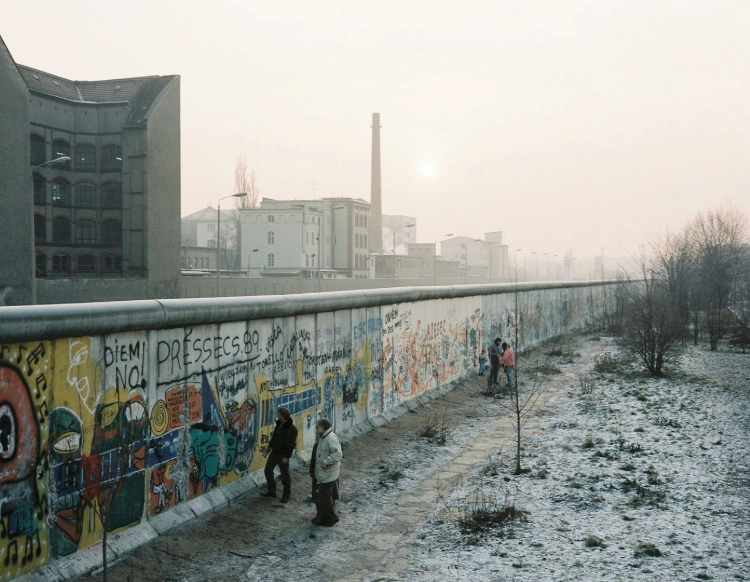
The Integrated Two-Day Approach (Mixing History & Modern Berlin):
Day 1: Combine the Berlin Wall Memorial with exploring the trendy neighboring districts of Prenzlauer Berg and Mitte. The memorial is heavy; balance it with a coffee in a Prenzlauer Berg café afterward.
Day 2: Visit the East Side Gallery and then explore the ultra-hip Friedrichshain and Kreuzberg districts right next to it. The area around Warschauer Straße is full of street art, food markets, and a buzzing nightlife scene. This approach lets the history breathe alongside modern Berlin.
Transportation: Berlin's public transport (BVG) is excellent. A day ticket (Tageskarte) for zones AB is your best bet if you're hopping between sites. All major Wall sites are easily reachable by U-Bahn, S-Bahn, or tram.
Common Mistakes Visitors Make (And How to Avoid Them)
After a decade of guiding friends around these sites, I've seen the same pitfalls repeatedly.
Mistake 1: Only seeing the East Side Gallery. It's beautiful, but it tells one specific, artistic story of 1990. You miss the grim reality of the Wall's operation. Fix it: Pair it with the Berlin Wall Memorial. The contrast between the colorful gallery and the clinical, brutal death strip reconstruction is the full story.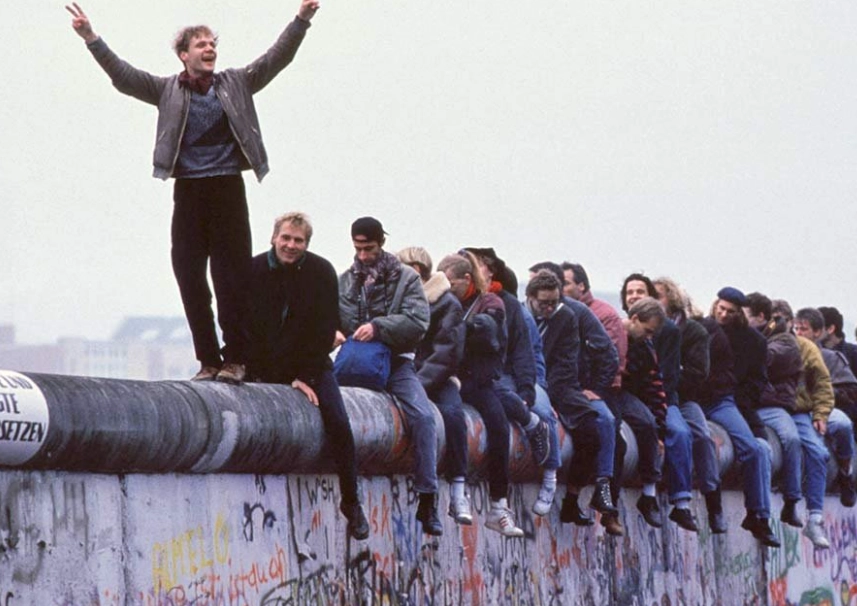
Mistake 2: Spending money and time at the Checkpoint Charlie Museum (Mauermuseum). This is a controversial take, but hear me out. The museum is privately run and feels frozen in the 1990s. It's crammed with text-heavy displays and artifacts in dusty cases. The information is vast but poorly curated. Fix it: Read the free outdoor information panels at the checkpoint itself. If you crave more depth, your time and money are better spent at the free, state-of-the-art documentation center at the Berlin Wall Memorial.
Mistake 3: Not looking down. The most pervasive remnant of the Wall isn't vertical – it's horizontal. The double row of cobblestones or metal plates tracing the Wall's path through the city center is easy to miss. Fix it: Once you know to look for it, you'll see it everywhere. It runs past the Reichstag, through Potsdamer Platz, and across many streets. It's a powerful reminder of how the Wall slithered through the city's heart.
Mistake 4: Rushing. This isn't a checkbox attraction. The weight of the history takes time to settle. Fix it: Sit on a bench at the Bernauer Strasse memorial. Look at the "windows of remembrance" with photos of the victims. The impact is in the quiet moments of reflection, not just the photos you take.