Your Essential Highlights
Let's be honest, when you first hear "Reeperbahn," your mind might jump to a certain image. Neon lights, nightclubs, a street with a reputation. I thought the same before I stumbled into the Reeperbahn Festival Hamburg a few years back. A friend dragged me along, promising "new music," and I was expecting maybe a couple of bands playing in smoky bars. What I walked into was something else entirely. It felt like the entire, gritty, creative soul of Hamburg had been plugged into an amplifier. It wasn't just a music festival; it was a sprawling, chaotic, exhilarating takeover of a whole city district.
That's the thing most guides don't capture right away. The Reeperbahn Festival isn't in a field outside town. It's woven into the very fabric of St. Pauli, using concert halls, clubs, art galleries, churches, and even old theaters as its stages. One minute you're watching a folk singer in a candlelit chapel, the next you're diving into a basement club for some punishing techno. The energy shifts every hundred meters.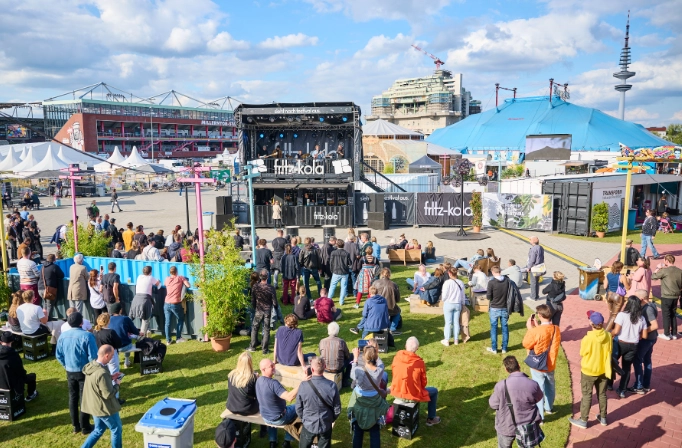
So, if you're just looking for a basic schedule, you can find that anywhere. This guide is for the person who wants to understand the vibe, avoid the rookie mistakes (I've made plenty), and actually experience the Reeperbahn Festival, not just attend it. We'll talk about how to find the next big artist before they blow up, where to get the best currywurst between sets, and why you might spot people in business suits during a punk show.
What Exactly IS the Reeperbahn Festival? (It's Not What You Think)
Calling the Reeperbahn Festival Hamburg just a "music festival" is like calling the Louvre a "picture gallery." It's technically true but misses the point spectacularly. Think of it as a massive, multi-day cultural collision. Yes, music is the pounding heart of it. Hundreds of artists, from absolute unknowns to indie darlings on the cusp of mainstream success, descend on Hamburg. But it's also one of Europe's most important networking events for the music and digital media industries. Then you layer in independent film, art installations, literature readings, and performance theatre. It all happens simultaneously across a dense network of venues.
I remember my first-time confusion. I had my music schedule, but then I saw crowds going into a gallery for a "VR sound experience" and others lining up for a panel discussion on "The Future of Streaming." It felt fragmented until I leaned into it. The magic is in the overlap. You might discover a band you love at a tiny venue, then later see their manager giving a talk about artist development. It creates this unique 360-degree view of the creative world.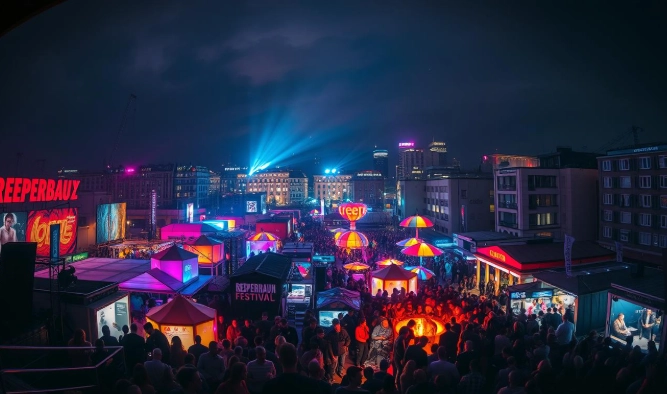
Who's it for? Honestly, almost anyone with a curious mind.
- The Music Nerd: This is paradise. Your chance to say "I saw them when..."
- The Industry Professional: A crucial hub for deals, panels, and spotting trends. The conference side is a huge draw.
- The Casual Explorer: If you just love a good atmosphere and discovering new things, you'll have a blast. You don't need to know every band.
- The Art & Culture Fan: The parallel programs (like the arts festival and literary events) are substantial and worth the price of admission alone.
But a word of warning. If you're looking for a chill, sit-on-a-blanket kind of festival, this isn't it. The Reeperbahn Festival is urban, fast-paced, and requires a bit of strategy. Your feet will hurt. You'll have to make tough choices between overlapping shows. It's a beautiful, exhausting marathon.
The Heart of It All: The Music Experience
This is why most people come. The lineup for the Reeperbahn Festival Hamburg is a carefully curated mix. You won't find global mega-stars headlining stadiums. Instead, you find the artists who will be headlining festivals in two or three years. The focus is firmly on "what's next."
Navigating the Lineup & Venues
The official app is your best friend. Seriously, download it. The physical program is cool, but the app with its personalized schedule and map is a lifesaver. When the Reeperbahn Festival lineup drops, don't just look at the big names. Scroll deep. Listen to the Spotify playlists they curate. Some of my favorite discoveries were artists playing at 4 PM on a Thursday in a room above a pub.
The venues are characters themselves. Each has a distinct personality that shapes the show.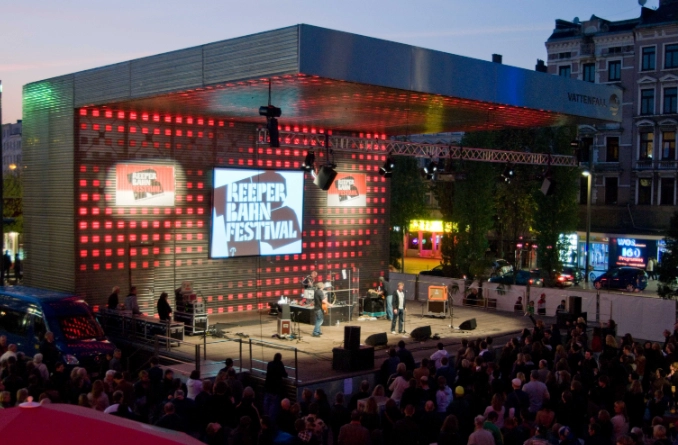
| Venue Type | Examples & Vibe | Best For... | Insider Note |
|---|---|---|---|
| The Iconic Clubs | Molotow, Docks, Knust. The historic pillars of Hamburg's scene. Sound is usually great, atmosphere is electric. | Seeing established indie acts. Feeling the classic Reeperbahn energy. | These get packed. For popular acts, queue early. The crowds can be intense but passionate. |
| The Unconventional Spaces | St. Pauli Church, various art galleries, the Edelfettwerk. Often used for quieter, acoustic, or experimental sets. | Unique, intimate experiences. Discovering singer-songwriters or avant-garde music. | These are my secret weapons for a mid-day break. More space to breathe, often seated. A church acoustic can give you chills. |
| The Conference Hybrids | Spaces inside the Reeperbahn Festival Conference area. Often host showcases curated by specific labels or media outlets. | Seeing highly-tipped new acts in a clean, industry-focused setting. | The vibe here can feel more like a networking event than a gig. Less rowdy, more "people checking their phones." Good sound, though. |
| The Pop-Up Stages | Shipping containers, street corners, small bars not normally used for concerts. | Pure, unfiltered discovery. The most "festival" feeling. | Hit or miss. Sound can be rough, sightlines poor. But the joy of stumbling upon a gem here is unmatched. |
My personal strategy? I mix one "must-see" act per night in a medium venue with a lot of time blocked for wandering. I'll pick a geographic cluster (like around the Spielbudenplatz) and just hop between venues that look interesting. Some of the best performances happen because you followed a strange sound down an alley.
Beyond the Shows: The Conference & Networking Beast
This is what truly differentiates the Reeperbahn Festival Hamburg from other city festivals. The conference is not a side event; it's a core pillar. Imagine thousands of label execs, booking agents, journalists, tech founders, and artists all crammed into conference centers and hotel lobbies. The energy is palpable, a mix of creative passion and business-card-swapping hustle.
As a regular attendee, you can access many of the public talks and panels. These are goldmines for understanding the music business. I've sat in on discussions about sync licensing, mental health for touring artists, and how TikTok is changing A&R. It's fascinating even if you're not in the industry. You start to see the machinery behind the music you love.
Publications like Billboard often cover the business deals and trends emerging from the Reeperbahn Festival conference, highlighting its importance on the global stage.
The Other Half of the Coin: Arts, Film, and Words
If you ignore this side, you're missing half the festival. The parallel programs are curated with the same ethos as the music: discovery and innovation.
- Reeperbahn Festival International Music Film Award: A dedicated film competition for music documentaries and videos. The screenings are a great way to sit down and get a deeper story. I saw a stunning doc about a choir in a war zone here one year—it was a powerful contrast to the party outside.
- Arts Festival: Visual art installations pop up in unexpected places. Think sound sculptures in empty shops, photography exhibits in passageways. It turns the whole neighborhood into an open-air gallery.
- Literature & Podcasts: Stages host authors, poets, and podcasters, often with a musical or counter-cultural link. It's a more cerebral, but equally rewarding, way to spend an afternoon.
I make a point to schedule at least one non-music event per day. It resets your ears and gives your brain something different to chew on. It also often leads you to quieter parts of the festival area where you can actually have a conversation.
Your Survival Guide: Tickets, Logistics & Insider Hacks
This is the practical stuff that can make or break your Reeperbahn Festival Hamburg experience. Let's get into the weeds.
Getting Your Hands on Reeperbahn Festival Tickets
Tickets typically go on sale in the spring. They sell out, but not instantly like some festivals. Your main options:
- Full Festival Pass (4-Day): The ultimate freedom. Access to almost all music venues, the conference public areas, and the arts/film programs. This is the best value if you're going hard for the whole duration.
- Day Passes: Perfect if you can only make a weekend or have specific days free. Friday and Saturday passes sell out first.
- Combination Tickets: Sometimes offered with public transport (HVV) included. An excellent deal—use it.
- Single Show Tickets: For specific, bigger shows in the main venues. These go on sale later and are separate from the festival pass.
Where to buy? Always start at the official festival ticket page. Beware of third-party resellers unless it's an official partner. The official app often has a secure resale platform closer to the event if passes are sold out.
Where to Stay? (The Eternal Question)
Book. Early. I can't stress this enough. Hamburg is a major city, and hotels in St. Pauli, Altona, and the city center fill up fast and get expensive.
- St. Pauli/Altona: The most convenient. You can walk or take a short metro ride to everything. Expect higher prices and noise.
- Schanzenviertel: A slightly quieter, very cool neighborhood just east of the festival area. Full of great cafes and bars. A 15-20 minute walk or a quick bike ride.
- City Center (Hauptbahnhof area): More hotel options, good public transport links (U3 line is key). You'll be commuting in, but you escape the festival chaos at night.
- Airbnb/Private Rentals: Look in neighborhoods like Eimsbüttel or Ottensen. They offer a more local feel and can be more affordable for groups.
The city's tourism site, Hamburg.com, is a reliable starting point for accommodation and general city info.
Getting Around & The Vibe on the Ground
The U-Bahn (subway) and S-Bahn are your lifelines. The U3 line is the festival spine, connecting Landungsbrücken, St. Pauli, and Feldstrasse stations, which put you right in the thick of it. Get a multi-day public transport pass—you will use it constantly.
Comfort is key. Wear shoes you can walk 10 miles in. The weather in late September is unpredictable. Pack a lightweight rain jacket and layers. A portable phone charger is non-negotiable.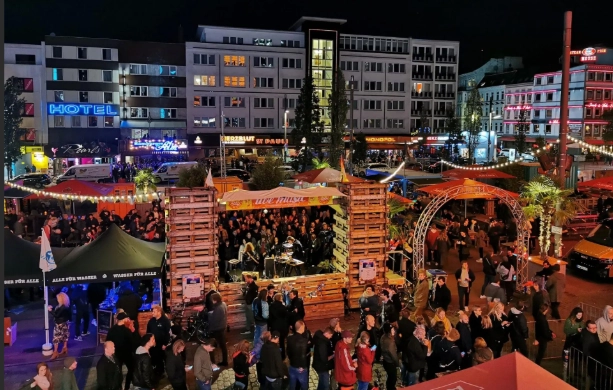
Food and drink are everywhere—from high-end festival pop-ups to the classic 3 AM currywurst stand. Don't sleep on the Portuguese restaurants in the side streets of St. Pauli for a proper sit-down meal. And yes, the beer is expensive, but it's Hamburg. It's part of the deal.
Safety-wise, it's a generally safe but very busy and sometimes rowdy area. Standard big-city rules apply: watch your belongings in crowds, stick with friends at night, and be aware of your surroundings. The festival has a good security and awareness team presence.
Answering Your Burning Questions (The FAQ)
The Final Word: Is It Worth It?
Look, the Reeperbahn Festival Hamburg isn't a polished, comfortable experience. It can be overwhelming, loud, expensive, and logistically frustrating. Some venues are too crowded. Some sound mixes are bad. You will have moments of "why am I doing this?"
But.
It is also one of the most genuinely exciting, forward-looking cultural events in Europe. The raw energy of a city neighborhood transforming into a playground for discovery is infectious. You're not a passive consumer; you're an explorer. The thrill of finding a band that speaks directly to you in a room of 50 people, the surprise of a powerful art piece in a back alley, the insight from a random conversation with a stranger from another country—that's the real product.
It's not for everyone. But if the idea of a deep, immersive, slightly chaotic dive into the next wave of music and culture gets your heart racing, then you already have your answer. Just remember the good shoes.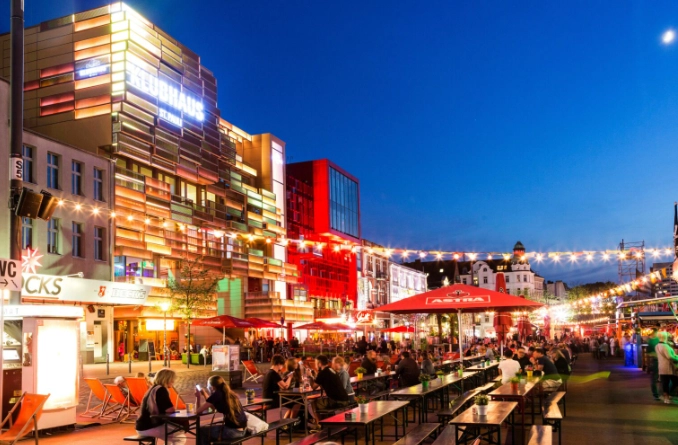
See you in the crowd.