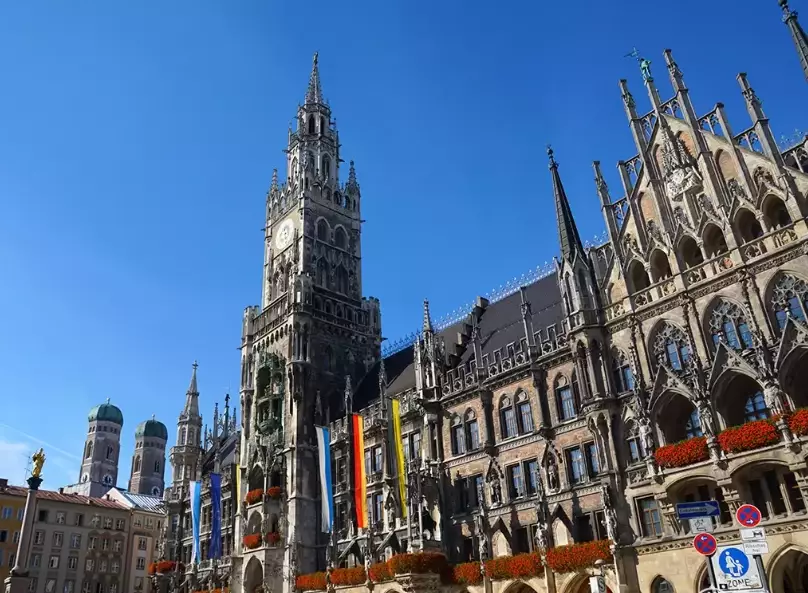
Forget the guidebooks that just list cities. A road trip through West Germany is about the space between them—the river valleys you wind through, the forest roads that smell of pine, and the half-timbered villages that appear around a bend when you least expect it. I’ve driven these routes more times than I can count, both as a wide-eyed tourist and later as a resident. The classic Rhineland route is stunning, but it’s also packed. This guide will get you to the famous spots efficiently and, more importantly, show you how to escape the crowds and find the Germany you actually dreamed of.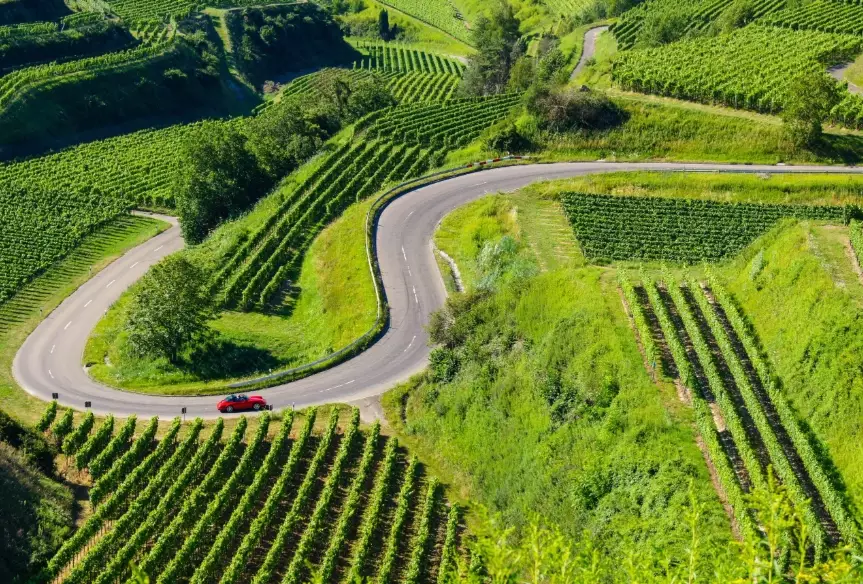
Your Road Trip Navigation
- Why Choose West Germany for a Road Trip?
- The Classic 7-Day West Germany Road Trip Itinerary
- Driving in Germany: Rules, Tips & Rental Advice
- Where to Stay: Accommodation for Every Budget
- Beyond the Rhine: Hidden Gems Most Itineraries Miss
- Fueling Your Journey: Must-Try Food & Drink
- Your West Germany Road Trip Questions Answered
Why Choose West Germany for a Road Trip?
Centralized tourism often focuses on Berlin or Bavaria. West Germany offers a more layered, historical, and geographically diverse experience. You get the dramatic Gothic cathedrals of the Rhineland, the intellectual buzz of university towns like Heidelberg, the sprawling vineyards of the Mosel Valley (which I argue are more intimate than the Rhine's), and the deep, mysterious woods of the Black Forest. The road infrastructure is impeccable—well-signed, maintained, and flanked by rest stops (Raststätte) that are often surprisingly good. It's a region built for exploration by car.
The Classic 7-Day West Germany Road Trip Itinerary
This loop starts and ends in Frankfurt, a major transport hub, and balances iconic stops with driving time that feels like part of the adventure, not a chore.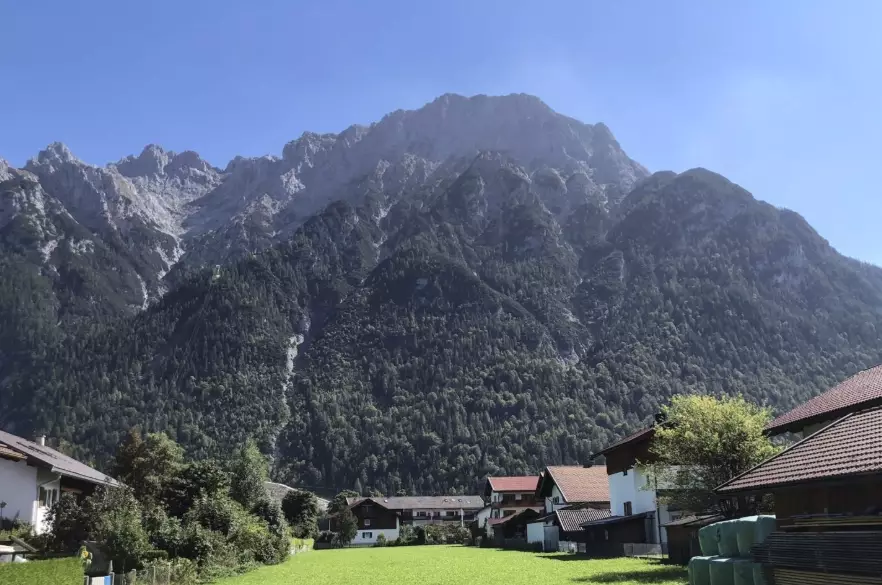
Day 1: Frankfurt to Cologne (Cologne)
Pick up your rental at Frankfurt Airport (FRA) and hit the A3. Don't linger in Frankfurt; the goal is Cologne by afternoon. Head straight to the Kölner Dom (Cologne Cathedral). Address: Domkloster 4, 50667 Köln. It's free to enter, but the South Tower climb costs €6 (open 9 am–6 pm daily). Park at the "Domgarage" or a Park & Ride like "Köln Messe/Deutz" and take the train over the river. Spend the evening in the Altstadt near the Rhine. Try Früh am Dom for a classic Kölsch beer.
Day 2: The Romantic Rhine Valley
Drive south on the B9, the road on the Rhine's left bank. Your mission is the stretch between Bingen and Koblenz. Don't just drive—get out. Park in Bacharach (a perfect medieval town) or St. Goar (home of the ruinous Rheinfels Castle). Take one of the frequent ferries across the river to experience both sides. The Loreley Rock viewpoint is on the right bank. For a castle visit, skip the crowded Marksburg unless you're a superfan. Instead, consider Burg Rheinstein near Trechtingshausen for its manageable size and great views. Overnight in a family-run hotel in Boppard or Rüdesheim.
Day 3: Mosel Valley Detour to Trier
From Koblenz, where the Mosel meets the Rhine, turn onto the B49 and follow the Mosel River. This valley is tighter, more winding, and feels older than the Rhine. Stop in Cochem for its fairytale Reichsburg Castle (tours required, €8, check times online). Continue to Trier, Germany's oldest city. See the massive Porta Nigra Roman gate (exterior is free) and the Roman baths ruins. The drive is slow but spectacular. Overnight in Trier.
Day 4: Trier to Heidelberg via the Pfalz Forest
Take the A62/A6 east. Consider a brief detour into the Pfalz (Palatinate) Forest, a huge biosphere reserve, for a short hike or just a coffee in a quiet town like Annweiler. Your destination is Heidelberg. Park at a garage like "Parkhaus am Schloss" and take the funicular up to the Heidelberg Castle (Schloss Heidelberg). The courtyard view is worth the trip, and you can decide if you want to pay for the full tour (€9 for courtyard, pharmacy museum, and giant wine barrel). Wander the Philosopher's Walk across the river at sunset.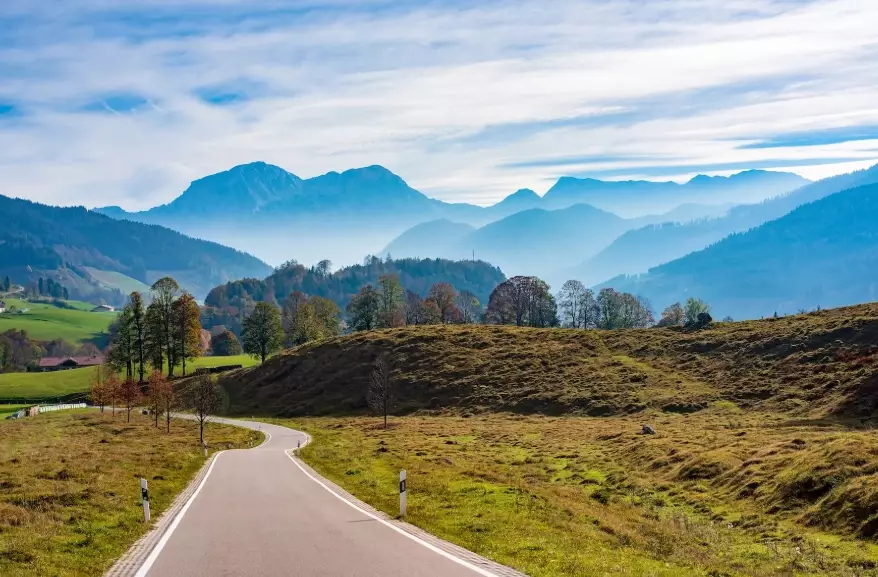
Day 5: Heidelberg to Baden-Baden & The Black Forest Gate
A short drive south on the A5 brings you to the spa town of Baden-Baden. Stroll the Lichtentaler Allee park. Then, enter the Black Forest via the B500 Schwarzwaldhochstraße (Black Forest High Road). This is driving for the sake of driving—sweeping curves, dense fir forests, and lookout points like the Mummelsee lake. Don't rush. Overnight in a traditional guesthouse in Baiersbronn or Freudenstadt.
Day 6: Deep into the Black Forest
Explore the heart of the forest. Drive to Triberg for Germany's highest waterfalls (€8.50) and the world's largest cuckoo clocks (touristy but fun). Then, head to the Open-Air Museum Vogtsbauernhof in Gutach (€12, open 9 am–6 pm). It's a brilliant collection of historic farmhouses that explains the region's architecture and life. For dinner, you must have Black Forest Cake (Schwarzwälder Kirschtorte). Try Café Schäfer in Triberg, which claims to be the original.
Day 7: Return to Frankfurt via the Rhine
The drive from the Black Forest back to Frankfurt Airport takes about 2 hours on the A5. Drop your car at the airport rental center. Make sure to refuel on the autobahn before the airport turn-off, as airport fuel stations are notoriously expensive.
Driving in Germany: Rules, Tips & Rental Advice
Most of the anxiety around driving here is unfounded. The rules are logical, but a few are critical.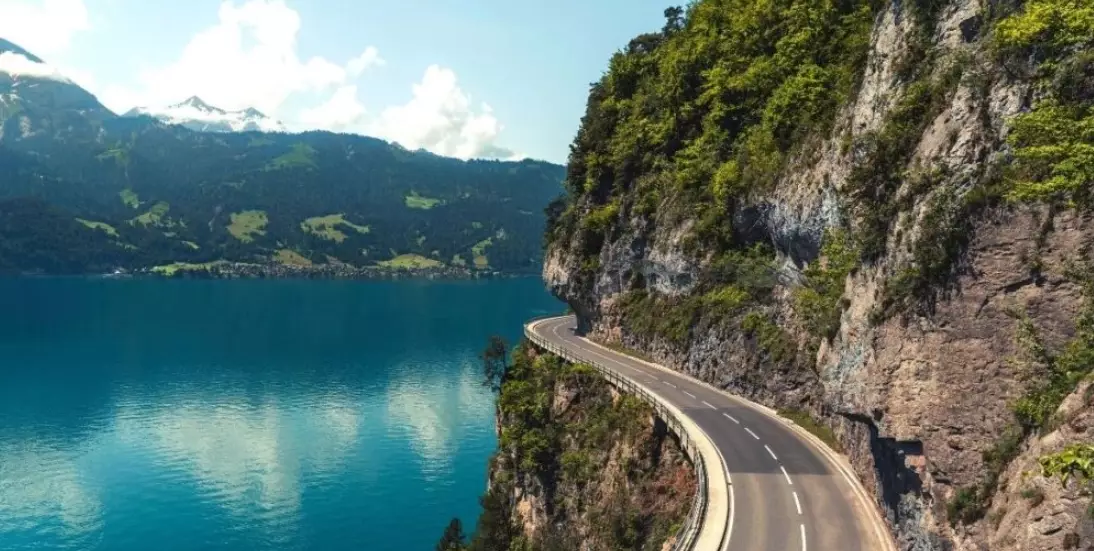
The Right Turn Rule: This is the single biggest mistake tourists make. When turning right at a red light, you must come to a complete stop and yield to pedestrians, cyclists, and cross traffic. There's a small, square sign with a green arrow pointing right that permits the turn. If that sign isn't there, you cannot turn on red. Period. I've seen so many near-misses.
Speed Limits: Autobahns often have no limit, but don't assume. Sections, especially near cities and construction zones, have posted limits (120, 100, 80 km/h). These are enforced by camera. The rule is: if you see a sign, obey it. On country roads (Bundesstraßen), the default is 100 km/h unless marked.
Rental Advice: Book an automatic if you're not comfortable with manual. Specify a small to mid-size car—German streets and parking spaces are smaller than in North America. You must have your passport, driver's license (a US/Canadian one is fine for up to 6 months), and a credit card in the primary driver's name. Get the full insurance (Collision Damage Waiver/CDW with zero excess). It's worth the peace of mind for stone chips and minor dings in tight parking garages.
Where to Stay: Accommodation for Every Budget
Chain hotels are reliable, but you're on a road trip. Seek out character.
| Type | What to Expect | Average Nightly Price (for 2) | Best For |
|---|---|---|---|
| Gasthof / Pension | Family-run inns, often with a restaurant. Simple, clean rooms, hearty breakfast included. Found in small towns. | €70 - €100 | Authenticity, local tips, value. |
| Ferienwohnung | Self-catering holiday apartments. Usually a minimum 2-night stay. Full kitchen, more space. | €80 - €120 | Families, longer stays, saving on meals. |
| Design Hotel / Boutique | In cities like Cologne or Heidelberg. Modern style, good locations, amenities. | €120 - €200 | Couples, urban stops, design lovers. |
| Romantik Hotel | A historic association of hotels. Often in castles, manor houses, or historic buildings. High service, fine dining. | €150 - €300+ | Splurges, special occasions, unforgettable settings. |
Book directly with the hotel for the best rates and to ask about parking. Always confirm parking availability and cost—it can add €15-€25 per night in cities.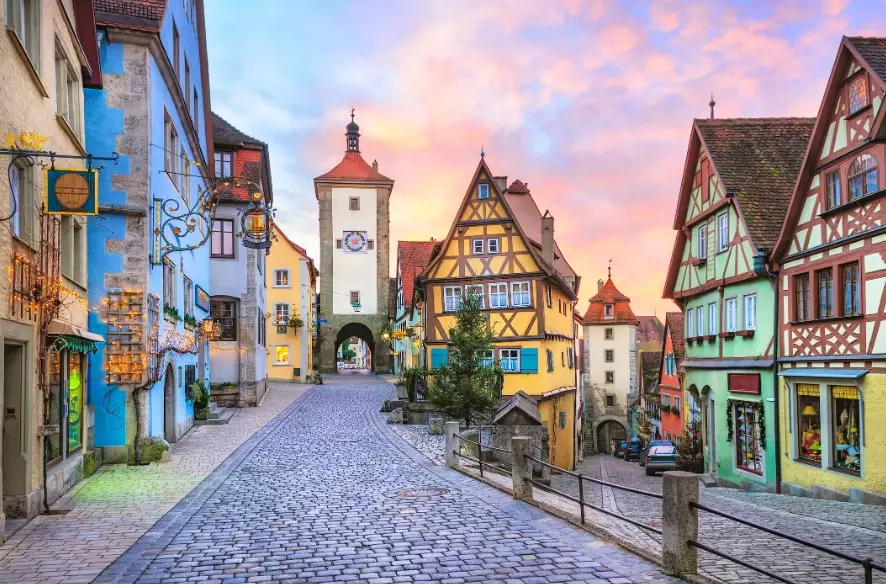
Beyond the Rhine: Hidden Gems Most Itineraries Miss
If you have an extra day or two, swap it for one of these.
Burg Eltz (Eltz Castle): This is the castle you imagine. Nestled in a hidden valley, still owned by the same family for 850 years. It's not on the Rhine, but near the Mosel. You park and walk 15 minutes through the woods to reach it. Far more atmospheric than the riverfront castles. Check opening times as they vary by season.
Speyer's Technical Museum: In the underrated city of Speyer. It has a Lufthansa 747 you can walk onto, a Russian space shuttle (the Buran), submarines, and vintage cars. A fantastic rainy-day or family stop. Address: Am Technik Museum 1, 67346 Speyer. Tickets around €18.
The Ahr Valley: Germany's red wine region, just west of the Rhine. It was hit by floods in 2021 but has rebuilt with resilience. The landscape is dramatic, the wines (Pinot Noir, aka Spätburgunder) are excellent, and the wine taverns (Straußwirtschaften) are cozy. It feels like a secret compared to the Mosel.
Fueling Your Journey: Must-Try Food & Drink
This isn't just sustenance; it's part of the culture.
At a Gasthof: Order Schnitzel (pork or veal cutlet, breaded and fried), Schweinebraten (roast pork) with dumplings and red cabbage, or Flammkuchen (a thin, crispy Alsatian-style pizza with crème fraîche, onions, and bacon).
Street Food & Snacks: Grab a Currywurst (sausage with curry ketchup) at a stand. In Cologne, you drink Kölsch (a light, top-fermented beer) in small 0.2L glasses. In the Rhineland-Pfalz region, try a Schorle—apple or wine juice mixed with sparkling water.
Wine Tasting: In the Mosel or Ahr valleys, look for signs saying "Weinprobe" or "Weingut." You can often just walk into a winery (Weingut) and ask to taste a few wines. Buying a bottle is customary if you do a full tasting. For a reliable spot on the Mosel, try Weingut Dr. Pauly-Bergweiler in Bernkastel-Kues. They have excellent Rieslings and English-speaking staff.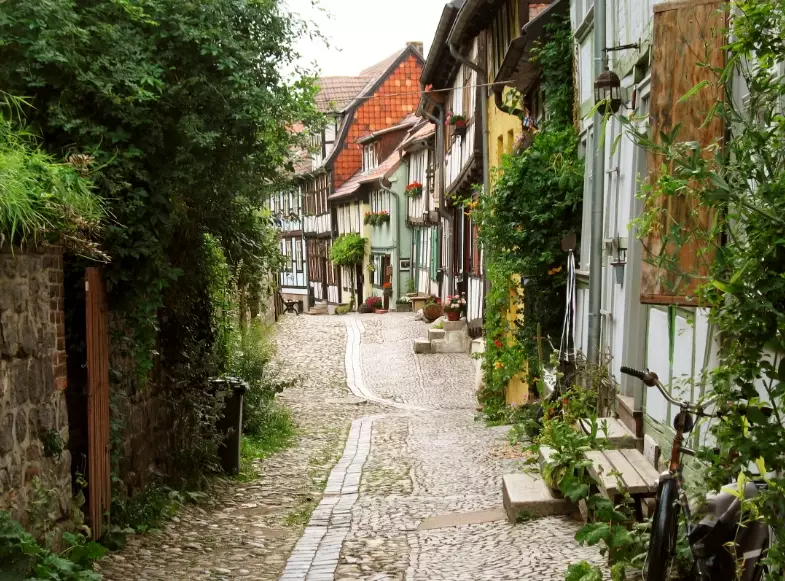
Your West Germany Road Trip Questions Answered
Is a West Germany road trip suitable for families with young children?
Absolutely, but structure it differently. Kids burn out on cathedral and castle tours. Balance cultural stops with active ones. The Open-Air Museum in Gutach is a hit, as is the Technik Museum in Speyer. Plan shorter driving stints (max 2 hours between stops). Book Ferienwohnungen with space to play, and look for hotels with pools. Pack plenty of snacks—German bakeries are your best friend for fresh pretzels and rolls.
What's the one thing most people forget to pack for this trip?
Comfortable walking shoes with good grip. You'll be walking on cobblestones, castle paths, and forest trails. Slick soles are a hazard. Also, a reusable water bottle. Tap water (Leitungswasser) is safe and excellent everywhere, and you can refill for free. Germans rarely serve tap water in restaurants, so having your own saves money and plastic.
 How do I handle tolls and vignettes on West German roads?
Here's the good news: There are no tolls for passenger cars on German autobahns or highways. Your cost is fuel and parking. However, if your route takes you into Austria (for example, to see Neuschwanstein from the Black Forest), you will need to buy a digital or physical Vignette (toll sticker) for their motorways. You can buy these at border gas stations or online in advance. For West Germany-only trips, you don't need to worry about it.
Can I do this trip in the winter?
You can, but it's a different experience. Christmas markets in Cologne, Heidelberg, and Baden-Baden are magical. However, many castles and outdoor attractions have reduced hours or are closed from November to March. Driving requires caution for potential ice and snow—winter tires are legally required in wintry conditions (the rule is "O bis O"—October to Easter). The Black Forest is beautiful under snow but some high roads may close. I'd recommend winter for a city-and-market-focused trip, and spring to autumn for the full scenic driving experience.