Quick Guide Highlights
- The Backbone: Why German Beer Has Such a Big Reputation
- Breaking Down the Styles: The Real Answer to "What is Germany's Famous Beer?"
- The Hall of Fame: Famous German Beer Brands You Need to Know
- Beyond the Big Names: Regional Gems and What to Try Next
- How to Choose Your Perfect German Beer: A Decision Guide
- Common Questions About German Beer (Answered)
So, you're asking, "What is Germany's famous beer?" That's like asking what's a famous painting in the Louvre – there are just too many masterpieces to name just one. Germany's beer culture isn't about a single superstar; it's a whole galaxy of incredible brews, each with its own history, personality, and region shouting its name. I remember my first trip to Munich, walking into a beer garden and being handed a menu that was more confusing than a calculus textbook. Helles? Dunkel? Weizen? Pils? It was overwhelming.
This guide is here to cut through that noise. We won't just throw a list of names at you. We'll dig into what makes German beer special, from the ancient rules that govern it to the specific styles that have conquered the world. We'll talk about the legendary breweries, the underrated gems, and yes, we'll definitely answer what is Germany's famous beer by giving you a proper rundown of the top contenders. Think of me as your beer-savvy friend who's made all the tasting mistakes so you don't have to.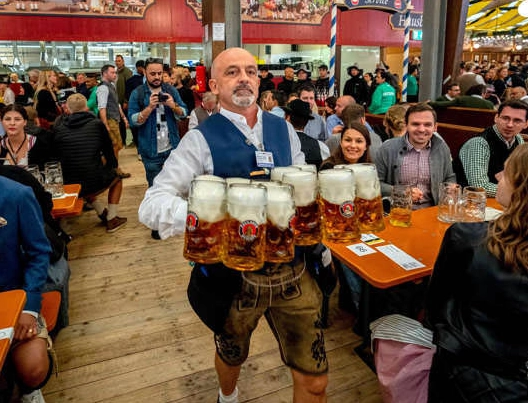
Quick Fact: Germany has over 1,500 breweries, more than any other country in the world. That's a lot of options, which is why the question "what is Germany's famous beer?" has layers.
The Backbone: Why German Beer Has Such a Big Reputation
You can't just start listing beers without understanding why they're held in such high esteem. It's not an accident. The reputation is built on a foundation of law, tradition, and regional pride that's pretty unique.
First, let's talk about the Reinheitsgebot, the German Beer Purity Law. Instituted in 1516 in Bavaria (and later adopted nationwide), it originally stated that beer could only be made from three ingredients: water, barley, and hops. Yeast wasn't included because they didn't know it existed yet! The modern version allows for yeast, malted barley, hops, and water. This law isn't just a historical footnote; it's a living regulation. Beers sold in Germany as "bier" must comply. This forced incredible creativity within strict boundaries, leading to a focus on ingredient quality and technical brewing mastery rather than throwing in random flavors. Some argue it limits innovation, but it's the reason for that clean, precise taste profile German beer is known for. You can read more about its history and current status on the official German Brewers' Federation website.
Then there's the regionality. Germany isn't a monolith. Bavaria in the south is a powerhouse, famous for its wheat beers (Weizen) and rich, malty lagers. Head west to Cologne (Köln), and you're in the kingdom of Kölsch, a light, crisp ale served in skinny glasses. Go north, and the bitter, hoppy Pilsner from places like Bitburg or Jever reigns supreme. Asking "what is Germany's famous beer?" depends heavily on which German you ask and where they're from. The local pride is immense. A Franconian will swear by their rustic, unfiltered Kellerbier, while a Berliner might reach for a tart, low-alcohol Berliner Weisse with a splash of syrup.
Here's my take: The Reinheitsgebot is a double-edged sword. It guarantees a baseline of quality and tradition that's comforting. You know you're not getting a beer loaded with artificial flavors. But, I've also had some fantastically creative craft beers from the US or Belgium that break all those rules and are delicious. The German approach is about perfecting the classics, and honestly, they've pretty much done it.
Breaking Down the Styles: The Real Answer to "What is Germany's Famous Beer?"
Okay, let's get to the meat of it. Instead of one famous beer, Germany has several famous *styles*. Once you know the styles, the famous brands within them make a lot more sense.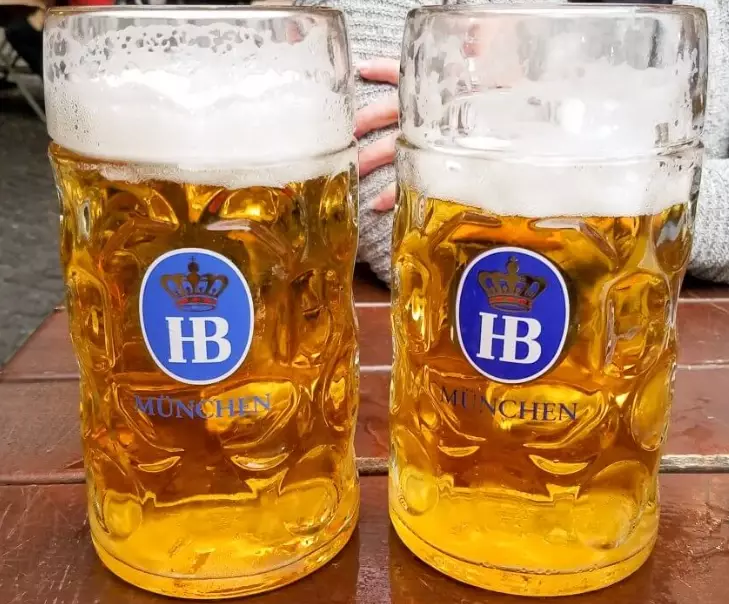
Pilsner (or Pils)
The king of German beer in terms of sheer volume consumed. It's a pale lager, but don't confuse it with bland international pale lagers. A true German Pilsner is brilliantly clear, straw to golden in color, with a pronounced, spicy, floral hop bitterness (from noble hops like Hallertau or Tettnang) and a clean, dry finish. It's crisp, refreshing, and has bite. If you think you don't like "bitter" beer, a good Pils might change your mind. It's the ultimate thirst-quencher.
Weizenbier (Wheat Beer)
This is Bavaria's gift to the world. Brewed with a large proportion of wheat malt (at least 50%), it's often cloudy (Hefeweizen means "yeast wheat") because it's unfiltered, leaving the yeast in the bottle. The flavor profile is totally different from Pilsner: think bananas, cloves, bubblegum, and sometimes a touch of vanilla, all from the special yeast strain used. It's fruity, spicy, effervescent, and usually has a big, fluffy white head. The filtered version is called Kristallweizen. This is probably the style most people picture when they first wonder, what is Germany's famous beer? after seeing a tall, curvy glass with a lemon wedge (though purists frown on the lemon).
Helles
"Helles" means "pale" or "bright." This is the everyday, sessionable lager of Bavaria. Less hoppy and bitter than a Pilsner, it's more focused on a soft, bready, slightly sweet malt character. It's golden, clear, and incredibly smooth. It's not trying to knock your socks off with bitterness or yeast flavors; it's just perfectly balanced, easy-drinking, and delicious. It's the beer you can drink liters of in a beer garden without thinking too hard about it.
Dunkel
"Dunkel" means "dark." This is a Munich-style dark lager. Don't think stout or porter—it's not roasty or heavy. Dunkel is all about Munich malt, which gives flavors of chocolate, bread crust, nuts, and a gentle caramel sweetness. It's smooth, malty, and surprisingly drinkable for a dark beer. It's like the comforting, toasted cousin of the Helles.
Kölsch
The pride of Cologne. Legally, only beers brewed in and around Cologne can be called Kölsch. It's a top-fermented ale (like British ales), but it's then aged at cold temperatures like a lager, making it a hybrid. The result is a pale, super-clear, delicate beer with a subtle fruitiness and a very dry, crisp finish. It's served in a tall, thin 0.2-liter glass called a "Stange" to keep it cold and fresh. It's insanely refreshing and dangerously easy to drink.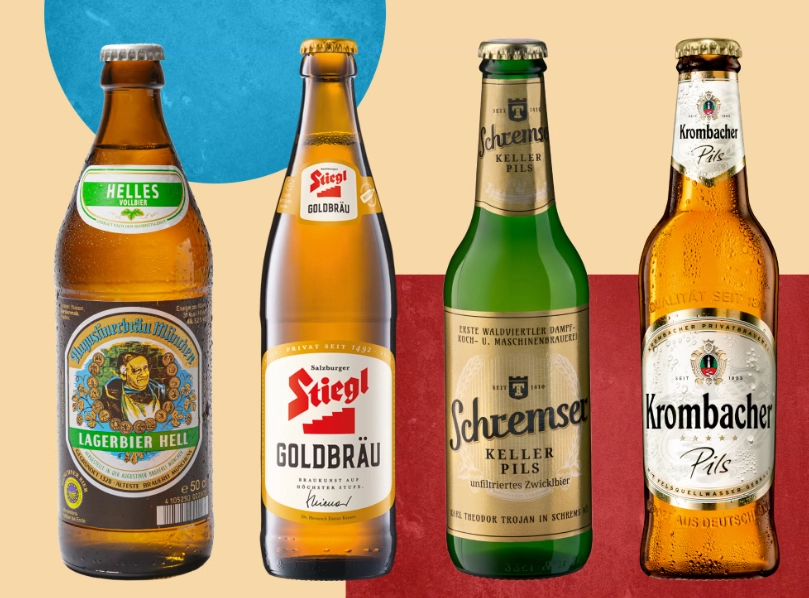
Altbier
"Alt" means "old," referring to the old, top-fermenting style. This is the signature beer of Düsseldorf, the rival city to Cologne. It's a copper or brown ale, with a more robust malt character than Kölsch, often with a toasty, nutty quality, balanced by a firm, clean hop bitterness. It's smoother and maltier than a Pils but cleaner and drier than a British brown ale.
See what I mean? The question "what is Germany's famous beer?" immediately splinters into a dozen more specific and delicious questions.
The Hall of Fame: Famous German Beer Brands You Need to Know
Now, let's attach some legendary names to those styles. Here’s a table breaking down some of the most famous German beer brands, their style, and what makes them stand out. This is the practical list you came for.
| Brand Name | Core Style | Home Region/City | Key Characteristics & Why It's Famous |
|---|---|---|---|
| Weihenstephaner | Hefeweissbier (Wheat Beer) | Freising, Bavaria | Brewed by the Weihenstephan Brewery, which holds the official title of the world's oldest continuously operating brewery (founded 1040!). Their Hefe is considered the gold standard – perfectly balanced banana and clove notes, creamy mouthfeel. A true benchmark. |
| Bitburger | Pilsner | Bitburg, Rhineland-Palatinate | One of Germany's best-selling Pilsners. Famous for its slogan "Bitte ein Bit" ("A Bit, please"). It's a classic, crisp, and bitter Pils with a prominent hop aroma. It defines the style for many. |
| Paulaner | Hefeweizen / Salvator (Doppelbock) | Munich, Bavaria | A Munich giant. Their Hefeweizen is ubiquitous and excellent. They're also famous for Salvator, the original and namesake of the "ator" Doppelbock style—a strong, malty, dark lager with notes of dark fruit and bread. |
| Augustiner-Bräu | Helles Lager | Munich, Bavaria | Many Munich locals' favorite. Still brewed in wooden barrels (for lagering), which some believe gives a smoother taste. Their Augustiner Helles is the epitome of a drinkable, malty, session lager. Less marketing, more tradition. |
| Krombacher | Pilsner | Kreuztal, North Rhine-Westphalia | Germany's top-selling beer brand by volume. Their Pils is slightly softer and less aggressively hoppy than Bitburger, making it hugely popular and accessible. It's the reliable, always-available choice. |
| Erdinger | Hefeweizen | Erding, Bavaria | The world's best-selling wheat beer. Known for its consistent quality and wide availability. Their Erdinger Weissbier is a textbook example—cloudy, spicy, fruity, and refreshing. They also make a great Dunkel Weizen. |
| Radeberger | Pilsner | Radeberg, Saxony | Germany's first exclusive Pilsner brewery (founded 1872). A classic Eastern German Pils, known for its dry, crisp, and very clean taste with a solid bitter finish. It has a noble, historic feel to it. |
| Ayinger | Various (Celebrator Doppelbock) | Aying, Bavaria | A family-owned brewery producing arguably the best Doppelbock in the world: Ayinger Celebrator. Dark, rich, complex with flavors of chocolate, raisins, and molasses, yet remarkably smooth. A sipping beer of the highest order. |
| Früh | Kölsch | Cologne, North Rhine-Westphalia | One of the big names in Kölsch, served in their huge beer hall in Cologne. A light, delicate, and supremely drinkable example of the style. It's the taste of Cologne for millions of visitors. |
| Schneider Weisse | Weizen (especially dark/tap series) | Kelheim, Bavaria | While famous for its original wheat beer, Schneider is a wizard with special releases. Their Tap series (like Tap 6 Unser Aventinus, a Weizen Doppelbock) are complex, strong, and world-class. A brewer's brewery. |
Looking at that list, you start to get a real picture. What is Germany's famous beer? It's Weihenstephaner's timeless Hefe, Bitburger's sharp Pils, and Augustiner's comforting Helles, all at once. It's about context.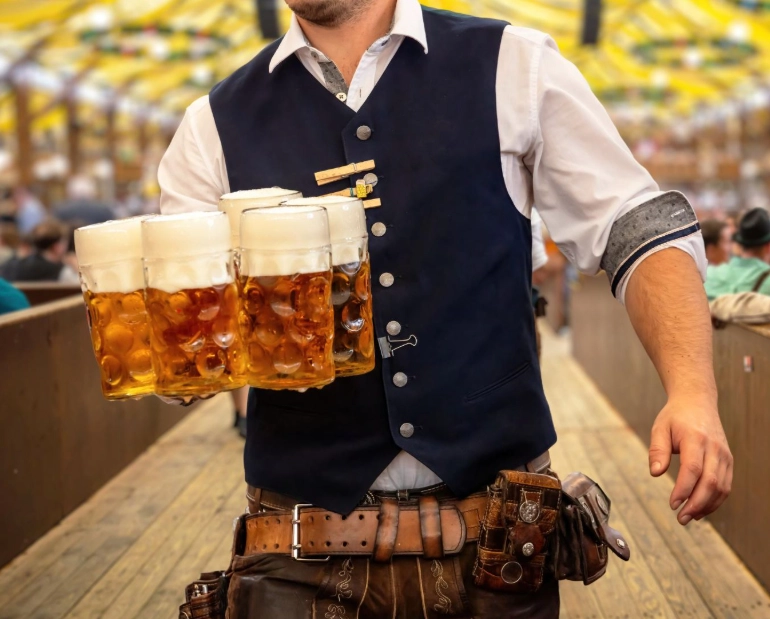
Personal Anecdote: I once did a blind taste test of five German Pilsners with friends. Bitburger won for its classic hoppy bite, but Radeberger was a close second for its cleanness. Krombacher came in last for us—we found it a bit too bland and watery, lacking personality. It just goes to show, even among the most famous, your palate will have preferences!
Beyond the Big Names: Regional Gems and What to Try Next
If you just stick to the top-selling brands, you're missing a huge part of the story. Germany's beer soul is often in its smaller, regional breweries. Here’s where to look once you've tried the classics.
In Franconia (northern Bavaria), especially around Bamberg, you find a density of breweries unlike anywhere else. They specialize in Kellerbier or Zwickelbier – unfiltered, unpasteurized lagers that are often served directly from the cellar tap. They're cloudy, yeasty, fresh, and have a rustic, bready flavor. They're not always pretty, but they're bursting with character. Then there's Rauchbier (smoked beer) from Bamberg, most famously from Schlenkerla. It tastes like drinking a campfire in the best way possible—smoky, bacon-like, and unique. It's an acquired taste, but a must-try for the adventurous.
Berliner Weisse is Berlin's famous sour wheat beer. It's low in alcohol (often around 3%), tart, and fizzy. Traditionally, it's served with a shot of sweet syrup (Himbeere/raspberry or Waldmeister/woodruff) to cut the sourness. It's a fantastic summer refresher.
The Bock family is another deep dive. Strong lagers, originally from Einbeck. You have Maibock (pale, hoppier, for spring), Doppelbock (dark, strong, malty, for winter – names often end in "-ator"), and Eisbock (a Doppelbock that's partially frozen to concentrate flavor and alcohol). These are sipping beers, full of rich, malty depth.
So when someone asks, what is Germany's famous beer? you can now say, "Well, do you want the nationally famous one, or the regionally famous one that might blow your mind?"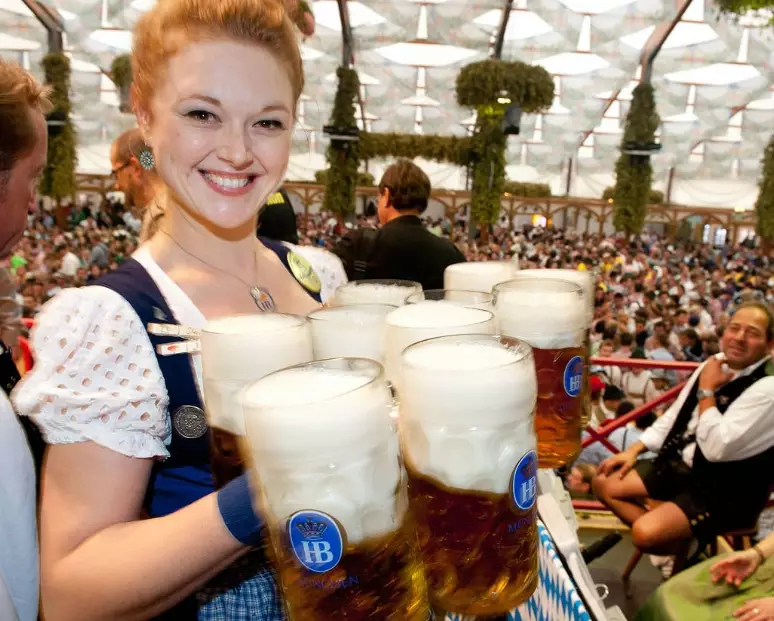
How to Choose Your Perfect German Beer: A Decision Guide
All this info is great, but how do you pick one off a shelf or a menu? Let's make it simple.
- What's the weather/occasion? Hot day? Go for a crisp Pilsner, a refreshing Kölsch, or a tart Berliner Weisse. Hearty meal or cold night? A malty Dunkel, a rich Doppelbock, or a smoky Rauchbier will stand up to it. Casual, all-day drinking? A Helles or a Hefeweizen is perfect.
- What flavors do you generally like? Fruity & spicy? Hefeweizen. Bitter & dry? German Pilsner. Toasty & nutty? Dunkel or Altbier. Sweet & strong? Doppelbock. Sour? Berliner Weisse.
- Do you want clear or cloudy? For crystal clarity, choose a Pils, Helles, or Kölsch. For a cloudy, yeasty experience, go for Hefeweizen or Kellerbier.
My personal strategy? When in doubt at a German restaurant, ask for the house Helles or the house Pils. It's usually a solid, fresh choice. If they have a beer from a local brewery you've never heard of, try it. That's often where the magic is.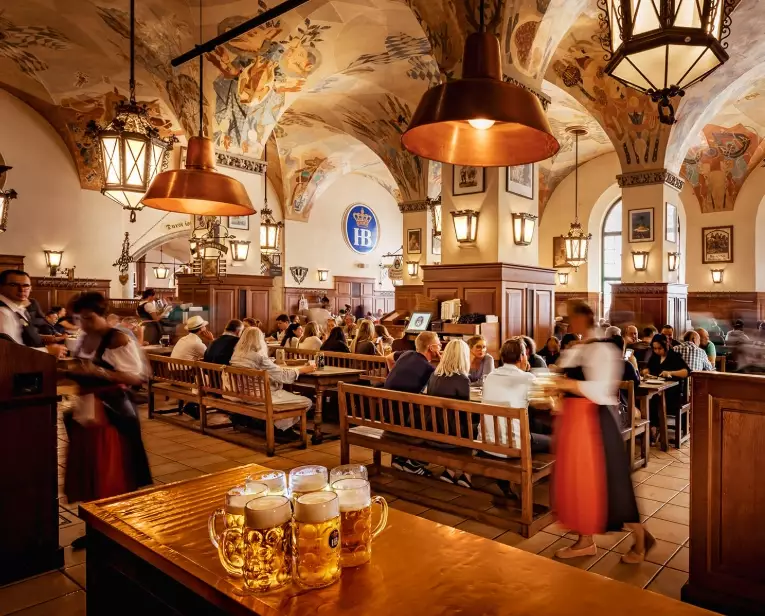
Common Questions About German Beer (Answered)
Is all German beer made according to the Reinheitsgebot?
Most of it is, especially from the large, traditional breweries. Beers labeled simply as "Bier" in Germany must comply. However, there are exceptions for certain styles (like Berliner Weisse, which may contain sugar syrup after fermentation) and for beers specifically for export. Also, the modern German craft beer scene is beginning to experiment beyond the rules, but these are still a small niche. For verification, the German Brewers' Federation page on the Purity Law details the legal specifics.
What is the strongest German beer?
This title often changes with extreme brews, but among widely recognized styles, Eisbock is the strongest. By freezing the beer and removing ice (water), the alcohol and flavor are concentrated. Schorschbräu and others have made ultra-strong versions, but a classic like Aventinus Eisbock (from Schneider) sits around 12% ABV and is a masterpiece of balanced strength. Doppelbocks also range from 7% to 9% ABV.
What is the difference between German and Czech Pilsner?
Great question. They're siblings. The Czech original, Pilsner Urquell, is a bit softer, with a more rounded malt character (a touch of sweetness) and a distinctive, complex, earthy/spicy hop bitterness from Saaz hops. The German interpretation, like Bitburger, tends to be drier, crisper, and has a sharper, more floral/herbal hop bite from German noble hops. Both are brilliant, just different expressions.
Why is German beer served in so many different glasses?
It's not just for show. The glass is part of the experience. The thin Stange for Kölsch keeps it cold and promotes frequent, fresh pours. The tall, curvaceous Weizen glass showcases the cloudy color and supports the massive, fluffy head that traps the beer's aromatic compounds. The heavy, dimpled Maßkrug (liter mug) for Oktoberfest beers is sturdy and retains temperature. Each glass is designed to enhance the drinking characteristics of that specific beer.
Is Oktoberfest beer a special style?
Yes and no. The beer served at the official Munich Oktoberfest is called Oktoberfestbier (or Wiesnbier). By regulation, it must be brewed within Munich city limits. It's a specific type of lager—stronger than a standard Helles (around 6% ABV), amber-gold in color, with a rich, toasty malt profile and a clean finish. It's not a Märzen anymore (that's an older, darker style), but rather a strong, amber lager. Paulaner, Spaten, Augustiner, Hacker-Pschorr, Hofbräu, and Löwenbräu are the six official providers.
So, what is Germany's famous beer?
I hope you see now that it's a gateway question. It leads you into a world of regional pride, centuries-old rules, and an astonishing variety of flavors within a framework of stunning quality. The famous beer is the perfectly balanced Helles in a Munich beer garden. It's the spicy Hefeweizen in its elegant glass. It's the bitter Pils that cleanses your palate. It's the malty Doppelbock that warms a winter night.
The best way to answer the question for yourself is to start tasting. Pick a style that sounds good, find a classic brand from the list above, and pour it properly. Then try another. The journey is the best part. And when someone asks you, "What is Germany's famous beer?" you can smile and say, "Let me tell you a story..."