Your Hamburg Highlights
- The Heart of the Matter: The Port and Maritime History
- A City of Sound: Music, Musicals, and Football Chants
- What is Hamburg Famous For Eating? (Beyond the Fish Bun)
- Architecture and Green Spaces: The City's Contrasting Faces
- The Elephant in the Room: St. Pauli and the Reeperbahn
- Practical Hamburg: Making the Most of Your Visit
- Answering Your Questions: The Hamburg FAQ
So, you're asking yourself, what is Hamburg famous for? Is it just the port? The Beatles? Maybe you've heard whispers about a... let's say, lively nightlife district. If you're planning a trip or just curious, you've probably found a bunch of articles listing the same five things. They're not wrong, but they barely scratch the surface. Having spent a good amount of time there, I can tell you Hamburg's fame is layered, like a well-built sandwich (and yes, they do those well too). It's a city of contrasts – historic merchant wealth bumping against gritty port culture, serene lakes next to roaring entertainment hubs.
Let's get real. Most guides tell you about the Elbphilharmonie and Miniatur Wunderland (both absolutely worth it, don't get me wrong). But they often miss the why behind the fame. Why did the Beatles start here of all places? Why does the port define the city's soul, not just its economy? What's the deal with all the bridges, and is the food really just fish?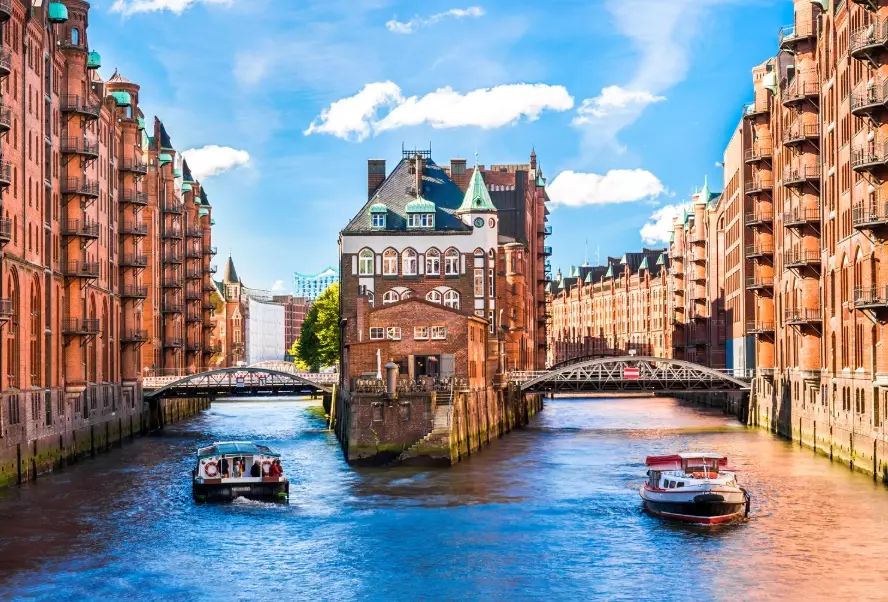
The Heart of the Matter: The Port and Maritime History
Any conversation about what Hamburg is known for has to start with the water. The Port of Hamburg isn't just a feature; it's the city's founding father, its economic engine, and its defining character. Forget dry facts about container volume. The port's influence is everywhere you look and feel.
Hamburg Harbor: More Than Just Cranes
Standing on the Landungsbrücken promenade, watching the massive container ships glide silently past, is humbling. It's a constant ballet of global trade. But the real magic, in my opinion, happens on a smaller scale. Take a harbor tour – it's non-negotiable. You'll see the old and new collide: historic sailing ships moored next to automated mega-terminals.
The official Hamburg tourism website has great options, but I often recommend just showing up and picking one of the smaller operators. They tend to have more character. You'll learn why Hamburg calls itself a "city-state," how it maintained its trading privileges for centuries, and you'll get up close to the mesmerizing Speicherstadt.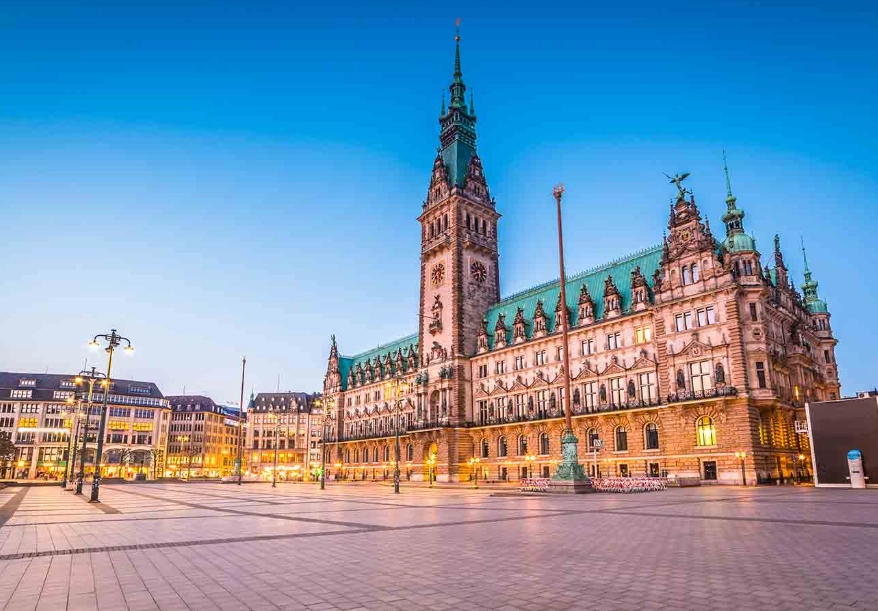
The Speicherstadt and Kontorhaus District: Red Brick Canals
The Speicherstadt, the world's largest historic warehouse complex, is a UNESCO World Heritage site and honestly, it's as cool as it sounds. Imagine miles of Neo-Gothic brick warehouses built on oak piles, crisscrossed by canals. It feels like a movie set. Originally built for storing coffee, spices, and carpets, the aroma of trade is almost still in the air. Today, many are museums or offices, but the architecture alone is worth the walk.
Right next door is the Kontorhaus district, home to the iconic Chilehaus, a building shaped like an ocean liner's bow. This whole area screams 1920s merchant power. It's a silent, imposing contrast to the bustling port just meters away.
Miniatur Wunderland: The Unexpected Crown Jewel
Now, here's something Hamburg is famous for that has nothing to do with its history, yet has become a top attraction: Miniatur Wunderland. I'll be honest, I rolled my eyes at the idea of a model railway museum. Then I went. I was dead wrong.
It's the largest of its kind in the world, and the detail is mind-boggling. It's not just trains. It's entire miniature worlds with day/night cycles, thousands of moving parts, and hilarious hidden scenes. You need to book tickets weeks in advance online. It's that popular. It perfectly represents a Hamburg trait: taking something technical and precise (model building) and infusing it with whimsy and storytelling.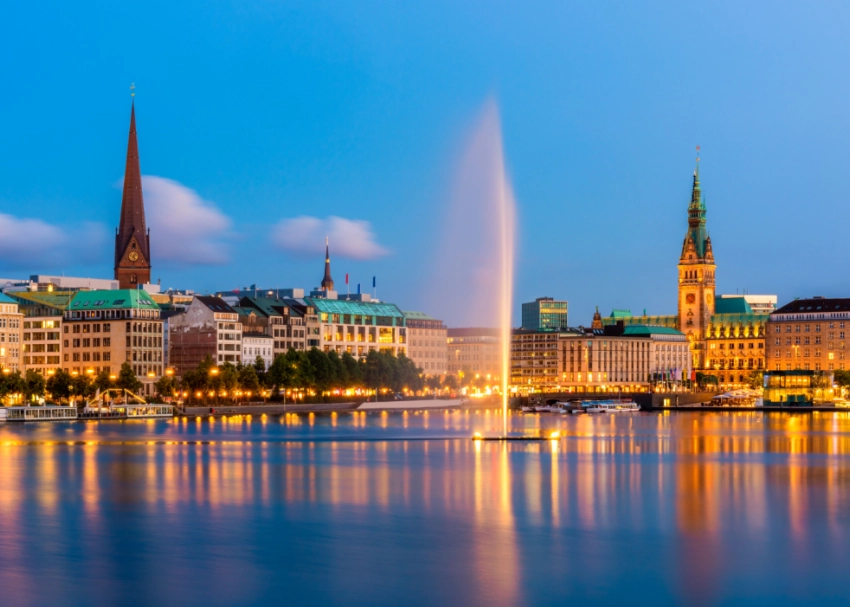
A City of Sound: Music, Musicals, and Football Chants
If you think Hamburg's cultural fame starts and ends with the Beatles' stint in the Indra Club, you're missing a huge part of the picture. The city has one of the richest musical landscapes in Europe.
The Classical Powerhouse: Elbphilharmonie Hamburg
The Elbphilharmonie, or "Elphi," is the city's modern architectural icon. That glass wave sitting atop an old brick warehouse is a statement. But it's not just a pretty face. The main concert hall's acoustics are considered among the best on the planet. Even if you're not a classical music buff, attending a concert here is an experience. The vibe is surprisingly un-stuffy.
You can also just go for the Plaza, the public viewing platform that wraps around the building. The view over the port and city is free, but you need a (free) timed ticket. Get one online via the Elbphilharmonie's official site. Pro tip: go for a sunset slot. Seeing the port lights come on is magical.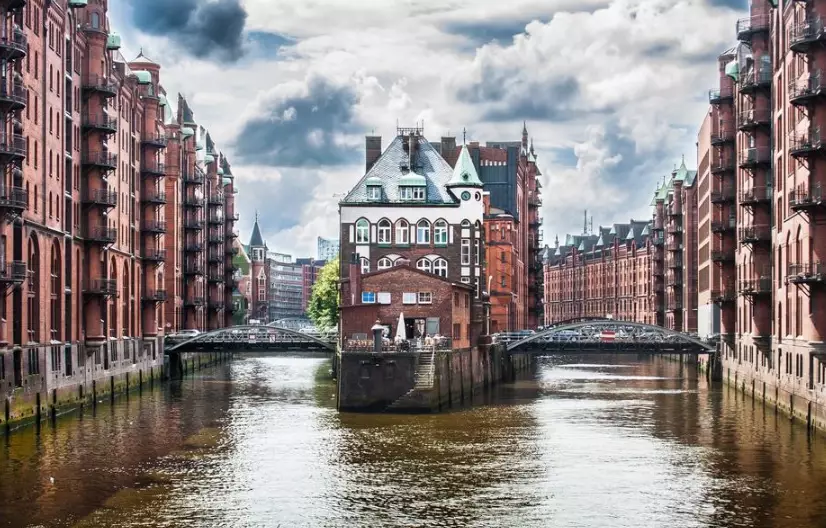
The Stage is Always On: Germany's Musical Capital
Broadway and the West End have a serious competitor. Hamburg is the musical capital of Germany. Shows like "The Lion King" or "Moulin Rouge!" run for years in massive, state-of-the-art theaters like the Stage Theater an der Elbe. The production values are insane. It's a whole industry here, which explains the depth of talent.
Football Faith: The Volksparkstadion
For a dose of raw, local passion, look no further than football. Hamburger SV, the city's historic club, has had a rough few years, which somehow made the fans even more fervent. A match at the Volksparkstadion is an event. The chants, the energy – it's a different side of Hamburg, far from the classical elegance of the Elphi. It's working-class, loyal, and loud.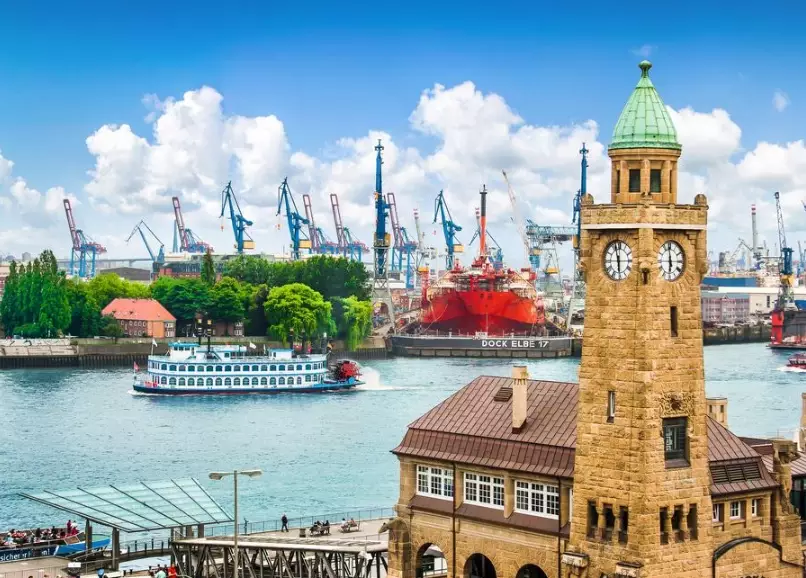
What is Hamburg Famous For Eating? (Beyond the Fish Bun)
Okay, let's talk food. Yes, Hamburg gave its name to the hamburger. The story goes that sailors from Hamburg brought the idea of minced beef patties to America. The modern fast-food burger? That's an American evolution. But the city's food scene is so much more.
The truth about what Hamburg is famous for food-wise is rooted in its port. It's hearty, simple, and designed to fill up sailors and dockworkers.
| Dish | What It Is | Where to Try It (Realistically) | My Take |
|---|---|---|---|
| Fischbrötchen | Herring (or other fish) with pickles and onions in a roll. | Any stall at the Fischmarkt or Landungsbrücken. | The quintessential snack. Messy, fresh, perfect by the water. Must-try. |
| Labskaus | A mash of corned beef, potatoes, beetroot, topped with a fried egg & rollmops. | Traditional taverns (e.g., in the Altstadt). | Looks... challenging. Tastes better than it looks! A true sailor's dish. Be adventurous. |
| Aalsuppe | "Eel soup," but often a sweet-and-sour soup with dried fruit, sometimes without eel. | Older, traditional restaurants. | Confusing but historic. The sweet-sour taste isn't for everyone (it wasn't for me). |
| Rote Grütze | Red berry compote, served with vanilla sauce or cream. | Any café or restaurant for dessert. | An absolute winner. Refreshing, not too sweet. The perfect end to a meal. |
The Beer Culture: Not Just Oktoberfest
Northern Germany has a proud beer tradition, and Hamburg is at its heart. This is the land of crisp, clean pilsners and malty lagers. Local breweries like Astra or Holsten are staples. In the summer, the beer gardens along the Elbe, like those in the Schanzenviertel or Övelgönne, are packed. It's a more relaxed, everyday drinking culture than the Bavarian festival vibe.
You'll also find a booming craft beer scene. Small breweries and taprooms are experimenting with all sorts of styles. It’s a fun contrast to the centuries-old traditions.
Architecture and Green Spaces: The City's Contrasting Faces
One of the most surprising answers to what is Hamburg famous for is its sheer amount of greenery and water. For a major port city, it's incredibly lush.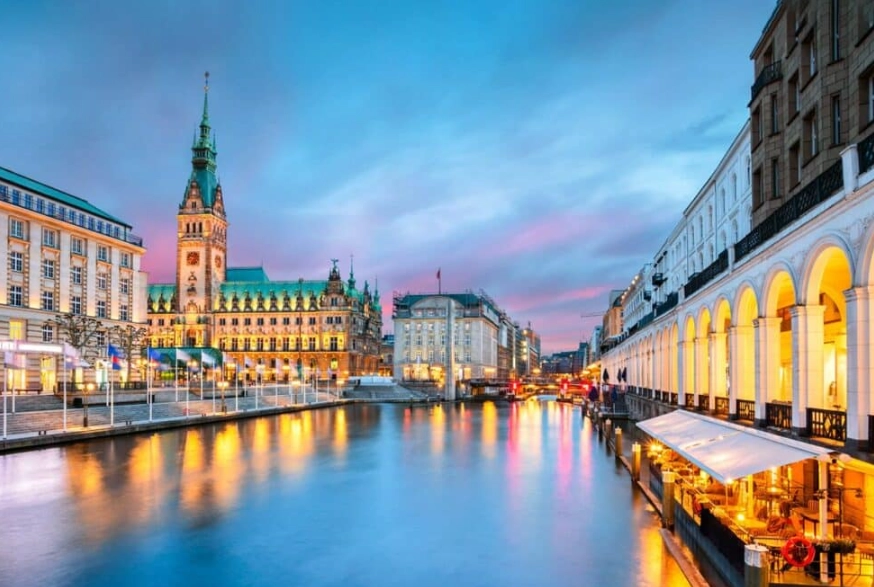
Alster Lakes: The City's Liquid Heart
The Binnenalster and Außenalster lakes, right in the city center, are Hamburg's playground. On a sunny day, they're dotted with sailboats, paddle-boarders, and people strolling the shores. You can take a tourist boat tour, or just rent a paddle boat for a goofy, fun hour. The view of the city skyline from the water, especially around the Jungfernstieg, is classic Hamburg.
Planten un Blomen & More
This park is a series of beautiful themed gardens – Japanese, rose, medicinal. It's peaceful and meticulously maintained. In summer, they have nightly water-light concerts at the park's lake. It's free and wonderfully cheesy in the best way. For something wilder, the Stadtpark is massive, with a planetarium, open-air pools, and huge fields where locals barbecue.
The architecture swings from the ornate, gold-covered splendour of the Rathaus (City Hall), which has more rooms than Buckingham Palace, to the ultra-modern glass of the HafenCity district. Walking from the Rathausmarkt to the Elbphilharmonie is a journey through 150 years of architectural ambition.
The Elephant in the Room: St. Pauli and the Reeperbahn
Let's address it directly. A huge part of what Hamburg is known for globally is the St. Pauli district and its main drag, the Reeperbahn. It's Europe's most famous entertainment and red-light district. Its history is tied to sailors on shore leave, and that energy, while sanitized in parts, remains.
By day, it's almost tame – a bit shabby, lots of souvenir shops and theaters. By night, it transforms. It's loud, neon-lit, and overwhelming. There are countless bars, clubs, sex shows, and erotic museums. The Beatles' history is plastered everywhere (they played in small clubs like the Indra and Kaiserkeller from 1960-62).
The area also houses some of the city's best music clubs for rock, indie, and electronic music, proving its cultural clout goes far beyond its infamous reputation.
Practical Hamburg: Making the Most of Your Visit
Knowing what Hamburg is famous for is one thing. Experiencing it smartly is another.
When to Go and How to Get Around
Summer (June-August) is peak season for a reason – the outdoor cafes, boat trips, and parks are glorious. But it's busy. Spring and early autumn can be lovely, if a bit rainier. Winter has Christmas markets that are among Germany's best, with a maritime twist.
Hamburg's public transport (HVV) is excellent. The U-Bahn (subway), S-Bahn (commuter rail), buses, and ferries are all integrated. Get a day ticket or the Hamburg CARD, which includes transport and discounts on many attractions. Seriously, use the ferries (lines 62, 72, 75). They're part of the public transport system and offer the cheapest harbor tours imaginable.
Must-Do Activities: A Quick-Fire List
- Get on the water: Harbor tour or public ferry.
- Get high: Views from the Elbphilharmonie Plaza or the TV tower (Heinrich-Hertz-Turm).
- Get historical: Wander Speicherstadt at dusk when the lights come on.
- Get cultural: See a concert or just visit the Elbphilharmonie, or catch a show.
- Get local: Spend an afternoon in a neighborhood like Schanzenviertel (alternative, trendy) or Ottensen (quirky, boutique) for a break from the tourist trail.
- Get messy: Eat a Fischbrötchen at the Sunday Fischmarkt (very early morning!).
Answering Your Questions: The Hamburg FAQ
Let's tackle some specific searches people have when they wonder what is Hamburg famous for.
The best way to understand it isn't to just check attractions off a list. It's to sit in a café in the Schanzenviertel, wander the cobblestones of the Speicherstadt as the mist rolls in, or share a beer with friends by the Elbe at sunset. That's when you get the real answer to what makes this place so special.
For the most current event info and official details, always double-check with sources like the Hamburg Tourist Board or the Port Authority website before your trip. Now go explore.