Your Quick Guide
Let's be honest, planning a trip to Germany can feel overwhelming. The history, the castles, the beer, the forests – where do you even start if you only have a long weekend? I've been there, staring at a map, trying to squeeze a country with the depth of Germany into a mere 72 hours. It sounds impossible, right? But after several trips and more than a few mistakes (like trying to see Cologne, Frankfurt, and Berlin in one go – don't do that), I've figured out a formula that works.
This isn't about checking every single box. It's about capturing the spirit of Germany. You'll get a powerful dose of history, a solid taste of iconic culture, and a breathtaking glimpse of the landscape that defines its soul. Think of this as the highlight reel, the greatest hits tour. It's fast-paced, sure, but it's designed to be logistically smooth and deeply rewarding. Forget the stress of cobbling together random tips from a dozen forums. This is your single, actionable plan.
Is This 3-Day Germany Itinerary Realistic?
Before we dive into the hour-by-hour plan, let's address the elephant in the room. Can you truly experience Germany in three days? The purists will say no. And they have a point – you won't delve into every museum or hike every forest path. But for a first-time visitor with limited time, this itinerary is absolutely realistic and incredibly effective. It focuses on two major hubs connected by efficient transport, minimizing wasted travel time and maximizing experience.
The key is accepting you're sampling, not devouring. You're getting the essence. This Germany itinerary for 3 days is built on a simple spine: Day 1 in Berlin (the historical powerhouse), Day 2 in Munich (the cultural heart), and Day 3 for a classic Bavarian day trip (the fairy-tale scenery). It's the classic trio for a reason.
Your Detailed 3-Day Germany Travel Plan
Here’s the moment you've been waiting for. Let's break down each day. I've included timing estimates, transport hacks, and even lunch spots based on where you'll likely be. Remember, this is a template. Feel free to slow down or swap things based on your own pace. Maybe you're a museum buff or a dedicated foodie. Adjust accordingly.
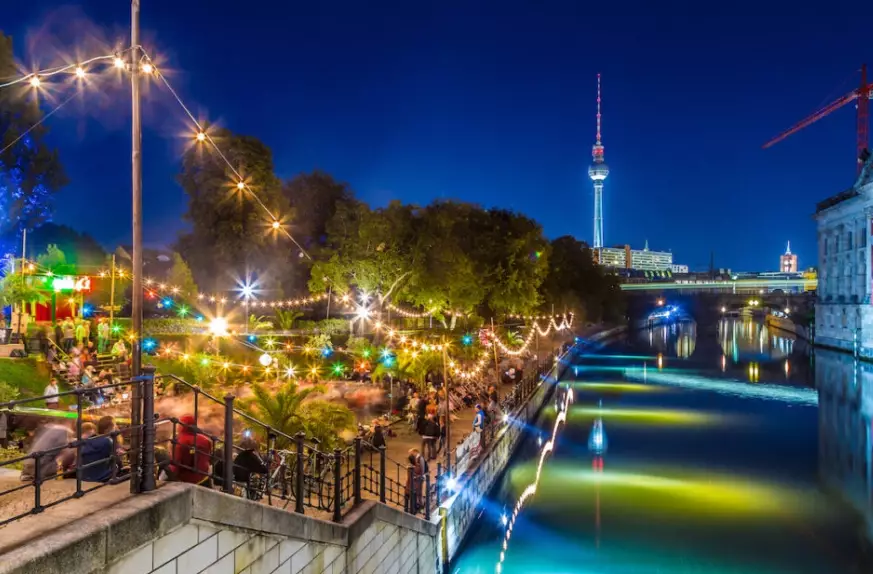
Day 1: Berlin – History, Grit, and Modern Energy
Welcome to Berlin. The city doesn't whisper its history; it shouts it from every corner. Your mission today is to walk through the 20th century. Start early. I mean, have breakfast and be ready to go by 9 AM early. Jet lag is your enemy, and sunlight is precious, especially in the cooler months.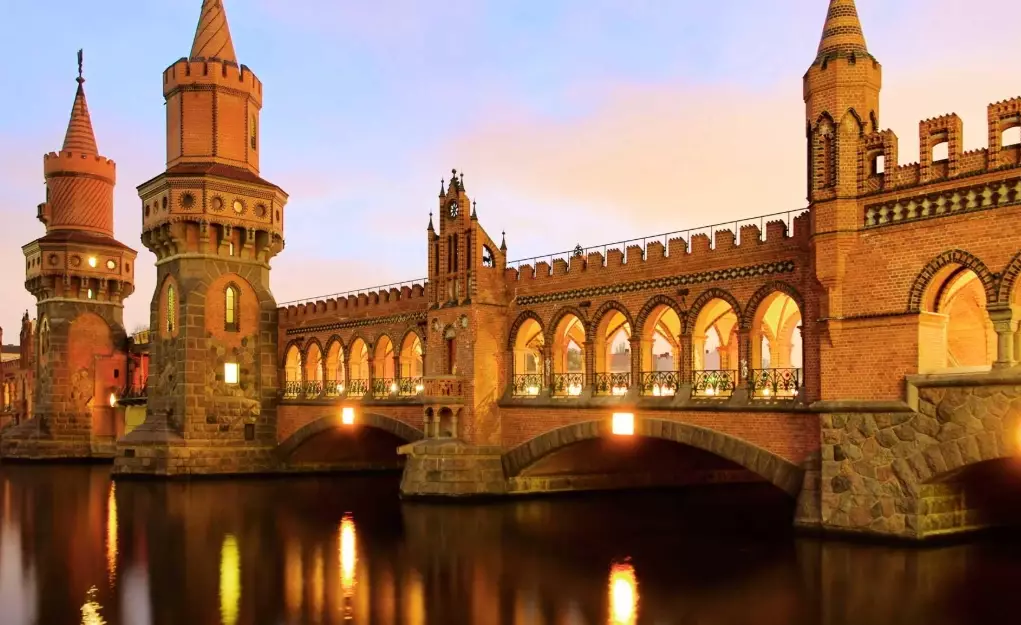
First stop, the Reichstag Building. You need to book a free visit to the glass dome weeks in advance on the official Bundestag website. The view over the city and the symbolism of the transparent government sitting above the parliament chamber is worth the planning. Just across, the Brandenburg Gate needs no introduction. It's busy, always. Go early to get a decent photo without a hundred selfie sticks in the way.
Now, head south. The Memorial to the Murdered Jews of Europe is next. It's a somber, powerful field of concrete slabs. Walk through it. The ground dips and the blocks tower over you, creating a disorienting, quiet atmosphere. The information center underground is harrowing but essential. Give yourself time here; it's not a quick stop.
Lunch time. You're near Checkpoint Charlie, which is frankly a bit of a tourist trap now. For a better, more authentic bite, walk a few blocks to Augustiner am Gendarmenmarkt for classic Bavarian food in a great beer hall setting, or find a simple Currywurst stand – it's the Berlin fast-food essential.
The afternoon is for the Berlin Wall. Take the U-Bahn to Bernauer Strasse. The Berlin Wall Memorial here is the most profound remaining section. You see the "death strip," the watchtowers, and the stories of escape attempts etched into the ground. It's raw and unfiltered. Afterwards, if you have energy, head to the East Side Gallery – the colorful, painted stretch of wall near Ostbahnhof. It's more celebratory and artistic.
Evening? You've earned a beer. For dinner, head to the Hackescher Markt or Prenzlauer Berg areas. They're buzzing with life. Find a cozy Kneipe (pub) for a local beer and some hearty German fare. Try a Berliner Weisse with a shot of sweet woodruff syrup – it's a unique, sour local beer.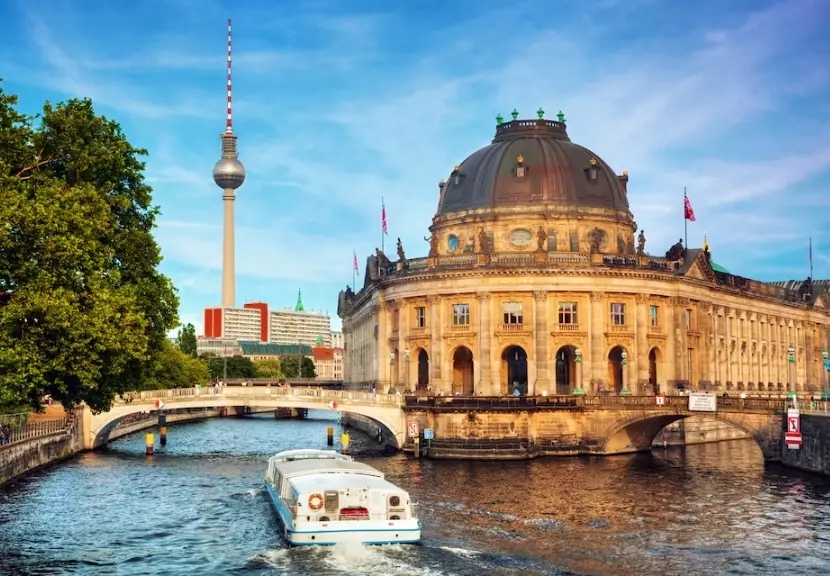
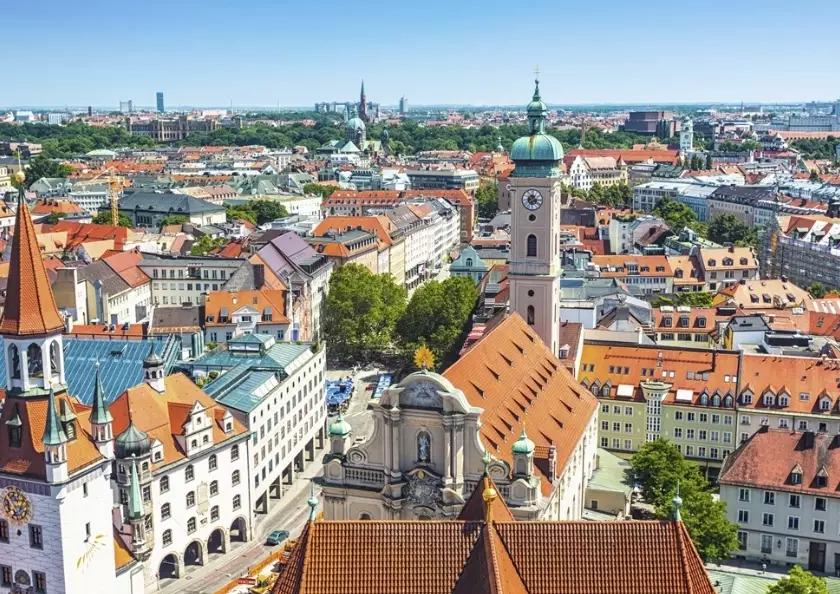
Day 2: Munich – From Berlin to Bavaria
Today is a travel day, but it's engineered to be part of the adventure. Book a morning ICE (high-speed train) from Berlin Hauptbahnhof to Munich Hauptbahnhoh. Aim for a departure around 8 or 9 AM. The journey is just under 4 hours. Book in advance on the Deutsche Bahn website for the best "Sparpreis" (saver) fares. Trust me, paying €20 at the station vs. €70 booked ahead is the difference between a good lunch and a pretzel on the go.
The train ride itself is a pleasure. You'll watch the flat northern plains give way to rolling hills and finally see the distant Alps. It's your mobile sightseeing tour. Have your lunch on the train from the onboard restaurant (it's decent) or grab a sandwich at the station before you board.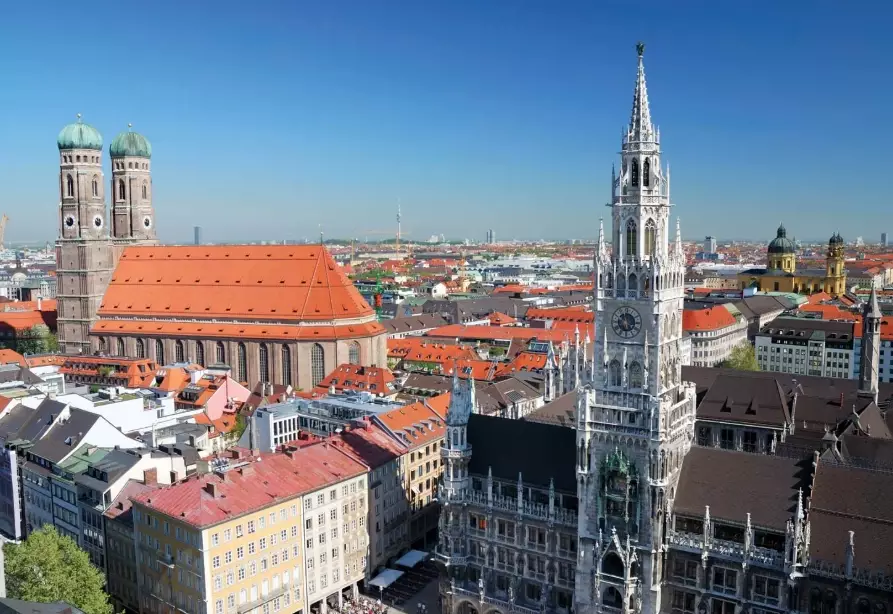
You'll arrive in Munich around midday. Drop your bags at your hotel (choose one near the Hauptbahnhof or Marienplatz for convenience) and hit the ground running. The vibe here is instantly different from Berlin. It's more polished, wealthier, but still buzzing with a proud local culture.
Head straight to Marienplatz for the 3 PM Glockenspiel show at the Neues Rathaus (New Town Hall). Is it cheesy? A bit. But it's a Munich ritual. The square is the perfect introduction. From there, wander through the Victuals Market (Viktualienmarkt). It's a feast for the senses – piles of cheeses, mountains of pretzels, stalls selling Obatzda (a delicious Bavarian cheese spread). Grab a radler (beer mixed with lemonade) and just soak it in.
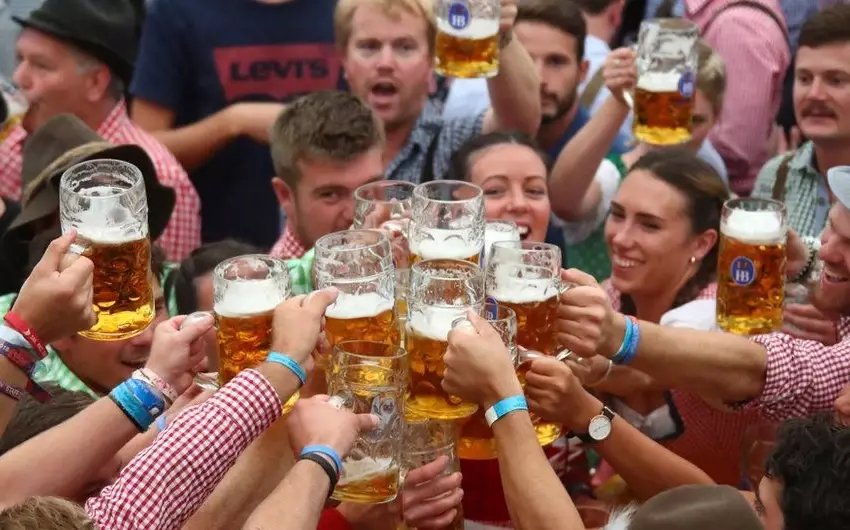
The late afternoon is for a choice. Art lover? The Alte Pinakothek is world-class. Beer enthusiast? Your pilgrimage is to the Hofbräuhaus. Yes, it's packed with tourists, but it's also full of locals and oompah bands. The sheer scale is something to behold. Sit at a long table, order a Maß (one-liter mug) of helles, and embrace the chaos. For a slightly quieter but equally authentic experience, try the Augustiner-Keller beer garden if the weather is nice.
Dinner should be classic Bavarian. Schweinshaxe (pork knuckle) with Knödel (dumplings) and Blaukraut (red cabbage) is the ultimate comfort food. Places like Haxnbauer near Marienplatz specialize in it.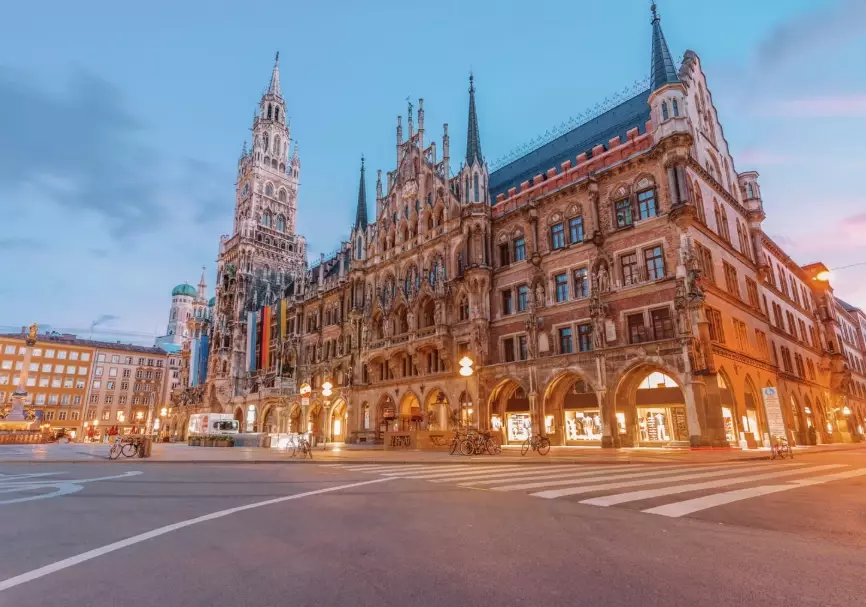
Day 3: The Bavarian Dream – Castles and Alps
Your final day is why this Germany 3-day itinerary includes Munich. You're going to the picture-postcard Germany everyone dreams of. The classic choice is a day trip to Neuschwanstein Castle. It's a logistical operation, but worth it.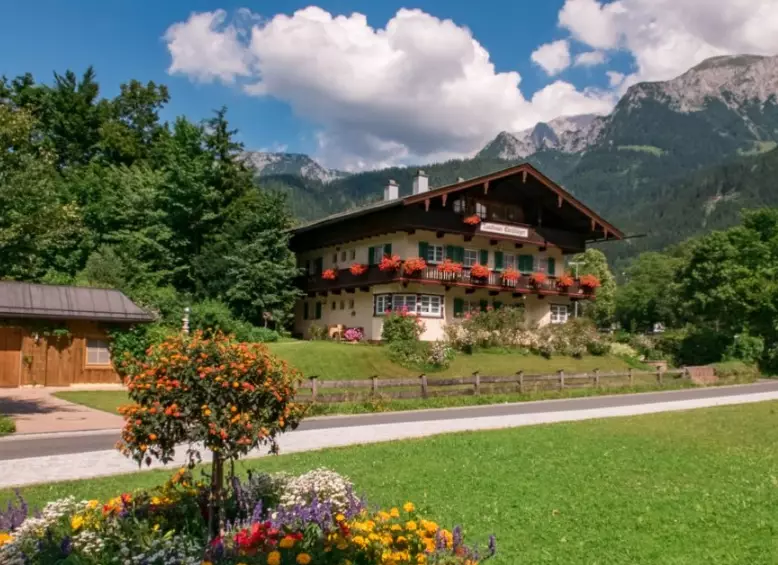
Book the first train of the day from Munich to Füssen (about 2 hours). Again, book train tickets in advance. From Füssen station, take bus 78 to Hohenschwangau. Here's the critical part: You MUST book your Neuschwanstein Castle entrance ticket online in advance on the official ticket center site. Tickets are for a specific timed entry, and they sell out days, sometimes weeks, ahead. Do not show up without one.
The walk up to the castle is steep (about 30-40 minutes). You can also take a shuttle bus or a horse-drawn carriage for a fee. The castle interior is lavish, over-the-top, and fascinating – the mad King Ludwig II's fantasy world. The view of the castle from Marienbrücke (Mary's Bridge) behind it is the iconic shot. The bridge can be crowded and closes in winter if icy.
You'll be back in Munich by early evening. If your flight is late the next day or you have energy, consider a final evening stroll through the English Garden, one of the world's largest urban parks. You might even see the surfers riding the standing wave in the Eisbach river.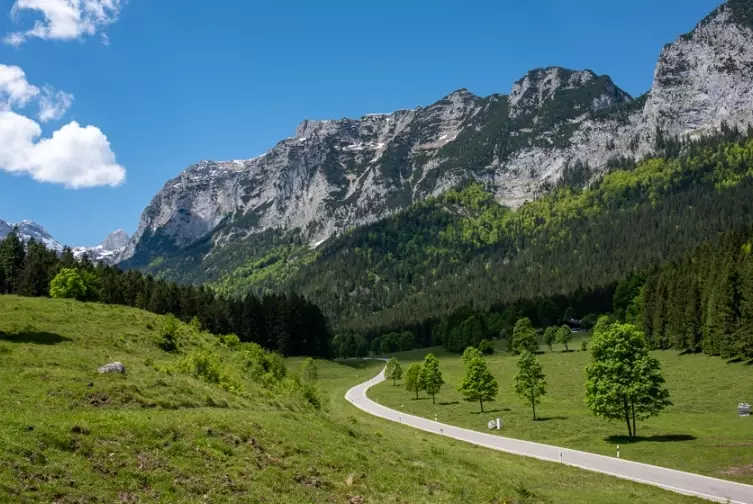
Essential Planning Information for Your Germany Trip
An itinerary is just words without the practical details to make it happen. Here’s the nuts and bolts you need to get right.
Getting Around: Trains Are Your Best Friend
The backbone of this 3 days in Germany plan is the train. German trains are generally reliable, clean, and fast. The Berlin to Munich route is a prime example. Here’s a quick comparison of your main transport options for that leg:
| Option | Approx. Time | Approx. Cost (Booked Early) | Pros | Cons |
|---|---|---|---|---|
| ICE High-Speed Train | 3h 45min | €20 - €80 | Fast, scenic, city-center to city-center, comfortable. | Price varies wildly, need to book ahead. |
| Flight | 1h 15min flight + 2h airport time | €50 - €150 | Quick in the air. | Airports are far out, security lines, total door-to-door time often longer than train. |
| Rental Car | 5h 30min+ | €50+ per day + fuel/tolls | Total freedom, can stop anywhere. | Long drive, parking in cities is expensive and a nightmare, Autobahn stress. |
My strong, strong recommendation? Take the train. Use the DB Navigator app. It's your bible for schedules, platform info, and digital tickets.
Where to Stay: Location Over Luxury
For such a short trip, your hotel's location is its most important feature. You can't afford to waste an hour each day commuting from the outskirts.
- In Berlin: Stay in or near Mitte (the central district), Friedrichshain, or Prenzlauer Berg. Areas around Hackescher Markt or Alexanderplatz give you great U-Bahn/S-Bahn connectivity. I once stayed too far west in Charlottenburg and spent ages on the U-Bahn every day. Never again.
- In Munich: The area around the Hauptbahnhof (main station) is super convenient for arrivals/departures and has good transit links. The Altstadt (Old Town) near Marienplatz is more charming but pricier. Ludwigsvorstadt is a good balance.
Book hotels with free cancellation. Things change. Flights get delayed. Having flexibility is a lifesaver.
Budgeting for 3 Days in Germany
Germany isn't cheap, but it's not Scandinavia-level expensive either. Here’s a rough breakdown per person for a mid-range traveler (hostels and street food will be much lower, luxury hotels and fine dining much higher).
- Accommodation: €80 - €150 per night for a decent double room in a central location.
- Food & Drink: €40 - €70 per day. A sit-down meal is €15-25, a beer €4-5, street food/snacks €5-10.
- Transport: The Berlin-Munich train (booked early): ~€30. Local city transport day pass: €8-10 per city. Day trip to Neuschwanstein (train + bus + castle ticket): ~€50-60.
- Sights & Activities: Museum entry €10-15, Castle tour €15. Budget €30-50 per day for admissions.
Answering Your Germany Itinerary 3 Days Questions
I get a lot of questions about this short trip format. Let me tackle the most common ones head-on.
Final Thoughts Before You Go
Crafting the perfect Germany travel plan for 3 days is all about managing expectations and nailing the logistics. You're not going to see everything. And that's okay. What you will see is profound, beautiful, and incredibly diverse. From the weight of history at the Berlin Wall to the joyful clink of beer mugs in a Munich hall, to the literal castle on a hill, you're covering an amazing amount of ground.
The success of this trip hinges on two things: booking key items in advance (flights, Berlin-Munich train, Neuschwanstein tickets, Reichstag dome) and wearing comfortable shoes. Seriously, the shoes.
Germany has a way of getting under your skin. This whirlwind 3-day Germany itinerary is designed to give you that first irresistible bite. You'll taste the history, the culture, the landscape, and the flavor. And I'd bet good money you'll start planning your return trip before you've even boarded the plane home. There's just so much more – the wine regions, the medieval towns, the hiking trails. But for now, three days is a brilliant start. Go enjoy it.