Quick Guide
Let's be honest. Most travel guides for Hamburg just list the same old spots: the Elbphilharmonie, the Miniatur Wunderland, St. Pauli. And sure, those are great. But if you want to experience Hamburg like someone who actually lives here, you need a bit more. You need to know which U-Bahn exit gets you closest to the action, where to find a quiet corner when the crowds get too much, and which tourist traps are honestly worth skipping. That's what this Hamburg travel guide is for. It's not about checking boxes; it's about feeling the city's pulse.
I've lost count of how many times I've been to Hamburg. For work, for fun, for no reason at all. I've gotten gloriously lost in the backstreets of Sternschanze, waited in the infamous line for the Elbphilharmonie plaza (more on that later), and eaten my body weight in Fischbrötchen. This guide is a mix of those experiences, some hard-won practical advice, and a few opinions you might not read elsewhere.
First Things First: Getting Your Bearings in Hamburg
Hamburg is big. It's Germany's second-largest city, but it feels more sprawling than dense. The water defines everything. The Alster lakes are the posh, polished heart, while the mighty Elbe river and its endless port are the city's gritty, working soul. Most of what you'll want to see is south of the Alster, but don't ignore the northern districts—they have a completely different, more residential vibe.
The city is officially divided into seven boroughs, but for travelers, it's easier to think in neighborhoods.
The Neighborhoods You'll Actually Spend Time In
- Altstadt & Neustadt (Old Town & New Town): The historic core. This is where you'll find the Rathaus (town hall), the main shopping streets, and the canals. It's beautiful, but it can feel a bit like an open-air museum during the day. At night, it's surprisingly quiet.
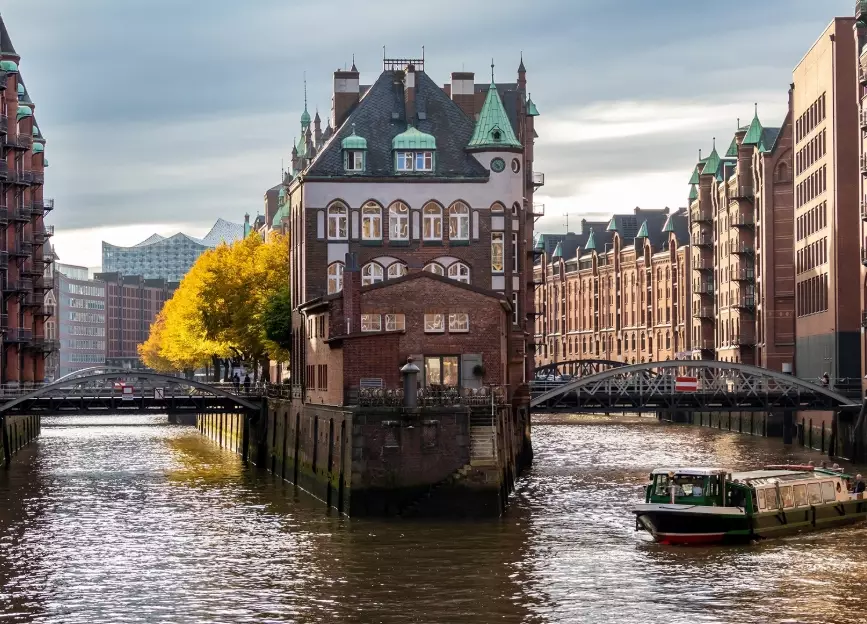
- HafenCity & Speicherstadt (Port City & Warehouse District): The city's stunning modern face built alongside the historic red-brick warehouses. This is where the Elbphilharmonie and Miniatur Wunderland live. It's a must-see, but it's also a massive construction site that's never quite finished. The scale is breathtaking, but it can feel a bit sterile.
- St. Pauli & The Reeperbahn: The infamous nightlife and entertainment district. Yes, it's the red-light district, but it's so much more than that. There are fantastic music venues (like the legendary Grosse Freiheit 36), great bars that aren't seedy, and a raw, energetic atmosphere. Go with an open mind, even if just for a walk during the day.
- Sternschanze & Karolinenviertel: The hipster, alternative heart of Hamburg. Think independent boutiques, vegan cafes, street art, and a fiercely local feel. This is my personal favorite area to just wander and get a feel for modern Hamburg life. It's where you go to escape the tourists.
- Altona & Ottensen: West of the center, these formerly independent towns feel like cozy, village-like neighborhoods with great food markets (the Altonaer Fischmarkt is an institution) and a relaxed, family-friendly atmosphere along the Elbe beaches.
- Eimsbüttel & Harvestehude: North of the center, these are affluent, beautiful residential areas with gorgeous townhouses and quiet streets lining the outer Alster lake. Perfect for a peaceful run or bike ride.
Crafting Your Perfect Hamburg Itinerary
So, how many days do you need? You can see the highlights in two frantic days, but to actually enjoy it, I'd say three to four days is the sweet spot. Here’s how I’d break it down, mixing the iconic with the local.
The Classic 3-Day Hamburg Travel Itinerary
Day 1: History, Canals & Grandeur. Start at the Rathaus (the tour is actually interesting, I promise). Walk through the arcades to the Alster lakes. Then, head into the Speicherstadt. Get lost in the narrow canals between the warehouses—it's like stepping into another century. Visit the Miniatur Wunderland (book tickets online WEEKS in advance, seriously). End the day at the Elbphilharmonie Plaza. You need a (free) timed ticket. Pro tip: Book these online as soon as you know your dates. If they're sold out, try the on-site machines right when they open at 11 am. The view is worth the hassle, especially at sunset.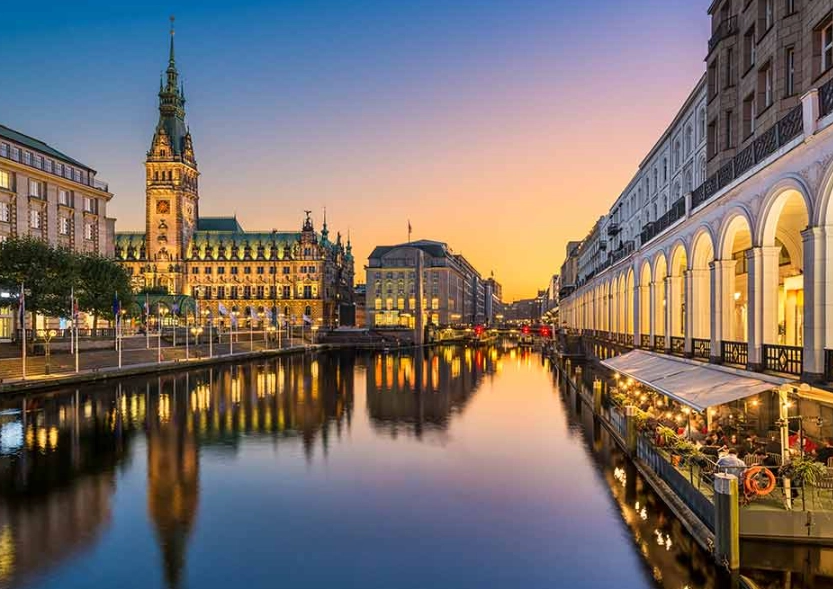
But is the Elbphilharmonie tour worth it?
If you're deeply into architecture or acoustics, maybe. For most, the free plaza view and maybe catching a cheap last-minute concert ticket is a better use of time and money.
Day 2: Harbor Life & Alternative Vibes. Take a harbor ferry. Don't book an expensive tour. Just use your public transport ticket on the HVV ferries (lines 62 and 72 are the best). It's the cheapest harbor cruise in the world. Get off at Landungsbrücken and explore the old fish market halls. In the afternoon, hop on the U-Bahn to Sternschanze. Walk down Marktstrasse, peek into the hidden courtyards (Hinterhöfe), and just soak up the atmosphere. Have dinner here—the options are miles better than in the tourist center.
Day 3: Contrasts & Culture. Morning in St. Pauli. Walk the Reeperbahn in daylight to see its less intense side. Visit the Beatles-Platz. Then, head west to Altona. Walk along the Elbe promenade (Elbstrand). It's not a tropical beach, but on a sunny day, with people grilling and sitting on the shingle, it has a magic all its own. In the evening, maybe catch a show at one of St. Pauli's theatres or a gig in a smaller club.
If You Have More Time: Digging Deeper
On a fourth day, consider a trip to the Fischmarkt on a Sunday morning (5-9:30 am, but go early). It's chaotic, loud, and an absolute institution. You haven't experienced Hamburg until you've eaten a Fischbrötchen at 7 am while a blues band plays and auctioneers scream. Just be prepared for crowds and a very early start.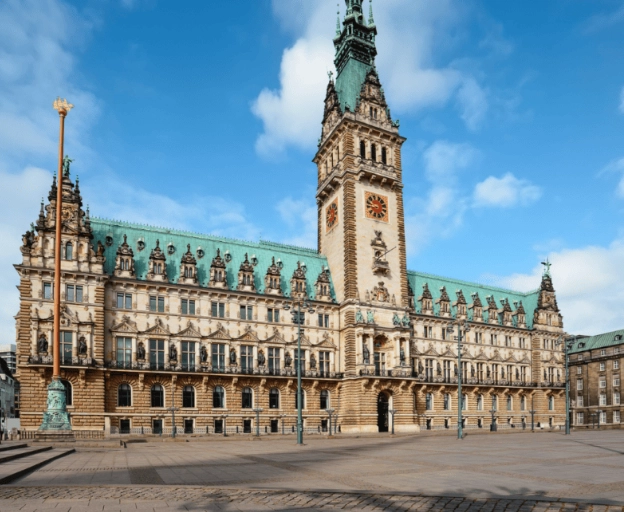
Alternatively, explore the Planten un Blomen park, especially lovely in summer with its water light concerts. Or take a longer ferry ride to the Museumshafen Övelgönne, a charming row of old captain's houses and a beach full of historic ships.
The Food & Drink Lowdown: Beyond Currywurst
Hamburg's food scene is underrated. It's a port city, so the quality of seafood is phenomenal.
The Non-Negotiables:
- Fischbrötchen: A pickled herring (Matjes) or fried fish fillet in a bread roll. The best ones are from small stands at the Fischmarkt or at Brücke 10 at Landungsbrücken. Avoid the pre-made ones in tourist spots.
- Franzbrötchen: Hamburg's answer to the cinnamon roll. Flaky, buttery, cinnamony. Any decent bakery will have them. My favorite chain for them is „Kamps“.
- Labskaus: A sailor's dish. Mashed potatoes, corned beef, beetroot, topped with a fried egg and rollmops. It looks... challenging. But it's a salty, hearty comfort food. Try it at the old-school „Old Commercial Room“ near the Rathaus.
For dining, Sternschanze and Karolinenviertel are your best bets. I had one of my best meals in Hamburg at a tiny, unassuming Vietnamese place in Schanzenviertel. Don't be afraid to wander off the main drag.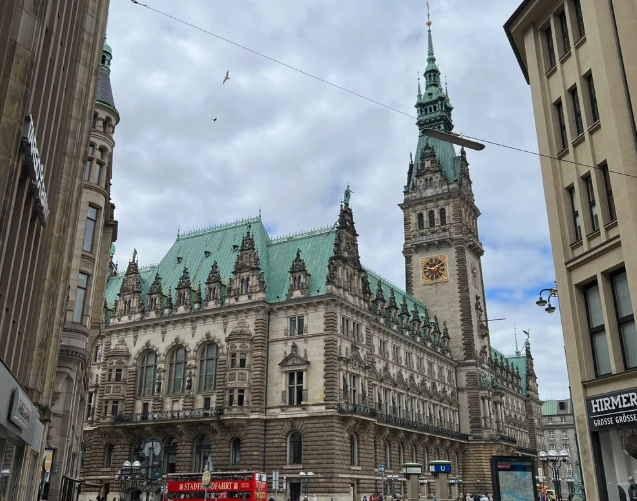
Where to Stay: A Quick, Honest Breakdown
Location is everything. Here’s the real deal on Hamburg’s main areas to stay.
| Area | Vibe | Best For | Drawback |
|---|---|---|---|
| Altstadt / Neustadt | Central, historic, upscale | First-time visitors, luxury, short trips | Expensive, can feel impersonal & quiet at night |
| St. Georg (near Hauptbahnhof) | Diverse, bustling, lots of food options | Budget travelers, foodies, easy train access | Can be noisy; some streets feel gritty |
| Sternschanze / Karolinenviertel | Hip, local, vibrant, creative | Younger travelers, food & nightlife, authentic vibe | Can be loud on weekends; fewer big hotels |
| Altona / Ottensen | Charming, village-like, family-friendly | Longer stays, families, a quieter base | Further from some sights; requires more public transport use |
| HafenCity | Ultra-modern, architectural, quiet | Design lovers, business travel, peace & quiet | Expensive; feels a bit isolated; limited nightlife |
My personal pick? Sternschanze. You're close to the action but in a neighborhood with real soul. You can walk to the center, the port, and St. Pauli easily.
Getting Around: The HVV System Demystified
Hamburg's public transport (HVV) is excellent. It's a unified system of U-Bahn (subway), S-Bahn (suburban train), buses, and ferries. One ticket covers it all.
The Golden Rule: The city is divided into rings (A, B, C, etc.). For 99% of tourists, a ticket for „Grossbereich“ (Greater Area) which is rings A and B is all you need. This covers the entire city center, the airport, and all the neighborhoods mentioned. Don't let the complex map scare you.
Buy tickets from the red HVV machines at any station. You can get single tickets, day tickets (Tageskarte), or group day tickets (Gruppenkarte for up to 5 people, which is a steal). Always validate your ticket by stamping it in the little blue or red boxes on the platform or on the bus. Plainclothes inspectors are common, and fines are steep.
Walking is also a fantastic way to see Hamburg. The city is flat, and you'll discover so much more on foot. For longer distances, the U-Bahn is your friend. Google Maps or the excellent „HVV“ app gives perfect real-time connections.
Answers to Questions You're Probably Googling (The FAQ)
What's the best time of year to visit Hamburg?
Late spring (May-June) and early autumn (September) are ideal. The weather is mild, days are long, and it's less crowded than peak summer. Summer (July-August) can be lovely but also rainy and busy. Winter has a raw, magical charm with Christmas markets, but it's cold and dark by 4 pm.
Is Hamburg expensive?
It's not cheap, but it's more reasonable than Munich or Paris. Accommodation is your biggest cost. You can eat well without spending a fortune if you avoid the obvious tourist restaurants. Public transport is good value. A solid mid-range budget is key.
How do I get from Hamburg Airport (HAM) to the city center?
Easily. The S-Bahn S1 line runs directly from the airport terminal to the Hauptbahnhof (main station) in about 25 minutes. It's part of the HVV network, so a standard AB ticket (€3.50) is all you need. Taxis are expensive (€40+).
Is the Hamburg Card worth it for a Hamburg travel guide plan?
As I hinted earlier, maybe. It gives you unlimited transport in your chosen zones and discounts (usually 20-50%) on many attractions. Sit down with the official partner list on the Hamburg Tourism website and do the math for your specific plans. For many, a simple day ticket plus paying entry for 1-2 sights is cheaper.
What's one thing most Hamburg travel guides get wrong?
Telling people to only stick to HafenCity and the Rathaus. Hamburg's magic is in its neighborhoods. Spend an afternoon in Ottensen or Eppendorf. Ride a ferry for no reason. Sit in a Schanzenviertel cafe and watch the world go by. That's when you'll understand the city.
Final, Unfiltered Thoughts
Hamburg surprised me. I expected a cold, industrial port. What I found was a city of water and light, of stark contrasts between old money and punk rock, between historic warehouses and audacious modern architecture. It's a city that feels lived-in and real.
Use this Hamburg travel guide as a starting point, not a bible. Get the logistics right—the tickets, the areas, the transport zones—so you can relax and explore. Don't try to see everything. Pick a few highlights, leave room to wander, and don't be afraid to ask a local for a recommendation. Hamburgers (yes, that's what they're called) are often reserved at first but are genuinely proud of their city and will usually help if you ask.
And that Fischbrötchen? Get the one with the Matjes herring. You can thank me later.