Quick Navigation
- Understanding German Tourist Accommodation in Europe: More Than Just a Bed
- The Full Menu: Types of Accommodation Across Europe
- Where to Go: A Regional Breakdown for German Tourists in Europe
- The Booking Process: How to Actually Find and Secure Your Stay
- Top Picks for Different Travel Styles
- Navigating Potential Hurdles
- Answers to Questions You Might Be Too Afraid to Ask
Let's talk about finding a place to sleep in Europe. If you're from Germany planning a trip, or someone looking to understand what German tourists might prefer, the whole accommodation scene can feel a bit overwhelming. Hotels, apartments, hostels, guesthouses – the options are endless, and so are the prices. I remember staring at booking websites for hours, trying to decode if a "charming studio" in Rome was actually charming or just a fancy word for "tiny." It's a universal struggle.
This guide is here to cut through the noise. We're going to look at German tourist accommodation in Europe from every angle. What do German travelers actually look for? Is it all about efficiency and free breakfast, or is there a growing love for unique stays? We'll dive into the different types of places you can book, region by region, and I'll share some things I've learned the hard way (like always checking the bathroom photos twice). Whether you're heading to the Alps, the Mediterranean coast, or a buzzing capital city, the right base can make or break your trip.
Understanding German Tourist Accommodation in Europe: More Than Just a Bed
First off, let's clear something up. The term "German tourist accommodation" can mean two things. It can refer to the accommodation choices preferred by German tourists traveling anywhere in Europe. Or, it can mean the places to stay within Germany itself for any tourist. We're covering both, because frankly, you might be searching for either. The preferences often overlap – a love for good value, clear information, and often (but not always), a solid breakfast.
German travelers are a huge market in Europe. They love to explore, from weekend city breaks to long summer camping trips down to Italy. Because of this, the industry has adapted. You'll find German-language information, German-speaking staff, and services that cater to specific expectations all over the continent. Knowing what those expectations are can help you, whether you're a German traveler or just trying to book a great place.
What's Really Important? Breaking Down the Priorities
It's a stereotype that Germans only want efficiency, but let's be honest, there's some truth to it in travel planning. From my chats and observations, here’s what tends to rank high:
- Value for Money (Price/Leistung): This is king. It doesn't mean the cheapest, but what you get for what you pay. A clean, well-located, no-frills hotel with breakfast included often beats a "boutique" hotel with poor reviews on service.
- Cleanliness and Order: Non-negotiable. A spotless bathroom and tidy room are expected standards.
- Breakfast Inclusion: The legendary German breakfast buffet is a hard act to follow, but the inclusion of breakfast is a massive plus. It simplifies the morning and feels like getting a deal.
- Location and Transport Links: Easy access to public transport (trams, buses, U-Bahn) is often preferred over a remote but picturesque location, especially in cities.
- Free and Reliable Wi-Fi: For navigation, planning, and staying connected, this is now considered a basic utility.
But it's changing. Younger travelers, families, and those seeking unique experiences are driving demand for different types of German tourist accommodation in Europe. Apartments with kitchens for longer stays, sustainable eco-hotels, and design hostels are all growing in popularity.
The Full Menu: Types of Accommodation Across Europe
Alright, let's get into the meat of it. What are you actually booking? Here’s a breakdown of the main categories, with the good, the bad, and the things you might not think to check.
Hotels: From Budget to Boutique
The classic choice. You know what you're getting: a room, a private bathroom, daily cleaning, and usually a reception. But within that, the range is vast.
- Budget/Mid-Range Chains (Ibis, Motel One, B&B Hotels): These are wildly popular for German tourists in Europe. Why? Consistency. You know the room will be a certain size, the bed will be decent, and the shower will work. Motel One, in particular, has nailed the "affordable design" concept. They're perfect for city trips where you just need a clean base. The downside? They can feel a bit soulless.
- Independent & Boutique Hotels: This is where you find character. A family-run hotel in a Bavarian village, a design hotel in Berlin, a converted monastery in Tuscany. These can offer amazing experiences and personal service. The risk? Inconsistency. One might be fabulous, another might be resting on its "charming" laurels with creaky beds. Reviews are your best friend here.
- Luxury & Wellness Hotels: For a special occasion or a pure relaxation holiday. Germany and surrounding countries like Austria and Switzerland are masters of the "Wellnesshotel" – think spa areas, healthy cuisine, and peaceful settings. They're an investment, but for a stress-relief holiday, they're hard to beat.
Vacation Rentals & Apartments (Ferienwohnungen)
This has exploded in popularity, especially for families, groups, or stays longer than a few nights. The appeal is obvious: more space, a kitchen to save money on meals, and a feeling of "living" in the place.
Platforms like Airbnb and Booking.com are full of them. But here's my take – for German tourist accommodation in Europe, I often look for rentals managed by local agencies or directly by owners who list on multiple platforms. They sometimes feel more professional and reliable than a random Airbnb listing. In Germany itself, look for the term "Ferienwohnung" or "Fewo". These are often purpose-built for tourists and come with clear standards.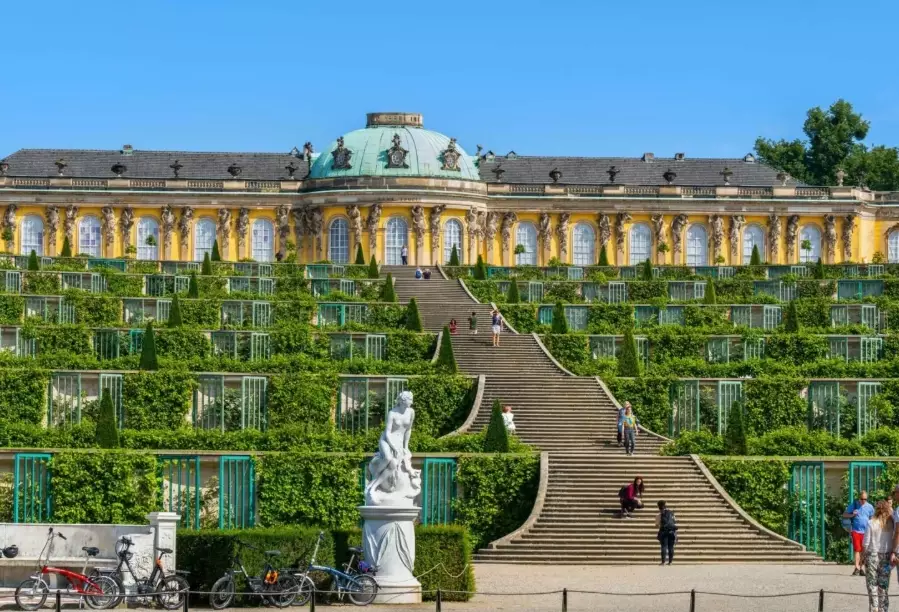
The big question: Are they better than hotels?
It depends. For a week in a Croatian coastal town with my family, an apartment is a no-brainer. For a two-night stop in Prague, a hotel is less hassle. The key is to read the house rules carefully. Check-in procedures, cleaning fees, and garbage disposal rules can be very specific (and very important to follow).
Hostels: Not Just for Backpackers Anymore
Forget the image of grimy dorms. Modern hostels, especially chains like A&O, MEININGER, or Generator, have revolutionized the concept. They offer private rooms (often with en-suite bathrooms) alongside dorms, cool common areas, bars, and great locations. They are fantastic value, especially for solo travelers or young groups. Many now cater specifically to families and older travelers too. The social aspect is a big plus if you're open to it.
Guesthouses, Pensions, and Bed & Breakfasts (B&Bs)
These are the hidden gems. A Pension in Germany or Austria, a B&B in the UK or Ireland, a Casa Rural in Spain. They're usually smaller, run by owners, and include breakfast. The personal touch can be wonderful – getting local tips from your host is priceless. The downside can be less privacy and sometimes more variable facilities (shared bathrooms in some older properties).
Unique & Alternative Stays
This is for the experience seekers. Want to sleep in a treehouse in the Black Forest, a converted wine barrel in France, or a historic castle hotel? Europe has it all. Agritourism ("Urlaub auf dem Bauernhof") is huge in Germany, Austria, and Italy – staying on a working farm. It's a fantastic option for families with kids. These stays are more about the memory than luxury amenities.
Let's put some of this side-by-side. Choosing your German tourist accommodation in Europe is about matching the type to your trip.
| Accommodation Type | Best For... | Typical German Tourist Appeal | Booking Considerations |
|---|---|---|---|
| Budget Hotel Chain | Short city breaks, business travel, predictable comfort | High - known quality, good locations, often include breakfast | Book direct for member discounts; check parking costs |
| Vacation Apartment (Ferienwohnung) | Families, groups, stays of 4+ nights, self-catering | Very High - space, value, flexibility | Read house rules meticulously; confirm check-in times |
| Design Hostel (Private Room) | Solo travelers, young friends, budget-conscious explorers | Growing fast - excellent value, social, central | Look for hostels with private en-suite rooms; check locker availability |
| Family-Run Pension/Guesthouse | Romantic getaways, rural escapes, authentic local experience | High - personal service, charm, often includes hearty breakfast | May have limited English; payment might be cash-only |
| Wellness Hotel | Relaxation holidays, special occasions, health-focused trips | Extremely High - reputation for quality spas and treatments | Look for packages that include half-board and spa access |
Where to Go: A Regional Breakdown for German Tourists in Europe
Europe isn't a monolith. What works in Bavaria won't necessarily be the same in Barcelona. Here’s a quick regional guide to setting your accommodation expectations.
Within Germany
You're spoilt for choice. Standards are generally high. Look for the official DEHOG classification system (stars from 1 to 5), but note that stars often relate to amenities offered (like a minibar or room service) rather than pure quality. A 3-star German hotel is usually very clean and comfortable.
- Cities (Berlin, Munich, Hamburg): A huge range. Hostels are great in Berlin. Munich is expensive, so consider staying slightly outside near an S-Bahn station. Apartments can be good value in Hamburg.
- Countryside & Romantic Road: This is the land of the Gasthof (inn) and Ferienwohnung. Family-run places with incredible restaurants attached. Booking directly with the property website can sometimes get you a better deal.
- Baltic & North Sea Coast: Dominated by Friesenhäuser (Frisian houses) and apartment complexes. Book very early for summer, especially for July/August.
For official information on travel within Germany, the German National Tourist Board website is an authoritative and useful resource for planning.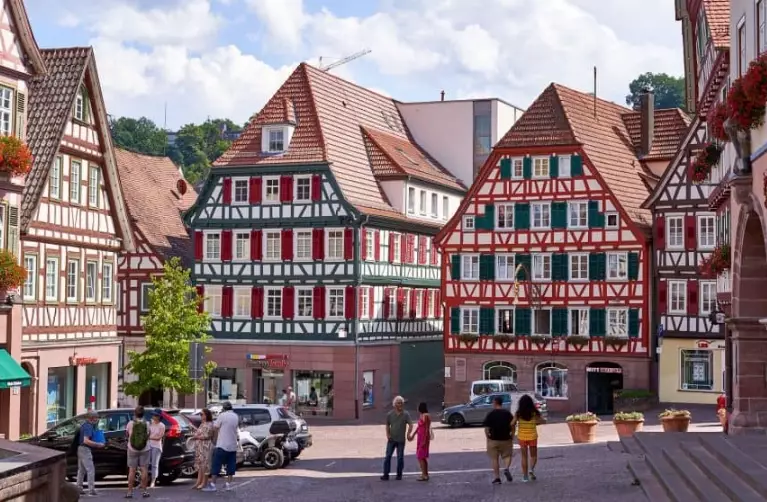
Neighboring DACH Region (Austria, Switzerland)
Very similar standards and preferences to Germany. The Pension is king in Austrian alpine villages. In Switzerland, be prepared for higher prices across the board. Self-catering apartments are a popular way to manage costs in both countries, especially for ski or hiking holidays.
Mediterranean Europe (Italy, Spain, Greece, Croatia)
This is where a lot of German summer holiday dreams live. Here, the classic German tourist accommodation in Europe is often the package holiday hotel or the booked-apartment. But venturing outside that can be rewarding.
- Italy: Agriturismi (farm stays) are fantastic. In cities, be aware that historic center hotels often have smaller rooms and no elevators. Air conditioning is a must in summer.
- Spain: Look for Hostales (budget guesthouses, often family-run) for great value. Coastal resorts have every type imaginable, from massive complexes to small hotels.
- Greece: Family-run studios and apartments on the islands are the classic choice. Don't expect German-level plumbing efficiency everywhere, but the hospitality often more than makes up for it.
- Croatia: Private room rentals (sobe) and apartments are the backbone of coastal accommodation. Standards have improved dramatically. Booking.com is very widely used here.
Eastern Europe (Czech Republic, Poland, Hungary)
Often fantastic value for money. You can get a much higher standard of hotel or apartment for your Euro here compared to Western Europe. Cities like Prague, Budapest, and Krakow are well set up for tourists. Modern hostels and design hotels are plentiful. Just be sure your accommodation has good heating if you're visiting in winter – those old buildings can be drafty.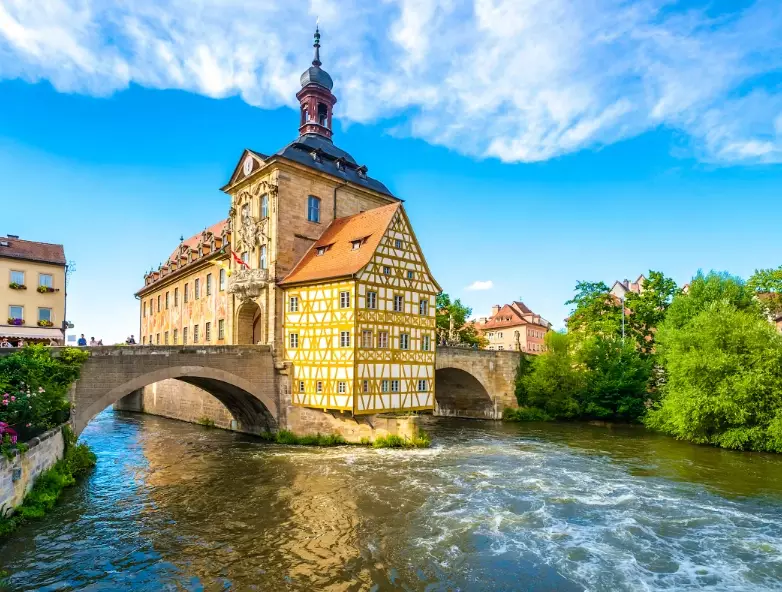
The Booking Process: How to Actually Find and Secure Your Stay
This is where the rubber meets the road. You've decided on a type and a place. Now how do you book it without getting ripped off or disappointed?
Major Booking Platforms: The Usual Suspects
Booking.com is arguably the giant for German tourists in Europe. The interface is clean, filters are good, and the "Genius" loyalty program can offer discounts. Expedia and Kayak are also big players, sometimes good for flight+hotel bundles.
For vacation rentals, Airbnb and Vrbo dominate, but don't forget that many local rental agencies have their own websites. A Google search for "Ferienwohnung [Town Name]" can yield great results.
My controversial opinion? I use the big platforms as a search engine and review aggregator, but I always try to book directly if possible. Why?
- You often get a better rate or a free extra (like a room upgrade or late check-out).
- If something goes wrong, dealing directly with the hotel is simpler than going through a third party.
- The property gets more of the money, which is good for small businesses.
It's not always possible or cheaper, but it's always worth checking the property's own website.
Key Filters and Details to Never Skip
Wondering how to navigate the breakfast buffet like a pro? It starts with booking the right place. Here’s my checklist before hitting "book":
- Location (Map View): Is it really where you want to be? How far is it to the train station/old town/beach? Is the neighborhood safe and quiet at night?
- Free Cancellation: This is worth its weight in gold. Plans change. A slightly higher rate with free cancellation is often better than a non-refundable steal.
- Final Price: Use the price breakdown. See all taxes, city taxes, resort fees, and cleaning fees (for apartments) before committing.
- Reviews: Read them, especially the mid-range and recent ones. Look for patterns. Do multiple people mention thin walls, rude staff, or broken Wi-Fi? Believe them. I ignore the gushing 5-star and angry 1-star reviews and focus on the 3s and 4s.
- Photos: Look at the bathroom closely. Check the view from the window. Are there photos of the common areas, the breakfast room, the entrance?
Top Picks for Different Travel Styles
Let's get specific. Based on trends and consistent quality, here are some types of German tourist accommodation in Europe that consistently deliver for particular needs.
For Families on a Beach Holiday: A family-friendly apartment complex in Spain or Croatia with a pool, on-site supermarket, and kids' club. The space and kitchen save money and sanity. Look for complexes with good reviews from other German families.
For a Couple's City Break: A design-forward boutique hotel in a neighborhood like Prague's Vinohrady, Berlin's Prenzlauer Berg, or Lisbon's Príncipe Real. Something with character, a great breakfast, and walkable to cafes and sites.
For the Solo Hiker in the Alps: A traditional Bergpension (mountain guesthouse) in Austria or South Tyrol. Half-board (breakfast and dinner) is ideal after a long day on the trails. The atmosphere is communal and warm.
For the Group of Friends on a Budget: A private apartment booked via Booking.com or a set of private rooms in a top-rated hostel in a city like Krakow or Budapest. You get social spaces and central location without breaking the bank.
Navigating Potential Hurdles
It's not all smooth sailing. Here are some common issues and how to handle them.
Language Barriers: In most tourist areas, English is widely spoken in accommodations. In more rural areas of France, Italy, or Eastern Europe, it can be trickier. Learning a few basic phrases (hello, thank you, key, breakfast, wifi password) is polite and helpful. Booking.com's messaging system often has auto-translate.
Payment Methods: Germany is a cash society, but that's less true for travel booking. Credit cards are widely accepted for online booking. However, some smaller guesthouses, pensions, or apartment owners in Southern or Eastern Europe may prefer or even insist on cash (Euros) upon arrival. Always check the payment policy in the booking details.
Cultural Differences in Standards: A 3-star hotel in Germany and a 3-star hotel in Italy are not the same. Southern European rooms can be smaller, beds might be two singles pushed together, and shower enclosures might be... optimistic. It's not worse, just different. Adjust your expectations accordingly.
For understanding consumer rights and cross-border travel regulations within the EU, the official Your Europe portal is an authoritative source of legal information.
Answers to Questions You Might Be Too Afraid to Ask
Finding the right German tourist accommodation in Europe is a mix of research, knowing your own priorities, and a little bit of luck. It's worth putting in the time. Because after a long day of sightseeing, hiking, or beach lounging, having a comfortable, welcoming place to return to isn't just a detail – it's a core part of a great European holiday. Start with the basics: what do you need the place to do for you? Be a crash pad, a family hub, a romantic retreat? Answer that, use the tools and tips here, and you're already halfway to a perfect stay.
Now, go check those bathroom photos one more time. You'll thank me later.