Key Points
- Understanding the U.S. Visa Waiver Program (VWP) for Germans
- ESTA: The "Visa-Free" Workhorse for German Citizens
- When "Visa-Free" Isn't Enough: Germans Who Need a U.S. Visa
- At the Border: What to Expect When You Arrive in the USA
- Common Questions & Troubleshooting (The Stuff You Actually Worry About)
- Final Reality Check: Is It Truly "Visa-Free"?
Let's cut to the chase. If you're holding a German passport and daydreaming about a trip to New York, California, or Florida, you're probably asking yourself one thing: "Is a Germany visa free to the USA?" I get this question all the time from friends and readers. The short, sweet answer is yes, but it's not as simple as just hopping on a plane. You don't need a traditional visa stamp in your passport for short visits, but you absolutely need an online travel authorization called ESTA. It's a crucial distinction that trips up a lot of smart people.
I remember helping a friend book a last-minute trip to Chicago. He was convinced his German passport was his golden ticket. "It's visa-free, right?" he said. Well, we sorted his ESTA application, and it was approved in about an hour. But the panic before that was real. That's why I'm writing this – to clear up the confusion once and for all.
The Core Truth: Germany is part of the U.S. Visa Waiver Program (VWP). This means German citizens can travel to the United States for tourism, business, or transit for up to 90 days without obtaining a visa from a U.S. embassy. Instead, they must obtain approval through the Electronic System for Travel Authorization (ESTA) before boarding their flight.
So, when someone asks "Is a Germany visa free to the USA?", they're really asking about the Visa Waiver Program. It's a privilege, not an absolute right. And it comes with a list of rules you've got to follow to the letter.
Understanding the U.S. Visa Waiver Program (VWP) for Germans
This is the foundation of everything. The VWP isn't some casual agreement; it's a formal security and travel framework between the United States and 40 participating countries, including Germany. The U.S. Department of State manages the program, and you can read the official criteria on their Visa Waiver Program page.
The idea is to make short-term travel smoother for low-risk visitors. For you as a German traveler, it means bypassing the often lengthy and interview-based visa application process at the U.S. embassy in Berlin or Frankfurt. But in exchange, you agree to certain conditions.
Here’s what the VWP allows you to do:
- Tourism: Vacation, sightseeing, visiting family or friends, attending social events.
- Business: Attending meetings, conferences, negotiating contracts, consulting with business associates. (You cannot work for a U.S. employer or get paid from a U.S. source).
- Transit: Traveling through the U.S. to another country.
Important things the VWP does NOT allow:
You can't study for credit (though short recreational courses are okay). You can't work. You can't be a foreign correspondent. And you absolutely cannot stay longer than 90 days. Trying to bend these rules is the fastest way to get your ESTA revoked and future travel privileges denied. I've heard stories of people getting turned away at customs for vague "business" plans that sounded like work.
ESTA: The "Visa-Free" Workhorse for German Citizens
This is your key. ESTA isn't a visa; it's an automated system that determines your eligibility to travel under the VWP. Think of it as a pre-screening. You apply online, pay a fee, and (in most cases) get an almost instant decision.
How to Apply for ESTA: A Step-by-Step Walkthrough
The process is straightforward, but you need to be precise. The official website is managed by U.S. Customs and Border Protection (CBP): the official ESTA application website. Only use this .gov site. Avoid third-party sites that charge hefty service fees for the same form.
- Gather Your Documents: You'll need your German passport (must be an e-passport with a biometric chip), a credit/debit card for the $21 fee, and your travel itinerary (address where you'll be staying in the U.S., but flight details aren't strictly mandatory for the application).
- Complete the Online Form: It asks for personal info, passport details, employment info, and some security questions (e.g., communicable diseases, arrests, past visa denials). Be brutally honest. Lying on an ESTA is immigration fraud.
- Pay and Submit: The fee is $21 total ($4 processing fee + $17 authorization fee if approved). Payment is taken immediately.
- Receive Authorization: Most applications are approved within minutes. You'll get an application number to check status. Approval is typically valid for two years, or until your passport expires, whichever comes first. It's valid for multiple entries.
Pro Tip: Apply as soon as you start planning your trip, but at least 72 hours before departure. While most are quick, some applications take up to 72 hours for processing if they need manual review. Don't leave it for the airport check-in counter!
ESTA vs. U.S. Visa: What's the Actual Difference?
People confuse these all the time. Let's break it down in a way that's easy to digest.
| Feature | ESTA (for VWP/Germany) | U.S. Visitor Visa (B1/B2) |
|---|---|---|
| Purpose | Short-term tourism, business, transit (≤90 days) | Tourism, business, medical treatment (often for longer or more complex visits) |
| Application Process | Online form, no interview, automated check | Online form (DS-160), interview at U.S. Embassy/Consulate, biometrics |
| Processing Time | Minutes to 72 hours | Weeks or months (depends on appointment wait times) |
| Cost | $21 | $185 (non-refundable application fee) |
| Validity | 2 years or until passport expires | Usually 10 years (multiple entries) |
| Maximum Stay Per Visit | 90 days | Up to 180 days (determined by CBP officer at entry) |
| Guarantee of Entry | NO. ESTA is pre-authorization to travel. A CBP officer at the port of entry makes the final decision. | NO. A visa does not guarantee entry either. The final decision is with the CBP officer. |
See the difference? The ESTA is a streamlined, modern system built on trust and pre-screening. The visa is a more traditional, thorough vetting process. For probably 95% of German tourists, the ESTA is perfect. So, to answer "Is a Germany visa free to the USA?" – for short trips, you use the ESTA alternative.
When "Visa-Free" Isn't Enough: Germans Who Need a U.S. Visa
This is the critical part most blogs gloss over. The VWP has strict eligibility rules. If you fall outside them, you must apply for a visa, regardless of your German passport. No way around it.
You will need to apply for a B1/B2 visitor visa if:
- You plan to stay in the U.S. for longer than 90 days.
- You want to study (for academic credit), work, or be a paid performer.
- You have a criminal record (even certain old convictions or arrests can disqualify you from ESTA).
- You have previously been denied a U.S. visa or entry into the U.S.
- You have traveled to certain countries (like Iran, Iraq, Libya, North Korea, Somalia, Sudan, Syria, or Yemen) on or after March 1, 2011. This is a huge one. The U.S. has travel-related security directives that can make VWP travelers ineligible if they have these travel stamps. There are limited waivers, but it's complex.
- You are a dual national of one of those listed countries.
- You don't have a valid German e-passport (the chip is mandatory for VWP travel).
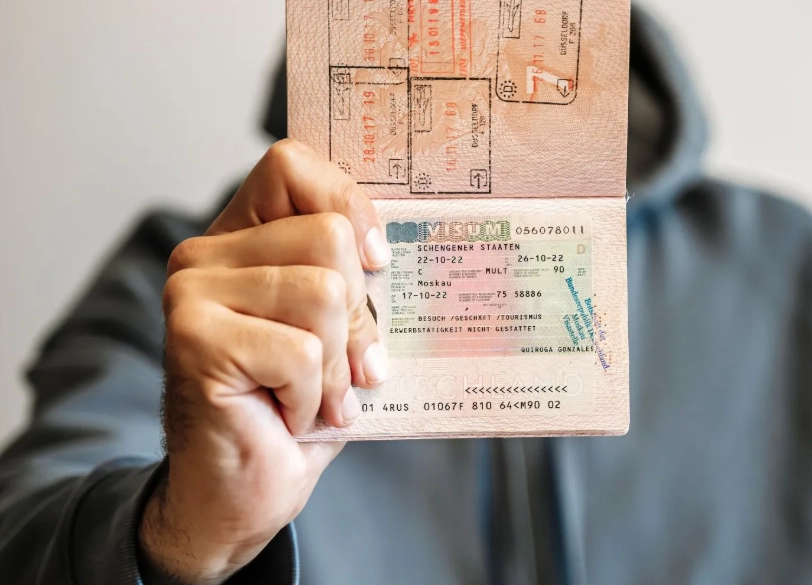
Heads Up: The "certain countries" rule catches many well-traveled Germans off guard. If you have a stamp from Iran for a fantastic hiking trip, you likely cannot use ESTA. You'll need a visa. Check your passport pages carefully.
I know a journalist who is a German citizen but often reports from the Middle East. For him, "Is a Germany visa free to the USA?" is always a no. He has to go through the full visa process every time because of his professional travel history. It's a hassle, but it's the rule.
At the Border: What to Expect When You Arrive in the USA
Okay, your ESTA is approved, bags are packed. You land at JFK or LAX. The process isn't over. The U.S. Customs and Border Protection (CBP) officer has the final say. They can still deny you entry if they suspect you'll violate the terms.
Be prepared to answer questions clearly and confidently:
- What is the purpose of your visit? (Tourism/business)
- How long will you be staying?
- Where will you be staying?
- Do you have a return ticket? (You should!)
- How much money do you have for your stay?
They might ask to see your return ticket and proof of funds. I always have a printed copy of my hotel reservation and return flight itinerary, even in our digital age. It just looks more prepared. The officer will stamp your passport and write a date – that's your "admit until" date. Do not overstay this date by even one day.
Overstaying is a catastrophic error.
It will void your ESTA and likely make you ineligible for the VWP and future visas for years. It's not worth it. If you think you might need more time, leave before the 90 days and apply for a proper visa from Germany if you want to return.
Common Questions & Troubleshooting (The Stuff You Actually Worry About)
Final Reality Check: Is It Truly "Visa-Free"?
Let's be real. Calling it "visa-free" is a bit of marketing. You're still applying for permission to travel, paying a fee, and getting vetted by the U.S. government. It's just a much faster, more convenient process than the old-fashioned visa. It's a visa-waiver, not a free-for-all.
So, when you ask, "Is a Germany visa free to the USA?", you now know the complete picture. For short trips, you use the ESTA system under the Visa Waiver Program. It's simple, cheap, and fast for most people. But you must follow the rules: 90 days max, tourism/business only, a clean record, and the right passport. If your travel plans or history are more complex, the traditional U.S. visa is your path.
The system works well when you understand it. My biggest advice? Apply for your ESTA the moment you book your flight. Get it done, get the approval email, and then you can focus on the fun part – planning your American adventure without that nagging question in the back of your mind.
Safe travels.