Guide at a Glance
Let's be honest. Berlin doesn't give you a warm, fuzzy welcome. It's not Paris. It's not Prague. The first thing that hits you is the scale. Everything feels huge, spread out, a bit grey on a cloudy day. The buildings can be brutalist, the history is heavy, and the famous Berliner attitude is, well, direct. But stick with it. That's the thing about this city. It doesn't beg for your love. It earns it, slowly, in weird little ways. One minute you're staring at a massive, somber memorial, the next you're in a tiny courtyard filled with fairy lights, drinking a craft beer someone's brewing in the back. It's a city of layers, and this Berlin travel guide is here to help you peel them back without getting completely lost.
I've been visiting and living on and off here for years, and I still get turned around. My first time, I spent an hour looking for the Brandenburg Gate because I got off at the wrong U-Bahn stop. Classic. So consider this less of a polished manual and more of a chat from someone who's made the mistakes, so you hopefully don't have to.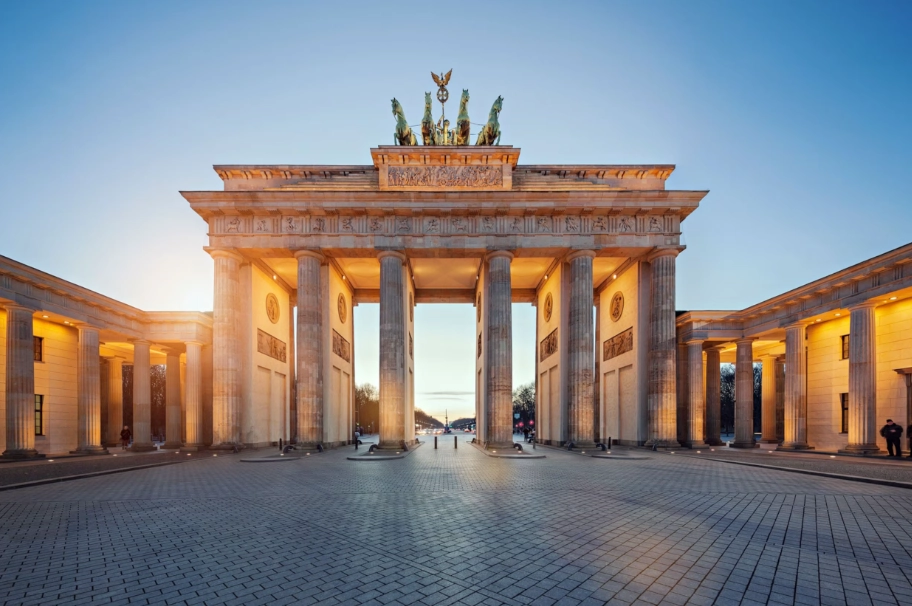
Getting Your Bearings: First Things First
Before you dive into the what-to-do, you need the how-to-manage. Berlin is big. I mean, geographically massive. Thinking you can walk from Museum Island to the East Side Gallery in 20 minutes is a surefire way to ruin your feet and your mood.
When to Go? There's No Perfect Time, Really.
Summer (June-August) is peak. The beer gardens are overflowing, the parks are sun-drenched festivals, and the city feels alive. It's also crowded, and apartments can get hot (air conditioning isn't a given). My personal favorite is late spring (May) or early autumn (September). The weather is usually decent, the crowds thinner, and the light is beautiful.
Winter is dark by 4 pm and can be brutally cold. But! The Christmas markets are magical (Gendarmenmarkt is the fancy one), and there's something cozy about huddling in a warm pub while it's freezing outside. Just pack a proper coat. A really proper one.
The Money Talk: Budgeting for Berlin
It's not cheap, but it's not London or Stockholm. You can do it on a budget if you're smart.
Budget Tip: Döner kebab is your best friend. For €4-6, you get a massive, delicious meal. It's arguably Berlin's true national dish. Mustafa's gets the hype, but honestly, any busy spot near a U-Bahn after 10 pm is probably serving gold.
Hostels are plentiful and good quality. A decent mid-range hotel will set you back more. And if you want to eat in proper restaurants every night, the bill adds up fast. My advice? Mix it up. One night a nice dinner, the next a picnic from a supermarket (Aldi, Lidl) or a food market like Markthalle Neun in Kreuzberg.
Getting Around: The U-Bahn is Your Lifeline
Berlin's public transport (BVG) is excellent, punctual, and comprehensive. It can also seem like a confusing web of lines at first.
You have the U-Bahn (subway, mostly underground), the S-Bahn (above-ground city rail), trams (in the eastern districts), and buses. They all work on the same ticket system. Don't even think about driving in the center.
Here’s a quick breakdown of the main ticket types you’ll need for your Berlin trip:
| Ticket Name | What It Is | Best For | Price (approx.) |
|---|---|---|---|
| Single Ticket (Einzelfahrausweis) | A one-way trip in one direction, with transfers allowed for up to 2 hours. | A single, one-off journey. | €3.50 |
| Day Ticket (Tageskarte) | Unlimited travel for one person until 3 am the next day. | A day of heavy sightseeing across different zones. | €9.90 (AB zone) |
| WelcomeCard | Transport ticket + discounts (up to 50%) at 200+ attractions. | Tourists planning to hit many paid museums/sights. Do the math first! | €24 for 48h (AB) |
| Deutschlandticket | Monthly subscription for all local transport across Germany. | If you're staying a full month. You must subscribe/cancel online. | €49 per month |
Always validate your paper ticket in the red or yellow stamping machines on the platform. An unvalidated ticket is an invalid ticket, and plain-clothes inspectors are common. The fine is €60.
I learned this the hard way my first week. I bought a ticket, hopped on, and got fined because I didn't stamp it. The inspector was not sympathetic to my "but I just bought it!" plea. Stamp it.
The Can't-Miss Sights (And Some Honest Opinions)
Alright, let's talk sights. A good Berlin travel guide has to cover the big hitters. But I'll tell you which are worth the hype and which you can view from the outside.
The Heavy Hitters: History You Can Touch
The Brandenburg Gate: It's iconic. You have to see it. Go early in the morning if you want a photo without a thousand people in it. At night, it's beautifully lit. It feels symbolic, a postcard come to life. Doesn't take long.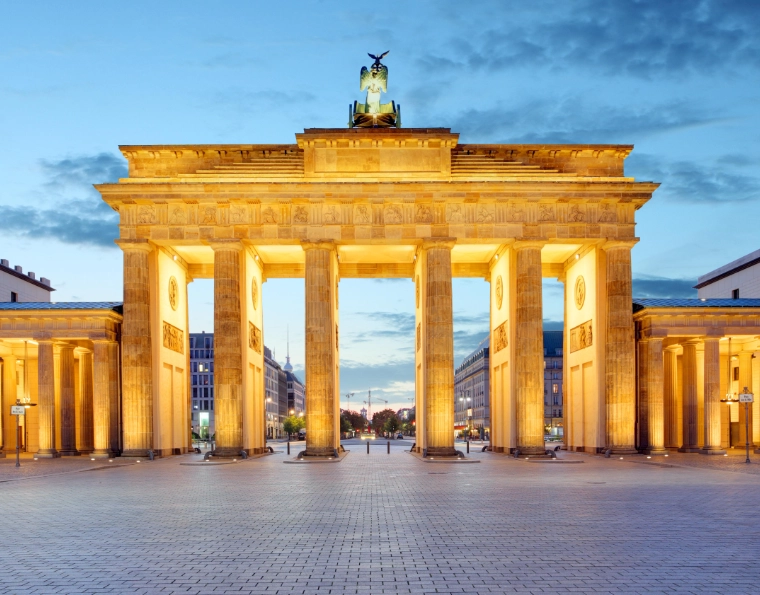
The Reichstag Building: The German parliament. The glass dome on top, designed by Norman Foster, is free to visit but you must book in advance online. Like, weeks in advance. The view is fantastic, and the audio guide tells you about the city and the building's history as you walk up the spiral ramp. It's one of the best free things you can do. The registration is on the official Bundestag website.
The Berlin Wall Memorial (Gedenkstätte Berliner Mauer) on Bernauer Strasse: Forget Checkpoint Charlie (it's a tourist trap with fake soldiers charging for photos). For a real, chilling, and deeply informative understanding of the Wall, come here. It's an outdoor museum stretching along a preserved "death strip." You see the layers of walls, the watchtower, the stories of escape attempts. It's sobering and essential.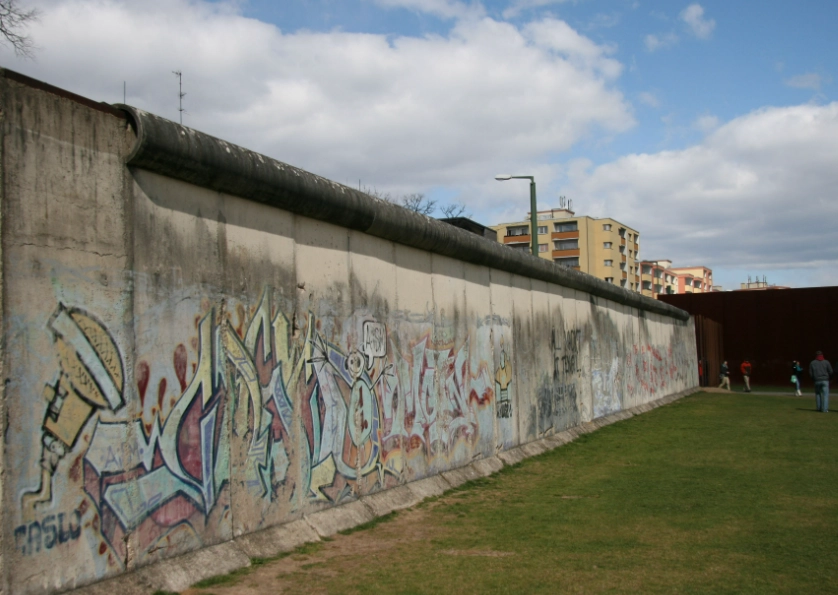
The Holocaust Memorial (Memorial to the Murdered Jews of Europe): A field of 2,711 concrete stelae of varying heights. You walk into it, and the ground dips, the blocks tower over you, the city noise fades. It's a deeply personal experience. Some people find it moving, others confusing. There's an information underground that's excellent but harrowing. Be respectful—no climbing or jumping between the blocks for photos. I've seen it, and it never fails to make the chatter stop.
A word on behavior: At sites like the Holocaust Memorial or the Topography of Terror, the mood is solemn. Loud talking, laughing selfies, and picnic lunches are major faux pas. Be aware of the context.
Museum Lovers, This is Your Mecca
Museum Island is a UNESCO World Heritage site. Five world-class museums on a small island in the Spree river. You could spend three days here alone.
My top picks:
- The Pergamonmuseum: Home to the mind-blowingly huge Pergamon Altar and Ishtar Gate of Babylon. Parts are closed for renovation until 2037 (!), but the Panorama exhibition by artist Yadegar Asisi is a stunning virtual recreation. Check what's open on the Staatliche Museen website.
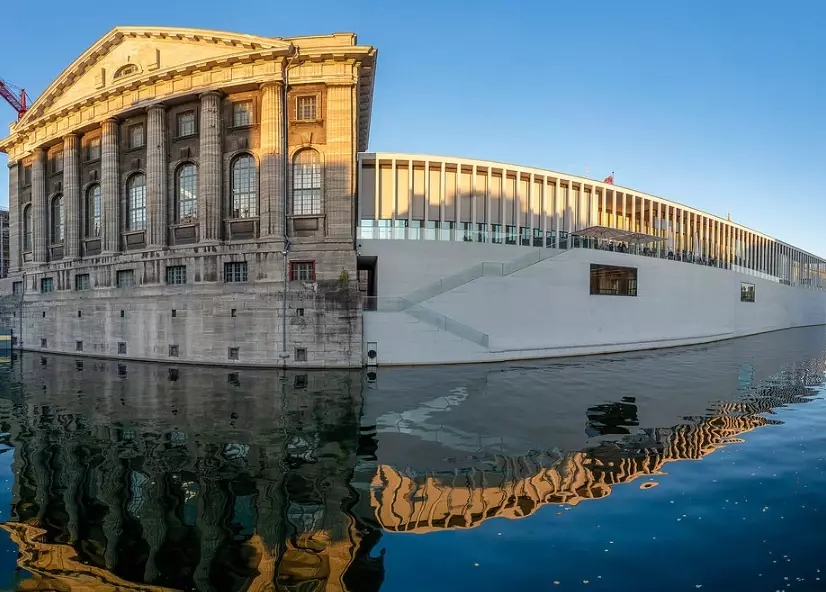
- The Neues Museum: It houses the exquisite bust of Nefertiti. The building itself, meticulously restored after WWII damage, is a masterpiece.
- The Alte Nationalgalerie: If you like 19th-century paintings (Caspar David Friedrich, Monet, Renoir), this is your spot.
Consider the Museum Island Pass if you plan to visit several. Book timed tickets online to skip the lines.
Outside the island, the Jewish Museum Berlin (Jüdisches Museum) is an architectural wonder by Daniel Libeskind and the content is profoundly impactful. The DDR Museum is interactive and fun, showing life in East Germany—you can sit in a Trabi car simulator. It's crowded and a bit kitschy, but kids love it.
Living Like a Local: Berlin's Beating Heart is in its Neighborhoods
This is where any decent Berlin travel guide needs to spend time. The city's soul isn't just in its museums; it's on the streets of its distinct Kieze (neighborhoods).
Kreuzberg & Friedrichshain: The Rebel Hubs
Once the gritty centers of counterculture and punk, now firmly on the tourist map but still buzzing with energy. Kreuzberg, especially around Oranienstrasse and the Landwehr Canal, is full of Turkish markets, street art, and bars. Must-visit: Görlitzer Park (be mindful, day is better than night) and the Turkish Market on Tuesday and Friday afternoons along the canal.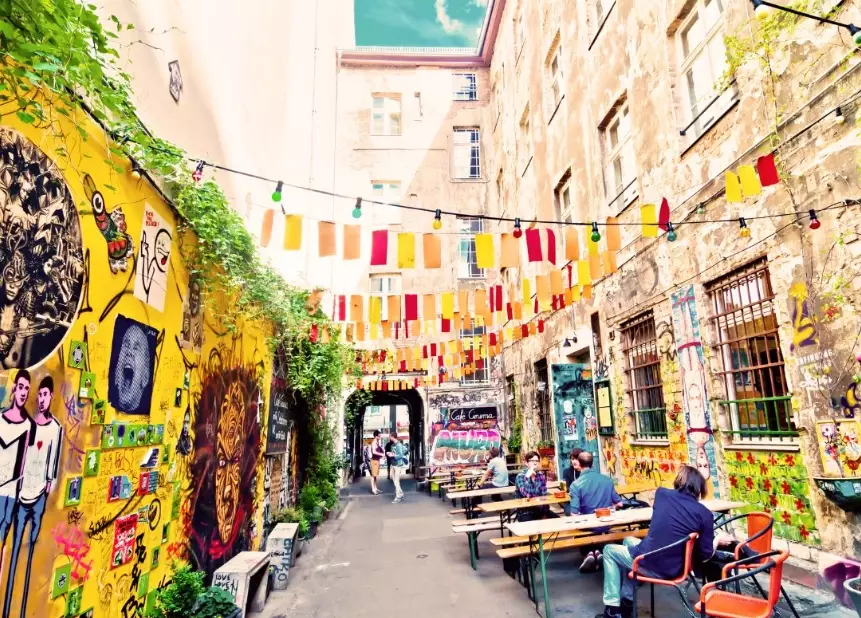
Friedrichshain is home to the East Side Gallery—the longest remaining stretch of the Berlin Wall, now an open-air gallery with famous murals. It's cool, but it's also along a busy road. Go for a walk, but don't expect a serene art experience. The real life here is in the boxpark-style shops at RAW-Gelände, an old train repair yard turned into a club/bar/skatepark complex.
Prenzlauer Berg: The Polished Parent
Picture beautiful, restored Altbau (old buildings), organic playgrounds, chic cafes, and strollers everywhere. It's lovely, safe, and, some say, a bit sanitized. The Mauerpark on Sunday is an institution—part flea market, part karaoke bear pit (the outdoor karaoke is legendary and draws huge crowds). It's chaotic and fun.
Neukölln & Wedding: The New Frontiers
These are where the artists and students went when Kreuzberg got too expensive. Neukölln, around Weserstrasse and Sonnenallee, is incredibly diverse, with amazing Arab food, dive bars, and a raw, creative edge. It feels more "real" and less curated. Wedding is up-and-coming, with a great brewery (Vagabund Brauerei) and a more residential feel.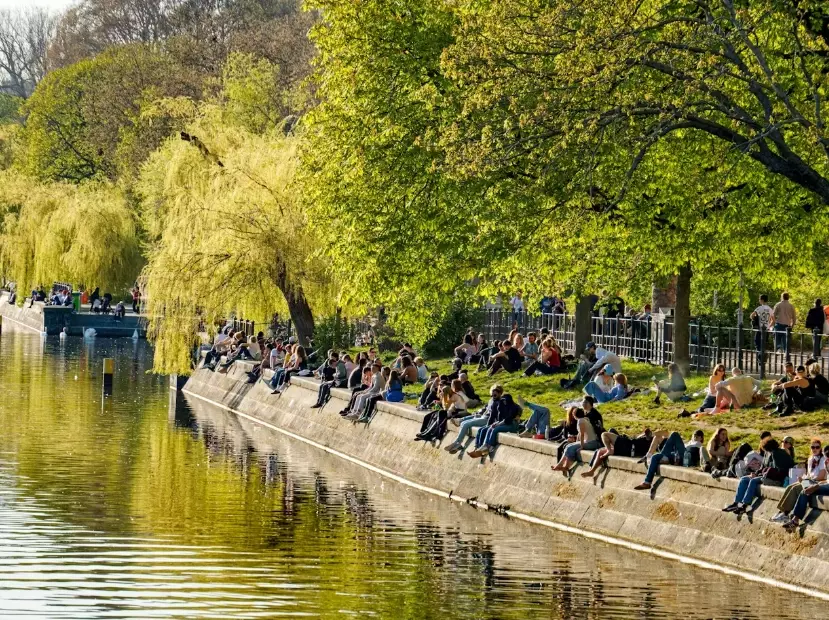
Mitte is the central district. It has the big sights, but also high-end shopping and pricey restaurants. The northern part, around Rosenthaler Platz and Auguststrasse, retains some cool galleries and cafes.
Eating & Drinking: Beyond Currywurst
Yes, you must try currywurst (fried sausage with curry ketchup and curry powder). I'm partial to Curry 36. But there's so much more.
My personal rant: Avoid the generic restaurants sitting right on Alexanderplatz or near the Brandenburg Gate. They're overpriced and serve mediocre food to trapped tourists. Walk 10-15 minutes into a side street, and you'll find something better and cheaper.
German Classics: Find a good Kneipe (pub) for Eisbein (pork knuckle), Schnitzel, or a hearty Goulash. Drink a local beer—a crisp Pilsner from Berliner Kindl or a malty Märzen. Berliner Weiße mit Schuss (sour wheat beer with a shot of woodruff or raspberry syrup) is a unique, sweet-and-sour local drink. Try it once.
International Feast: Berlin's food scene is global. Incredible Vietnamese in the eastern districts (due to East German guest worker programs), fantastic Turkish (not just döner, try a proper lahmacun or a mezze platter), and amazing Syrian/Lebanese food in Neukölln.
Vegetarian/Vegan Heaven: Berlin is arguably one of the best cities in the world for plant-based eating. Entire menus are dedicated to vegan versions of everything. Places like Cookies Cream (upscale vegetarian) or the countless vegan döner spots are top-notch.
Coffee culture is serious here. Third-wave cafes are everywhere. Expect to pay €4+ for a flat white, but it'll be excellent.
The Nightlife Myth & Reality
Berlin's club scene is world-famous. Berghain is the notorious temple of techno, known for its extreme door policy. A word of advice: unless you're deeply connected to the techno scene and look the part, don't set your heart on getting in. The rejection rate is high, and the bouncers (like the legendary Sven Marquardt) are infamous.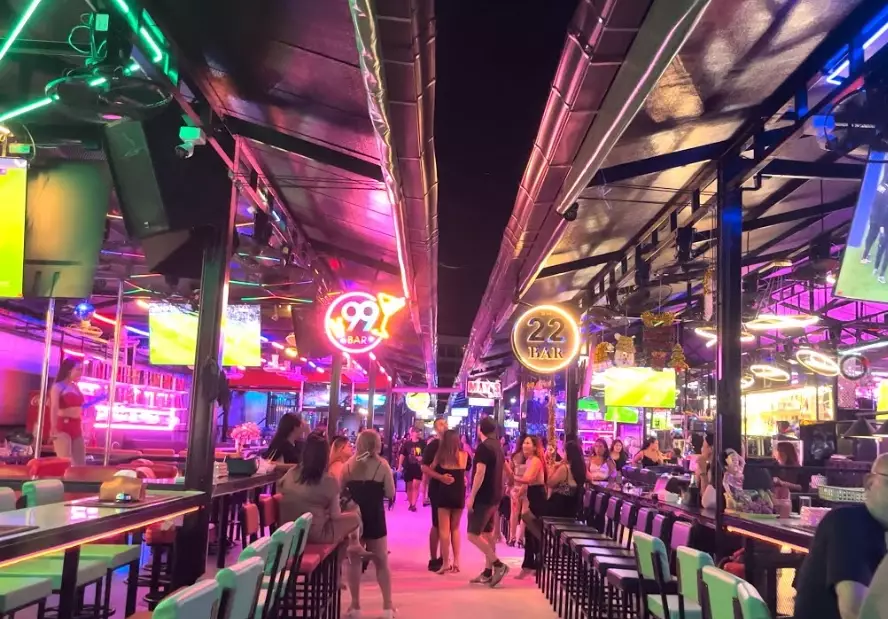
The good news? There are a hundred other amazing clubs. ://about blank, Tresor, Sisyphos, Watergate... The music is serious, the nights are long (often starting after midnight and going well past noon the next day), and the vibe is about immersion, not just getting drunk.
Dress down, not up. A casual, individual style is better than heels and a dress shirt. Check resident advisor (RA) for line-ups. And for a more low-key night, Berlin's bar scene is incredible—from secret speakeasies to rustic Kneipen.
Practicalities & FAQs: Stuff You Actually Need to Know
Let's wrap this Berlin travel guide up with the nitty-gritty.
Berlin Travel Guide FAQ
A Few Final, Random Tips
- Tipping: Round up or add 5-10% in restaurants. You usually tell the server the total amount you want to pay when they bring the card machine. For a €19 bill, you'd say "20" or "21."
- Public Toilets: Often require a small fee (€0.50-€1). Keep some coins handy. Cafes expect you to be a customer.
- Water: Tap water (Leitungswasser) is safe and excellent to drink. In restaurants, if you ask for water, you'll usually get expensive bottled mineral water. Ask specifically for "Leitungswasser, bitte" if you want tap. They may charge a small fee for the glass.
- Cycling: Berlin is a great bike city. Rentals are easy. But obey the rules! Bike lanes are often red. Don't walk in them. And watch for trams—they have the right of way, always.
So there you have it. A massive, sprawling, complicated, and utterly captivating city. Don't try to see everything. Pick a couple of museums, wander a neighborhood or two, eat something weird, have a beer by the canal, and feel the weight and the lightness of Berlin all at once. That's when you get it. That's when this Berlin travel guide has done its job, and the city starts to work its magic on you.
Have an amazing trip. And wear comfortable shoes. Seriously.