You asked: what is the famous nightlife street in Hamburg? The answer is one word, a name that echoes far beyond Germany's borders: the Reeperbahn. Located in the St. Pauli district, this isn't just a street; it's a sprawling, neon-drenched ecosystem of hedonism, history, and raw energy. But here's the thing most first-time visitors miss—it's not a monolithic party zone. It's a collection of distinct vibes, from the legendary clubs that launched The Beatles to cozy corner Kneipen (pubs), world-class theaters, and streets with very specific rules.
I've walked this street in every state—jet-lagged tourist, curious daytime explorer, and yes, as part of the weekend crowd. The Reeperbahn can overwhelm you if you're not prepared. This guide cuts through the hype. We'll look at what makes each part tick, how to navigate it safely and smartly, and why you might want to see it with the lights on.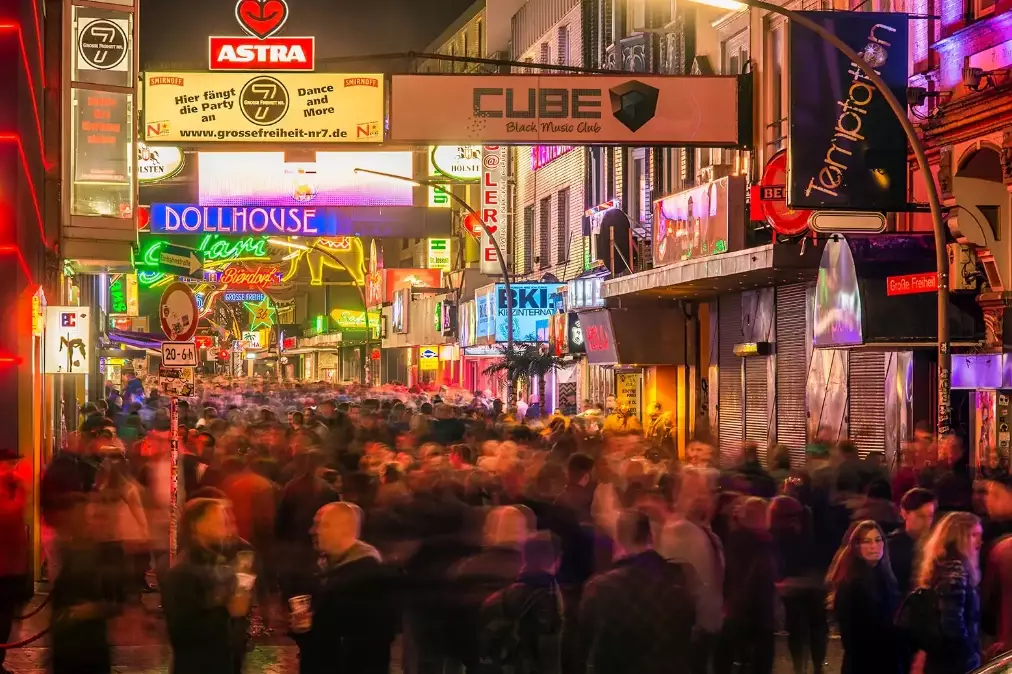
What You'll Find in This Guide
Reeperbahn: More Than Just Clubs and Bars
Calling the Reeperbahn just a "nightlife street" is like calling the ocean a big pond. Its history is the backbone. The name comes from "Reep" meaning rope, as it was where rope-makers for the nearby port had their workshops. The entertainment shift came with sailors seeking fun, and it evolved into the central nervous system of Hamburg's counter-culture.
Today, it's a sanctioned zone of adult entertainment, but also a cultural hub. The St. Pauli Theater and Operettenhaus (home to musicals like "The Lion King") sit a stone's throw from pulsating techno temples. This juxtaposition is key to understanding Hamburg—it's a city of contrasts, and the Reeperbahn is its most vivid display.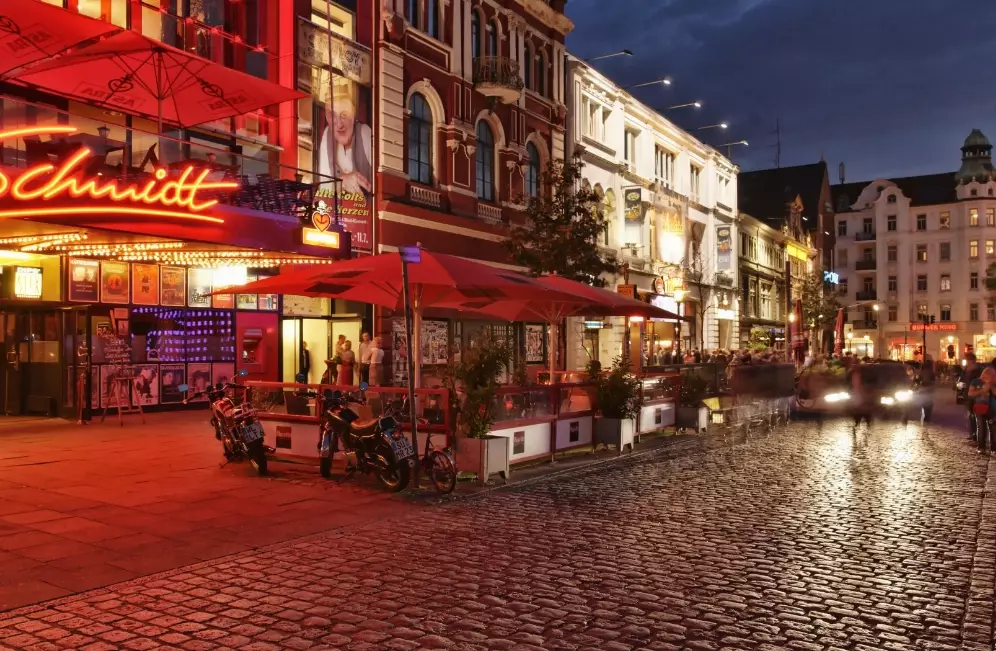
For music fans, the legacy is immense. The Beatles' 1960-62 residency in clubs like the Kaiserkeller and Indra shaped their early sound. You can stand on Beatles-Platz, a circular plaza with steel sculptures of the band, and feel that history. But the music never stopped. From the metal and rock haven of Headcrash to the electronic institution Uebel & Gefährlich in a WWII bunker, the street still breeds musical innovation.
Navigating the Reeperbahn: A Street-by-Street Guide
To avoid just shuffling along with the crowd, know where you're headed. Each street and square has its own personality.
Herbertstraße: The Forbidden Street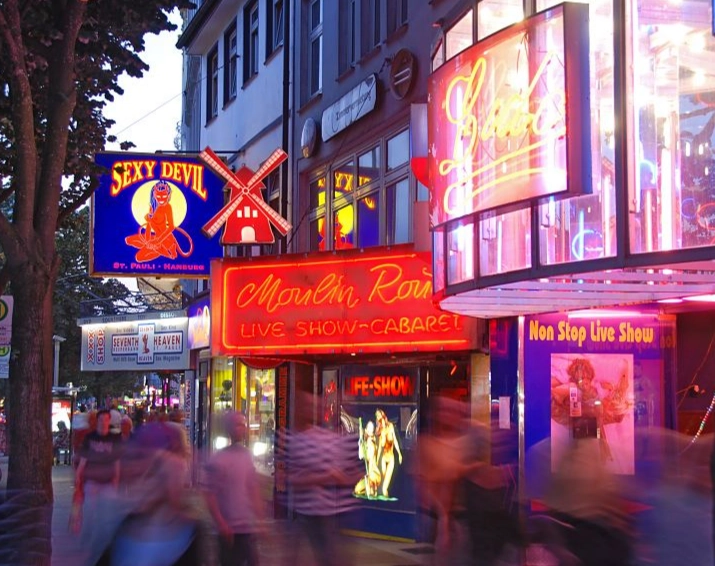
Let's address the elephant in the room first. Herbertstraße is a short, gated side street off the Reeperbahn. It's a street for legal prostitution, with women displayed in windows. It is strictly off-limits to minors, women, and men not actively seeking those services. The entrances are blocked by solid wooden fences with clear warnings.
My advice? Don't gawk or linger by the entrances. It's disrespectful and attracts the wrong kind of attention. This is part of the Reeperbahn's reality, but it's a self-contained one. Treat it like a private club you're not a member of, and move on.
Große Freiheit: Live Music Mecca
This is where the magic happened for The Beatles, and the live music spirit is still strong. It's slightly less frantic than the main drag.
- Grosse Freiheit 36: A legendary club complex. Kaiserkeller in the basement hosts indie and rock. Upstairs, the main hall has big-name acts and club nights.
- Molotow: A bit further down, this is a gritty, beloved institution for alternative rock, punk, and electronic music. It feels authentic, not corporate.
- Various Bars: The street is lined with bars that often have live bands or DJs without a hefty cover charge.
Hans-Albers-Platz: The Beating Heart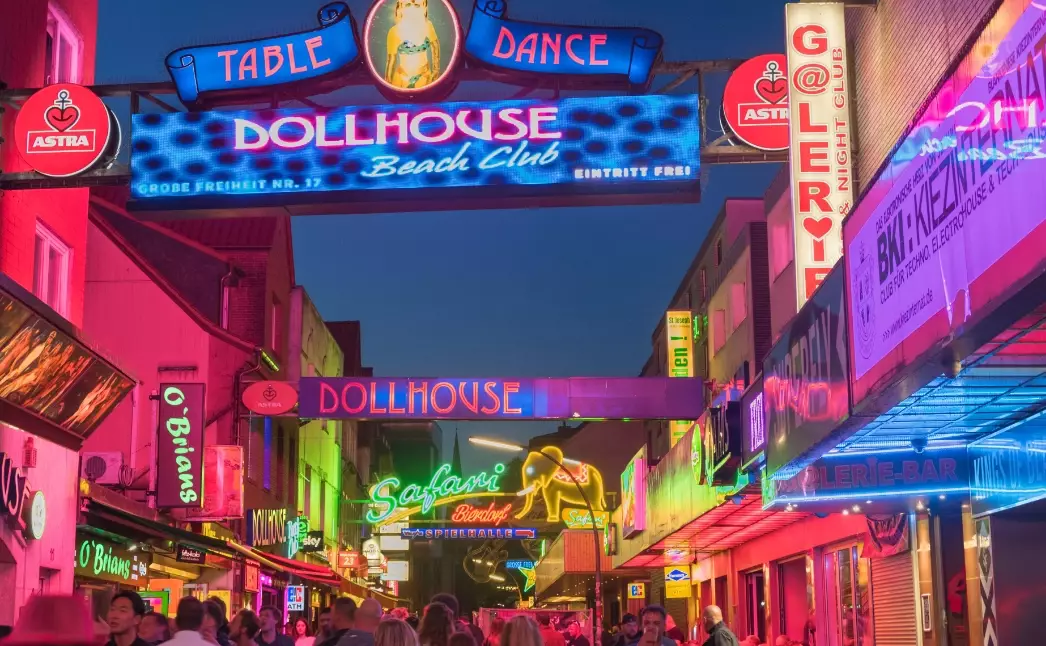
This square, named after a famous German actor, is the crossroads. The iconic Davidwache police station is here—probably the most photographed police station in Germany. It's a symbol of the controlled chaos. From here, you're at the epicenter. To the west, the main Reeperbahn stretches with its large clubs and flashy venues. To the east, it leads towards the landing bridges and a slightly more relaxed bar scene.
This is also where you'll find Zur Ritze, a famous bar in a basement with a hidden boxing ring in the back (Ritze Boxclub). It's a piece of old St. Pauli, though it can be intimidatingly cool.
Planning Your Reeperbahn Visit: Practical Tips & Tricks
Here’s the tactical knowledge you won't find on a generic tourism page.
| Venue Type | Typical Opening Hours | Atmosphere & Notes | Price Indicator (Drinks) |
|---|---|---|---|
| Major Clubs (e.g., Docks, Uebel & Gefährlich) | 11 PM - 5 AM+ (Fri/Sat) | Strict door policy, often guest lists, dress smart-casual (no sportswear). Long lines after midnight. | High (€5-8 beer, €12+ cocktails) |
| Live Music Bars/Pubs (e.g., Molotow, various on Grosse Freiheit) | 8 PM - 2/3 AM | More relaxed, cover charge for specific gigs. Crowd is there for the music. | Medium (€4-6 beer) |
| Standard Kneipen (Pubs) | 6 PM - 1 AM (some all day) | Local feel, good for starting the night or a casual drink. Often cash-only. | Low-Medium (€3.5-5 beer) |
| Theaters/Shows (Operettenhaus) | Showtimes vary, often 7:30 PM | Formal night out. Book tickets well in advance. | Theater bar prices (High) |
Getting There & Away
U-Bahn: U3 to "St. Pauli" is the classic move. The exit drops you right into the thick of it.
S-Bahn: S1, S2, S3 to "Reeperbahn." Equally central.
Taxi/Rideshare: Designated ranks are at Hans-Albers-Platz and other major squares. Surge pricing after 1 AM is brutal.
Big Mistake: Driving. Parking costs a fortune and you'll be in no state to drive back.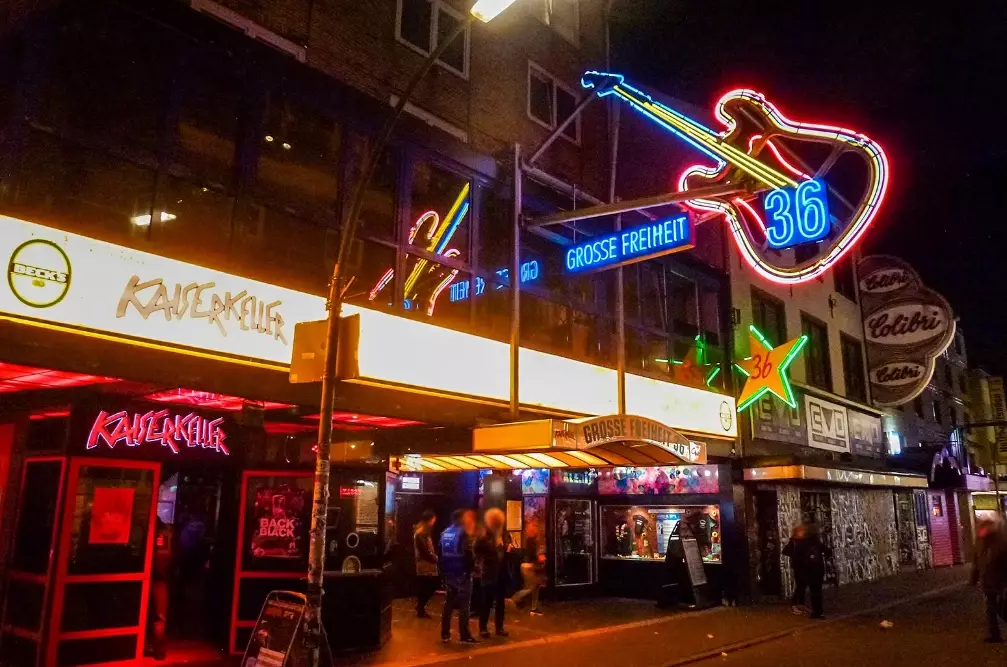
Safety & Etiquette
The area is heavily policed (Davidwache is right there), but common sense is your best friend.
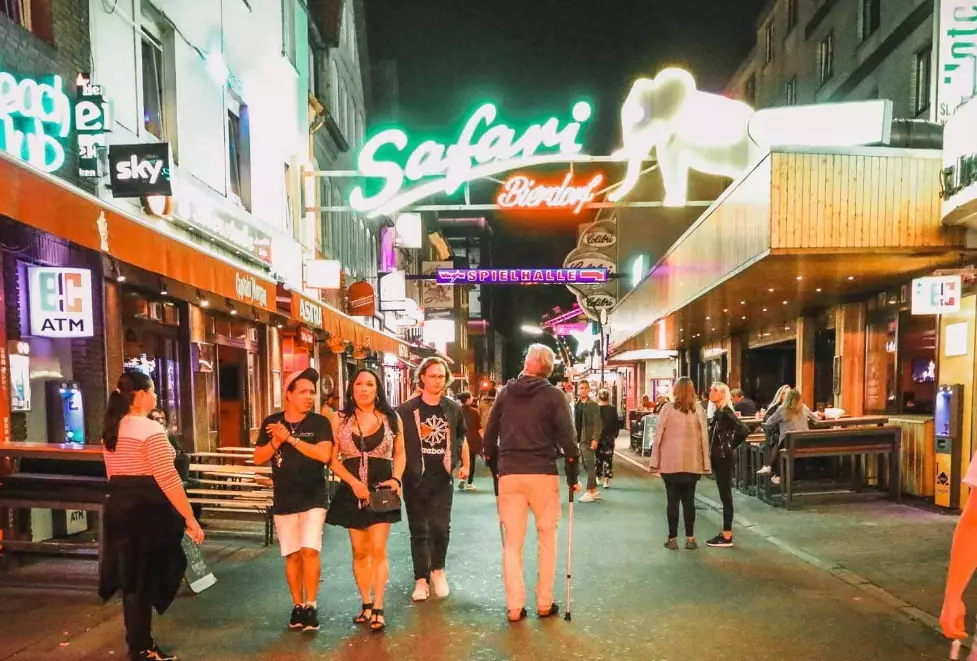
- Cash is King (in many places): While cards are widely accepted, smaller bars and quick drink stands prefer cash. Withdraw money before you arrive; ATM fees on the street are high.
- Watch Your Belongings: Pickpockets operate in dense crowds. Keep your phone and wallet secure, not in a back pocket.
- Door Policy: Bouncers have absolute authority. Be polite, don't argue. Groups of only men often have a harder time getting into upscale clubs.
- The "Kiez" is a Community: St. Pauli has a strong local identity. Don't be obnoxious or disrespectful. This isn't a theme park.
Beyond the Neon: Reeperbahn's Daytime Attractions
Come back the next day. Seriously. The atmosphere is completely different, and you can appreciate details the night hides.
Beatles-Platz (Beatles Square) is an open, public space. The steel silhouettes are perfect for photos. The Panoptikum wax museum (Davidstraße 17) is Germany's oldest and wonderfully quirky. It's a time capsule with figures from regional celebrities to international stars.
Walk by the Davidwache and appreciate its architecture. Visit the St. Pauli Museum (Davidstraße 17) to dive deep into the district's fascinating history, from sailors to squatters to football culture. The FC St. Pauli fan shop is nearby for football memorabilia from Germany's most famously left-wing club.
You can also take a guided tour. Contextual tours that focus on the history and culture, rather than just the sensational aspects, are widely available and highly recommended. They'll explain the significance of places you walked past at night.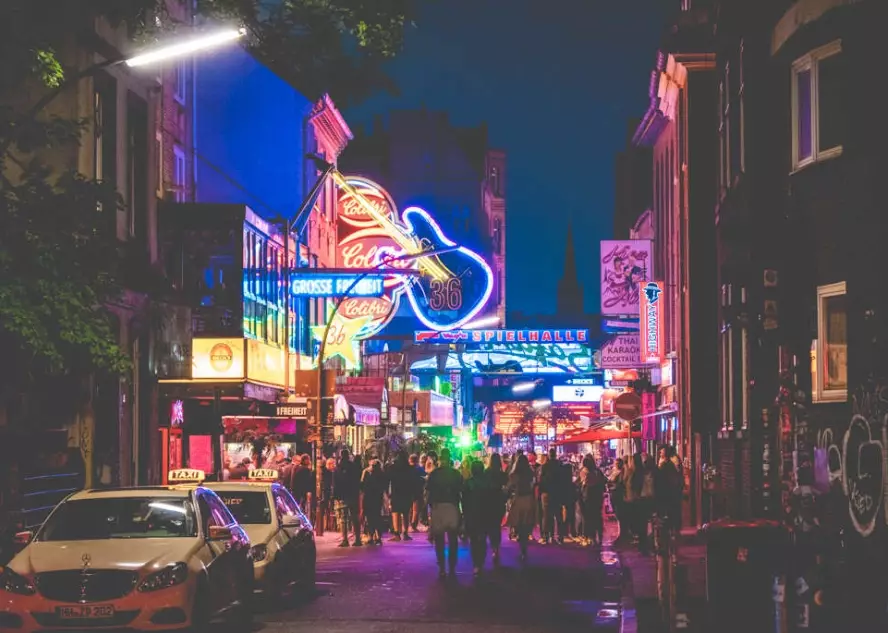
 So, what is the famous nightlife street in Hamburg? It's the Reeperbahn, a complex, historic, and utterly unique destination. It can be a blur of lights and sound, or a place of tangible cultural history. Your experience depends entirely on how you approach it. Go with curiosity, respect, and a plan, and you'll move past the postcard image to understand why this street is a legend.