Quick Guide
Let's be honest, when most people think of German food, their minds jump straight to bratwurst and maybe a giant pretzel. And don't get me wrong, those are iconic for a reason. But if you stop there, you're missing out on a whole world of flavor that's as diverse as Germany's regions themselves. I remember my first trip to Berlin, thinking I knew what to expect, only to be completely blindsided by the depth and variety on offer.
German cuisine is the ultimate comfort food. It's built for cold winters, long conversations in cozy pubs, and celebrating after a hard day's work. It's not about delicate, tiny portions. It's about satisfaction. Hearty meats, robust potatoes, tangy cabbages, and bread so good it's practically a food group. But it's also got surprising finesse, with sweet pastries that rival any French patisserie and wines from regions like the Mosel that are world-class.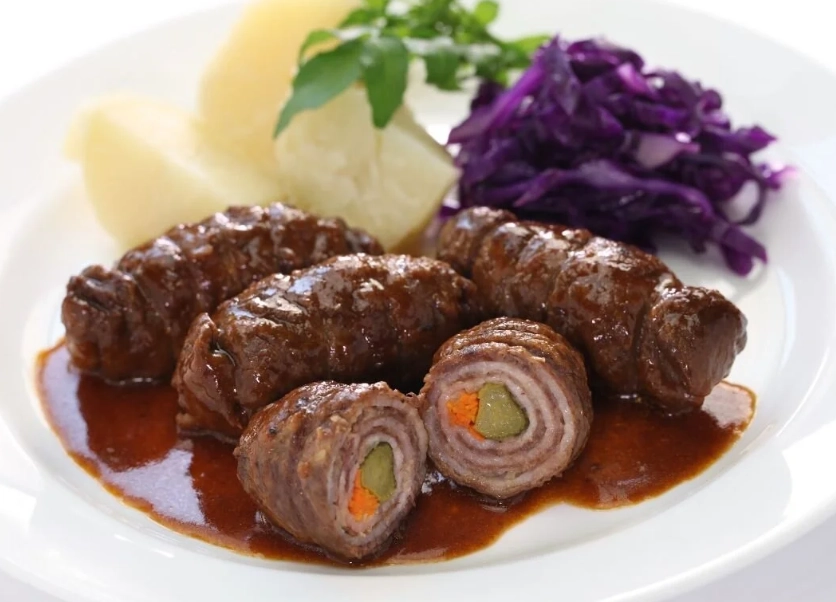
This isn't just a list. It's a deep dive into the soul of German cooking. We're going beyond the textbook definitions to talk about what these 15 traditional German foods actually taste like, the little stories behind them, and even where they sometimes go wrong (yes, some dishes can be a bit too heavy or bland if not done well). Whether you're planning a trip, curious about your heritage, or just want to cook something new, this guide is for you.
More Than Just Sausage: Understanding German Food Culture
You can't really appreciate the food without getting a feel for the culture it comes from. German meals are often social events. The Gemütlichkeit – that feeling of cozy warmth and good cheer – is almost an ingredient itself. Meals are taken seriously, but in a relaxed way. Lunch (Mittagessen) is typically the main meal, though that's changing in cities.
And the regionality is key. Bavaria in the south feels completely different from Schleswig-Holstein in the north, and the food reflects that. The north, with its access to the sea, is all about fish like herring. The south, nestled in the Alps, is king of dumplings, rich meats, and creamy sauces. The west, near France, has influences like wine sauces. It's a delicious geography lesson.
So, before we jump into our list of 15 traditional German foods, let's set the scene with a quick regional breakdown. It'll make the “why” behind the “what” much clearer.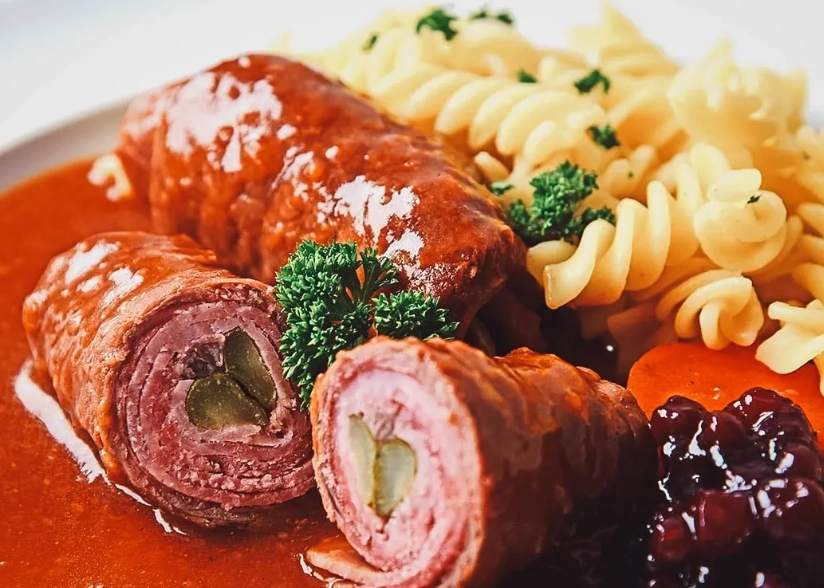
| Region | Key Characteristics | Famous Dishes (from our list) |
|---|---|---|
| Bavaria & Swabia (South) | Hearty, meat-heavy, dumplings, rich sauces. Think alpine comfort food. | Weisswurst, Schweinshaxe, Käsespätzle, Obatzda, Apfelstrudel |
| Rhineland & Hesse (West/Central) | Influenced by French cuisine, more wine-based sauces, sour flavors. | Sauerbraten, Handkäse mit Musik |
| Northern Germany | Lighter, more seafood, influenced by Scandinavian cuisine. | Labskaus, various fish dishes (often with Rote Grütze for dessert) |
| Berlin & Brandenburg (East/Northeast) | Rustic, simple, with pickling and curing traditions. | Eisbein, Currywurst |
| Baden & Swabia (Southwest) | A focus on high-quality, local produce, often lighter preparations. | Black Forest Cake (Schwarzwälder Kirschtorte) |
See what I mean? It's a patchwork. Now, let's get to the good part—the food itself. We've grouped these 15 traditional German foods to make it easier to navigate, from savory mains to those unmissable sweets.
The Main Event: Hearty Savory Dishes
This is where German cuisine plants its flag. These are the dishes that fill you up and warm you from the inside out. They're often paired with potatoes in some form (mashed, boiled, fried, dumplings) or that incredible German bread.
Sauerbraten: Germany's National Dish (Debatably)
Calling anything Germany's "national dish" starts arguments, but Sauerbraten has a strong claim. It's a pot roast, but not like your grandma's. The magic is in the marinade—beef (or sometimes pork or horse) is marinated for days in a mixture of vinegar, wine, water, and spices like juniper berries and cloves. This tenderizes the meat and gives it a unique, deep, tangy-sweet flavor that's utterly distinctive.
It's then slow-cooked until it falls apart. The gravy, thickened with Lebkuchen (gingerbread) crumbs or crushed speculoos cookies, is the star—dark, rich, complex, and slightly sweet. It's traditionally served with red cabbage (Rotkohl) and potato dumplings (Knödel). A Sunday family meal classic.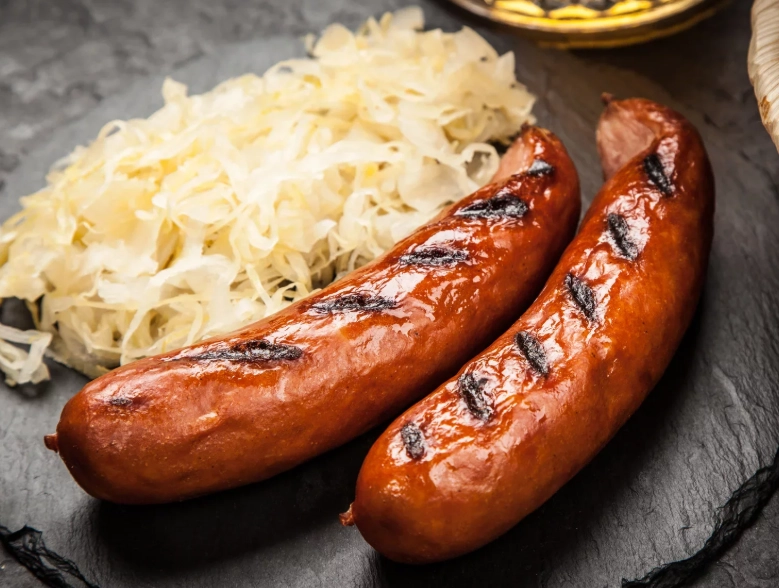
Schweinshaxe: The Legendary Pork Knuckle
This is Bavarian beer hall theater on a plate. A whole pork knuckle (the hock) is roasted or grilled until the skin is unbelievably crispy and crackling, while the meat inside becomes tender and juicy. It's massive, it's imposing, and it's delicious.
The key is that crackling. It should shatter like glass when you tap it with a knife. It's usually served with potato dumplings and sauerkraut to cut through the richness. You need a good German beer with this—a Helles or a Märzen. It's not a subtle dish, but it's an unforgettable one.
Currywurst: Berlin's Street Food Icon
Born in post-war Berlin, this is arguably Germany's most famous fast food. It's a simple concept: a steamed then fried pork bratwurst, sliced into coins, and smothered in a curry-ketchup sauce, then dusted with curry powder. Served with a side of fries (Pommes).
The debate? The sauce. Every stand has its secret recipe. Some are sweeter, some spicier, some more tomatoey. The official Berlin tourism site even has pages dedicated to its history. It's cheap, filling, and the perfect late-night snack. Don't expect haute cuisine; expect flavorful, greasy satisfaction.
Is it the best sausage you'll ever have? Probably not.
But it's a cultural experience you can taste.
Käsespätzle: Germany's Answer to Mac and Cheese
This Swabian special is the ultimate comfort food. Spätzle are soft egg noodles, kind of like a cross between a noodle and a tiny dumpling. For Käsespätzle, they're layered with vast amounts of grated Emmentaler or similar cheese and fried onions, then baked until gooey and golden.
It's cheesy, carb-heavy bliss. Often served with a simple green salad to add something fresh to the mix. It's a vegetarian-friendly staple in a very meat-centric cuisine, and a must-try in the Black Forest region.
Eisbein: The Salt-Cured Pork Shank
Popular in Berlin and the east, this is Schweinshaxe's cured cousin. The pork hock is pickled or salt-cured before being boiled or roasted. The result is a more savory, ham-like flavor compared to the roasty freshness of Schweinshaxe. The skin is still aimed for crispiness, but the meat has a denser, saltier character.
It's almost always paired with sauerkraut and mashed peas or potato puree. It's incredibly hearty—the kind of meal that sticks with you for hours.
The Sausage Spectrum: Beyond the Basic Brat
Germany has over 1,500 types of sausage. We can't cover them all, but these are the essential ones that define the categories within our 15 traditional German foods.
Weisswurst: The Bavarian Breakfast Ritual
These “white sausages” are a Munich institution. Made from veal, pork back bacon, parsley, lemon, and spices, they're pale, delicate, and poached, not fried. Here's the ritual: they are traditionally eaten before noon (they're fresh and don't keep).
You don't eat the skin. You either peel it off or use the “zuzeln” method—sucking the meat out of one end. They're served in a bowl of hot water with a giant soft pretzel (Brezn), sweet mustard (süßer Senf), and a wheat beer (Weißbier). The flavor is mild, herby, and wonderfully light for a sausage.
Bratwurst: The Grilled Classic
The generic term hides huge variety. A Nürnberger Rostbratwurst is tiny, thin, and grilled in links of six or twelve. A Thüringer Rostbratwurst is longer, seasoned with marjoram. They're typically grilled and served in a crusty roll (Brötchen) with mustard—currywurst aside, ketchup is often frowned upon!
The key is the snap of the casing and the juicy, seasoned interior. A simple, perfect street food.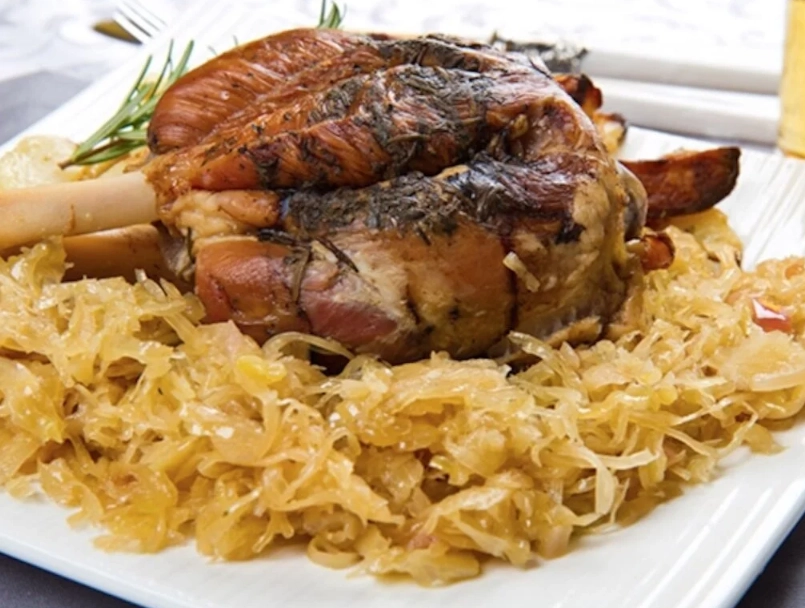
Blutwurst (Blood Sausage) & Leberwurst (Liverwurst)
Let's address the offal elephants in the room. Blutwurst is a blood sausage, often mixed with oatmeal or barley. It can be eaten cold, sliced on bread with onions, or pan-fried. The flavor is iron-rich, earthy, and spiced. It's an acquired taste, but a traditional one.
Leberwurst is a smooth, spreadable liver sausage. It's not as challenging as it sounds—think of it as a very savory, meaty pâté. Smeared on dark rye bread with pickles or raw onion rings, it's a standard breakfast or snack.
Pro-Tip: The best way to explore German sausages is at a local butcher (Metzgerei) or a market stall. Ask what's fresh and local. They'll know best.
Side Dishes & Snacks That Steal the Show
Sometimes the supporting cast is just as important. These sides and snacks are dishes in their own right and are central to understanding the full scope of traditional German foods.
Sauerkraut: The Misunderstood Staple
It's not just sour cabbage from a can. Proper German sauerkraut is finely cut cabbage fermented by lactic acid bacteria. It's tangy, crunchy, and probiotic. It's almost always cooked—simmered with juniper berries, caraway seeds, and sometimes a bit of white wine or apple. This mellows the acidity and creates a wonderful savory side that cuts through fatty meats.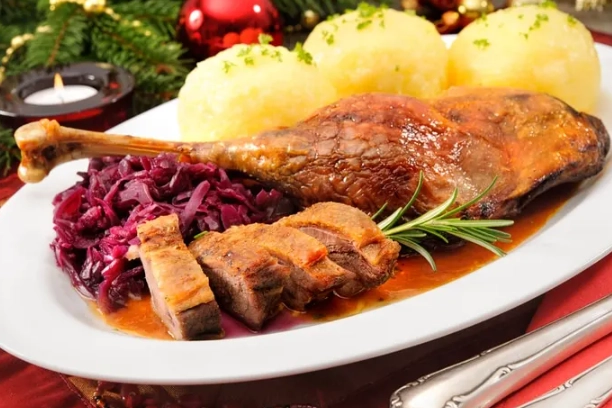
Bad sauerkraut is mushy and one-note sour. Good sauerkraut has a pleasant bite and complex flavor.
Bretzel/Pretzel: The Twisted Bread Masterpiece
The German pretzel (Brezn in Bavaria) is a world away from the hard snack bags. It's a soft, chewy, lye-treated bread with a deep brown, glossy crust and coarse salt. The lye bath (food-grade sodium hydroxide) is what gives it that unique flavor and dark color.
Eaten fresh from the bakery, it's a breakfast, a snack, or the perfect companion to Weisswurst and beer. The contrast between the salty crust and soft, slightly sweet interior is perfect.
Obatzda: The Ultimate Beer Garden Spread
This Bavarian cheese spread is a masterpiece of simplicity. It's made by mashing ripe Camembert (or similar soft cheese) with butter, sweet paprika, onions, and sometimes a splash of beer. It's creamy, tangy, savory, and slightly spicy. Served with a fresh pretzel, radishes, and onions, it's the quintessential beer garden snack. It proves German food isn't all heavy meat—it can be wonderfully social and shareable.
Handkäse mit Musik: The Daredevil's Snack
This is a Hesse specialty, and it's… bold. “Hand cheese with music.” It's a small, sour milk cheese with a translucent, yellow appearance and a pungent aroma. The “music” is a marinade of vinegar, oil, raw onions, and caraway seeds.
The flavor is intensely sour, tangy, and oniony. It's an acquired taste that I'm still acquiring, to be honest. But it's a true regional classic, often eaten with bread and a glass of apple wine (Apfelwein). You have to try it once.
The Sweet Finale: Cakes and Desserts
German baking is a serious art form. The afternoon coffee and cake ritual (Kaffee und Kuchen) is sacred. These desserts are worth saving room for.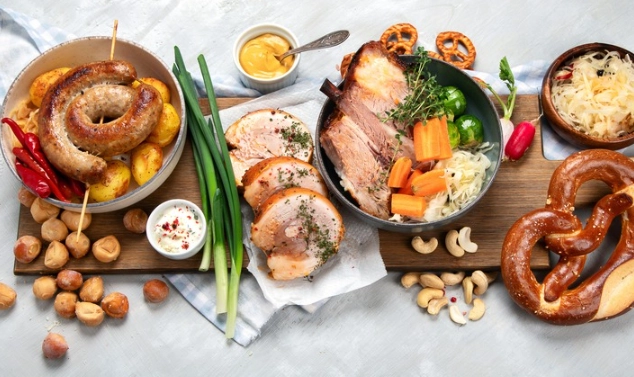
Apfelstrudel: The Flaky Apple Classic
While claimed by Austria, it's deeply embedded in Bavarian and German culture. The key is the paper-thin, stretchy dough, traditionally pulled by hand until you could read a newspaper through it. It's wrapped around a filling of tart apples, raisins, cinnamon, sugar, and breadcrumbs, then baked until golden.
Served warm with a dusting of powdered sugar and often vanilla sauce (Vanillesoße) or a dollop of whipped cream. The contrast of the crisp, buttery layers and the soft, spiced filling is heavenly.
Black Forest Cake (Schwarzwälder Kirschtorte)
This is the granddaddy of German cakes. It's not just a chocolate cherry cake. By EU law, a true Schwarzwälder Kirschtorte must contain kirschwasser—a clear, potent cherry brandy from the Black Forest region. Layers of chocolate sponge are brushed with kirsch, then layered with whipped cream and sour cherries. It's decorated with more cream, chocolate shavings, and cherries.
The flavor is deep chocolate, boozy cherry, and light cream. It's rich but not overly sweet. A masterpiece of patisserie. The German Food Association has resources on its website about traditional recipes and ingredients.
Rote Grütze: The Vibrant Red Berry Pudding
A summer favorite, especially in the north. It's a compote or pudding made from red berries like red and black currants, raspberries, and cherries, thickened with starch (cornstarch or potato starch). It's not a firm jelly; it's loose and spoonable.
It's served cold, often with a splash of vanilla sauce (Vanillesoße) or a dollop of whipped cream. The flavor is purely, brightly fruity and tart—a refreshing end to a meal or a lovely afternoon treat.
Regional Wildcard: Labskaus
We have to include one wildcard to show the true range of these 15 traditional German foods. Labskaus is a sailor's dish from the North Sea coast (Hamburg, Bremen). It's… a sight. Salted beef or corned beef is boiled with onions, then mashed together with potatoes, beetroot, and pickled gherkins into a pinkish, purée-like consistency.
It's served with a fried egg, rollmops (pickled herring), and pickled beetroot on the side. The flavor is salty, savory, pickled, and hearty. It was designed to use preserved ingredients on long sea voyages. It's polarizing—some love its unique flavor, others find the look off-putting. But it's a genuine, historical dish that tells a story.
Your German Food Questions, Answered
Let's tackle some common questions that pop up when people dive into German cuisine.
So there you have it. A journey through 15 traditional German foods that barely scratches the surface but gives you a real taste of what this rich, regional, and deeply satisfying cuisine is all about. It's food made for sharing, for celebrating, and for enjoying the simple pleasure of a meal done well.
The next time you think of German food, I hope you see beyond the sausage. You might picture the delicate layers of a Black Forest Cake, the tangy punch of a good Sauerbraten gravy, or the simple perfection of a fresh pretzel in a beer garden. That's the real Germany on a plate.
Go try some.
Your taste buds will thank you.