Before You Apply: A Quick Guide
Let's be honest, applying for a visa is nobody's idea of fun. It's paperwork, rules, and a whole lot of hoping things don't get rejected. I've been through it myself, and I've helped friends untangle the mess more times than I can count. So, if you're looking at a trip to Germany and that "Schengen visa" requirement is staring you down, take a breath. This isn't a dry, official manual. Think of it as a chat with someone who's navigated the system and wants to save you the headaches.
The Germany visa Schengen is your golden ticket to not just Germany, but most of continental Europe for a short stay. But here's the thing everyone wonders: how do you actually get it without the stress? The process feels opaque sometimes. You'll find official lists, but they don't tell you which document officers really scrutinize, or what silly mistake can add weeks to your wait.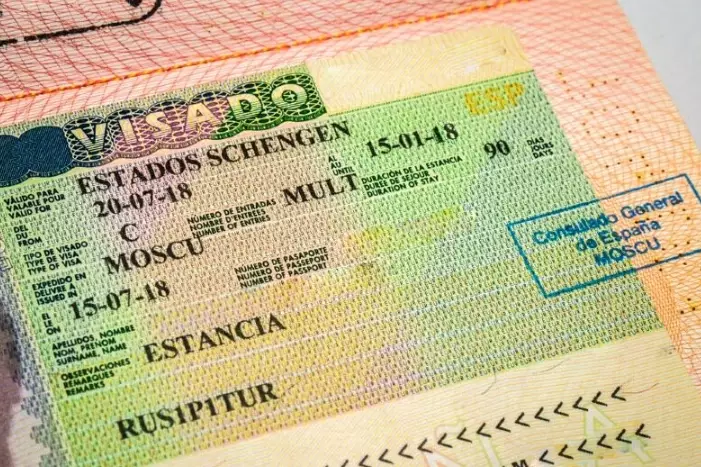
The Core Idea: A Germany Schengen visa is a short-stay visa (up to 90 days within a 180-day period) for tourism, business, or visiting family. It's issued by German authorities but lets you travel freely within the entire Schengen Area. Your main destination must be Germany, or if visiting multiple countries, Germany must be your first point of entry or the country where you'll spend the most days.
Who Actually Needs a Germany Visa Schengen?
This is the first big question. It depends entirely on your passport. Citizens of the EU, EEA, Switzerland, and a bunch of other countries like the US, UK, Canada, Australia, Japan, and South Korea don't need a visa for short visits. They can just hop on a plane.
For most other nationalities, you'll need to apply. The official source to check is always the Federal Foreign Office of Germany. They have a tool called the "Quick Check" for visa requirements. It's the most reliable place to start. Don't just rely on blog posts from two years ago – rules do change.
I remember a friend from Turkey assuming he could just go because his cousin in the EU said so. That was an expensive assumption to correct last-minute.
The Document Checklist: What You REALLY Need
This is the make-or-break part. Submitting incomplete documents is the fastest route to delay or rejection. The official list is a starting point, but I'll tell you where people usually slip up.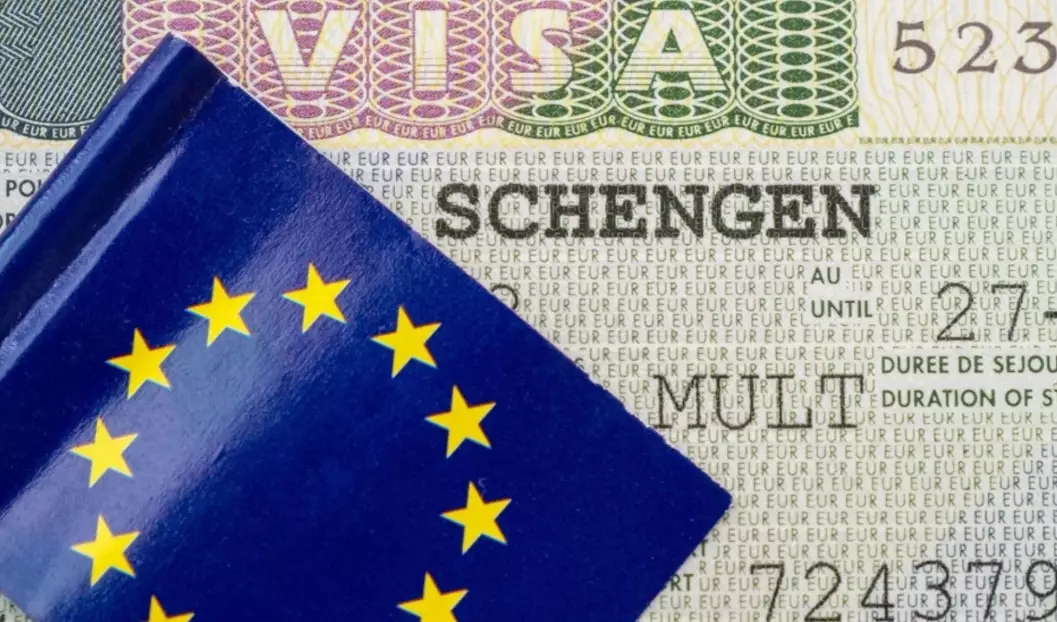
The Non-Negotiable Core Documents
You can't move forward without these. Get them ready first.
- Application Form: Filled out online via the VIDEX system. Print it, sign it. Double-check every date and name against your passport. A mismatch is a red flag.
- Valid Passport: This is crucial. It must be valid for at least three months beyond your intended departure from the Schengen Area. And it needs at least two blank pages. I've seen people turned away at the visa center because their passport was too full – a total nightmare.
- Two Identical Photos: Recent (within last 6 months), biometric, white background. Just go to a professional photographer and tell them it's for a Schengen visa. It's worth the $10 to avoid rejection over photo specs.
- Travel Medical Insurance: Minimum coverage of €30,000, valid for all Schengen states. It must cover any medical emergency, hospitalization, and repatriation. Buy this from a reputable company. The visa center will check the certificate closely. The EU's own travel advice page explains why this is so important.
The Documents That Prove Your Story
This is where you convince them you're a genuine visitor who will leave. Vague plans are a killer here.
Pro Tip: Officers are looking for a coherent story. Your flight dates, hotel bookings, and itinerary should all match perfectly. If you say you're going for a business conference from the 10th to the 15th, but your hotel booking is from the 9th to the 20th, they'll ask questions.
- Flight Reservation: A round-trip reservation. You don't always need to buy the tickets first (which is risky). Many airlines or travel agents can give you a "hold" reservation for visa purposes. Show you have a plan to leave.
- Proof of Accommodation: Hotel bookings for every night, or a formal invitation letter (Verpflichtungserklärung) from a host in Germany. The invitation letter needs to be certified at a German city office (Bürgeramt) by your host. It's a bit of work for them, so ask nicely!
- Proof of Financial Means: You need to show you can support yourself. The guideline is currently €53 per day of your stay. How do you prove it? Bank statements from the last 3-6 months showing steady funds, sponsorship letters, or proof of regular income like pay slips. A bank statement with a sudden, large deposit right before applying looks suspicious – it screams "borrowed money for the visa."
- Proof of Employment/Studies: A letter from your employer (on letterhead, with dates of leave and return-to-work confirmation) or your university (confirming enrollment and leave). This ties you back to your home country.
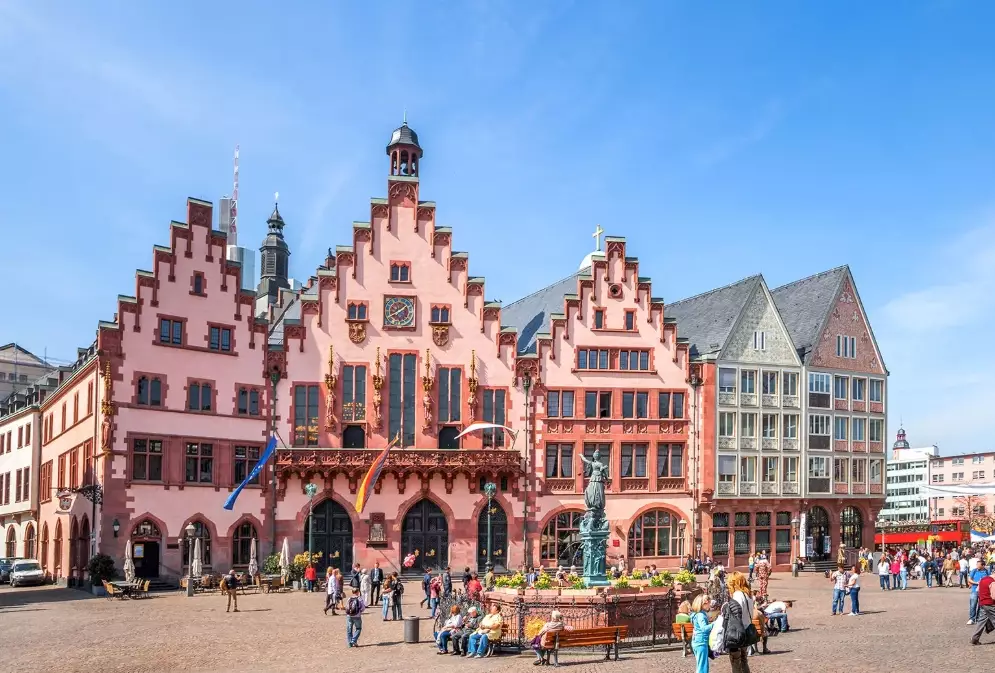
- Travel Itinerary: A simple day-by-day plan. "Day 1: Arrive Frankfurt, check into Hotel X. Day 2: Visit Römer, take river cruise..." It shows you've actually planned a trip.
| Document | Key Requirement | Common Pitfall to Avoid |
|---|---|---|
| Passport | Valid 3+ months beyond return, 2 blank pages | Checking expiry date but forgetting about blank pages. |
| Bank Statements | Last 3-6 months, showing consistent balance | One large deposit before applying with no explanation. |
| Travel Insurance | €30,000+ coverage, Schengen-wide | Buying cheap insurance that doesn't clearly state "Schengen Area" coverage. |
| Flight Reservation | Round-trip, matching itinerary dates | Booking a one-way ticket or dates that don't align with hotels. |
| Invitation Letter | Must be officially certified in Germany | Host writes a nice letter but doesn't get the official stamp from the Bürgeramt. |
The Step-by-Step Application Process, Demystified
Okay, you've got your folder of documents. Now what? The process isn't as linear as they make it seem, and waiting times can be frustrating.
Step 1: Figure Out Where to Apply
You usually can't apply directly to the German embassy. Most applications are handled by external service providers like VFS Global or TLScontact. You need to go to the website of the German mission (embassy or consulate) in your country. They will direct you to the correct partner website to book an appointment. This is the official portal: Germany.info. Find your local mission there.
Booking the appointment is often the first bottleneck. Slots can be booked out weeks in advance, especially before summer or Christmas. Start looking for an appointment before you have all your documents perfectly ready.
Step 2: The Visa Appointment & Biometrics
This is the face-to-face part. Bring every original document you have, plus two copies of everything. Dress neatly – first impressions matter, even in an administrative setting. The officer will check your documents, ask a few questions about your trip, and take your fingerprints (if you're over 12 and haven't given them for a Schengen visa in the last 59 months).
The questions are usually straightforward: "Why are you visiting Germany?" "Who are you visiting?" "What do you do for work?" Just answer honestly and match what your documents say. They're checking for consistency, not trying to trick you.
Be calm, be clear, and have your story straight.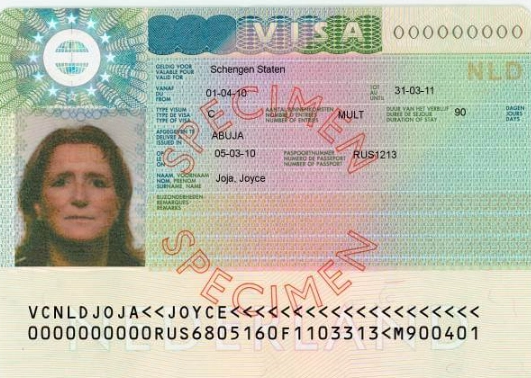
Step 3: The Waiting Game & Tracking
After the appointment, your application goes to the consulate for decision. The standard processing time is about 15 calendar days. But it can extend to 30 or even 45 days if they need more checks, or during peak seasons. Don't book non-refundable flights until you have the visa in hand. You can usually track the status online using a reference number from the visa center.
The waiting is the worst part. You just have to be patient.
Step 4: Getting Your Passport Back
You'll get notified to pick up your passport from the visa center, or it might be couriered to you. When you get it, check the visa sticker (vignette) immediately!
- Dates: Are the "from" and "until" dates correct? The validity should cover your entire trip.
- Number of Entries: Does it say "MULT" for multiple entries? Or just one or two? This determines if you can leave and re-enter the Schengen zone.
- Duration of Stay: The number of days you're allowed to stay (e.g., 90). This is separate from the visa validity period.
If there's a mistake, contact the visa center/embassy immediately. It's much harder to fix after you've traveled.
What If They Say No? Understanding Visa Rejection
It happens, and it feels terrible. The most common reasons are tied to the core suspicion: that you might not leave the Schengen Area after your visit.
Top Reasons for Germany Schengen Visa Rejection: Insufficient proof of financial means, unclear travel purpose and itinerary, unreliable travel medical insurance, lack of proof of strong ties to your home country (job, family, property), or submitting fraudulent documents (which can get you banned for years).
If you get rejected, the decision letter will state the reason. You have the right to appeal the decision, usually within a month, by writing to the embassy that issued the refusal. You'll need to address the specific reason given and provide stronger evidence. Sometimes, it's just easier to correct the issue (e.g., get a clearer invitation letter, show more funds) and reapply fresh. It costs another fee, but it might be faster than a lengthy appeal.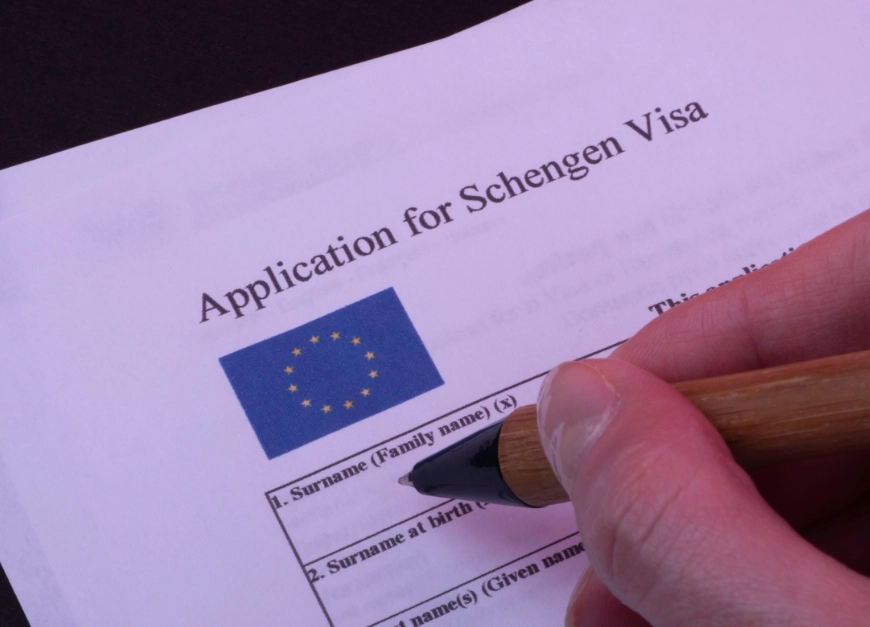
Your Burning Germany Visa Schengen Questions, Answered
Here are the questions I get asked all the time, the ones that keep people up at night.
How early can I apply for my Germany visa Schengen?
You can apply up to 6 months before your trip. But don't apply too early if your travel plans might change. The sweet spot is usually 2-3 months before. This gives you time to deal with appointment waits, processing, and any unexpected requests for more documents.
Can I travel to other countries with a German Schengen visa?
Yes! That's the whole point of the Schengen visa. Once you're in the Schengen Area (with Germany as your main destination), you can freely travel to other member countries like France, Italy, Spain, etc., without border checks. Your Germany visa Schengen is your all-access pass for the zone during its validity. Just remember, you should still spend the most nights in Germany if that's what you declared.
What's the difference between an airport transit visa and a regular Schengen visa?
A Schengen Airport Transit Visa (ATV) is only for people who need to change planes in a Schengen airport but won't leave the international transit area. Citizens of certain countries need this even if they don't plan to enter Germany. A regular Germany visa Schengen is for actually entering the country. Don't mix them up – applying for the wrong type is an automatic rejection.
My visa is valid for 30 days but says "Duration of stay: 15 days." What does that mean?
This trips people up. The visa validity period (e.g., Jan 1 - Jan 30) is the window during which you can enter the Schengen Area. The "Duration of Stay" (e.g., 15 days) is the maximum total number of days you are allowed to be inside the Schengen Area within that window. You could enter on Jan 10 and stay until Jan 25 (15 days). You couldn't stay from Jan 1 to Jan 30.
Can I extend a Germany Schengen visa while I'm there?
Only in exceptional, unforeseen cases like a serious medical emergency or a natural disaster preventing your departure. "I like it here and want to stay longer" is not a valid reason. Extension requests are handled by the local Foreigners' Authority (Ausländerbehörde) in Germany and are rarely granted for tourist visas. Plan your trip within the 90-day limit.
Final Thoughts from Someone Who's Been There
Applying for a Germany visa Schengen is a test of patience and attention to detail. The system can feel rigid and impersonal. But when you break it down, it's about presenting a clear, honest, and well-planned trip.
The most successful applications I've seen are from people who treat it like a project. They start early, read the official guidelines from the German Federal Foreign Office, prepare their documents with care, and have a logical answer for every part of their journey.
Don't try to cut corners or present a false picture. The effort you put into a clean, complete application is the best way to ensure that little sticker ends up in your passport, and you're on your way to exploring Berlin, the Black Forest, or a Christmas market in Munich.
Good luck with your application. Do the work upfront, and then you can focus on the fun part – planning what you'll actually do in Germany.