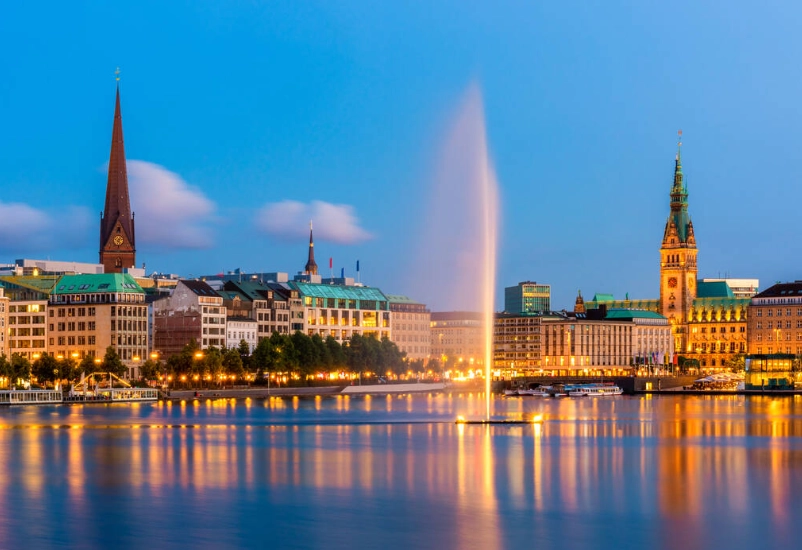
When people ask me what Hamburg is most famous for, I don't just rattle off a list from a tourist brochure. After living here for over a decade, I've seen visitors miss the essence because they stick to the obvious. Hamburg's fame is built on a working port, red-brick heritage that tells stories, and a culture that's both gritty and glamorous. Let's get straight to it: this city is known for its massive port, stunning architecture like Speicherstadt and Elbphilharmonie, a food scene that goes beyond fish sandwiches, and a music legacy that shaped The Beatles. But there's nuance—like how to avoid the crowds or where to find the best currywurst that locals actually eat.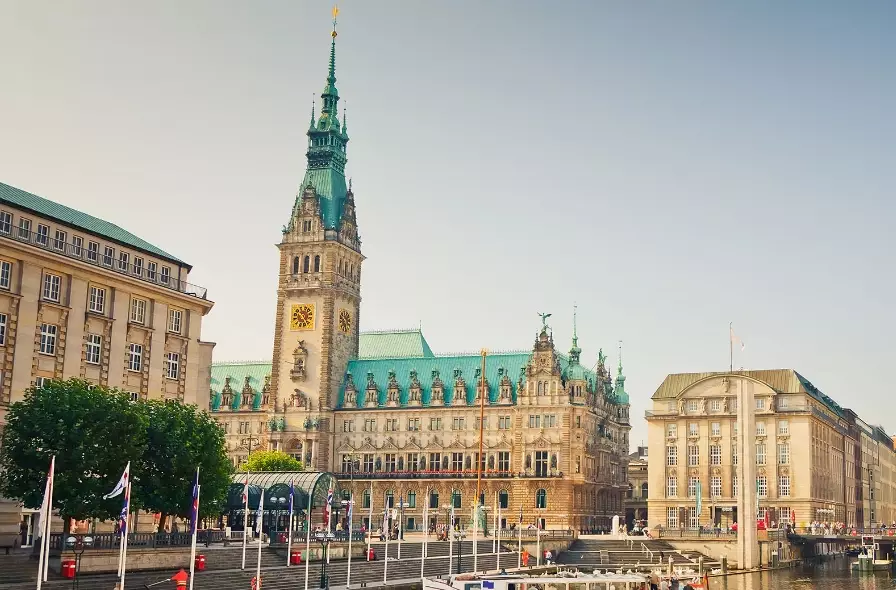
Skip to What Matters to You
The Port of Hamburg: More Than Just Cargo Ships
Hamburg's port is the lifeblood of the city, and it's what most people think of first. But here's the thing: tourists often just snap photos and leave, missing the depth. The port isn't just about ships; it's a vibrant area with history, entertainment, and hidden spots.
Landungsbrücken: The Gateway
Address: St. Pauli Landungsbrücken, 20359 Hamburg. Opening hours: The area is accessible 24/7, but specific attractions like tours have schedules. Transportation: Take U-Bahn U3 to Landungsbrücken station—it's right there. Walking from the city center takes about 20 minutes.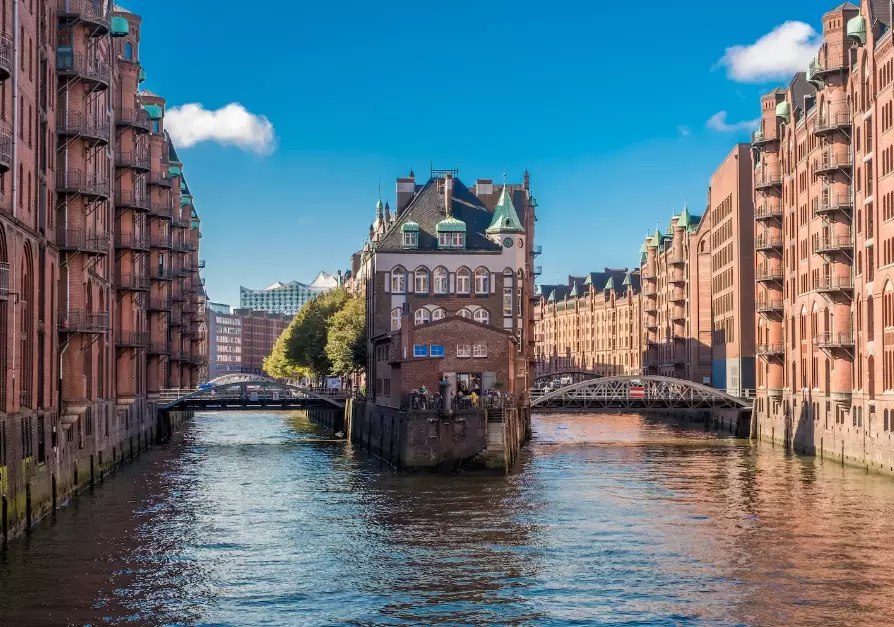
I remember my first visit: I was overwhelmed by the crowds. But if you go early, say before 9 AM, you can watch the ferries glide in with the morning light. The fish market nearby (Große Elbstraße 9) runs only on Sundays from 5 AM to 9:30 AM, and it's a chaotic delight. Tickets for harbor tours start at around €20, but you can book online via Hamburg Tourism Board for discounts. A common mistake? Taking the standard one-hour tour; instead, opt for the evening light tour—fewer people, and the port lit up is magical.
Harbor Tours: Options You Might Not Know
Most guides push the big boat tours, but as a local, I prefer the smaller, guided kayak tours. They cost about €40 and let you get up close to the docks. If you're on a budget, the public ferry line 62 (included in the Hamburg Card) offers a cheap alternative with great views. Check the HVV website for schedules.
Architectural Icons: From Historic Warehouses to Modern Marvels
Hamburg's skyline mixes old red-brick charm with sleek glass structures. Two spots stand out, but there's more to them than meets the eye.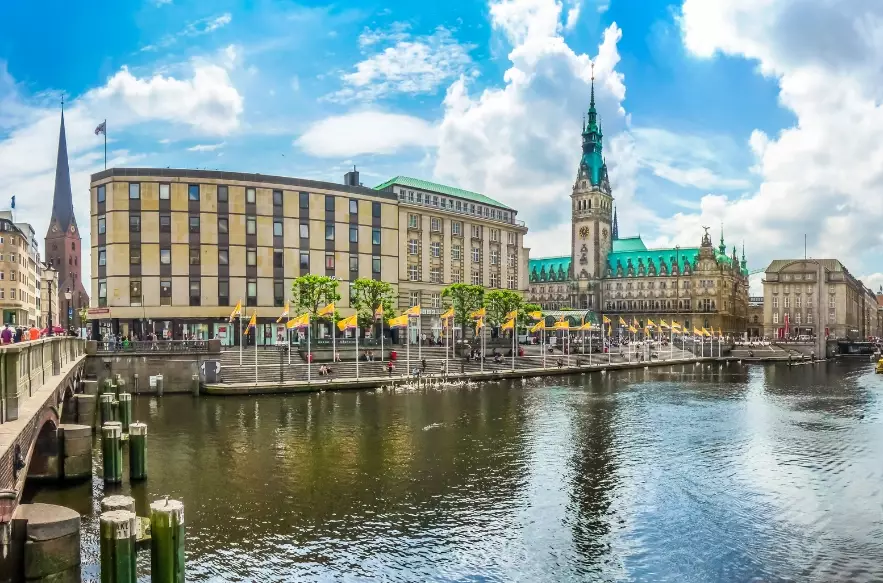
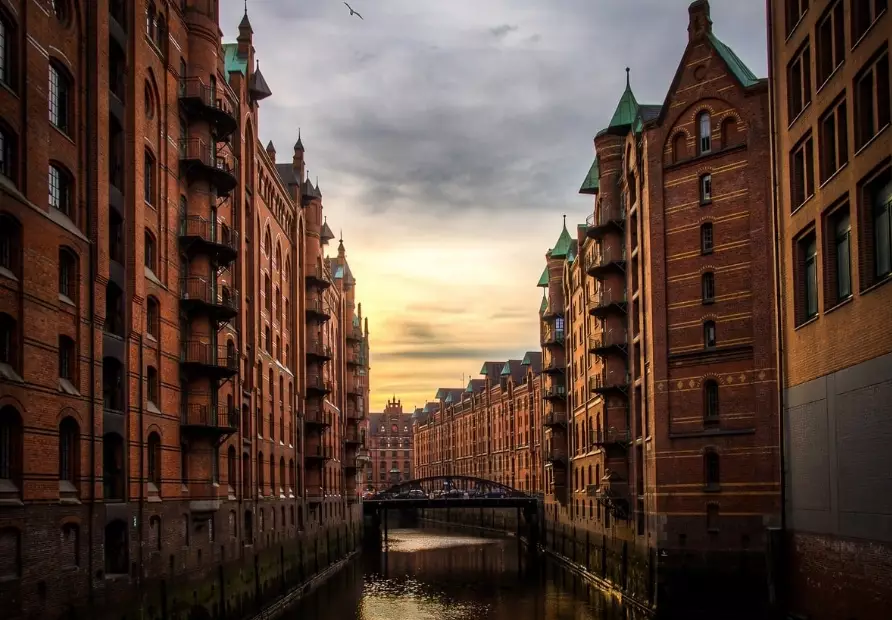
Speicherstadt: The Warehouse District
Address: Speicherstadt, 20457 Hamburg. Opening hours: The district is open 24/7, but museums like the Speicherstadt Museum have specific hours (10 AM to 5 PM daily). Admission: Walking around is free; museum entry is €5 for adults. Transportation: U-Bahn U1 to Meßberg or Baumwall.
This UNESCO World Heritage site is a maze of canals and brick buildings. I've lost count of how many times I've wandered here, and each time I find a new courtyard. According to UNESCO's listing, it's the largest contiguous warehouse complex in the world. A non-consensus tip: skip the crowded main paths and explore the side alleys near Kehrwiedersteg—you'll see fewer tourists and more local artists.
Elbphilharmonie: The Glass Palace on the Elbe
Address: Platz der Deutschen Einheit 1, 20457 Hamburg. Opening hours: The plaza is open from 9 AM to midnight, but you need a free time slot booked online. Transportation: U-Bahn U3 to Baumwall, then a short walk.
The Elbphilharmonie is stunning, but here's what most guides don't tell you: booking a plaza slot online is essential, even for free visits. I've seen families turned away because they didn't plan ahead. Concert tickets range from €20 to €150, but if you're on a budget, the view from the plaza is worth it. The architecture, with its wave-like glass facade, is a photographer's dream. Personal note: I once visited on a rainy day, and the mist over the Elbe River made it even more dramatic—so don't let weather stop you.
Food Scene: Must-Try Eats and Where to Find Them
Hamburg's cuisine is more than just Fischbrötchen (fish sandwiches). It's a mix of hearty German fare and international influences. Let's cut through the hype and get to the good stuff.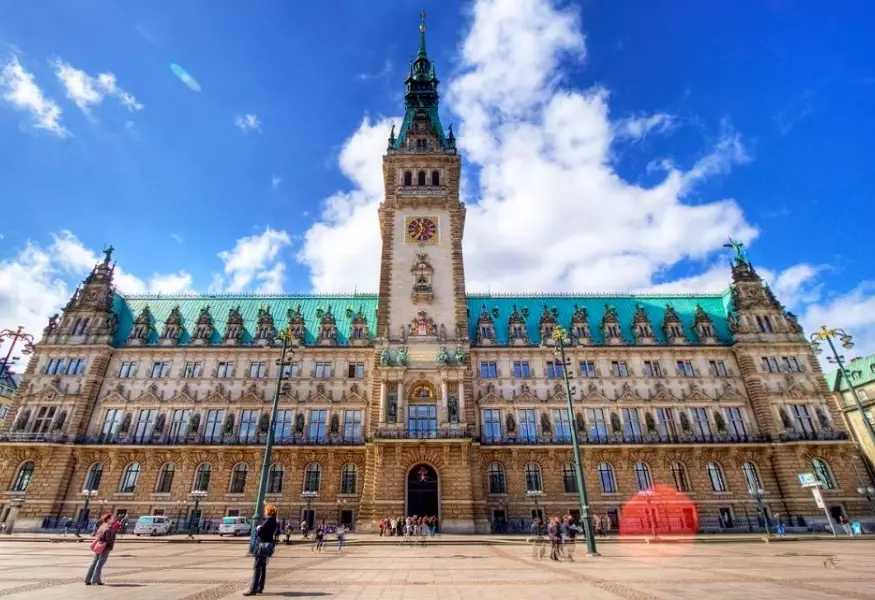
Here’s a table of my top picks based on years of tasting—these are places locals actually go, not just tourist traps.
| Restaurant/Spot | Specialty | Address | Price Range | Hours | Why It Stands Out |
|---|---|---|---|---|---|
| Fischmarkt | Fresh fish sandwiches, local vibe | Große Elbstraße 9, 22767 Hamburg | €5-10 | Sun 5-9:30 AM | It's an institution—loud, chaotic, and authentic. Go early to avoid the worst crowds. |
| Currywurst Walter | Currywurst with homemade sauce | Spielbudenplatz 3, 20359 Hamburg (in St. Pauli) | €4-8 | Mon-Sat 11 AM-2 AM, Sun 1 PM-2 AM | Skip the chains; this stall has been around for decades. The sauce has a secret spice blend. |
| Alt Hamburger Aalspeicher | Traditional eel soup, German dishes | Deichstraße 43, 20459 Hamburg | €15-30 | Daily 12 PM-10 PM | Historic setting in Speicherstadt. The eel soup is an acquired taste, but it's a local classic. |
| Schanze District Cafes | Third-wave coffee, vegan options | Various in Sternschanze area | €3-10 | Typically 8 AM-6 PM | For a break from heavy food, this trendy area offers sustainable, hip spots. |
I made the mistake once of eating at a port-side restaurant with flashy signs—overpriced and mediocre. Instead, head to the Schanze district for dinner; it's less touristy and has more variety. For drinks, the Reeperbahn area is famous, but it can be rowdy; try the side streets for quieter pubs.
Culture and Entertainment: Beyond the Surface
Hamburg's culture is layered—from its music history to museums that don't just cater to tourists.
The Beatles Connection
Did you know The Beatles honed their craft in Hamburg? Sites like the Indra Club (Grosse Freiheit 64) still host live music. Admission is often free for smaller gigs. The Beatles-Platz is a free public square with steel sculptures—great for photos. I've met old-timers who saw them play, and they say the energy in St. Pauli back then was raw and real.
Museums Worth Your Time
The Hamburg Museum (Holstenwall 24) costs €9.50 and is open Tue-Sun 10 AM-5 PM. It covers the city's history without being dry. For modern art, the Deichtorhallen (Deichtorstraße 1-2) has rotating exhibitions; tickets around €12. A lesser-known gem is the Museum für Kunst und Gewerbe—it's less crowded and has fascinating design exhibits.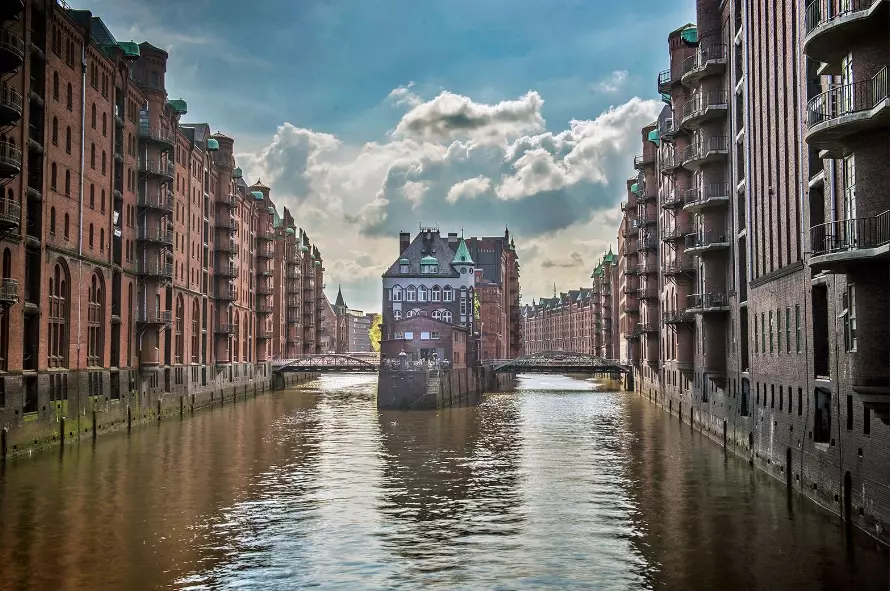
Planning Your Visit: Expert Tips and Tricks
Here's where I share my hard-earned advice. Hamburg is spread out, so planning matters.
- Getting Around: The public transport system (HVV) is efficient. Get a Hamburg Card for unlimited travel and discounts—prices start at €10.90 for one day. I've seen tourists waste money on taxis; the U-Bahn and buses cover most spots.
- Accommodation: For budget stays, try the Superbude Hostel in St. Pauli (€30-50 per night). For luxury, the Fairmont Hotel Vier Jahreszeiten (Neuer Jungfernstieg 9-14) offers classic elegance. Book in advance, especially during summer.
- Timing: Avoid weekends for major attractions like the port or Elbphilharmonie. Spring (April-June) and autumn (September-October) offer mild weather and fewer crowds. I once visited Speicherstadt on a Tuesday morning and had it almost to myself.
- Sustainable Tourism: Hamburg is big on eco-friendly travel. Use bike rentals (StadtRAD) to explore—it's cheap and green. The city's green spaces, like Planten un Blomen, are free and perfect for a picnic.
My biggest tip? Don't try to cram everything into one day. Focus on one area, like combining Speicherstadt with a harbor tour, then relax at a café. Hamburg rewards slow exploration.