Ask anyone what Munich is famous for, and you'll likely get one answer: Oktoberfest. That's like saying Paris is famous for the Eiffel Tower. It's true, but it barely scratches the surface. Having spent years exploring its streets, I've found Munich's real magic lies in the layers underneath its postcard-perfect image. It's a city of serene parks larger than Central Park, world-class art hidden in plain sight, and a culinary scene that goes far beyond the pretzel. This guide is for the traveler who wants to see the Munich that locals cherish, not just the one tourists photograph.
Your Munich Journey at a Glance
- The Heart of Munich: Marienplatz and the Glockenspiel
- A Palace Fit for a King: The Nymphenburg Palace
- The English Garden: An Urban Oasis with a Twist
- BMW Welt and Museum: Engineering as Art
- Oktoberfest: The Truth Behind the Tents
- Munich's Food Scene: From Beer Halls to Fine Dining
- How to Plan Your Munich Trip: Practical Details
- Your Munich Questions Answered
The Heart of Munich: Marienplatz and the Glockenspiel
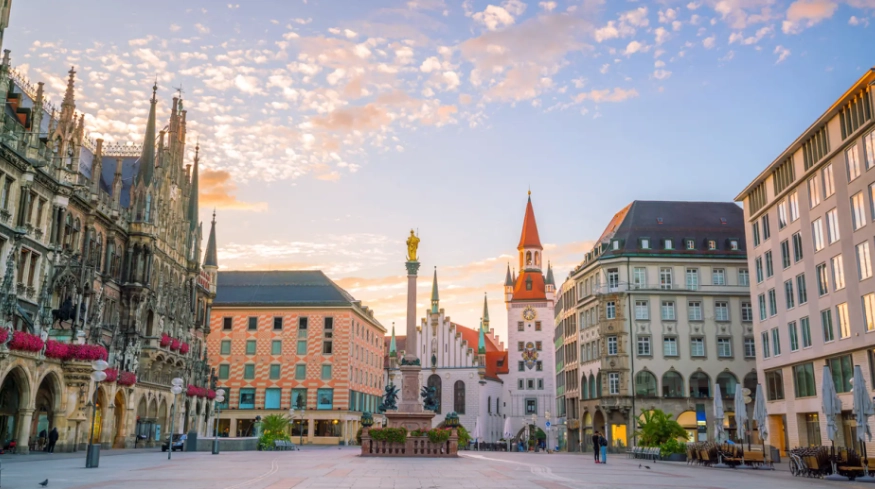
Every visit starts here, at the central square. The New Town Hall (Neues Rathaus) is a neo-Gothic masterpiece. At 11 a.m. and 12 p.m. (also 5 p.m. from March to October), the Glockenspiel chimes and 32 life-sized figures reenact two stories from the 16th century. It's charming, but here's my tip: don't just watch from below. The real view is from the top. For a few euros, you can take the elevator up the tower of St. Peter's Church ("Alter Peter") across the square. From there, you see the Glockenspiel's roof and the entire city sprawl against the Alps on a clear day. It's a perspective most miss.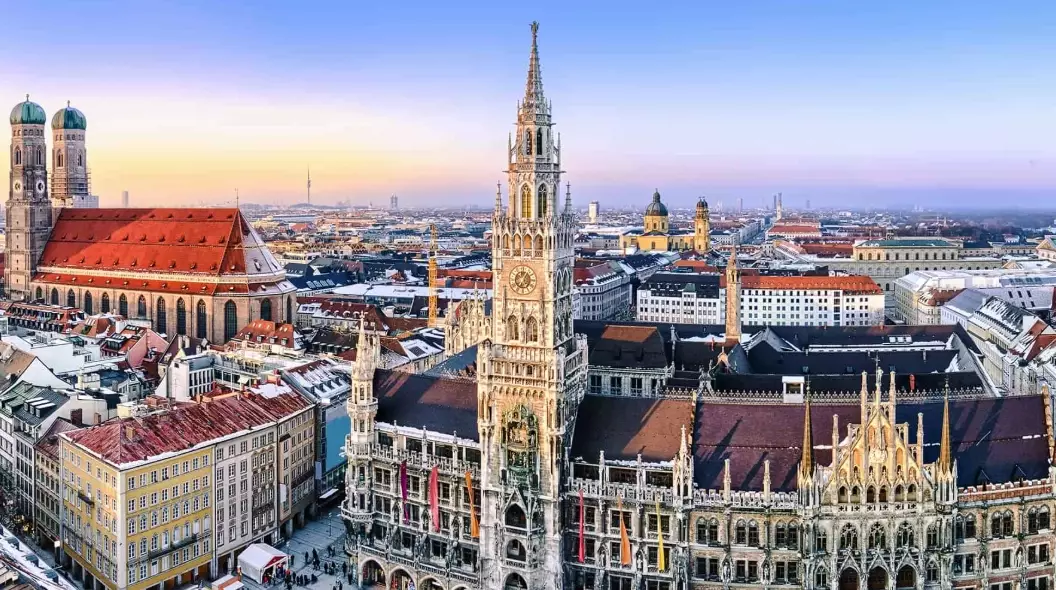
Wander a few minutes north to the Viktualienmarkt. This isn't a generic tourist market. It's where chefs shop. You'll find towering piles of white asparagus in season, over a hundred types of mustard, and stalls serving fresh Obatzda (a spiced cheese spread) with radishes.
Marienplatz & St. Peter's Church Visit:
Address: Marienplatz 1, 80331 München.
St. Peter's Tower Entry: Around €5. No need to book ahead.
Opening Hours (Tower): Typically 9:00 AM - 6:30 PM (varies seasonally).
Getting There: U-Bahn or S-Bahn to "Marienplatz." Every line goes through here.
A Palace Fit for a King: The Nymphenburg Palace
Schloss Nymphenburg was the summer residence of the Bavarian monarchs. The main palace is impressive, but focusing only there is a mistake. The real gems are in the park.
You could spend half a day just exploring the park's smaller palaces. The Amalienburg, a hunting lodge, has a Hall of Mirrors that outshines many larger rooms in Versailles. The Badenburg is an 18th-century indoor swimming pool palace. Most visitors walk right past them. Buy the "Park Palaces" combo ticket.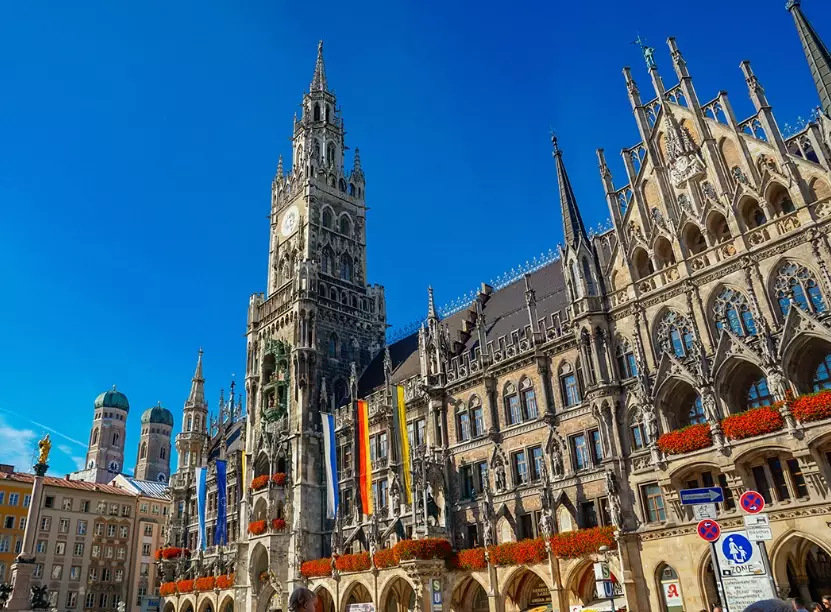
| Nymphenburg Palace Feature | Key Details & Tip |
|---|---|
| Main Palace | See the Gallery of Beauties and the grand halls. Can get crowded by noon. |
| Amalienburg | Rococo masterpiece. Often has shorter lines. The silver work is stunning. |
| Marstallmuseum | Houses the royal carriages. Look for Ludwig II's extravagant sleigh. |
| The Park | Free to enter. Perfect for a long stroll or a picnic by the canals. |
| Visit Planning | Address: Schloss Nymphenburg 1, 80638 München. Ticket: A "Combination Ticket" covering everything is the best value (~€25). Transport: Tram 17 stops right at the palace gates. |
The English Garden: An Urban Oasis with a Twist
This is Munich's green lung, larger than Hyde Park. Locals come here to cycle, jog, and soak up the sun. You can rent a bike, but walking from the southern entrance near the university is lovely.
Head to the Chinesischer Turm (Chinese Tower) beer garden. It's one of the largest in the world, with space for 7,000 people under chestnut trees. The atmosphere is more relaxed than the downtown beer halls.
Now for the twist: keep walking north along the Eisbach stream. You'll hear cheers before you see it. Near the Haus der Kunst museum, a man-made wave creates a permanent river surfing spot. Surfers in wetsuits queue up year-round to ride the standing wave. It's a surreal and uniquely Munich sight you won't forget.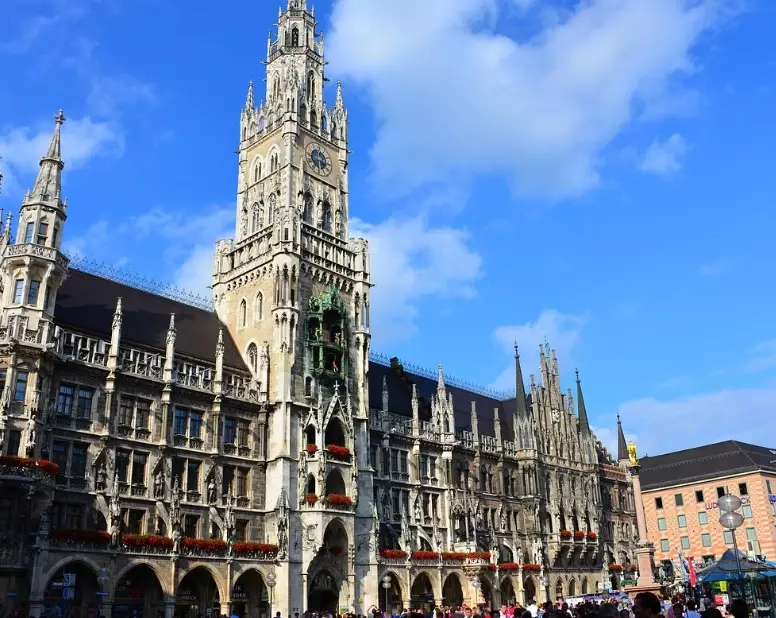
BMW Welt and Museum: Engineering as Art
Even if you're not a car enthusiast, the BMW complex is architectural theater. BMW Welt (World) is free to enter. It's a futuristic delivery and experience center where you can see (and sit in) the latest models. The spiraling, bowl-shaped BMW Museum next door (ticket required) tells the story of the brand, from aircraft engines to electric concepts.
The adjacent Olympiapark, built for the 1972 Olympics, is worth the walk. You can go up the Olympic Tower for another panoramic view.
Is the Deutsches Museum Worth It?
Short answer: yes, but be strategic. It's one of the world's largest museums of science and technology. You can't see it all in one day. I recommend picking two sections—like the aerospace and musical instruments halls—and focusing on those. It's a great rainy-day activity.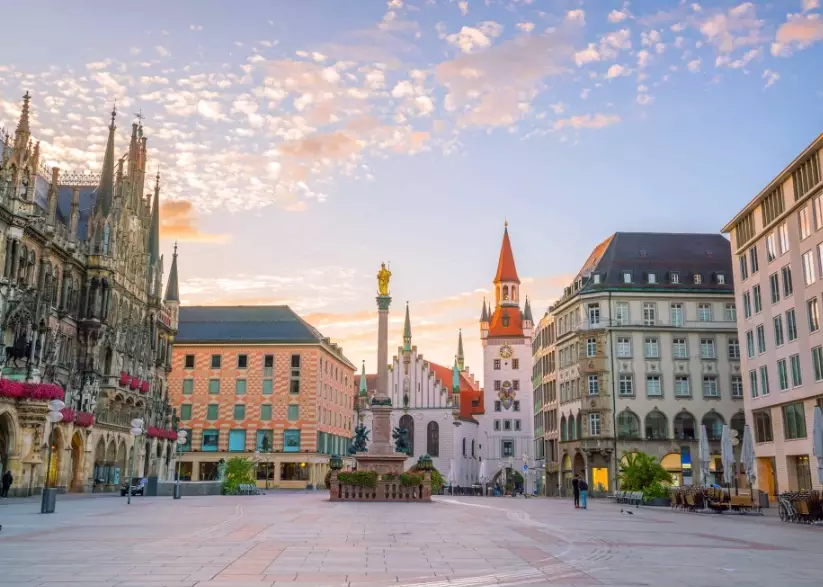
Oktoberfest: The Truth Behind the Tents
Oktoberfest is famous for a reason. The scale is insane. But the common online advice is often wrong.
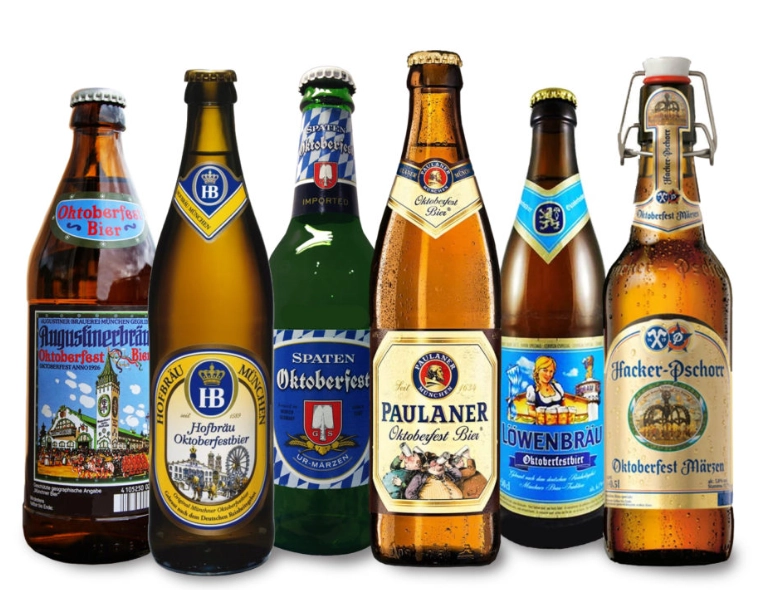
The biggest misconception? That you can just show up to a major tent (like Hofbräu or Augustiner) on a Saturday afternoon and get a seat. Unless you arrive at 8 AM, you won't. Tents fill by late morning on weekends.
- Booking is Key: Tables inside tents can (and should) be booked months in advance through the official Oktoberfest website. This is the only guaranteed way to get a seat.
- The Alternative: If you have no booking, go on a weekday morning. Or, explore the smaller tents (like "Käfer's Wiesn-Schänke") or the outdoor "Biergarten" areas of the large tents, which often have first-come-first-served seating.
- It's Not Just Beer: Ride the classic rollercoasters, eat roasted chicken (Hendl), and explore the Oide Wiesn area for a more traditional, slightly less chaotic experience.
Munich's Food Scene: From Beer Halls to Fine Dining
Yes, you must have Schweinshaxe (roasted pork knuckle) and Weisswurst (veal sausage) with sweet mustard. The classic spots like Hofbräuhaus are an experience, but they are loud and packed.
For a more authentic feel, try Augustiner-Keller (Arnulfstrasse 52, 80335 München). It's a massive beer garden and restaurant where the beer still comes from wooden barrels. The food is solid, and the atmosphere feels genuinely Bavarian without being a tourist parody.
Munich's dining scene has evolved. For modern German cuisine, Braterei (Dachauer Str. 15) focuses on roasted meats and seasonal plates in a sleek setting. Don't miss the Prinz Myshkin (Hackenstr. 2) for outstanding vegetarian food in an elegant vaulted space—a welcome break from heavy meats.
How to Plan Your Munich Trip: Practical Details
Getting Around: Munich's public transport (MVV) is excellent. Buy a day ticket ("Tageskarte") for the inner zone if you'll take more than two trips. It covers all trams, buses, U-Bahn, and S-Bahn.
Where to Stay: Avoid the immediate area around the Hauptbahnhof (main station) at night—it can be seedy. Great, safer neighborhoods include:
- Maxvorstadt: Near universities, museums, and cool cafes. Lively and central.
- Ludwigsvorstadt-Isarvorstadt: South of the station, close to the Oktoberfest grounds (Theresienwiese) and great food spots.
- Schwabing: A bit more upscale, with beautiful streets and access to the English Garden.
The Munich City Tour Card can be a good deal if you plan to visit several museums, as it includes public transport and discounts. Do the math based on your itinerary.