Let's cut to the chase: there is no single "best" time to visit Berlin. Anyone who gives you a one-word answer is oversimplifying. The right time depends entirely on what you want. Chasing sunny festivals? Bargain hunting? Experiencing the famous Christmas magic? Berlin transforms dramatically with the seasons, each offering a completely different version of the city. I've visited in deep winter frost and peak summer heat, and I can tell you the experience is night and day.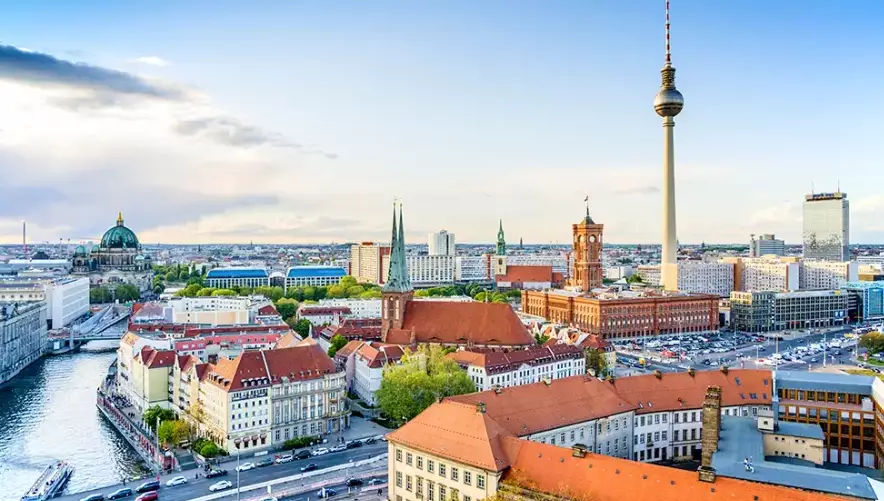
This guide won't just tell you the weather averages (you can get those anywhere). It's about the feel of the city in each season—the crowds, the costs, the unique events, and the local rhythm you'll slip into. Think of it as a menu. You pick what suits your taste.
Your Berlin Trip Planner: Skip to What Matters
Spring (March - May): The City Wakes Up
After a long, grey winter, Berlin exhales in spring. This is a season of optimism. The temperatures creep from a chilly 5°C (41°F) in March to a pleasant 18°C (64°F) in May. But more importantly, the outdoor seating comes out, the parks turn green, and the city's energy shifts palpably.
The highlight? The cherry blossoms. Head to the Gärten der Welt (Gardens of the World) in Marzahn or the TV Tower area in April. It's a fleeting, beautiful spectacle. May is particularly glorious, with events like the Karneval der Kulturen (Carnival of Cultures) in Kreuzberg—a massive street parade celebrating Berlin's diversity with food, music, and incredible costumes. It's chaotic, joyful, and feels authentically Berlin.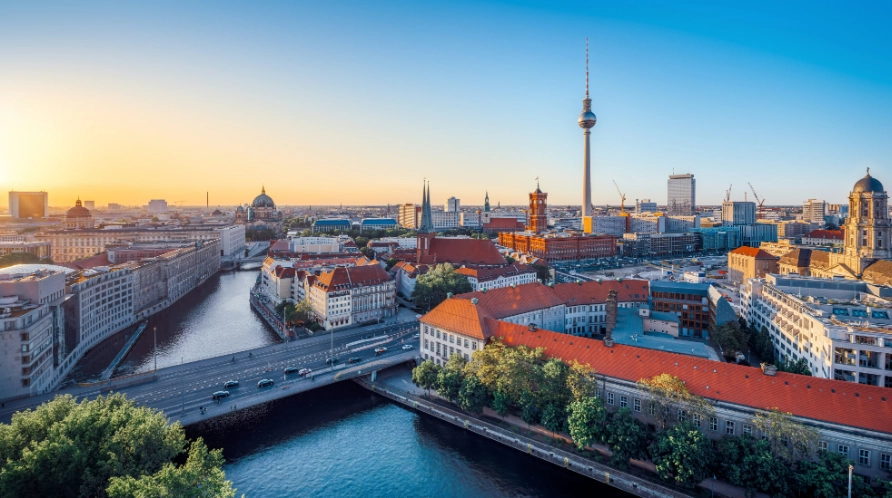
Here’s the local tip everyone misses: Spring weather is fickle. A sunny April day can be followed by a cold, rainy week. Pack layers—a light jacket, a sweater, and a scarf are non-negotiable. Don't plan a rigid outdoor-only itinerary. Use sunny days for walks along the Landwehr Canal or visiting the Tempelhofer Feld (the abandoned airport turned public park), and save rainy days for museum hopping.
Summer (June - August): Festival Fever & Long Days
This is Berlin at its most vibrant and, frankly, its most crowded. Temperatures sit comfortably between 20-25°C (68-77°F), but heatwaves pushing 35°C (95°F) are not uncommon. The real magic is the light—days stretch until 10 PM, giving you what feels like double the exploring time.
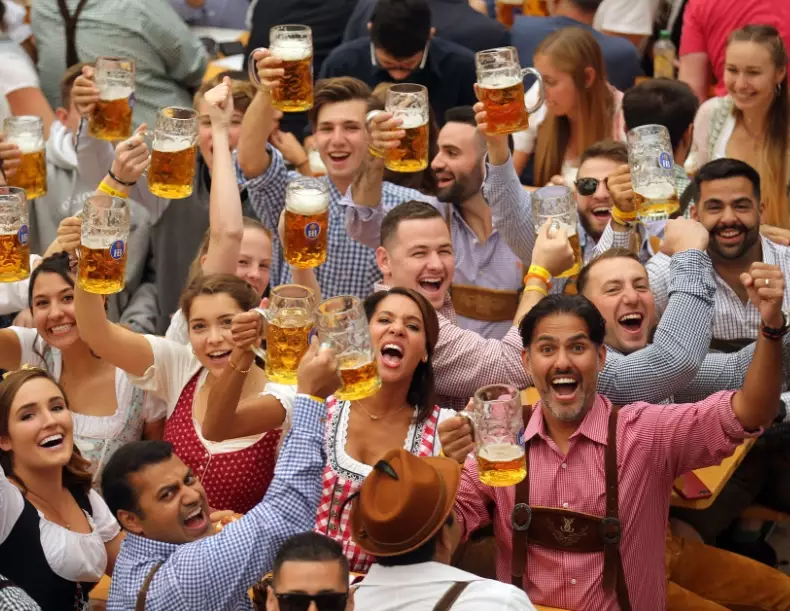
The calendar explodes. You have street food markets, open-air cinemas, and major festivals like Fête de la Musique (free music everywhere) in June and Berlin Beer Festival along Karl-Marx-Allee in August. The city lives outside. Beer gardens like Prater Garten (Berlin's oldest, in Prenzlauer Berg) and lakes like Wannsee or the more local Schlachtensee become essential destinations.
Now for the reality check. This is peak season. Museum Island will be packed. Hotels and flights are at their most expensive. You must book accommodation months in advance. My strategy? Embrace the chaos but work around it. Visit top attractions right at opening time. Have a late, long lunch when crowds are thickest. Use the endless evenings to explore neighborhoods like Neukölln or Friedrichshain when day-trippers have left.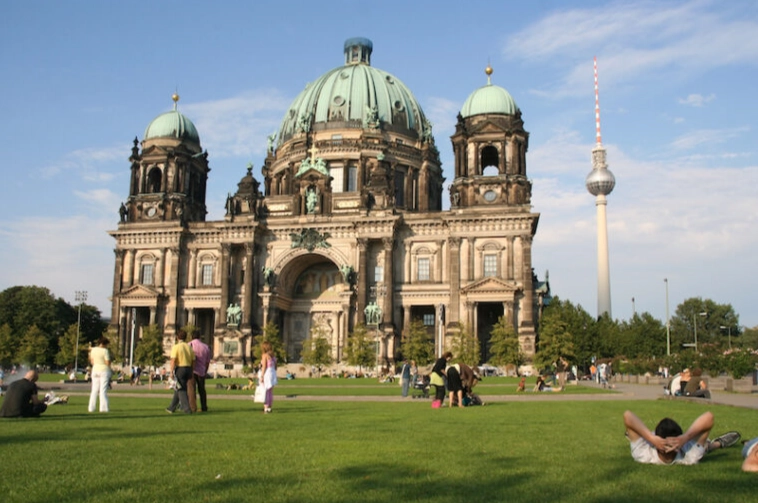
Autumn (September - November): Golden Light & Cultural Buzz
If I had to pick a personal favorite, it's autumn. The summer crowds dissipate by mid-September, but the weather often remains mild and sunny well into October—a period known as "Altweibersommer" (Indian summer). The light turns golden, perfect for photography. The city's many parks, like the Tiergarten or Treptower Park, become canvases of red and yellow.
This is the season for culture. The Berlin Art Week happens in September, and the legendary Lange Nacht der Museen (Long Night of Museums) lets you visit dozens of museums with a single ticket from 6 PM to 2 AM. It's a marathon, but unforgettable.
November gets grey and damp, but it has a quiet, introspective charm before the Christmas frenzy begins. It's an excellent time for gallery visits, theatre performances, and cozying up in book cafes. You'll find significantly better travel deals than in summer.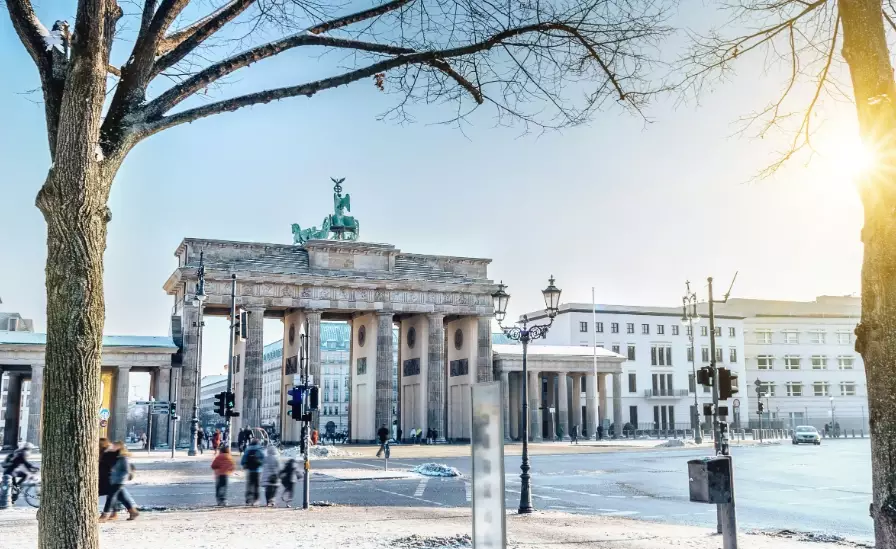
Winter (December - February): Christmas Markets & Cosy Culture
Winter splits into two distinct phases: the festive December glow and the stark, quiet January/February.
December is all about the Weihnachtsmärkte (Christmas markets). From the grand one at Gendarmenmarkt (entry fee applies, but it's more refined) to the alternative market at RAW-Gelände in Friedrichshain, each has its character. Drink Glühwein (mulled wine), eat roasted almonds, and soak in the twinkling lights. It's cold (often around 0°C/32°F), but the atmosphere is warm.
Once the markets close after New Year, Berlin enters a deep, cultural winter. Days are short, and the sky is often a blanket of grey. This is not a time for casual strolls. This is the time for a deep dive into Berlin's unparalleled museum and gallery scene. You'll have the Pergamonmuseum, the Gemäldegalerie, and others almost to yourself. Hotel prices hit yearly lows. It's a budget traveler's dream for culture vultures who don't mind the cold. Just pack a serious coat, waterproof boots, and a warm hat.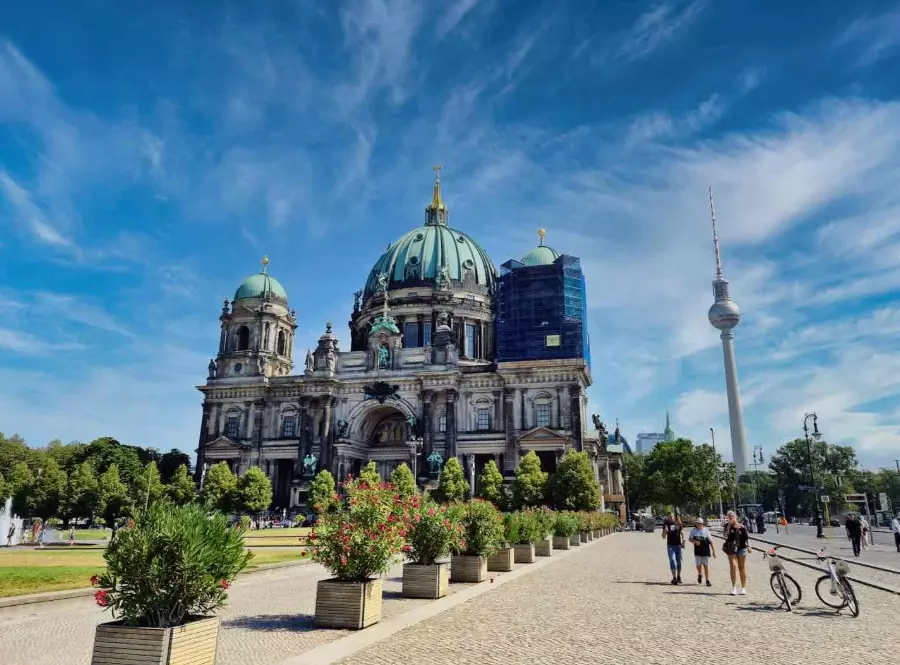
A Practical 3-Day Itinerary (Adaptable by Season)
Here’s a flexible blueprint. Adjust the outdoor/indoor balance based on your season.
Day 1: History & Iconic Sights
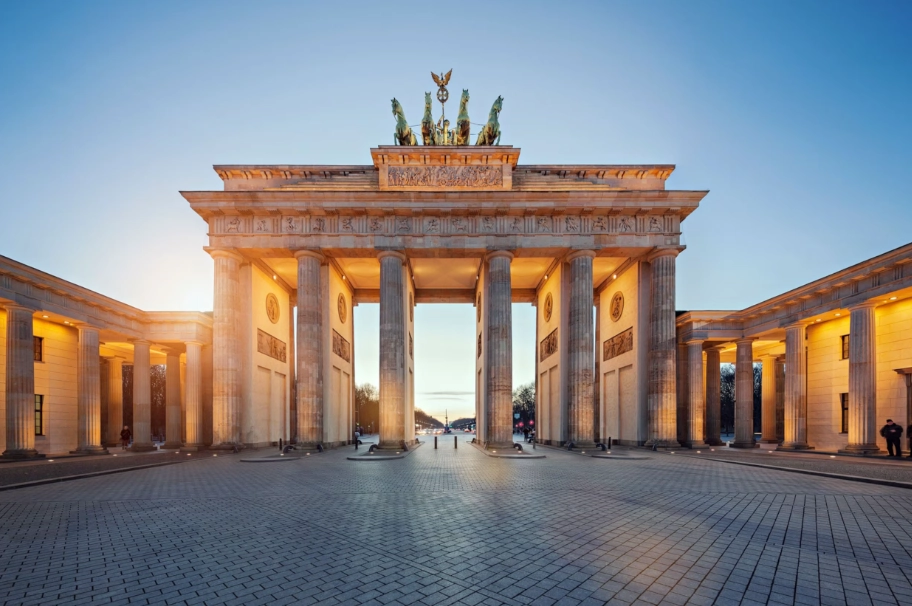
Morning: Start at the Reichstag Building (book your free dome visit weeks in advance on the Bundestag website). Walk through the Brandenburg Gate and the Holocaust Memorial.
Afternoon: Head to Checkpoint Charlie and the adjacent free BlackBox Cold War exhibition. Then, walk or take the U-Bahn to Alexanderplatz to see the TV Tower.
Evening (Summer): Dinner and drinks in the Hackescher Markt area.
Evening (Winter): Find a nearby Christmas market or a cozy restaurant in Mitte.
Day 2: Culture Deep Dive
Morning: Museum Island. Choose one or two museums. The Pergamonmuseum (currently partially closed, check the Staatliche Museen zu Berlin website for updates) or the Neues Museum (with the bust of Nefertiti) are top picks.
Afternoon: Cross the river to Kreuzberg. Explore the East Side Gallery (the longest remaining stretch of the Berlin Wall). Walk along the Oberspreesee canal.
Evening: Experience Kreuzberg's famous nightlife and food scene on Oranienstraße or around Bergmannkiez.
Day 3: Local Neighborhoods & Alternative Berlin
Morning: Explore Prenzlauer Berg. Stroll around Kollwitzplatz, browse the weekend flea market at Mauerpark (Sundays), and see the beautiful residential streets.
Afternoon (Spring/Summer): Relax in Mauerpark or take an S-Bahn to a lake like Schlachtensee.
Afternoon (Autumn/Winter): Visit the Stasi Museum in Lichtenberg or the German Spy Museum near Potsdamer Platz.
Evening: Final dinner in Prenzlauer Berg or a show at a venue like the Chamäleon Theater in Hackesche Höfe.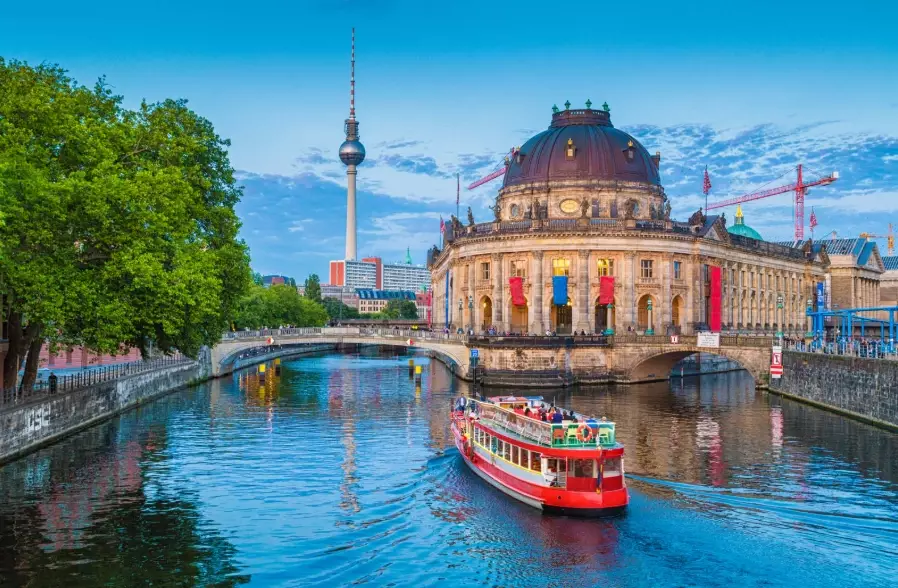
Your Berlin Timing Questions Answered
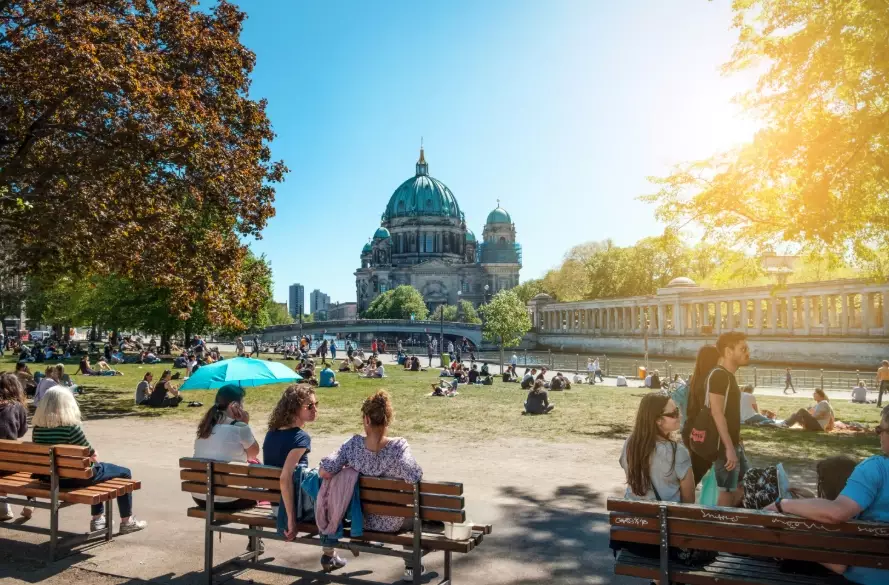 So, what's the verdict? It's yours to make. Want non-stop energy and sun? Brave the summer. Prefer crisp days, golden light, and cultural events? Choose autumn. Dreaming of Christmas magic? December is calling. On a budget and love museums? Winter (outside December) is your friend. Berlin doesn't have an off-season, just different seasons. Pick the one that matches your travel personality, and you'll find your own best time.