What's Inside This Guide
- What Makes a City Walkable? The Frankfurt Test
- Frankfurt's Walkability Score: Data and Reality
- Top Walkable Neighborhoods in Frankfurt You Can't Miss
- A Perfect Walking Itinerary: From Römer to Sachsenhausen
- When Walking Isn't Enough: Smart Public Transport Integration
- Pro Tips for Walking in Frankfurt: Lessons from a Local
- FAQs About Walking in Frankfurt: Your Questions Answered
Let's cut to the chase. Is Frankfurt walkable? Yes, but with a big asterisk. The city center, especially around the Altstadt, is compact and pedestrian-friendly. But venture into the financial district on a weekend, and you might wonder where everyone went. I've lived here for years, walking daily to work and exploring every corner. Frankfurt's walkability isn't uniform—it's a patchwork of excellent zones and car-dominated areas.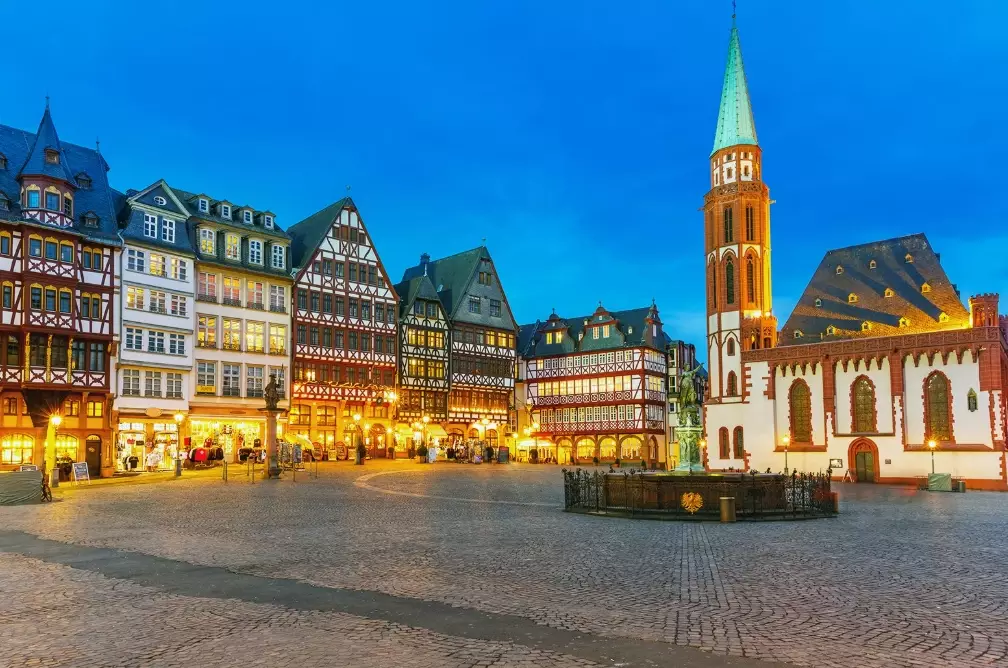
Most tourists stick to the historic core, which is perfect for walking. But if you want to see the real Frankfurt, you need to know where to go and when to hop on a train. This guide dives deep into what makes Frankfurt walkable, backed by data, personal experience, and practical routes you can follow today.
What Makes a City Walkable? The Frankfurt Test
Walkability isn't just about having sidewalks. It's about safety, connectivity, and things to see along the way. In Frankfurt, the city planners have done a decent job, but there are gaps.
Key factors I look for: wide sidewalks, pedestrian zones, frequent crosswalks with good timing, and mixed-use areas where shops and cafes keep streets lively. Frankfurt's Altstadt nails this. But head east towards the Ostend, and sidewalks shrink, making it less inviting for a leisurely stroll.
One thing most guides miss: weather. Frankfurt gets rainy, and while the city has covered arcades in some areas like the Zeil shopping street, many paths lack shelter. If you're walking in fall, pack an umbrella—trust me, I've been caught too many times.
Frankfurt's Walkability Score: Data and Reality
According to sources like Walk Score, Frankfurt scores around 77 out of 100 for walkability, which is considered "very walkable." But that number masks local variations. The Innenstadt (city center) scores over 90, while outlying districts drop to 50.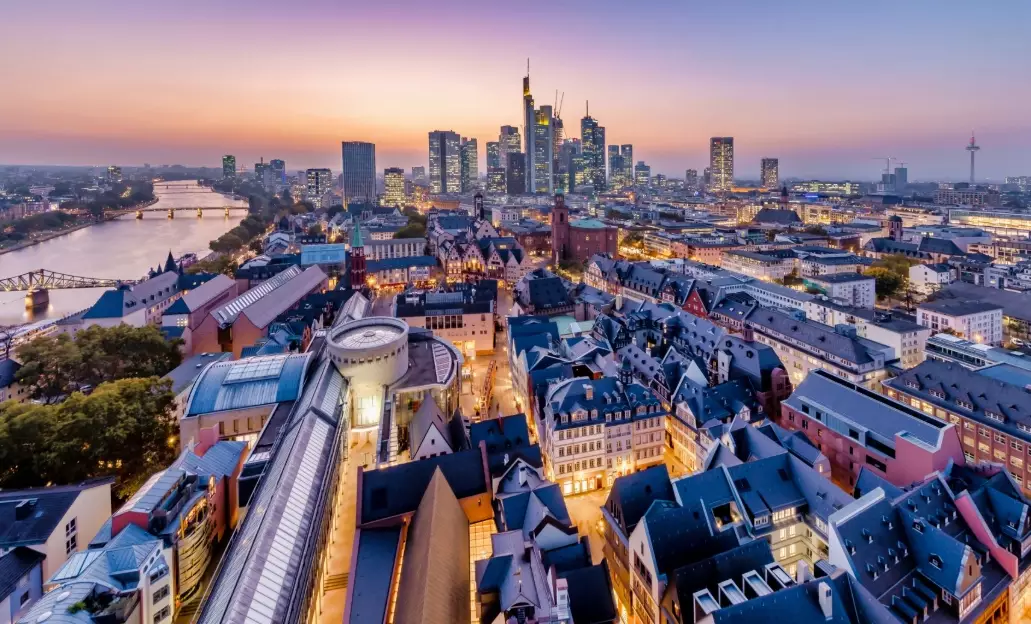
Here's a quick breakdown of walkability by area, based on my own observations and official data from the City of Frankfurt's urban development reports:
| Neighborhood | Walkability Rating (1-10) | Key Features | Best Time to Walk |
|---|---|---|---|
| Altstadt (Old Town) | 9 | Pedestrian-only zones, historic sites, compact layout | Morning or weekday afternoons to avoid crowds |
| Innenstadt (City Center) | 8 | Shopping streets, good sidewalks, public squares | Daytime, but avoid rush hours (8-9 AM, 5-6 PM) |
| Sachsenhausen | 7 | Riverside paths, apple wine taverns, cobblestone streets | Evenings for nightlife, weekends for markets |
| Westend | 6 | Green spaces, museums, but wider roads | Daytime, especially for museum visits |
| Financial District (Bankenviertel) | 4 | Skyscrapers, empty on weekends, poor sidewalk continuity | Weekdays during business hours only |
The data shows a clear trend: stick to the core, and you're golden. But don't let the financial district's sleek towers fool you—on weekends, it's a ghost town with few amenities open, making walks feel barren.
Top Walkable Neighborhoods in Frankfurt You Can't Miss
If you're here for a short visit, focus on these areas. They're connected, interesting, and designed for people on foot.
Altstadt (Old Town): The Heart of Walkable Frankfurt
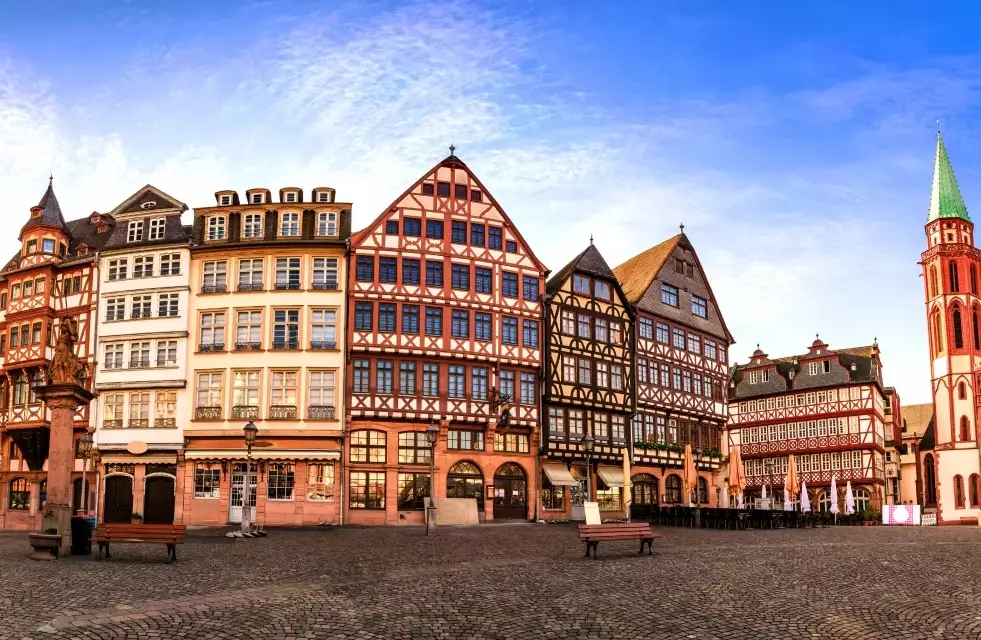
Start at the Römerberg square (address: Römerberg 27, 60311 Frankfurt). It's the postcard-perfect spot, with half-timbered houses and St. Paul's Church nearby. Everything is within a 10-minute walk: the Frankfurt Cathedral (Domplatz 14, 60311 Frankfurt, open daily 9 AM-8 PM, free entry), the Historical Museum, and cute cafes. The streets are pedestrian-only, so you can wander safely. A common mistake? Rushing through. Take your time—the details in the architecture are worth it.
Innenstadt: Shopping and More
From the Altstadt, head north to the Zeil, Frankfurt's main shopping street. It's a broad pedestrian zone, but it can get packed. For a quieter walk, detour to the Hauptwache square, where you can see the old guardhouse. Address: An der Hauptwache 15, 60313 Frankfurt. Many miss the underground level here—it's a hub for the U-Bahn, but also has shops and exits that connect seamlessly to walking routes.
Sachsenhausen: The Riverside Charm
Cross the Eiserner Steg footbridge (free, open 24/7) to Sachsenhausen. This area is famous for apple wine taverns, but it's also great for walks along the Main River. The Museumsufer (Museum Embankment) has a scenic path. If you're into art, the Städel Museum (Schaumainkai 63, 60596 Frankfurt, open Tue-Sun 10 AM-6 PM, Thu until 9 PM, tickets around €16) is a highlight. The streets here are cobblestone, so wear comfortable shoes—I've seen tourists struggle with heels.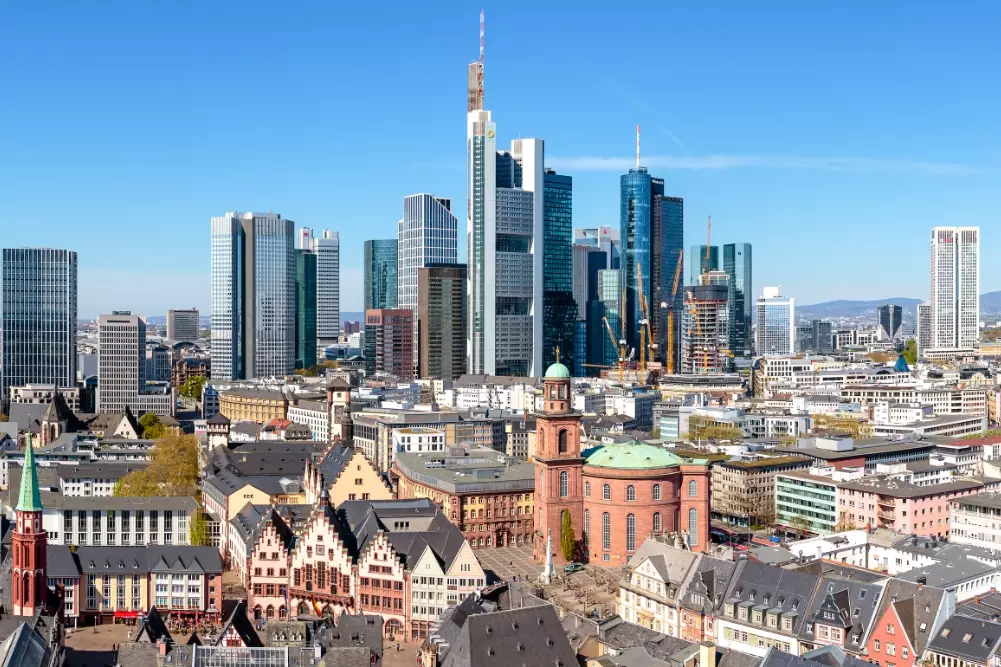
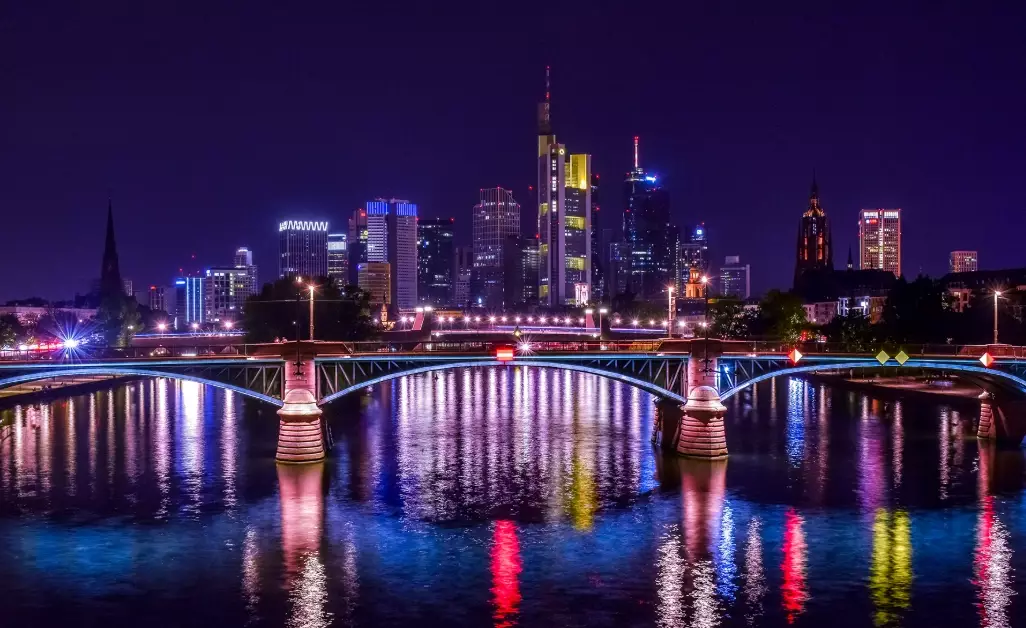
Personal Insight: I love walking in Sachsenhausen at sunset. The view back towards the skyscrapers is stunning, and most tourists are gone by then. But avoid the tavern-heavy streets on weekend nights if you dislike crowds—it gets loud and chaotic.
A Perfect Walking Itinerary: From Römer to Sachsenhausen
Here's a step-by-step route I've used with visiting friends. It covers about 5 kilometers, takes 3-4 hours with stops, and hits the best spots.
Start at Römerberg (9 AM): Begin early to beat the crowds. Explore the square, then head to the Frankfurt Cathedral—it's a 2-minute walk. Climb the tower for a view (€3, open 9 AM-6 PM).
Walk to Hauptwache (10 AM): Follow the pedestrian signs north. It's a 10-minute stroll. At Hauptwache, grab a coffee at one of the cafes. Avoid the chain places; try Café Hauptwache for a local feel (address: An der Hauptwache 15, prices around €4 for a coffee).
Stroll down Zeil to Konstablerwache (11 AM): Another 10-minute walk. This area has more shops. If you're hungry, stop at Kleinmarkthalle (Hasengasse 7, 60311 Frankfurt, open Mon-Fri 8 AM-6 PM, Sat 8 AM-4 PM) for fresh food—it's a market hall with diverse stalls.
Cross the River to Sachsenhausen (12 PM): From Konstablerwache, walk south to the Eiserner Steg bridge (15 minutes). Cross over, and you're in Sachsenhausen. For lunch, try traditional apple wine at Apfelwein Wagner (Schweizer Straße 71, 60594 Frankfurt, open daily from 5 PM, meals around €15). It's touristy but authentic.
Explore Museumsufer (2 PM): Walk east along the river path. You'll pass museums like the German Film Museum. Entry fees vary, but many have free days—check the Museumsufer Frankfurt website for details.
This route balances history, shopping, and scenery. It's mostly flat, but the bridge stairs can be tricky for strollers or those with mobility issues.
When Walking Isn't Enough: Smart Public Transport Integration
Frankfurt's public transport is efficient, and it complements walking perfectly. The U-Bahn and S-Bahn networks are extensive, operated by RMV. A day ticket costs €5.35 for the city center (zone 50), and it's worth it if you plan to mix walking with longer distances.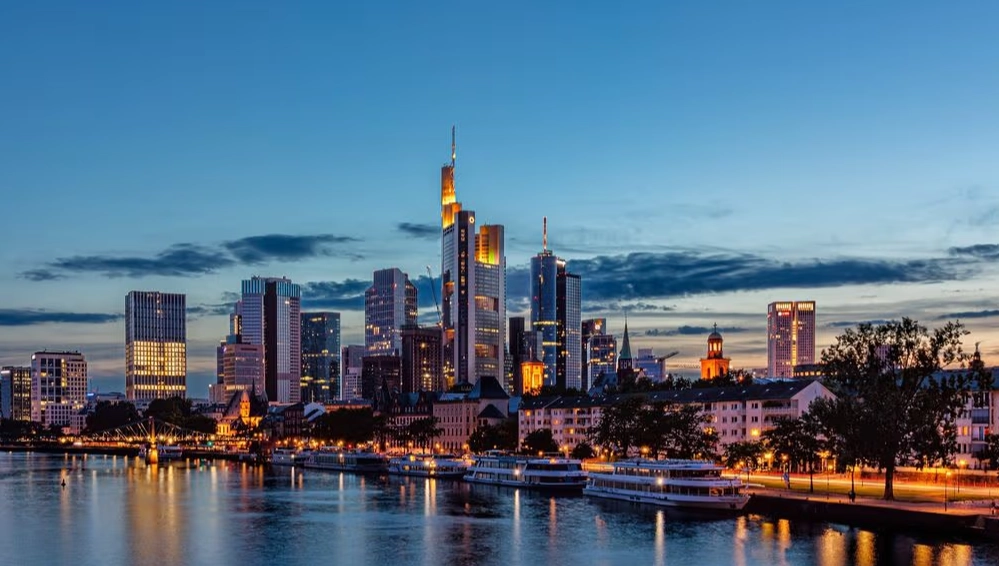
For example, walking from the airport (Flughafen) to the city center isn't practical—it's about 12 kilometers. Take the S-Bahn S8 or S9 instead; it takes 15 minutes to Hauptbahnhof. From there, you can start walking.
Another tip: Use the RMV app for real-time schedules. I've saved hours by knowing when the next tram arrives, especially on rainy days when walking feels less appealing.
Areas like the Financial District are better accessed by U-Bahn (lines U1-U3) during off-peak hours. Walking there from the Altstadt takes 30 minutes, but the U-Bahn cuts it to 10.
Pro Tips for Walking in Frankfurt: Lessons from a Local
After years of navigating this city, here's what I wish I knew earlier.
- Footwear is key: Cobblestone streets in the Altstadt and Sachsenhausen are uneven. Wear sturdy shoes—I've seen too many people with blisters.
- Watch for cyclists: Frankfurt has dedicated bike lanes, but they sometimes overlap with sidewalks. Stay alert, especially near the river paths.
- Sunday quiet: Most shops are closed on Sundays, so walking in commercial areas like the Zeil can feel empty. Focus on parks or the river instead.
- Safety at night: Frankfurt is generally safe, but avoid dimly lit areas in the Hauptbahnhof district after dark. Stick to well-lit main streets.
- Water access: Public fountains are scarce. Carry a bottle—there are refill spots at museums or cafes if you ask politely.
One nuanced point: locals walk fast, especially during commute times. If you're strolling, stick to the right side of sidewalks to avoid blocking traffic. It's a small courtesy that makes a difference.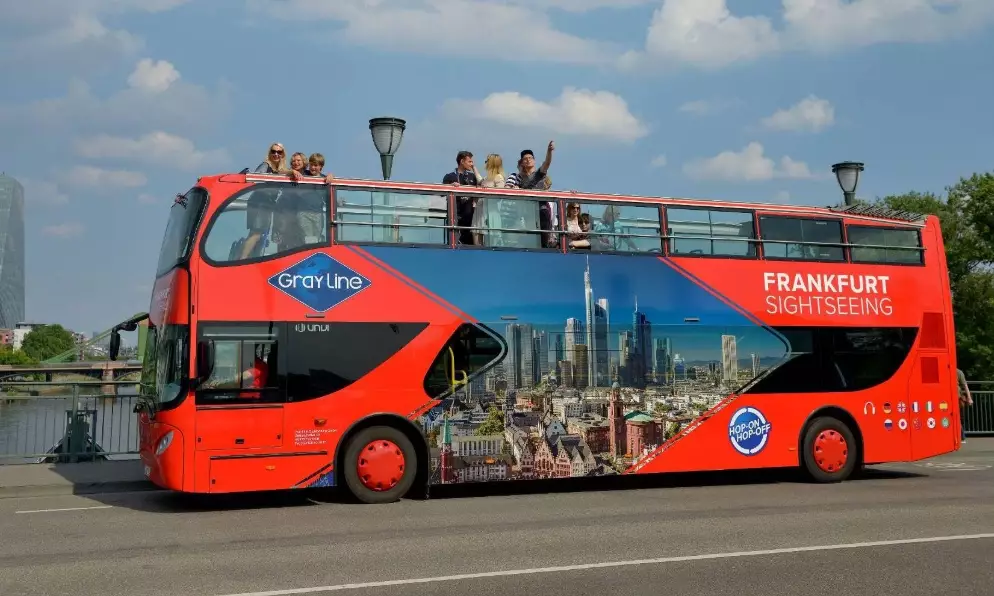
FAQs About Walking in Frankfurt: Your Questions Answered
 Are there free walking tours in Frankfurt, and are they worth it?
To wrap up, Frankfurt is a walkable city if you know where to go. Stick to the Altstadt, Innenstadt, and Sachsenhausen, mix in public transport for longer hops, and you'll have a fantastic experience. Don't just follow the crowds—explore side streets, try local snacks, and enjoy the blend of old and new that makes walking here unique.