Quick Guide
So, you're staring at a map of Germany, maybe you've done Berlin, Munich is on the list, and then your eye catches this big port city in the north. Hamburg. The name sounds solid, maritime, maybe a bit industrial. And the question pops into your head: Is Hamburg good for tourists? Is it worth swapping those classic beer halls and fairy-tale castles for cranes, canals, and fish sandwiches?
Let's cut to the chase. I've been there, wandered its streets, got caught in its rain, and fallen for its unique charm. The short answer is a resounding yes, but with caveats. Hamburg isn't a one-size-fits-all tourist destination. It won't hand you a cliché postcard experience on a silver platter. Instead, it asks for a bit of curiosity. If you're looking for a deep dive into a city that feels genuinely lived-in, wildly creative, and proudly different from the rest of Germany, then you're in for a treat. If you only want quick Instagram hits of famous landmarks, you might leave a tad underwhelmed.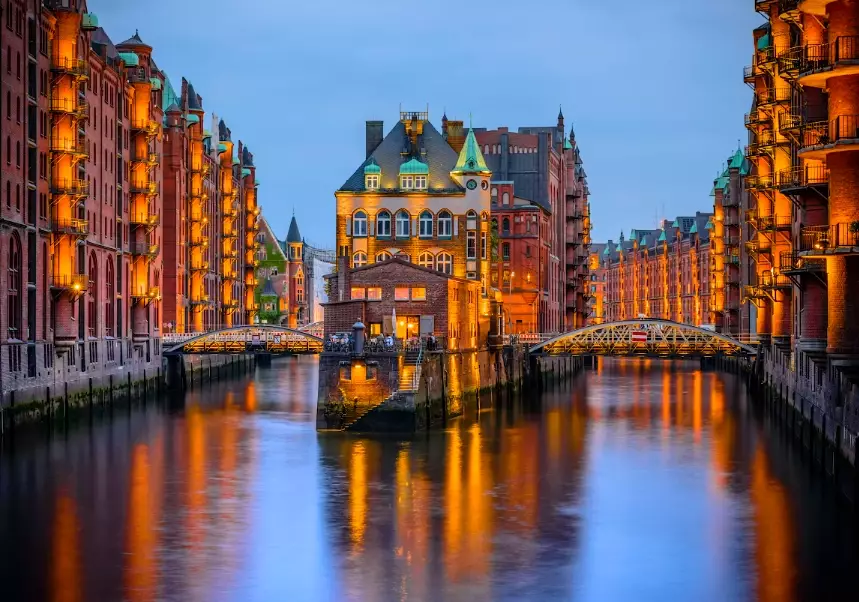
This guide isn't a sugar-coated list. We're going to dig into what makes Hamburg brilliant for visitors, and we'll also talk frankly about its downsides. By the end, you'll know exactly if Hamburg is the right fit for your next trip.
What's Hamburg All About, Anyway?
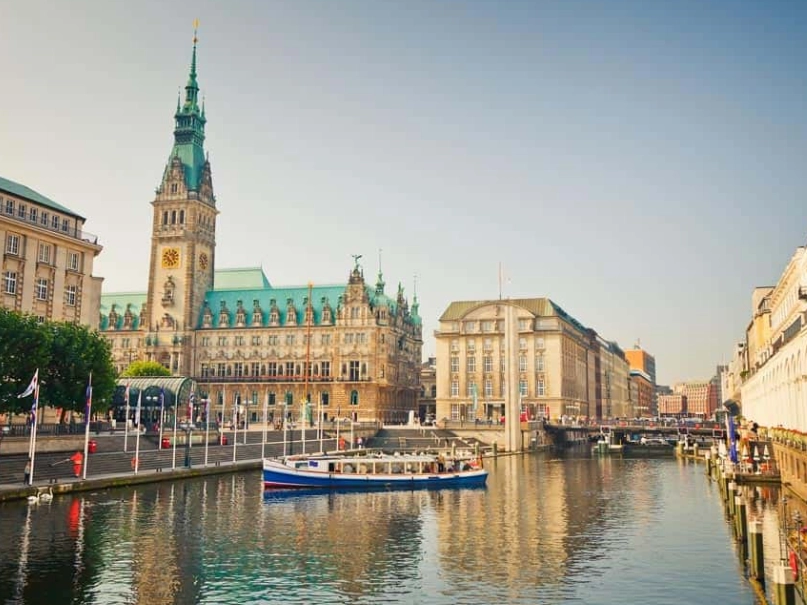
First, let's set the scene. Hamburg isn't just a city; it's a city-state, one of Germany's 16 federal states. That alone tells you it has a strong, independent identity. Its heart has always been its port, the Port of Hamburg (“Hafen”), which is the third-largest in Europe. This isn't a quaint historical harbor; it's a massive, pulsating engine of giant container ships, old brick warehouses, and a very tangible sense of international trade. The water is everywhere—the Elbe river, the Alster lakes, and over 2,000 bridges (more than Venice and Amsterdam combined, they love to say that here). This gives Hamburg a open, breezy feel you don't get in landlocked cities.
The vibe is famously “hanseatisch”—Hanseatic. It's a mindset rooted in its history as a leading member of the medieval Hanseatic League. Think: reserved, pragmatic, wealthy but understated, cosmopolitan, and with a deep respect for commerce and privacy. You'll see less overt “Gemütlichkeit” (coziness) than in Bavaria and more sleek, minimalist design. The people can seem cool at first, but are remarkably helpful and direct once you engage.
The Big Question: Is Hamburg Good for Tourists? Let's Break It Down
Instead of a simple yes/no, let's dissect the tourist experience. Here’s a brutally honest look at the pros and cons.
The Good Stuff (Why You'll Probably Love It)
Architecture & Neighborhoods with Character: Forget generic city centers. Hamburg's districts are wildly distinct. The Speicherstadt is the world's largest contiguous warehouse complex, a UNESCO site of gorgeous red-brick Gothic Revival buildings sitting on timber-pile foundations, crisscrossed by canals. Right next door, the Hafencity is its 21st-century counterpart, a stunning example of modern urban planning with audacious architecture like the Elbphilharmonie concert hall. Then you have the upscale, lake-side vibes of Neustadt and Altstadt, the gritty, artistic heart of Schanzenviertel and Karolinenviertel, and the infamous, now-tamed nightlife strip of the Reeperbahn in St. Pauli. You can spend days just neighborhood-hopping.
World-Class, Unique Attractions: Hamburg's sights are anything but boring.
- The Elbphilharmonie: Even if you don't see a concert, you must visit the plaza. The views over the port and city are staggering. The building itself, a glass wave atop an old warehouse, is worth the trip alone. Booking a free plaza ticket in advance on the official Elbphilharmonie website is a must.
- Miniatur Wunderland: Sounds quirky, and it is. It's the world's largest model railway, but that description does it zero justice. It's a jaw-dropping, meticulously detailed world with entire regions, functioning airports, and day-night cycles. It appeals to everyone, not just kids or train buffs. Book tickets months ahead on their official site.
- Port Boat Tours: The best way to grasp the scale of the port. You'll glide past mammoth ships, the Speicherstadt, and the docks. Opt for the longer “Hafenrundfahrt” for the full experience.
- Fish Market at Dawn: A Sunday morning institution (5-9:30 AM, earlier in winter). It's a chaotic, joyful mix of fresh fish, fruit, souvenirs, and live music in the historic auction hall. More of a party than a shopping trip.
Food Heaven (Beyond Sausages): Yes, Hamburg gave its name to the hamburger (though the story is debated). But its culinary scene is defined by the sea. Fischbrötchen (fish sandwiches) are the ultimate street food—pickled herring, smoked salmon, or fried fish on a roll. Try one at the Fischmarkt or a stand along the Elbe. For a sit-down treat, Finkenwerder Scholle (pan-fried plaice) is a local classic. The Portuguese community in St. Pauli also means fantastic, affordable seafood restaurants. And the coffee culture is excellent—this is a major coffee trading hub.
Green Spaces and Water: The Alster Lakes right in the city center are a game-changer. You can walk, jog, or sail around them. The Planten un Blomen park is a beautiful series of themed gardens. The connection to water makes the city feel relaxed and spacious.
Excellent Public Transport: The HVV system (U-Bahn, S-Bahn, buses, ferries) is efficient, clean, and comprehensive. The HVV ferry lines (like line 62) are public transport boats you can use with a regular day ticket, offering a cheap and fantastic alternative to tourist boats for views of the Elbe beaches and fancy houses.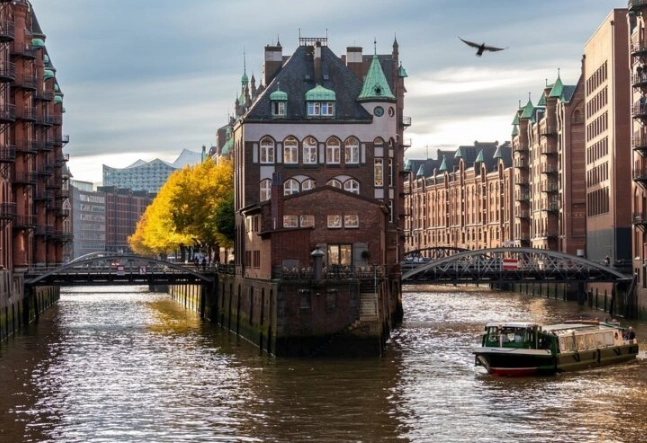
The Not-So-Good Stuff (What Might Put You Off)
The Weather: Let's be blunt. Hamburg's weather is… maritime. That means it can change five times in a day. Rain is frequent, wind is common (they call it “Hamburger Frische”), and winters can be damp and grey. Summers are pleasant but rarely scorching. Packing a waterproof layer is non-negotiable. If you dream of sunny café-sitting for days, this can be a downside.
It's Not Cheap: Hamburg is one of Germany's wealthiest cities, and prices reflect that. Hotels, restaurants, and general living costs are higher than in Berlin or many other German cities. You can travel on a budget, but it takes more planning.
The “Cold” Reputation: The Hanseatic reserve is real. Don't expect waiters or strangers to be effusively friendly. Service is efficient, not warm. This isn't rudeness; it's a cultural norm. Once you break the ice, people are lovely, but the initial barrier can feel chilly to some tourists.
Less “Traditional” Germany: If you're on a first-time Germany trip craving half-timbered houses, castles, and Lederhosen-clad oompah bands, Hamburg will feel atypical. The history here is mercantile and maritime, not royal or fairy-tale. That's a pro for many, but a con for those seeking classic Bavarian or Rhineland vibes.
Spread Out: The must-sees aren't clustered in one tiny Altstadt. The distance between, say, the Elbphilharmonie and the Schanzenviertel is walkable but significant. You'll use public transport a lot. This isn't a bad thing, but requires more logistical thinking than a compact old town.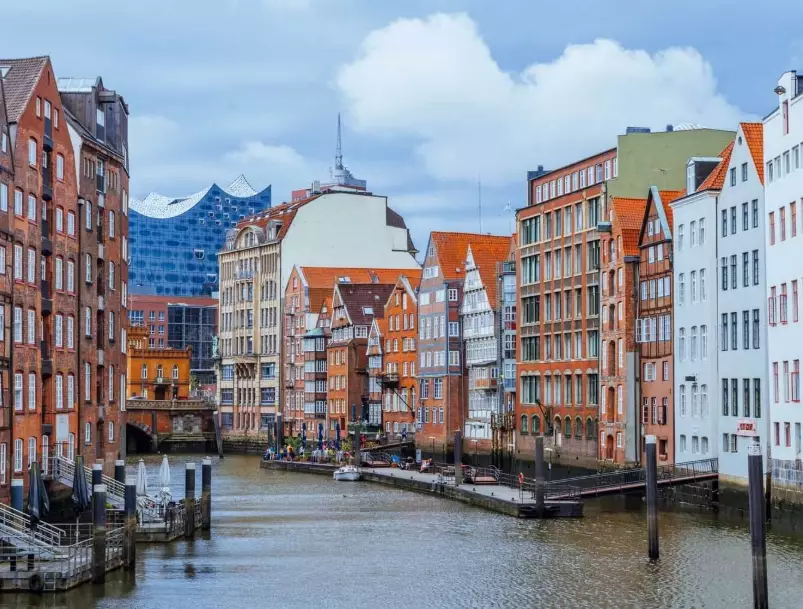
So, is Hamburg good for tourists? For the traveler who values unique architecture, vibrant neighborhoods, great food with a maritime twist, and a city with a strong, authentic identity, it's fantastic. For the traveler who prioritizes guaranteed sunshine, a compact historic core, and low costs, it might be challenging.
Who Is Hamburg Perfect For?
Let's get personal. You'll probably love Hamburg if you:
- Are a “second-time” visitor to Germany looking beyond the classics.
- Love cities with distinct, walkable neighborhoods.
- Appreciate modern architecture and urban planning.
- Are a foodie, especially for seafood.
- Enjoy maritime history, ports, and boat rides.
- Don't mind a bit of moody weather.
- Travel as a couple or with friends (it's great for adults).
You might want to think twice if you:
- Are on a very tight backpacker budget.
- Have young kids seeking constant theme-park-style entertainment (though Miniatur Wunderland is a huge hit).
- Crave constant sunshine and heat.
- Want a traditional “quaint” German experience.
- Get frustrated by reserved social interactions.
Crafting Your Hamburg Itinerary: A Realistic Plan
Alright, let's get practical. How many days do you need? I'd say a solid three days is the sweet spot to get a real feel without rushing. Here's a sample breakdown.
| Day | Morning | Afternoon | Evening |
|---|---|---|---|
| Day 1: Port & Modernity | Explore the Speicherstadt on foot. Visit the Spice Museum or simply admire the architecture. | Head into Hafencity. Visit the Elbphilharmonie Plaza (booked in advance). Learn about the area's development at the Hafencity Info Center. | Dinner in the nearby Überseequartier, then a drink at a bar along the Magellan Terrassen for port views. |
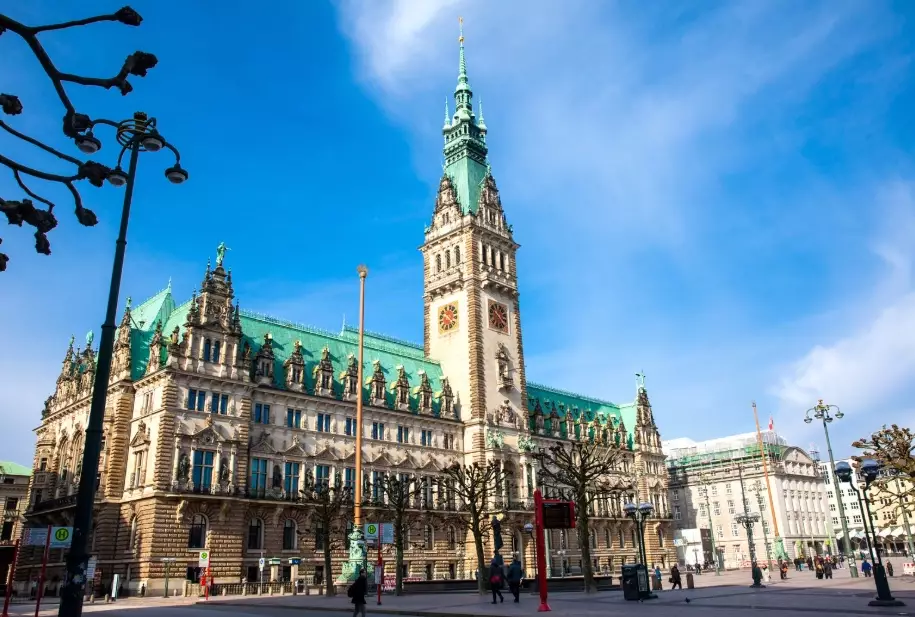
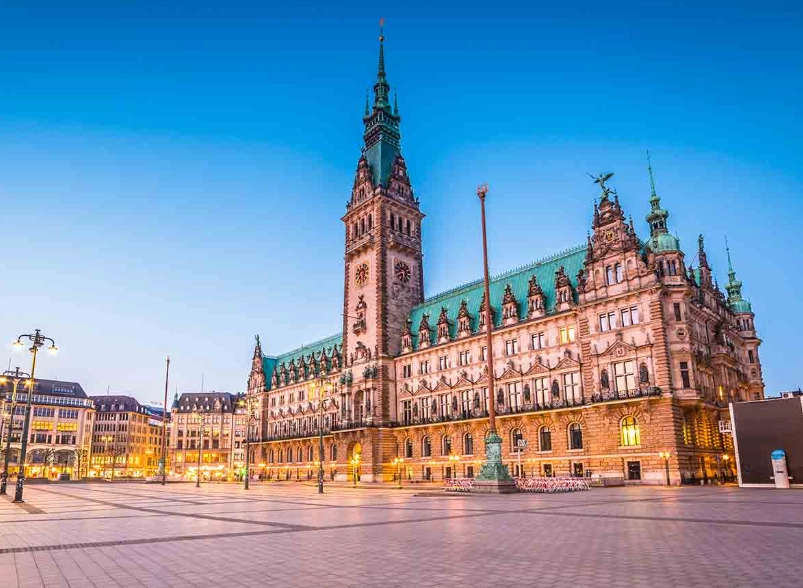
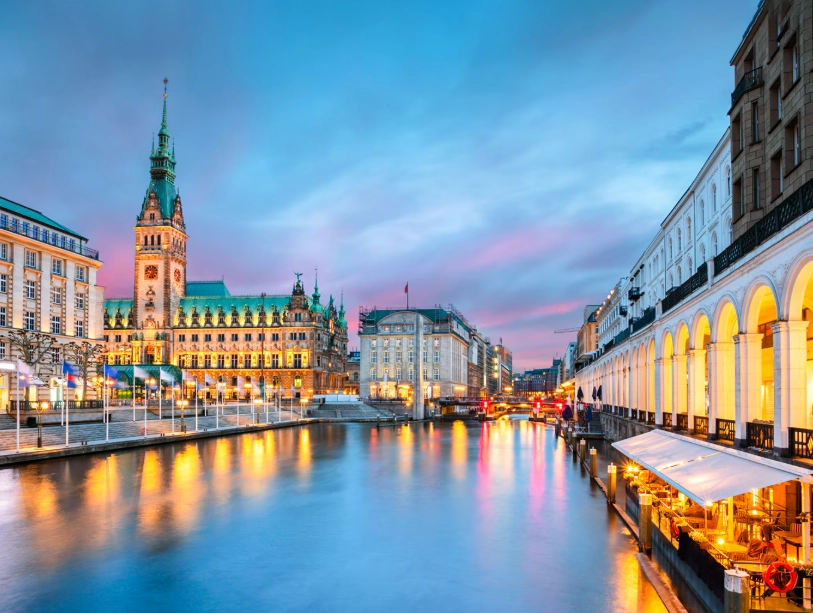
| Day 2: History, Views & Nightlife | Visit the St. Michael's Church (“Michel”) for the best panoramic view of the city from its tower. | Walk through the Altstadt (Town Hall, Alster arcades). Take a public ferry (Line 62) from Landungsbrücken for a cheap harbor tour. | Experience the Reeperbahn in St. Pauli. See the Beatles-Platz, have dinner in a Portuguese restaurant, and catch a show at the Operettenhaus or just feel the buzz. |
| Day 3: Culture & Local Life | Immerse yourself in Miniatur Wunderland (with pre-booked tickets). | Explore the alternative Schanzenviertel. Browse independent shops, see the Rote Flora cultural center, and relax in Planten un Blomen park. | Dinner in the trendy Sternschanze area, known for its diverse international cuisine and vibrant bar scene. |
Got an extra day? Perfect. Dedicate it to a Sunday morning at the Fischmarkt (followed by a long nap!), a deeper dive into a museum like the International Maritime Museum or the Kunsthalle art museum, or a trip out to the Blankenese suburb to wander its charming, stair-filled hillside lanes and villas.
Money Talk: Is Hamburg Expensive for Tourists?
Let's talk numbers, because this is a real concern. Yes, Hamburg is on the pricier side for Germany. But smart choices make it manageable.
Accommodation: This is your biggest cost. Hotels in central areas like Altstadt, Neustadt, or around the Hauptbahnhof are premium. For better value, look in Sternschanze, St. Georg, or Altona. They're well-connected and have more local character. A good mid-range hotel will cost €100-€150 per night. Hostels are available, especially around St. Pauli.
Food & Drink:
- Budget: Fischbrötchen (€4-€6), Currywurst, Döner Kebab, supermarket picnics by the Alster.
- Mid-Range: A main course in a decent restaurant: €15-€25. Lunch specials (“Mittagstisch”) are often great value.
- Splurge: Fine dining in the Überseequartier or a top-rated seafood restaurant.
- Pro Tip: Drink tap water (“Leitungswasser”)! It's excellent and free. Asking for it is completely normal.
Saving on Transport: The Hamburg CARD is worth checking out. It offers unlimited public transport and discounts on many attractions. Do the math based on your plans—for intensive sightseeing, it often pays off. Check the options on the official Hamburg Tourism website.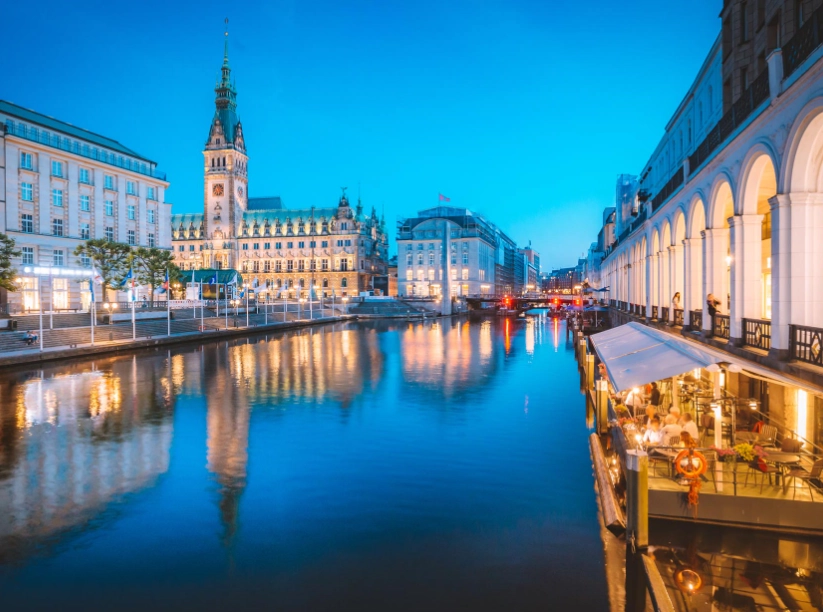
Answers to Your Burning Questions (FAQ)
Is Hamburg safe for tourists?
Very. Like any major city, be aware of pickpockets in crowded areas like the Hauptbahnhof or on the Reeperbahn at night. St. Pauli/Reeperbahn is a safe nightlife district, but it's lively. Stick to well-lit main streets if you're alone late. Overall, Hamburg has a low crime rate and feels extremely safe to walk around, even at night.
Is Hamburg good for English-speaking tourists?
Absolutely. English proficiency is very high, especially among younger people and in the service industry (restaurants, attractions, hotels). You'll have no problem communicating. Menus and signs often have English translations. It's one of the easiest German cities for monolingual English speakers to navigate.
What is the best time of year to visit Hamburg?
This depends on your weather tolerance.
- Late Spring (May-June) & Early Autumn (September): The sweet spot. Pleasant temperatures, longer days, and fewer crowds than peak summer. The city is green and lovely.
- Summer (July-August): Warmest, busiest, and most festivals (like the Hafengeburtstag port anniversary). Accommodation is most expensive. Book everything far in advance.
- Winter (November-February): Cold, grey, and short days. However, the Christmas markets are magical, especially the one in the historic Rathausmarkt. It's a cozy time for museums and concerts.
Can I see Hamburg in one day?
You can hit the absolute highlights, but you'll be sprinting and will only scratch the surface. A one-day blitz could be: Speicherstadt/Hafencity (Elbphilharmonie plaza) in the morning, a 1-hour harbor boat tour at lunch, and St. Michael's Church in the afternoon. You'll miss the neighborhoods and the vibe. If one day is all you have, focus on the port area.
Is Hamburg a walkable city?
Within neighborhoods, it's very walkable. But the city center is spread out. You'll be walking a lot (which is great!), but you'll also need to use the U-Bahn/S-Bahn to hop between districts like the port, St. Pauli, and Schanzenviertel. The walking is flat and pleasant, though.
The Final Verdict
Let's circle back to the core question one last time: Is Hamburg good for tourists?
My take? Hamburg is a terrific tourist destination for the right traveler. It offers a sophisticated, modern, and maritime twist on the German city break. It's not trying to be Munich or Rothenburg. It's confidently itself.
You come for the stunning contrast of old brick warehouses and futuristic glass waves. You come for the thrill of watching giant ships glide past as you eat a simple fish sandwich. You come for the creative energy of its alternative districts and the sheer awe of Miniatur Wunderland's tiny, perfect world.
You don't come for guaranteed sunshine or budget prices. You come with a good jacket and a sense of adventure.
If that sounds like your kind of travel, then Hamburg isn't just good—it's exceptional.
Planning is key. Book your Elbphilharmonie plaza ticket and Miniatur Wunderland slot the moment you know your dates. Pack layers. Get a transport pass. And be ready to explore a city that reveals its charms not in a single iconic snapshot, but in the experience of its water, its wind, and its wonderfully unique character.
So, are you ready to see if Hamburg is good for you? I think you might just be surprised by how much it gets under your skin.