Ask anyone what the traditional beer for Oktoberfest is, and you'll likely get a quick answer: "German beer." But that's like calling a Ferrari "a car." It misses the point entirely. The beer served at Munich's Oktoberfest isn't just any German lager. It's a specific, legally protected product called Oktoberfestbier (Oktoberfest beer), and it's almost exclusively a rich, amber lager style known as Märzen. Think of it as liquid gold with rules. Having spent over a decade exploring beer festivals across Bavaria, I've seen countless tourists make the same mistake—ordering a random "Oktoberfest-style" beer at a supermarket and thinking they've got the real deal. They haven't. The authentic experience is governed by tradition, local pride, and a set of regulations stricter than a German train schedule.
What You'll Find in This Guide
What Exactly Is Oktoberfest Beer?
Let's cut through the marketing. True Oktoberfest beer is defined by two non-negotiable factors: geography and composition. First, it must be brewed within the city limits of Munich. Second, it must adhere to the Reinheitsgebot (Beer Purity Law) of 1516, which permits only water, barley, hops, and yeast. But here's the insider nuance everyone misses: the Oktoberfestbier convention adds an extra layer. Since the early 20th century, the six Munich breweries allowed to serve at the festival have agreed to brew a specific festival-strength Märzen that's slightly darker and stronger than a standard Helles lager but not as heavy as some export Märzens you find abroad.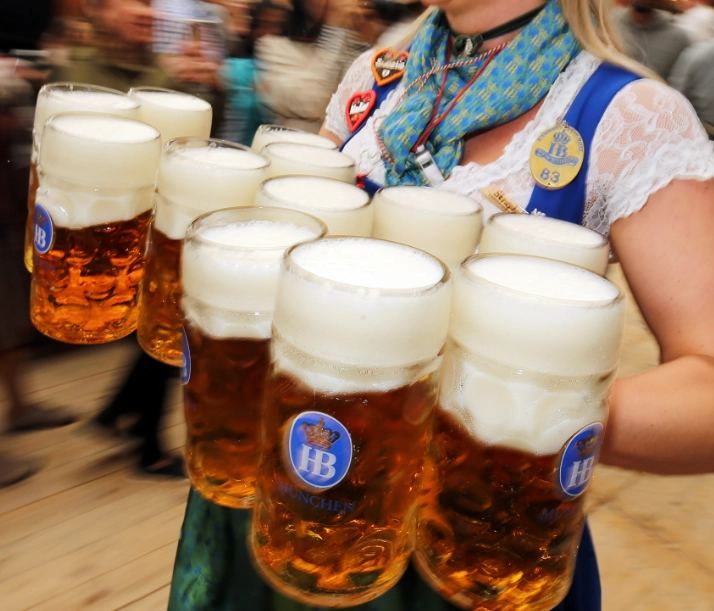
Key Takeaway: If it's not brewed by one of Munich's "Big Six" breweries (Augustiner, Hacker-Pschorr, Hofbräu, Löwenbräu, Paulaner, Spaten) specifically for the festival grounds, it's not the official Oktoberfestbier. You might be drinking a very good Märzen, but it's not the one served in the tents.
From Cellar to Festival: The Märzen Story
The name Märzen literally means "March beer." This is the clue to its origin. Before refrigeration, brewing in the hot summer months was risky due to bacterial infection. So, brewers would make a final, strong batch in March (März), using more malt and hops—both natural preservatives. They'd cellar it in cool caves or lagering tunnels over the summer. By late September, this robust, well-kept beer was ready to drink, perfectly coinciding with the original Oktoberfest wedding celebration in 1810. The style became synonymous with the festival.
But taste evolves. The original 19th-century Märzen was much darker, almost brown. Over time, Munich brewers gradually lightened it to the radiant amber-copper color we see today. A common myth is that it's a super-heavy, sweet beer. Modern festival Märzen is actually remarkably balanced—malty for sure, with notes of toasted bread and a hint of caramel, but always finished with a clean, noble hop bitterness that prevents it from being cloying. It's designed for liter-after-liter consumption in a lively tent.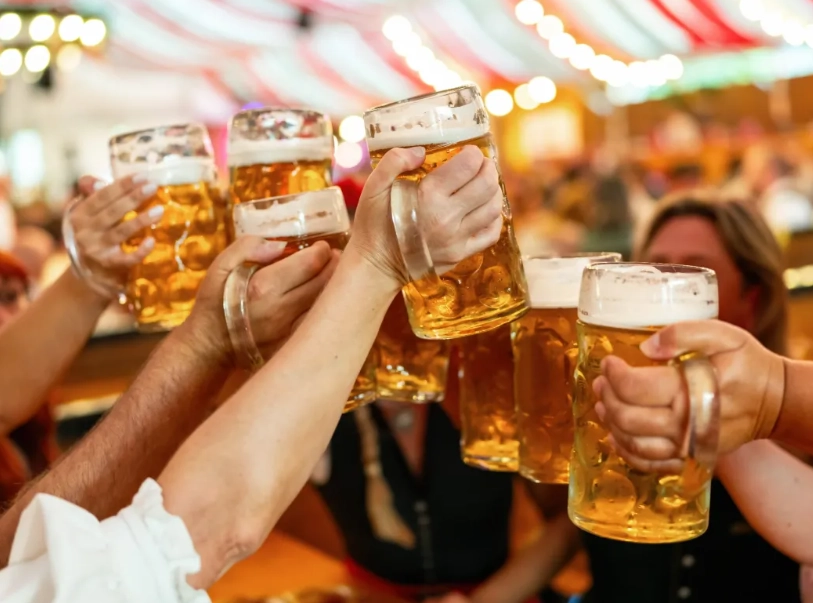
Taste, Strength, and Rules: The Beer's Profile
So, what are you actually getting in that iconic one-liter Maß stein?
The Official Specifications
The brewmasters of the six breweries aren't just winging it. Their Oktoberfestbier conforms to a shared profile. It's a bottom-fermented lager (not an ale). Its alcohol by volume (ABV) typically ranges from 6.0% to 6.5%. That's noticeably stronger than your average 5% pilsner or Helles. The color is a deep, brilliant gold to light copper. The flavor is a masterclass in malt: think fresh bread crust, a touch of honey, and a light, toasty sweetness. The hop presence (usually from Hallertau region hops) is subtle but firm, providing a dry, crisp finish that beckons another sip.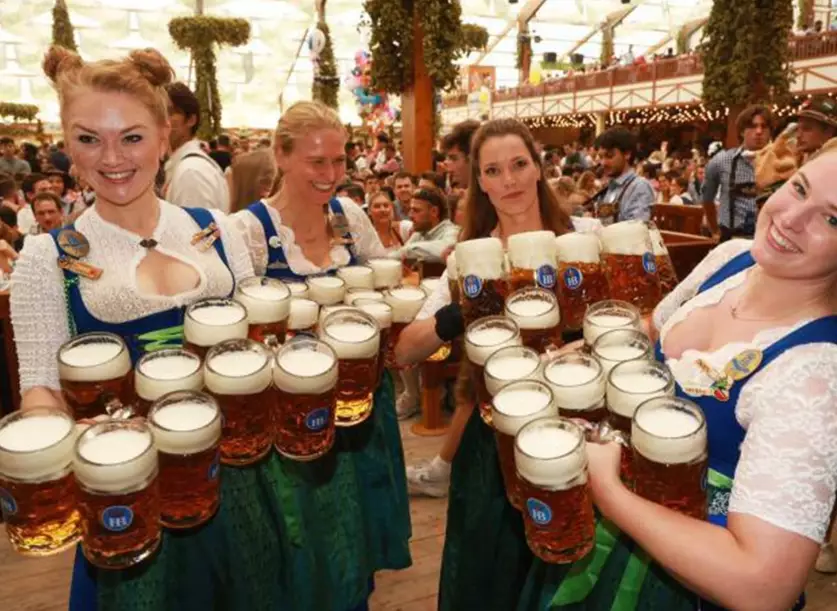
The "Liquid Gold" Price Tag
Let's talk money, because this is a practical concern. Inside the Oktoberfest tents, you don't buy bottles. You buy by the liter (Maß). For the 2024 festival, expect to pay between €13.50 and €14.90 per Maß, depending on the tent. Yes, it's expensive. You're paying for the experience, the atmosphere, the music, and the fact that this beer is brewed for this one event. A common rookie error is balking at the price and trying to find "cheaper" beer outside the tents in the surrounding stands. Don't. The quality and authenticity are not the same.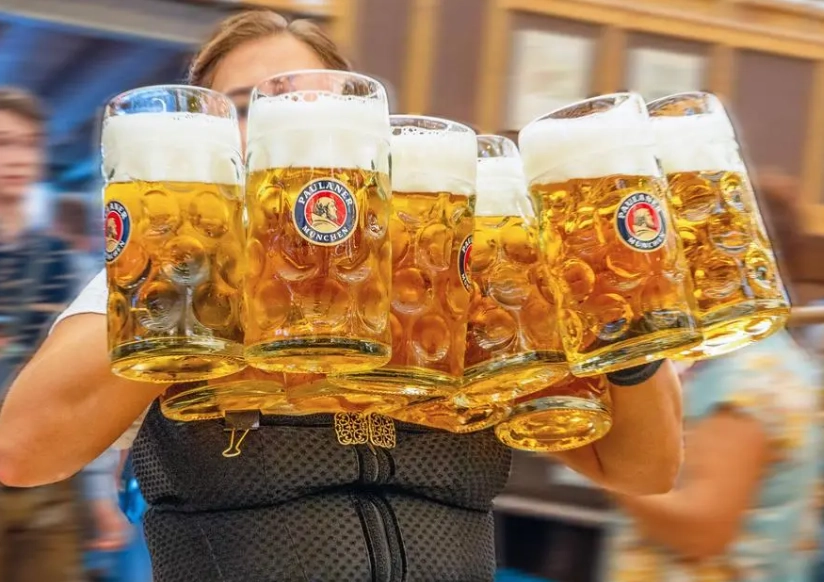
Where to Drink Authentic Oktoberfest Beer
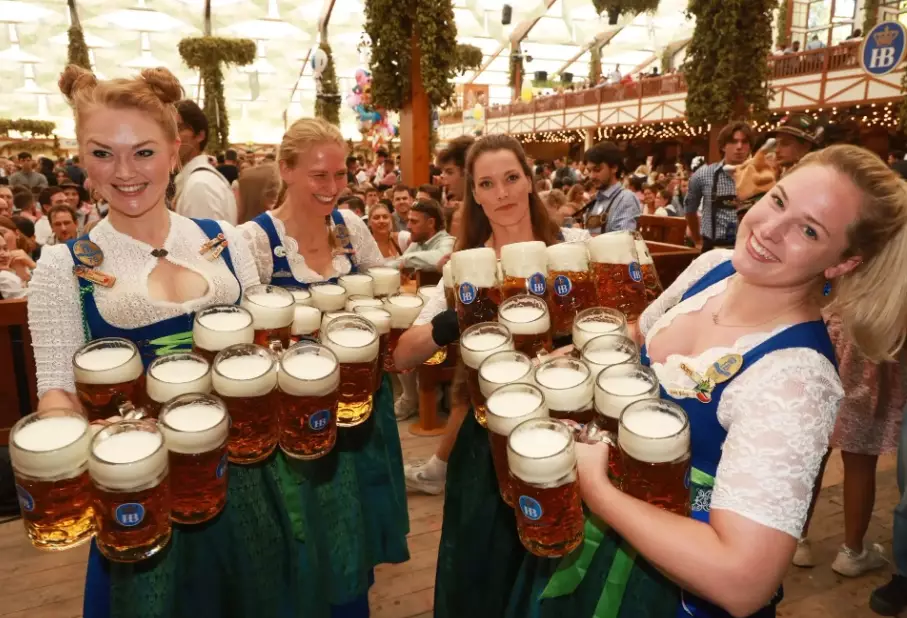
Your only source for the real thing during the festival is within the grounds at the Theresienwiese. Each of the six Munich breweries operates its own massive tents (Festzelte), each with a distinct personality. This isn't a one-size-fits-all experience.
| Brewery Tent | Atmosphere & Vibe | Notable Feature | 2024 Beer Price (approx. per Maß) |
|---|---|---|---|
| Augustiner-Festhalle | Most traditional, family-friendly, many locals. Beer is still served from wooden barrels. | Considered by many purists to have the "best" beer due to its traditional serving method. | €13.50 - €13.80 |
| Hacker-Festzelt (Hacker-Pschorr) | Lively, younger crowd, famous for its "Himmel der Bayern" (Bavarian Heaven) painted ceiling. | Fantastic party atmosphere with great music. Their Oktoberfest beer is exceptionally smooth. | €14.40 - €14.60 |
| Hofbräu-Festzelt | International hotspot, very loud and rowdy, a major destination for global visitors. | The most famous tent abroad. Don't expect a quiet Bavarian idyll here—it's a blast. | €14.50 - €14.70 |
| Schottenhamel-Festzelt (Spaten) | Historic significance, mixed crowd. Where the festival opening tap ceremony occurs. | Must-visit for history buffs. The first keg is tapped here by the Mayor of Munich. | €14.40 - €14.60 |
| Löwenbräu-Festzelt | Energetic, with a giant lion statue at the entrance that roars. Good mix of tourists and locals. | The lion mascot makes it iconic. Their beer has a pronounced, pleasant malt character. | €14.30 - €14.50 |
| Paulaner-Festzelt (Winzerer Fähndl) | One of the largest tents, famous for its rotating Paulaner monk statue on the roof. | Huge capacity, often has famous brass bands. A very "complete" Oktoberfest experience. | €14.60 - €14.90 |
Can you get this beer outside of the festival? Sort of. The breweries often release a bottled or kegged version called "Oktoberfestbier" or "Wiesn" beer ("Wiesn" is the local name for the festival grounds). It's very similar, sometimes identical, to the tent brew and available worldwide in late summer/autumn. But drinking it from a bottle in your living room lacks the steam-whistle chaos of a packed tent.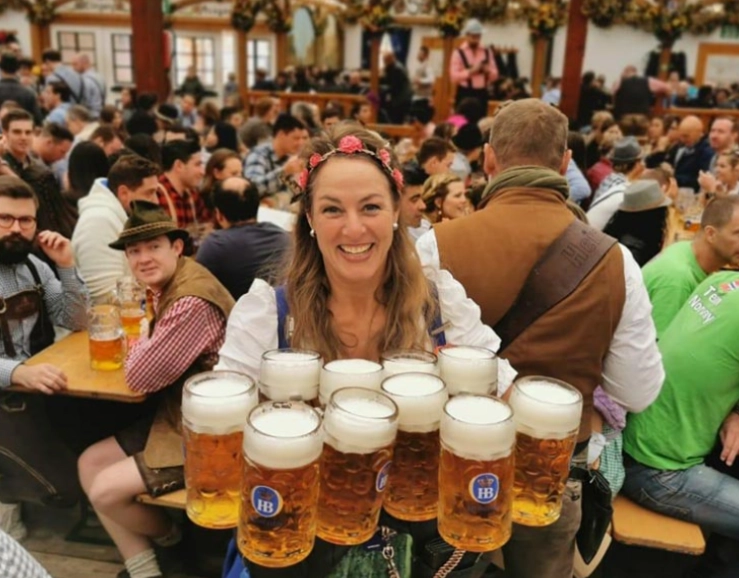
How to Order & Enjoy It Like a Local
You've navigated the crowd and found a seat. Now what? First, eye contact with a server (Kellnerin). Raise a finger and call "Ein Maß, bitte!" (One liter, please!). When it arrives, don't just sip. Clink steins with your entire table, making sure to look each person in the eye—it's bad luck not to. Say "Prost!"
Now, the payment ritual almost everyone gets wrong. The server will often ask if you want to pay now (Jetzt zahlen?). If you say yes, you pay the exact amount on the spot. If you say no, they'll keep a tally on your beer coaster. Always tip. Rounding up to the nearest euro or adding 5-10% is standard. Handing the server €15 for a €13.80 beer and saying "Stimmt so" (that's fine) is perfect. They work inhumanly hard.
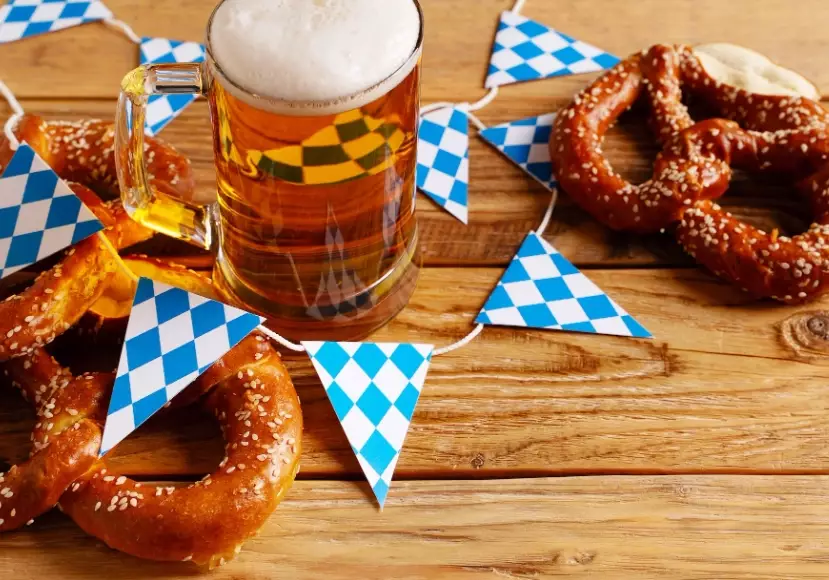
Pair your beer with the right food. This isn't a peanut-and-pretzel situation. The classic match is Hendl (roast chicken). The crispy skin and savory meat cut through the beer's maltiness beautifully. A giant Brez'n (pretzel) is mandatory for soaking it all up.