Quick Guide
- The Bedrock: Philosophy, History, and "Ordnung"
- A Feast for the Senses: Arts, Music, and Celebration
- The Culinary Landscape: It's Not All Meat and Potatoes
- Engineering, Industry, and "Made in Germany"
- Modern Life: Football, Sustainability, and Directness
- Wrapping It Up: A Culture of Depth and Contrast
Let's be honest, when someone asks "what is Germany's culture known for?", the first images that pop into most people's heads are men in Lederhosen clinking giant beer mugs at Oktoberfest. Maybe a shiny BMW or Mercedes driving on the Autobahn. And sure, those are part of the picture – a fun, loud, postcard-ready part. But if you think that's all there is, you're missing the real story.
German culture is this fascinating, sometimes contradictory, blend of deep soul-searching and incredible practical skill. It's the land that gave us both Beethoven's heartbreaking symphonies and the precision of a Miele washing machine. Where you can ponder life's big questions in a university that's over 600 years old, and then go to a club in Berlin where the party hasn't stopped since last weekend. Trying to pin it down to just a few things feels almost impossible, but that's what makes exploring it so rewarding.
So, what is Germany's culture really known for? It's known for a foundation built on Dichter und Denker (poets and thinkers), a world-class tradition in music and arts, a social calendar packed with unique and often ancient traditions, a culinary scene that's way more than sausage, a legendary engineering and industry ethos, and a set of modern social values that make the country tick today. Let's peel back the layers.
The Bedrock: Philosophy, History, and "Ordnung"
You can't understand modern Germany without touching on the heavy stuff. This is the country of Kant, Hegel, Nietzsche, and Marx. Walking through a German city, you feel the weight of history, both glorious and terrible. The Holocaust memorial in Berlin isn't just a tourist spot; it's a national promise to remember. This deep engagement with history and ethics shapes the German mindset in a way that's hard to describe but easy to feel once you're there.
Then there's the famous German love of order – Ordnung. It's not just a stereotype. It manifests in things like the Ruhezeit (quiet time, usually on Sundays and after 10 pm), where loud noises like mowing your lawn or vacuuming are seriously frowned upon. As someone who accidentally ran a blender during a Sunday afternoon once, I can confirm the neighbor's look said more than any fine ever could. This need for structure also shows up in bureaucracy, which can be... thorough. Getting an apartment or a visa involves paperwork that feels like a marathon. But on the flip side, this order creates incredible reliability. Trains mostly run on time, streets are clean, and systems work.
A Feast for the Senses: Arts, Music, and Celebration
If you're asking "what is Germany's culture known for" in the creative sphere, the list is embarrassingly rich.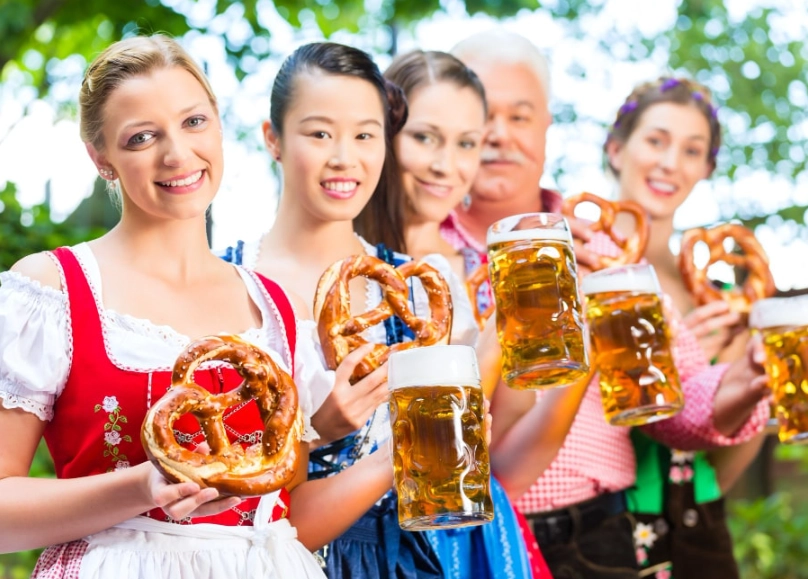
The Soundtrack of a Nation
Bach, Beethoven, Brahms, Wagner. These aren't just names on a concert program; they're national treasures. You can visit Bach's church in Leipzig or Beethoven's birthplace in Bonn. But it's not all stuck in the past. Germany's contemporary music scene, especially electronic music, is arguably the best in the world. Berlin's techno temples like Berghain are modern-day cultural institutions with their own strict (and mysterious) door policies. The love for music, from the most complex classical to the most repetitive beat, is a throughline.
Castles, Cathedrals, and Canvas
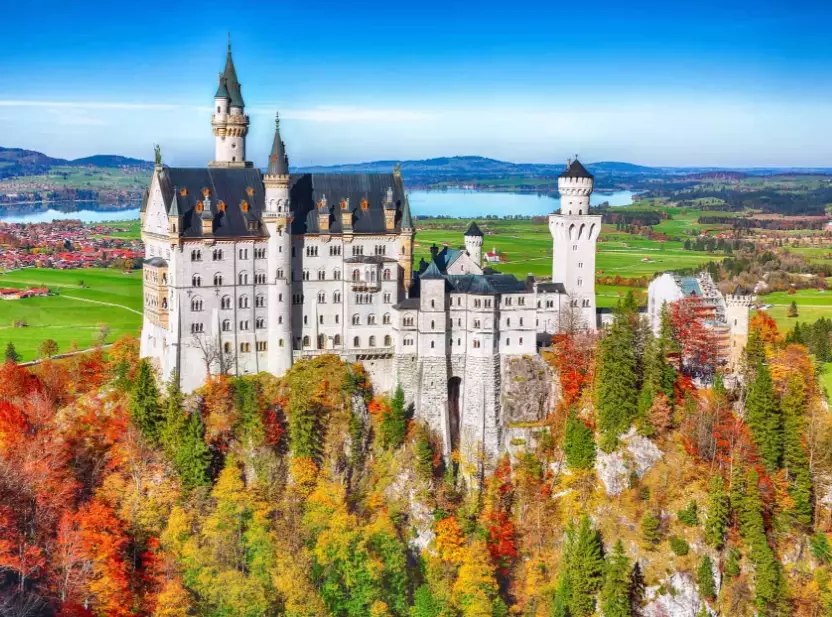
Architecturally, Germany offers a timeline in stone and glass. You have the fairy-tale madness of Neuschwanstein Castle (the one Disney copied), the Cologne Cathedral that'll make your neck ache from looking up, and the sleek, cutting-edge designs of modern Frankfurt. Museums are everywhere, and many have collections that rival London or Paris. The Museumsinsel (Museum Island) in Berlin is a UNESCO site for a reason.
The Party Calendar: More Than Oktoberfest
Oktoberfest in Munich is the world's biggest folk festival, and it's a spectacle of massive tents, roasted chicken, and merry crowds. But calling it "German culture" is like calling the Super Bowl "American culture" – it's a part, but not the whole.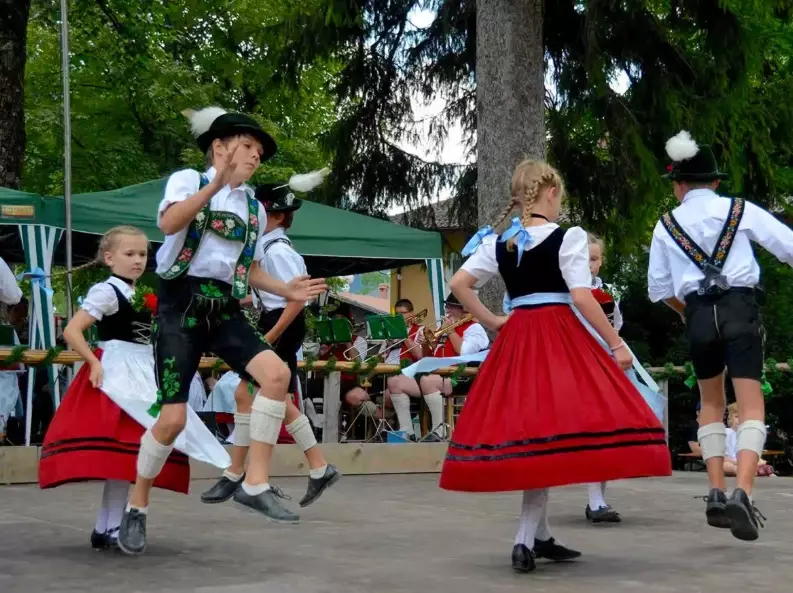
The real magic is in the regional festivals. There's Karneval or Fasching in the Rhineland, a wild, costumed, satirical party before Lent where normal social rules are turned upside down. There are Christmas Markets (Weihnachtsmärkte) that transform town squares into twinkling wonderlands of mulled wine (Glühwein) and handmade crafts. There's Walpurgisnacht (Witches' Night) with bonfires on April 30th, and wine festivals along the Rhine and Mosel rivers in the fall.
| Festival | Region/City | What It's About | Key Experience |
|---|---|---|---|
| Oktoberfest | Munich (Bavaria) | Celebration of Bavarian beer, harvest, and community. | Sitting in a massive tent, singing along to brass bands, drinking a Maß (liter of beer). |
| Kölner Karneval | Cologne (North Rhine-Westphalia) | Pre-Lent festival of foolishness, satire, and role reversal. | Watching the Rosenmontagszug (Rose Monday Parade) with tons of candy (Kamelle) thrown from floats. |
| Berlin International Film Festival (Berlinale) | Berlin | One of the world's leading film festivals, showcasing cinematic art. | Spotting international stars and watching groundbreaking films from around the globe. |
| Weihnachtsmarkt (Christmas Market) | Nationwide (e.g., Nuremberg, Dresden) | Advent season market for crafts, food, and community gathering. | Drinking Glühwein from a collectible mug, eating Lebkuchen (gingerbread), and soaking in the lights. |
| Wurstmarkt Bad Dürkheim | Bad Dürkheim (Rhineland-Palatinate) | Claimed to be the world's largest wine festival. | Tasting local Rieslings and other wines from the region in a festive, less-touristy atmosphere. |
Honestly, Oktoberfest can be overwhelming and expensive. For a more authentic, local feel, I'd often recommend a smaller town festival like a Weinfest (wine festival) in a vineyard village. The vibe is more relaxed, the people are friendlier, and you get a real sense of local community.
The Culinary Landscape: It's Not All Meat and Potatoes
German food gets a bad rap sometimes. Yes, it's hearty. Yes, there's a lot of pork and bread. But there's a huge regional diversity that surprises people.
In the south (Bavaria, Swabia), you're in the land of Schweinshaxe (roasted pork knuckle), Spätzle (egg noodles), and Brezen (pretzels). Head north to the coast, and the menu fills with fish – Matjes (herring) in all forms, and amazing seafood. The southwest, near France, has dishes like Flammkuchen (a thin, crispy pizza-like tart with crème fraîche, onions, and bacon).
Bread and Cake: The Unspoken Heroes
Germany takes its bread (Brot) seriously. There are over 300 varieties, from dense, dark rye (Roggenbrot) to crunchy seeded loaves. A German breakfast is often just a selection of amazing breads, cheeses, and cold cuts. And don't get me started on cake (Kuchen). The afternoon coffee and cake ritual (Kaffee und Kuchen) is sacred. A slice of Schwarzwälder Kirschtorte (Black Forest gateau) or a warm Apfelstrudel is a cultural experience in itself.
The Beer Culture (Yes, We Have to Talk About It)
Beer is more than a drink; it's a social lubricant and a point of pride. The Reinheitsgebot (Beer Purity Law), originally from 1516, stipulated that beer could only contain water, barley, and hops (yeast was added later). While modern beer styles have evolved, the law symbolizes a commitment to quality and tradition.
What's fascinating is the regionality. Cologne has its light, crisp Kölsch served in small, cylindrical glasses. Düsseldorf has its darker, maltier Altbier. Bavaria is the home of the golden Helles and the cloudy Hefeweizen (wheat beer). Going to a Brauhaus (brewery tavern) is less about getting drunk and more about conversation and community. The pace is leisurely, the glasses are refilled steadily, and it's perfectly normal to sit at a large shared table (Stammtisch) and end up chatting with strangers.
But a word of warning: the beer is stronger than you might be used to. Pace yourself.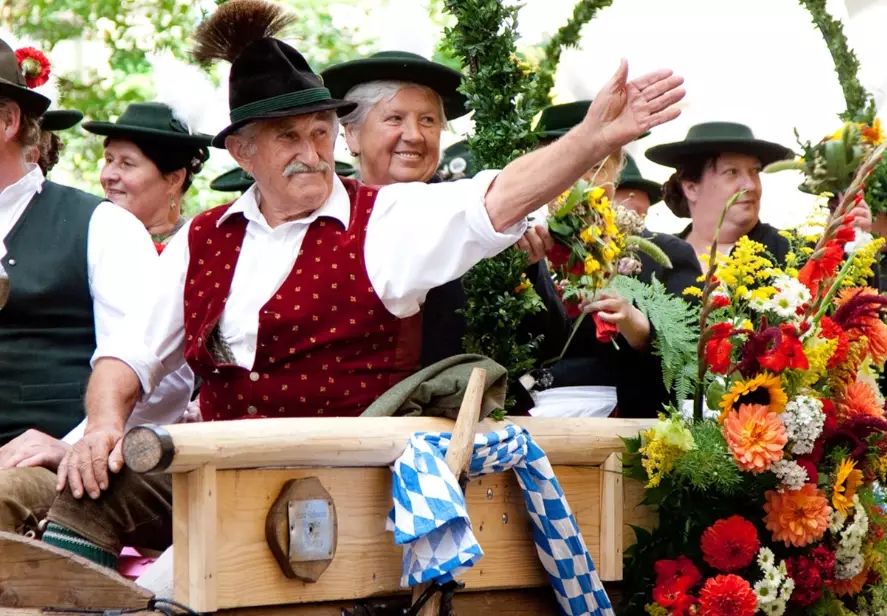
Engineering, Industry, and "Made in Germany"
This is a huge part of the answer to "what is Germany's culture known for?". The "Made in Germany" label was originally a British idea in the late 1800s to mark inferior imports. Germans turned it into a global gold standard for quality, precision, and reliability.
We're talking about the automotive giants (Volkswagen, Mercedes-Benz, BMW, Porsche, Audi), world-leading chemical and pharmaceutical companies (BASF, Bayer), and engineering powerhouses like Siemens and Bosch. This culture of Ingenieurwissenschaft (engineering science) stems from the dual education system, where students split time between vocational school and paid apprenticeships in companies. It creates a highly skilled workforce that takes pride in craftsmanship.
The Autobahn, with its famous sections without a speed limit, is a symbol of this love for engineering and freedom (though it's also a source of debate about safety and the environment). Driving a well-engineered car on a well-engineered road – it's a very specific German experience.
Modern Life: Football, Sustainability, and Directness
Modern German culture is also defined by its passions and social contracts.
Fußball (Football/Soccer)
This is the national secular religion. The Bundesliga has some of the best stadium atmospheres in the world, with standing terraces (Stehplätze) for fans, incredible choreography, and passionate singing for 90 minutes straight. The success of the national team (Die Mannschaft) unites the country in a way little else can. Being in a public viewing area during a World Cup match is pure, screaming joy.
The Energiewende and Sustainability
Germany has been a global leader in the transition to renewable energy (Energiewende). You'll see wind turbines and solar panels everywhere. Recycling (Mülltrennung) is a complex, taken-seriously national duty with separate bins for paper, packaging, organic waste, and residual waste. It can be confusing at first (is a greasy pizza box paper or residual waste?), but it reflects a strong environmental consciousness.
Communication: Directness and Privacy
Germans can come across as blunt or direct. Small talk is less common. If you ask a German colleague "How are you?" they might actually tell you, in detail. This isn't rudeness; it's a preference for clear, honest communication without what can be perceived as unnecessary fluff. Related to this is a high value placed on privacy. Don't be surprised if garden fences are high or curtains are consistently closed. Das ist Privatsache (That's a private matter) is a common and respected stance.
Wrapping It Up: A Culture of Depth and Contrast
So, what is Germany's culture known for? It's known for its profound depth in thought and art, matched by an unparalleled excellence in engineering and industry. It's known for traditions that range from the solemn to the wildly celebratory, all taken seriously in their own way. It's a culture that values quality, whether in a piece of machinery, a loaf of bread, or a philosophical argument.
It can feel rigid at times (the bureaucracy is real), but within that structure, there's immense creativity and a fierce protection of individual freedoms and social welfare. It's a culture that has stared into the darkest parts of human history and has worked, consciously and constantly, to build a society based on remembrance, democracy, and sustainability.
To truly get it, you have to experience both the cathedral and the club, the philosophy seminar and the football stadium, the silent Sunday and the roaring Oktoberfest tent.
That's the real answer. It's not just one thing. It's the thrilling, sometimes frustrating, always interesting tension between all of them.