Your Oktoberfest Navigation Guide
- Getting Super Specific: Navigating to the Theresienwiese
- Why Munich? The History Behind the Location
- What Actually IS at the Oktoberfest Location?
- When to Go: Timing Your Visit to the Oktoberfest Location
- Practical Info for Your Visit: From Money to Manners
- Common Questions About the Oktoberfest Location
Alright, let's tackle this head-on because I see this question pop up everywhere. If you're typing "Where is Oktoberfest in Germany" into Google, you're probably getting a mix of vague answers and overly simplified ones. The short, textbook answer is Munich. But honestly, that's like saying Disney World is in Florida. It's technically true, but it doesn't help you plan your trip, find a hotel, or figure out which U-Bahn to take at 11 PM when you've had one too many Maß.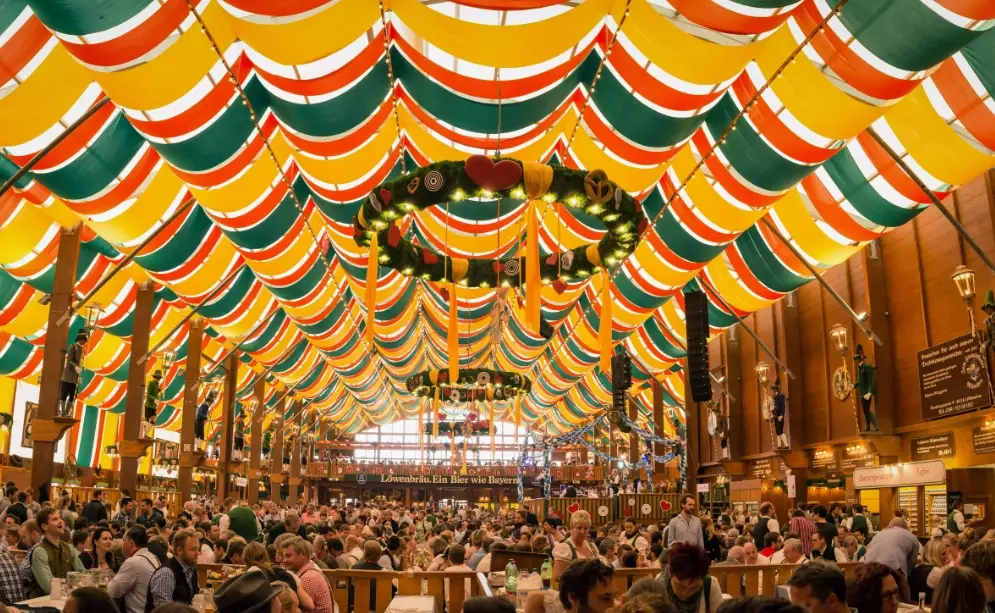
The real answer, the useful one, is more specific. Oktoberfest is held on a massive, sprawling piece of land called the Theresienwiese (locals often just call it the "Wies'n"). It's right in the heart of Munich, but it's not some hidden courtyard. We're talking about a 420,000 square meter (that's about 100 acres) field that transforms into a temporary city of beer, food, and music. The official address for your GPS is Theresienwiese, 80339 München, Germany. But plugging that in is just the start.
Core Fact: The "Where" of Oktoberfest is a two-part answer. City: Munich (München). Exact Grounds: The Theresienwiese, located just southwest of Munich's main train station (Hauptbahnhof). This is non-negotiable and has been the location since its inception in 1810.
I remember my first time trying to find it. I got off at the main station, followed the crowds, and then suddenly there it was—this sea of lights, music, and giant buildings that looked like permanent palaces but are, in fact, meticulously constructed tents. That's the first thing that strikes you. This isn't a county fairground. It's a purpose-built festival ground for one event, and its location is absolutely central to the Munich experience.
Getting Super Specific: Navigating to the Theresienwiese
So you know it's at the Theresienwiese. Great. Now, how do you actually get your feet on that hallowed ground? Munich's public transport system (MVV) is your best friend, and it's engineered to handle the millions of Oktoberfest visitors.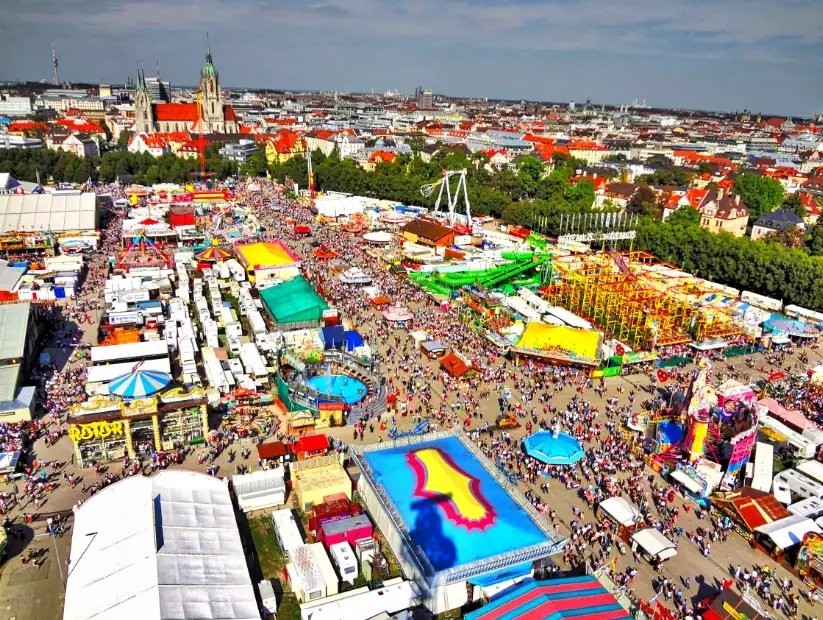
Let's get real for a second. Driving is a nightmare I wouldn't wish on anyone. Parking is nearly mythical, and traffic is solid. Just don't. The U-Bahn (subway) and S-Bahn (suburban train) are the arteries to the Wies'n.
Key Public Transport Stops for Oktoberfest
Not all stops are created equal. Some are calmer, others are a human river. Here’s the breakdown:
| Station Name | Line(s) | Best For / Notes |
|---|---|---|
| Theresienwiese | U4, U5 | The most direct stop. Puts you right at the base of the Bavaria statue. Can be VERY crowded at peak times. |
| Schwanthalerhöhe | U4, U5 | My personal favorite. A short walk to the southern/Hacker-Pschorr end of the grounds. Often slightly less chaotic. |
| Goetheplatz | U3, U6 | Good for accessing the eastern side. A pleasant walk through part of the city. |
| Hauptbahnhof (Main Station) | U1, U2, U4, U5, U7, U8, S-Bahn | The major hub. A 10-15 minute walk to the grounds. Overwhelming but useful if you're coming from far away. |
Pro tip from someone who's been stuck in a crowd: If you're staying for the last round, check which line you need to get home before the tents close. The surge of people all leaving at once is something to behold (and avoid if you can). Maybe duck out 20 minutes early, or just embrace the chaos with a smile.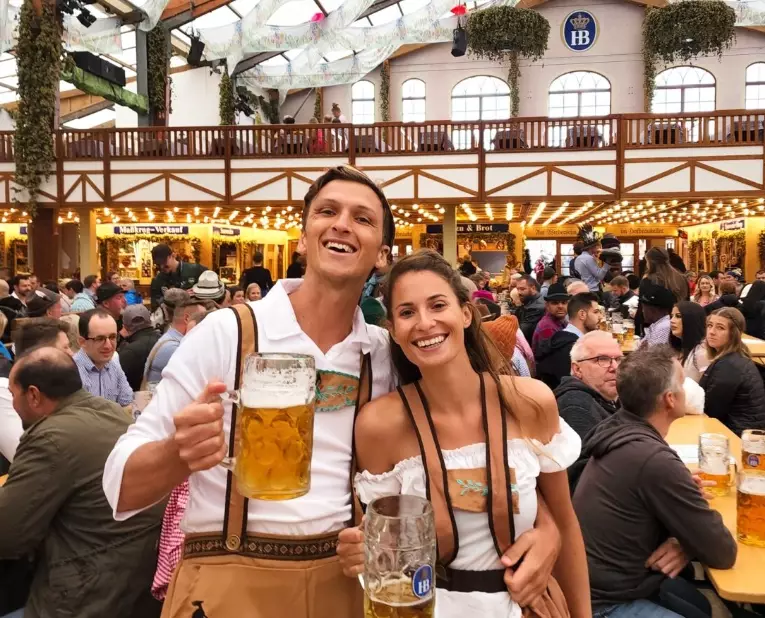
Watch Your Belongings: The U-Bahn stations and trains, especially around Theresienwiese, are prime spots for pickpockets. Keep your wallet in a front pocket or a secure bag. The festive mood makes people easy targets.
Why Munich? The History Behind the Location
You might wonder, why here? Why did Oktoberfest in Germany end up firmly planted in Munich and nowhere else? It wasn't a random choice. It started as a royal wedding celebration. On October 12, 1810, Crown Prince Ludwig (later King Ludwig I) married Princess Therese of Saxe-Hildburghausen. The citizens of Munich were invited to celebrate on the fields in front of the city gates, which were named Theresienwiese ("Theresa's meadow") in her honor.
The horse races held during that first celebration were repeated the following year, and a tradition was born. Over the decades, beer stands appeared, then proper beer halls, and eventually the massive tents we know today. The location stuck because it was a large, open space just outside the old city that could accommodate growth. You can read a more detailed account of this history on the official Munich city website's Oktoberfest page.
So, the location is a piece of living history. You're literally partying where royalty got married.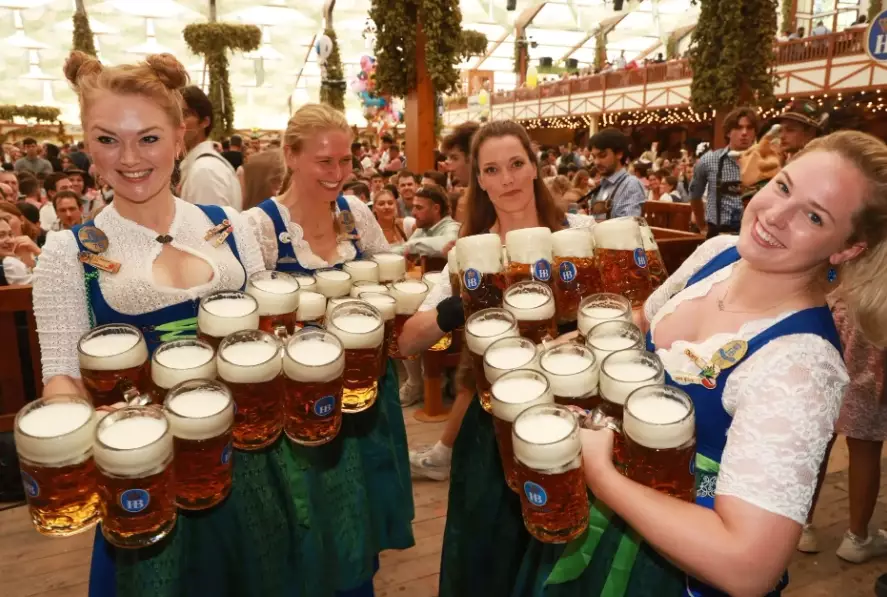
What Actually IS at the Oktoberfest Location?
Understanding where Oktoberfest in Germany is also means knowing what fills that space. It's not one big beer hall. It's a meticulously organized layout of large tents, medium tents, rides, and games. The vibe changes dramatically from one area to another.
The Big Tents (Die Großzelte)
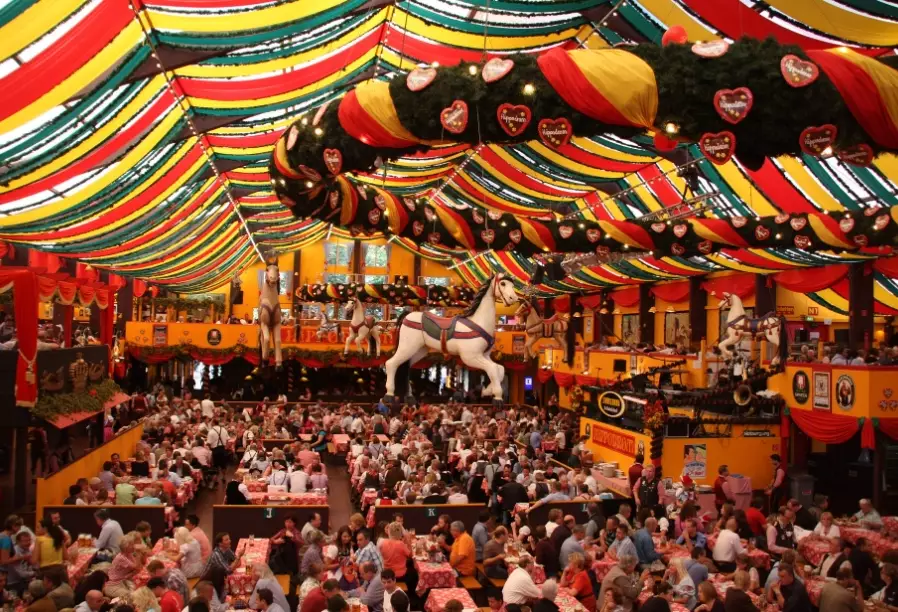
These are the icons. Each is run by a specific Munich brewery and has its own distinct personality, clientele, and sometimes even dress code. Knowing which tent suits you is key to enjoying your visit. Here’s a quick rundown of the heavy hitters:
- Schottenhamel: The hallowed ground where the festival opens. At noon on the first Saturday, the Mayor taps the first keg here. It's also one of the most popular with younger crowds and students. Gets rowdy (in a good way).
- Hofbräu-Festzelt: The international tent. You'll hear more English here than anywhere else. It's huge, loud, and the classic image for many foreigners. A great first-timer tent but can feel a bit like a stereotype.
- Augustiner-Festhalle: Many locals claim this is the "authentic" tent. It's the only major one that still serves beer from wooden barrels, which some say makes it taste better. The atmosphere is a bit more traditional and family-friendly during the day.
- Hacker-Festzelt: Known as "Himmel der Bayern" (Bavarian Heaven). The ceiling is painted with clouds and a blue sky, which is a surreal experience. Popular with all ages, great party atmosphere with an excellent brass band.
- Winzerer Fähndl (Paulaner): Dominated by a giant rotating beer glass statue. Has a massive outdoor area. The music is often a mix of traditional and modern pop hits.
My personal take? Hofbräu is fun for the spectacle, but I spent a much more enjoyable evening in Hacker. The music was better, and the crowd felt more mixed between tourists and locals just having a great time.
Seat Reservation Reality Check: For the big tents on weekends and evenings, a table reservation is almost mandatory if you want a guaranteed seat. These are booked out months in advance by companies and groups. Your best bet for getting in without one? Go early on a weekday, right when they open (often 10 AM). Or, try your luck at the smaller wine or champagne tents, which are sometimes easier to access.
Beyond the Beer: Rides, Food, and Atmosphere
The Theresienwiese is also a massive funfair. After (or between) beers, you can:
- Ride the iconic Olympia Looping, one of the largest traveling roller coasters in the world.
- Try your hand at classic carnival games (expect to pay a few euros per try).
- Eat your weight in Hendl (roast chicken), Schweinshaxe (pork knuckle), giant pretzels, and Kaiserschmarrn (shredded pancake). The food stalls are everywhere, and the smell is incredible.
This mix is crucial. It makes Oktoberfest a true Volksfest (people's festival), not just a beer festival. Families come during the day for the rides and food, and the atmosphere gradually shifts as night falls.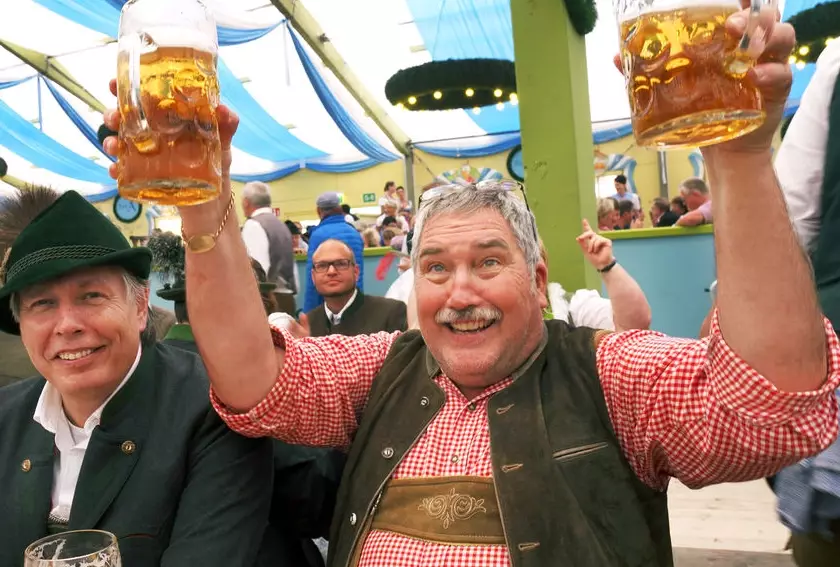
When to Go: Timing Your Visit to the Oktoberfest Location
The "where" is intrinsically linked to the "when." Oktoberfest runs for approximately 16-18 days, starting on a Saturday in mid-to-late September and ending on the first Sunday in October. If that first Sunday is October 1st or 2nd, it extends to October 3rd (German Unity Day).
The official dates are always announced well in advance. For example, the dates for the next festival are typically confirmed a year ahead on the official Oktoberfest website.
Crowds vary wildly:
- Weekdays (Daytime): The golden hours. Manageable crowds, easier to get into tents, more families. Perfect for first-timers who want to explore.
- Weekdays (Evening) & Weekends: Packed. Expect long lines for tents, restrooms, and rides. The energy is electric, but it's not for the claustrophobic.
- Opening Weekend: The absolute peak of frenzy. Parades, the tapping ceremony, and maximum excitement. Also maximum crowds.
I made the mistake of going on the second Saturday night once. The line for the Hofbräu tent snaked around the block. We ended up at a smaller food stall with a beer garden attached and had a surprisingly fantastic, low-key time. Sometimes the main event isn't the only event.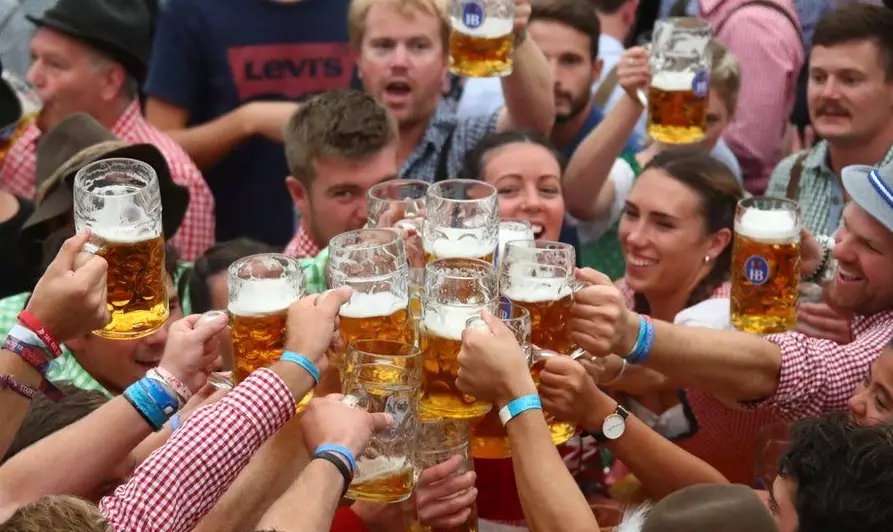
Practical Info for Your Visit: From Money to Manners
Knowing where Oktoberfest in Germany is located is one thing. Knowing how to survive and thrive there is another.
Budgeting for the Wies'n
Let's talk money, because Munich isn't cheap and the festival is a premium experience. A Maß (one-liter beer) will cost around €13-€15. A half-chicken is about €15-€18. Rides and games are €5-€10 each. A budget of €80-€100 per person per day for food, drink, and a ride or two is a realistic starting point. Cash is still king at most stalls and in the tents, though card payments are becoming more common.
What to Wear (The Dirndl & Lederhosen Question)
You'll see people in full traditional dress and people in jeans. Should you dress up? If you want to feel part of the atmosphere, I'd recommend it. But a word of caution: the cheap polyester costumes sold in tourist shops are uncomfortable and look... cheap. If you're going to do it, invest in a simple, decent-quality dirndl skirt and blouse, or rent one. For men, a checkered shirt and nice trousers are a perfectly acceptable middle ground if you don't want full lederhosen.
And here's a personal gripe: the whole "bow on the dirndl indicates marital status" thing is mostly a modern marketing gimmick blown out of proportion. Don't stress about it. No one is checking.
Safety and Etiquette
The Theresienwiese is generally very safe, with a strong police and security presence. However, the combination of crowds, alcohol, and valuables requires common sense.
- Designate a meeting point in case you get separated (the Bavaria statue is a good one).
- Know how you're getting back to your accommodation. Write down the address or have it saved offline.
- In the tents, don't just grab an empty seat at a table. Politely ask "Ist hier noch frei?" (Is this seat taken?). Table sharing is normal and a great way to meet people.
- When the band plays a drinking song like "Ein Prosit," you stand on the bench, link arms with your neighbors, and cheer. It's the law (well, not really, but it should be).
Common Questions About the Oktoberfest Location
Let's hammer out those final, nagging questions people have about where Oktoberfest in Germany is held.
2. Book flights and accommodation immediately after.
3. Research the tents and pick 2-3 you'd like to try.
4. Plan to arrive at your first-choice tent early on your first day (before 11 AM).
5. Embrace the unexpected. Your best memories might come from a random conversation at a shared table or a perfectly crispy pretzel from a small stall.
So, there you have it. The answer to "Where is Oktoberfest in Germany" is more than a dot on a map. It's Munich's Theresienwiese—a specific, historic, and brilliantly organized space that becomes the center of the Bavarian universe for a few weeks each fall. Knowing the exact location, how to navigate to it, and what to expect once you're there is the difference between being a confused tourist and a savvy visitor ready to make the most of every moment. Now you're equipped with the knowledge. All that's left is to go and experience it for yourself. Prost!