Let's cut straight to the point: Frankfurt is in Germany. Specifically, it's in the state of Hesse, smack in the center of the country. If you're looking at a map, find the rough middle of Germany, and you'll likely spot Frankfurt am Main. But if you think that answer is enough, you're missing the whole story. Knowing Frankfurt is in Germany is like knowing New York is in the USA—technically correct, but it tells you nothing about why it matters, how to get there, or what you're actually going to do once you arrive.
What You'll Find in This Guide
Frankfurt's Place in Germany: More Than Just Geography
Frankfurt's official name is Frankfurt am Main, meaning "Frankfurt on the Main River." That river is a key tributary of the Rhine. Geopolitically, it's the capital of the federal state of Hesse (Hessen in German). But its real significance comes from its dual identity.
On one hand, it's "Mainhattan," a forest of glass-and-steel skyscrapers housing the European Central Bank, Deutsche Bundesbank (Germany's central bank), and the Frankfurt Stock Exchange. This is the engine room of the German and, to a large extent, the European economy. The airport (FRA) is a colossal global hub.
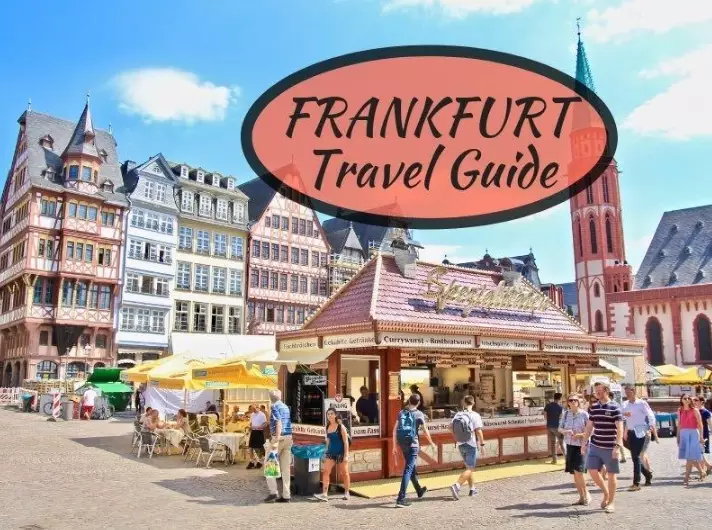
On the other hand, walk 15 minutes from those towers and you're in the Römerberg, a medieval square with timber-framed houses that look like they're from a fairy tale. This is the Frankfurt that was a major Free Imperial City, where German emperors were crowned for centuries.
How to Get to Frankfurt, Germany
Frankfurt's central location makes it incredibly well-connected. Here’s your cheat sheet.
Pro Tip: Most international travelers will land at Frankfurt Airport (FRA). A common rookie mistake is taking a taxi to the city center. Don't. The S-Bahn (commuter train) lines S8 or S9 will get you to Frankfurt Hauptbahnhof (main station) or the city center in about 15 minutes for under €5. It's faster and about 90% cheaper.
| Method | Key Details | Best For |
|---|---|---|
| By Air (FRA) | Germany's busiest airport, with direct global connections. The long-distance train station (Fernbahnhof) is inside Terminal 1. | International visitors, long-distance travel. |
| By Train | Frankfurt Hauptbahnhof is a major European rail nexus. Direct ICE high-speed trains from Cologne (~1h), Berlin (~4h), Paris (~4h), Amsterdam (~4h). | Travel from within Germany or neighboring EU countries. Scenic and efficient. |
| By Car | At the intersection of major autobahns A3 (Cologne–Würzburg) and A5 (Basel–Hannover). Traffic is heavy, and parking in the city is expensive and scarce. | Exploring the surrounding Rhine Valley or rural Hesse. Not recommended for just staying in the city. |
Top Attractions in Frankfurt You Can't Miss
Your time is limited. Here’s where to focus your energy.
The Römerberg & Old Town
This is the postcard view. The square was meticulously reconstructed after WWII. The Römer building itself is the city hall. Wander the surrounding lanes, see the Imperial Cathedral (Kaiserdom), and visit the Historical Museum if you want context. It's free to walk around, and the atmosphere, especially with the Christmas market, is magical.
Main Tower Viewing Platform
For the best view of the city's unique skyline, you need to go up. The Main Tower is the only skyscraper with a public viewing platform. It costs about €9 (check their website for current hours and prices). Go just before sunset to see the city in daylight and then watch the lights come on. It beats the generic observation decks in other cities because the contrast between old and new is so visible.
Museumsufer (Museum Embankment)
Along the south bank of the Main River, you'll find a dense row of museums. The Städel Museum is world-class for European art. The German Film Museum is interactive and fun. The Senckenberg Natural History Museum has an incredible dinosaur collection, perfect for kids. You can buy a Museumsufer Ticket for about €21, which gives two-day access to 39 museums—a steal if you're a culture vulture.
Beyond the Skyscrapers: Frankfurt's Hidden Side
This is where you get local bragging rights.
Apfelwein in Sachsenhausen: Cross the Eiserner Steg footbridge to the Sachsenhausen district. This is the home of Apfelwein (apple wine), Frankfurt's tart, sour signature drink. Skip the tourist traps on the main street and find a smaller place like Zum Gemalten Haus (Schweizer Str. 67). Order a Bembel (stoneware jug) with some Handkäs mit Musik (marinated cheese) and Grüne Soße (green herb sauce). The whole meal for two might cost €40.
Kleinmarkthalle: An indoor food market at Hasengasse 7-9. It's open Monday-Saturday. Come here for lunch. Grab a fresh Bratwurst, some exotic fruit, or just wander. It's the city's stomach.
Palmengarten: A massive, beautiful botanical garden. When you're tired of concrete, this 54-acre oasis is a lifesaver. Entry is around €7.
A Practical 2-Day Frankfurt Itinerary
Let's make this actionable. Here’s how a perfect short visit could look.
Day 1: The Classic Highlights
Morning: Start at the Römerberg and Imperial Cathedral. Get your bearings.
Afternoon: Head to the Main Tower for that iconic skyline view. Then, walk across the Eiserner Steg bridge into Sachsenhausen.
Evening: Have a traditional Apfelwein dinner at one of the taverns. Wander the cobbled streets.
Day 2: Culture & Local Life
Morning: Pick one or two museums on the Museumsufer. The Städel is my top pick.
Afternoon: Lunch at the Kleinmarkthalle. Then, escape to the Palmengarten for a relaxing stroll.
Evening: Explore the upmarket shopping and dining area around Goethestrasse and Freßgass (officially Kalbächer Gasse).
Where to Eat and Stay in Frankfurt
Quick Food Picks
Traditional: Apfelwein Wagner (Schweizer Str. 71) – Lively, authentic, great food. Expect to pay €15-25 for a main.
Modern German: Emma Metzler (Schweizer Str. 15) – In the Museum für Angewandte Kunst. Stylish, seasonal, and delicious. Mains €25-35.
Best Kebap (Seriously): Mangal (Moselstr. 25). Frankfurt has a huge Turkish community, and the döner kebabs are next level. This is a local favorite for a €6 feast.
Accommodation Areas
Innenstadt/City Center: Most convenient for sightseeing. Hotels range from luxury (Jumeirah, €300+/night) to mid-range (Motel One, €100-150/night).
Sachsenhausen: More charming, across the river. Great for evenings out. Slightly better value.
Near the Hauptbahnhof: Practical for early trains, but the immediate area can feel gritty at night. Choose your hotel carefully here.
Your Frankfurt Questions, Answered
Is Frankfurt worth visiting for more than just a layover?
Absolutely, but manage your expectations. It's not a quaint medieval village like Rothenburg. The beauty is in the contrast. Give it two full days to appreciate both its modern power and its reconstructed historical heart. It makes a perfect start or end to a Rhine Valley trip.
What's the biggest mistake tourists make when visiting Frankfurt?
Spending the entire time in the banking district or just around the Hauptbahnhof. They leave thinking Frankfurt is just a cold, modern city. The soul of the city is in Sachsenhausen, the markets, and the riverside paths. You have to cross the river to find it.
Do I need to speak German in Frankfurt?
You can survive with just English, especially in hotels, airports, and tourist areas. But learning a few basic phrases (Hallo, Danke, Bitte, Ein Bier/Apfelwein bitte) will be appreciated. In smaller, local taverns in Sachsenhausen, menus might only be in German—just point at what looks good, it's part of the adventure.
How is Frankfurt different from other major German cities like Berlin or Munich?
Berlin is sprawling, historical, and gritty-cool. Munich is wealthy, traditional, and has the Alps nearby. Frankfurt is compact, financial, and international. It feels more like a European Manhattan—efficient, wealthy, but with a surprisingly cozy old town at its core. It's less of a "party" city than Berlin and less traditional than Munich.
What's a good day trip from Frankfurt?
The Rhine Valley is the obvious and best choice. Take a 1-hour train to towns like Rüdesheim or Bacharach. You can do a river cruise past castles and vineyards and be back in Frankfurt by evening. Heidelberg is also about an hour away by train and is stunningly beautiful.
So, Frankfurt is in Germany. But now you know it's in the heart of Germany, both geographically and economically. It's a city of surprising contrasts, where ancient coronation halls sit in the shadow of the ECB. Use this guide to move beyond the simple map coordinate and plan a trip that captures its unique spirit.