Your Road Trip Companion
- The Heavyweight Champions: Germany's Most Famous Scenic Routes
- Beyond the Classics: Contenders for the Crown
- So, How Do You Even Choose? A Side-by-Side Look
- Planning Your "Most Beautiful Drive" – The Nitty-Gritty
- Answering Your Burning Questions (The FAQ Section)
- Final Thoughts: It's About the Journey, Not Just the Road
That's the million-dollar question, isn't it? Ask ten different road trip enthusiasts and you might get ten different answers. Some will swear by the fairy-tale castles, others by the rugged coastlines or the mountain passes that make your heart skip a beat. I've driven most of them, and I'm here to tell you that pinning down a single "most beautiful drive in Germany" is nearly impossible—but that's the fun part. It means you have an embarrassment of riches to choose from.
My own journey to answer this started years ago with a beat-up old map and a rental car. I was looking for that perfect blend of scenery, culture, and the pure joy of the open road. What I found wasn't one road, but a collection of experiences. So, instead of giving you one definitive answer (which would be a disservice), let's explore the top contenders. We'll look at the classics, the under-the-radar gems, and everything in between. By the end, you'll have a clear picture of which route calls your name.
The Heavyweight Champions: Germany's Most Famous Scenic Routes
These are the routes you see on postcards. They're famous for a reason, but fame comes with crowds. Let's break them down honestly.
The Romantic Road (Romantische Straße)
This is usually the first name that pops up. Stretching about 400 km from Würzburg to Füssen, it's the poster child for German tourism. And look, it's stunning. Driving into Rothenburg ob der Tauber feels like teleporting into the Middle Ages. The view of Neuschwanstein Castle from the Marienbrücke is something you don't forget.
But here's my personal take: the middle sections can sometimes feel like you're just following a line of tourist coaches, especially in peak summer. The towns are incredible, but they can be packed. Is it a contender for the most beautiful drive in Germany? For sheer iconic, storybook Germany, absolutely. For a peaceful, undiscovered journey? Maybe not.
Don't miss: The side road to the Wieskirche, a UNESCO World Heritage church that looks plain on the outside and will absolutely blow your mind on the inside.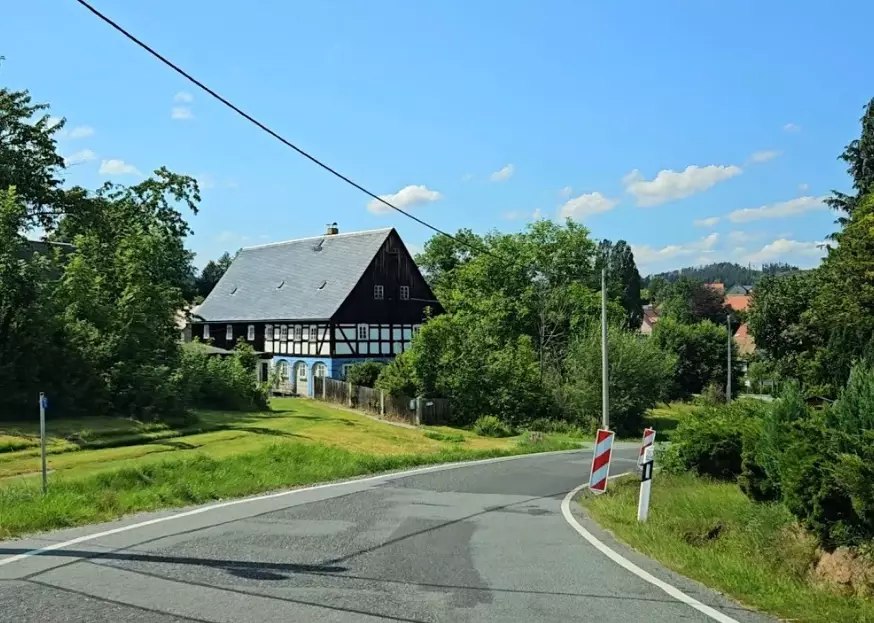
The Black Forest High Road (Schwarzwaldhochstraße)
If forests are your therapy, this is your route. Running from Baden-Baden to Freudenstadt, it's all about deep, dark woods, sweeping vistas from high ridges, and crisp, pine-scented air. On a clear day, the views across the Rhine Valley to the Vosges Mountains are spectacular.
It's less about towns and more about the drive itself—the rhythm of the curves, the play of light through the trees. It can be misty and moody, which just adds to the atmosphere. It's a different kind of beauty from the Romantic Road, more serene and wild.
The German Alpine Road (Deutsche Alpenstraße)
This one is for the mountain worshippers. Skirting the northern edge of the Alps from Lake Constance to Berchtesgaden, it offers relentless, jaw-dropping scenery. One minute you're by a crystal-clear lake, the next you're surrounded by towering peaks.
The stretch near Garmisch-Partenkirchen, with the Zugspitze (Germany's highest mountain) looming overhead, is particularly dramatic. The road is winding and requires focus, which makes the occasional pull-off spots for photos even more rewarding. The sheer scale of the landscapes here puts it high on many lists for the most beautiful drive in Germany.
A potential downside? It's a long route (about 450 km), and the weather in the mountains can be fickle. A sunny plan can turn into a rainy drive pretty quickly.
Beyond the Classics: Contenders for the Crown
If you want to escape the main tourist flow, these routes offer staggering beauty with a bit more breathing room.
The Moselle Valley (Moseltal)
Forget the Rhine for a moment (though it's great too). The Moselle is its quieter, more intimate cousin. The river twists and turns dramatically, with vineyards so steep you wonder how anyone harvests them. The roads cling to the valley sides, offering constantly changing perspectives of river, vines, and storybook villages like Cochem and Bernkastel-Kues.
The beauty here is softer, more pastoral and romantic in a wine-induced way. It's a slower, more meandering drive. Perfect for autumn when the vines turn gold and red. Is it the most beautiful drive in Germany? For wine lovers and those seeking gentle charm, it might just be.
The Baltic Coast Road (Deutsche Alleenstraße - Northern Section)
Most people think of mountains and forests, but Germany's coastline is a hidden gem. The tree-lined avenues (it's part of the "German Avenue Road") lead to chalk-white cliffs on Rügen island (like the Königsstuhl), vast sandy beaches, and seaside resorts with historic promenades like Heiligendamm.
The light is different here—bright and expansive. The beauty is more raw and windswept. Driving across the Rügen Causeway with water on both sides is a unique experience. It's a completely different answer to the question of "What is the most beautiful drive in Germany?" and one that deserves more attention.
The Castle Road (Burgenstraße)
From Mannheim to Prague (though the German part is the focus), this is for the fortress fanatics. It's a timeline in stone. You'll see everything from medieval ruins like Hornberg Castle to the grandeur of Heidelberg Castle. The route often winds through the forests and hills of Franconia and the Palatinate, so the driving scenery is lovely too.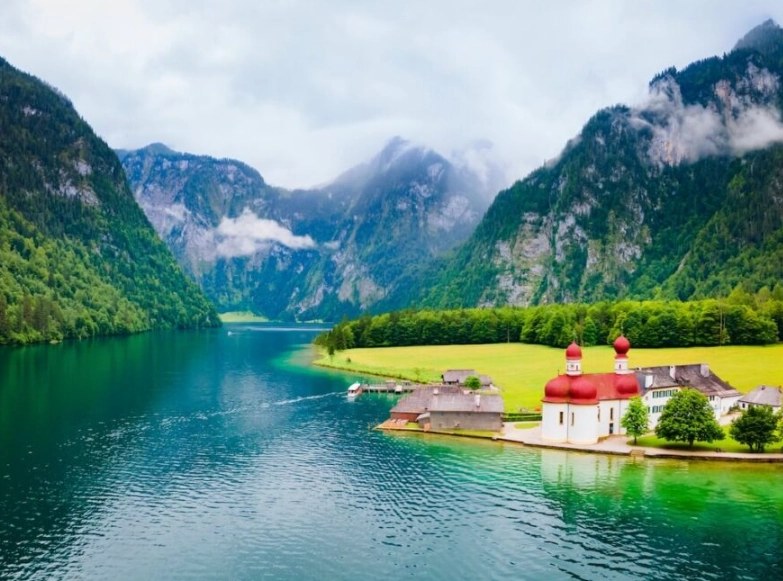
It's less of a single, continuous scenic vista and more a journey between incredible historical set-pieces. The beauty is in the drama of the structures and their settings. Pulling up to Burg Eltz, seemingly untouched by time, is a genuine thrill.
So, How Do You Even Choose? A Side-by-Side Look
Let's make this practical. Here’s a table to help you compare the frontrunners based on what you're after.
| Route | Core Vibe | Best For | Potential Drawback | Ideal Season |
|---|---|---|---|---|
| Romantic Road | Fairy-tale towns, rolling hills, iconic castles | First-timers, photographers, history lovers | Can be very crowded in peak season | Spring (May-Jun) or Autumn (Sep-Oct) |
| Black Forest High Road | Dense forests, high-altitude vistas, serenity | Nature lovers, hikers, those seeking calm | Weather can change fast; fewer "town" stops | Summer for hiking, Autumn for colors |
| German Alpine Road | Dramatic mountain peaks, alpine lakes, thrilling drives | Adventure seekers, mountain scenery, active travelers | Long distance; some passes may close in winter | Late Spring to Early Autumn (Jun-Sep) |
| Moselle Valley | River curves, steep vineyards, quaint villages | Wine enthusiasts, relaxed touring, couples | Roads can be narrow and slow | Late Spring for blossoms, Autumn for harvest |
| Baltic Coast Road | Sea views, cliffs, beaches, bright light | Families, beach lovers, something different | Can be windy and cooler; summer resorts busy | Summer (for swimming) or sunny Spring days |
See what I mean? Picking the most beautiful drive in Germany is like picking your favorite ice cream flavor. They're all good, it just depends on your mood.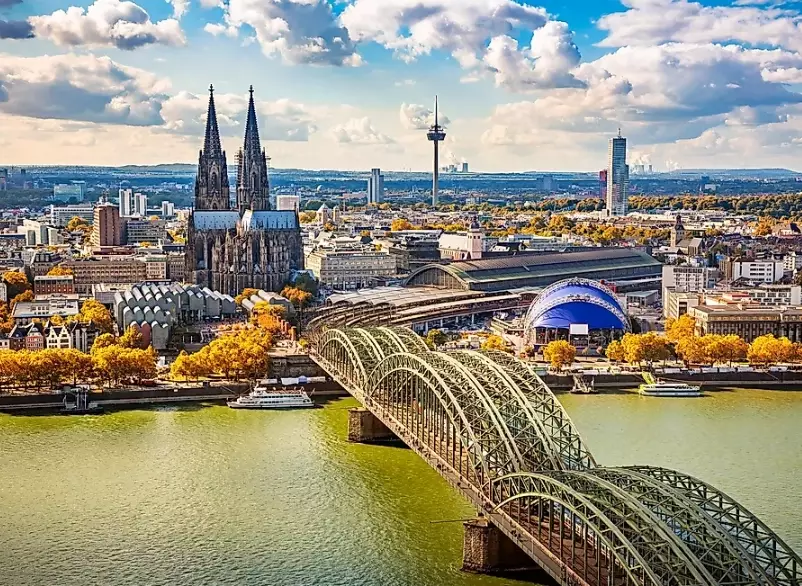
Planning Your "Most Beautiful Drive" – The Nitty-Gritty
Okay, let's say you've got a route in mind. Making it amazing comes down to a few key things most blogs gloss over.
The Golden Rule: Get Off the Designated Route
The official scenic road signs are great, but the real magic often lies a few kilometers away. See a small village on the map that's not a highlighted stop? Go there. See a forest road that looks interesting? If it's public, take it. My best memories are from these unplanned detours—a tiny farmstead selling fresh honey, a viewpoint with no one else around. The designated route is your backbone, not your cage.
Timing is Everything: July and August are peak. Period. If you can, go in the shoulder seasons—late May/June or September/early October. The light is beautiful, the crowds are thinner, and in autumn, you get a color show. Driving the Romantic Road in October, with fall foliage framing the castles, is an entirely different, and in my opinion superior, experience to doing it in August.
Don't Overdrive: Google Maps will give you a time for the direct route. Double it. At least. You need time to stop, to stare, to get a coffee in that pretty square, to take the wrong turn and discover something. Trying to cram 300 km of scenic driving into one day is a recipe for stress, not enjoyment.
Answering Your Burning Questions (The FAQ Section)
Let's tackle the specific questions people have when they search for this.

Final Thoughts: It's About the Journey, Not Just the Road
After all these miles, I've learned that the search for the most beautiful drive in Germany is a bit of a trick question. The beauty isn't just in the tarmac or the posted signs. It's in the smell of rain on a forest road, the taste of a warm pretzel from a village bakery you stumbled upon, the ache in your jaw from smiling too much at the view.
So, my advice? Stop worrying about finding the single "best" one. Pick a route that speaks to you—whether it's castles, mountains, vineyards, or sea. Plan loosely. Get lost occasionally. And understand that the most beautiful drive in Germany will ultimately be the one you're on, when you're fully present for it.