Quick Navigation
- Who Needs a Visa and What Types Are There?
- The Core Germany Visa Requirements for Indian Applicants
- The Step-by-Step Application Process in India
- The Dreaded (But Often Overhyped) Visa Interview
- Costs, Processing Time, and What to Do If You're Rejected
- Your Germany Visa Questions, Answered
- Final Thoughts and Making Your Application Shine
Let's talk about something that gives even the most seasoned travelers a bit of a headache: visa applications. And when it's for a country like Germany, known for its precision and thoroughness, the process can feel daunting. I remember helping a friend with his application last year – the sheer number of documents, the specific rules, the waiting. It was a process, to say the least. But here's the thing: it's entirely manageable if you know what you're doing. This guide is here to strip away the confusion and give you a clear, step-by-step walkthrough of the Germany visa requirements for Indian citizens. We're not just talking about a basic list; we're diving into the nuances, the common pitfalls, and the insider tips that can make the difference between a smooth approval and a frustrating rejection.
Who Needs a Visa and What Types Are There?
Okay, first things first. If you hold an ordinary Indian passport, you need a visa to enter Germany for tourism, business, or study. There's no visa-on-arrival or e-visa for these purposes. You have to go through the application process. The type of visa you apply for depends entirely on your reason for travel.
The most common one, and the one we'll focus heavily on, is the Short-Stay Schengen Visa (Type C). This covers tourism, visiting family/friends, business meetings, and short-term courses (under 90 days). Then you have the Long-Term National Visa (Type D), which is for purposes like taking up employment, studying a full degree program, or joining a spouse for longer than 90 days. The requirements for a long-term visa are more extensive and involve different authorities in Germany, so that's a separate deep dive.
Today, we're tackling the short-stay Schengen visa, as it's the most searched-for and requested by Indian travelers looking to explore Europe, with Germany as their entry point or primary destination.
The Core Germany Visa Requirements for Indian Applicants
This is the heart of the matter. The German authorities need to be convinced of three main things: your purpose is genuine, you have the means to support yourself, and you intend to return to India after your visit. Every document you submit circles back to proving these points.
The Non-Negotiable Document Checklist
Gathering these papers is the real grind. Miss one, or get one wrong, and it can delay everything. Here’s the absolute must-have list. I recommend using a physical folder or a clearly labeled digital folder to keep everything organized.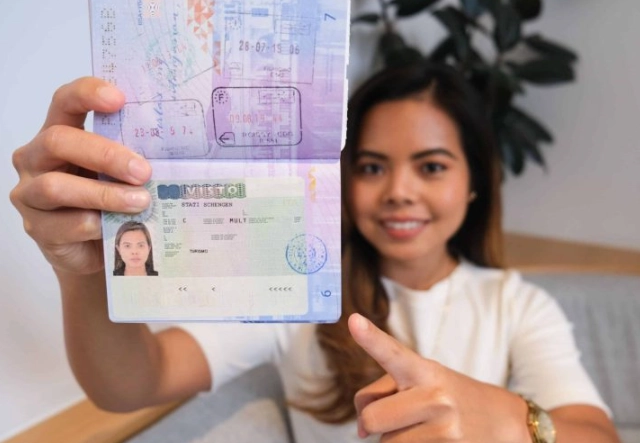
- Visa Application Form: Filled online via the VIDEX portal. Print it, sign it twice (at the end). Don't leave any blanks; put "N/A" or "-" if something doesn't apply. Triple-check for typos in your name and passport number.
- Passport: This is critical. It must be valid for at least three months beyond your intended departure from the Schengen Area. It needs at least two blank pages. They also often ask for copies of all previous visas. Include your old passport if it has relevant travel history.
- Photographs: Two recent, biometric, white-background photos (35x45 mm). Don't reuse an old one. The specifications are strict – a professional studio that knows Schengen visa rules is your best bet.
- Travel Medical Insurance: Minimum coverage of €30,000, valid for all Schengen states, covering repatriation and emergency medical care. The policy certificate must clearly state your name, coverage amount, and validity dates covering your entire trip. Many Indian insurers offer Schengen-specific policies. Get one that clearly mentions "Schengen Area."
- Proof of Accommodation: Hotel bookings for the entire stay, or a formal invitation letter (Verpflichtungserklärung) from a host in Germany. If it's a friend, that invitation letter needs to be officially certified at a town hall (Bürgeramt) in Germany – a process your host has to initiate.
- Proof of Financial Means: This is where many applications face scrutiny. You need to show you can cover your daily expenses. The German authorities often look for proof of €50-60 per day per person. This can be shown through:
- Last 3-6 months of bank statements (savings account, preferably with a healthy average balance and steady transactions).
- Salary slips for the last 3 months.
- Income Tax Returns (ITR) for the last 2-3 years. This is a powerful document as it's an official government record of your income.
- If sponsored, the sponsor's financial documents plus a formal sponsorship letter and their passport copy.
- Proof of Employment/Occupation:
- For Salaried Employees: Leave letter/NOC from employer on company letterhead, stating your position, salary, and approved leave dates.
- For Business Owners: Company registration documents, business bank statements, and a letter explaining your role.
- For Students: Bonafide certificate from school/college and an NOC from parents if they are financing the trip.
- Round-trip Flight Itinerary: A reserved booking, not necessarily a paid ticket. Many travel agents provide "dummy" tickets for visa purposes. Do not buy non-refundable tickets until your visa is granted.
- Cover Letter: This is your chance to speak directly to the visa officer. Don't just copy a template. Write a concise, clear letter stating who you are, your purpose of visit, your travel dates, a brief itinerary, how you will finance the trip, and your strong ties to India (job, family, property) ensuring your return. Personalize it.
Specifics Based on Visa Purpose
The core documents above are universal. But you need to add extras based on your trip's purpose to strengthen your case.
| Visa Purpose | Additional Key Documents Needed | Why It Matters |
|---|---|---|
| Tourism | Day-by-day itinerary, confirmed hotel bookings, sightseeing tour confirmations if any. | Shows you have a planned, genuine holiday. A vague itinerary can raise doubts. |
| Visiting Family/Friends | Official invitation (Verpflichtungserklärung), host's passport & residence permit copy, proof of relationship (photos, messages). | The invitation is legally binding for your host. It's a major responsibility for them. |
| Business | Invitation from German company, correspondence history, company's commercial registration extract, cover letter from your Indian employer. | Establishes the professional nature and necessity of the visit. |
| Conference/Training | Event registration confirmation, details of the event, payment receipts, letter from organizers. | Proves the event is real and you are a legitimate participant. |
Frankly, the paperwork is the real challenge here. It feels bureaucratic, but each piece serves a purpose in building your story for the consular officer.
The Step-by-Step Application Process in India
Knowing the documents is half the battle. The other half is navigating the process itself. Germany has outsourced the initial application and biometric collection to a service provider called VFS Global in most Indian cities. The final decision always rests with the German missions (Embassy in New Delhi or Consulates in Bangalore, Chennai, Kolkata, Mumbai).
- Determine Your Jurisdiction: Apply based on where you live. The German missions in India have specific states/UTs under them. Apply at the wrong VFS center, and they'll turn you away. Check the official website of the German missions in India for the jurisdiction map.
- Prepare the VIDEX Form: Go to the VIDEX website. Fill the form carefully. You'll get a PDF. Print it twice.
- Book an Appointment: This is often the bottleneck. Go to the VFS Global Germany visa page for India. Create an account and look for available slots. Appointments open in batches. Be persistent. Check early in the morning. Some people find it frustratingly competitive.
- Visit the VFS Center: On your appointment day, go with all your documents in original and one set of copies, the printed application form, appointment confirmation, and fees. Pay the visa fee (€80 for adults, as of now, payable in INR) and VFS service charge. They will check your documents, collect biometrics (fingerprints and photo), and give you a tracking receipt.
- Wait for Processing: Your application goes to the German mission. Standard processing is 10-15 calendar days, but it can take longer during peak seasons (summer, Diwali holidays) or if your case requires further scrutiny. Don't book non-refundable flights during this period.
- Collect Your Passport: You'll get an SMS/email. You can collect it in person or via courier if you opted for it.
The Dreaded (But Often Overhyped) Visa Interview
Many applicants get nervous about this. At the VFS center, it's mostly document submission. However, the German mission may call you for a personal interview. This isn't super common for straightforward tourist visas, but it happens.
If you are called, it's usually at the Embassy/Consulate. The officer will ask questions to verify the information in your application. Be prepared for things like:
- "Why do you want to visit Germany?" (Have a specific answer beyond "for tourism." Mention cities, attractions.)
- "What is your daily itinerary?" (Know your plan.)
- "Where will you stay?" (Give hotel names/your host's address.)
- "How are you funding this trip?" (Refer to your bank statements and job.)
- "What do you do for a living?"
- "When do you plan to return to India?" (Mention your job restart date, family commitments.)
The key is to be confident, concise, and consistent with your documents. Don't volunteer extra information. Just answer clearly. If you don't understand a question, it's okay to ask for clarification.
Let's be honest, this part can feel intimidating. But if your documents are solid and your purpose is genuine, you have nothing to fear. It's just a conversation.
Costs, Processing Time, and What to Do If You're Rejected
Let's talk numbers and timelines, because everyone wants to know this.
Visa Fee: The standard fee for a Schengen visa is €80 for adults. Children aged 6-12 pay €40. It's waived for children under 6. Payable in Indian Rupees at the current exchange rate at VFS.
VFS Service Charge: An additional fee (around INR 1800-2000) for their administrative services.
Processing Time: The official line is 15 calendar days. Realistically, plan for 2-4 weeks. During busy times (May-August), it can stretch to 5-6 weeks. Apply at least 6-8 weeks before your intended travel date, but not earlier than 6 months.
Now, the unpleasant scenario: rejection. It happens. The decision letter will state the reason, citing the Schengen Visa Code. Common reasons include: "Insufficient justification for the purpose and conditions of the intended stay," "Lack of proof of sufficient financial means," or "Doubts about your intention to leave the Schengen territory before the visa expires."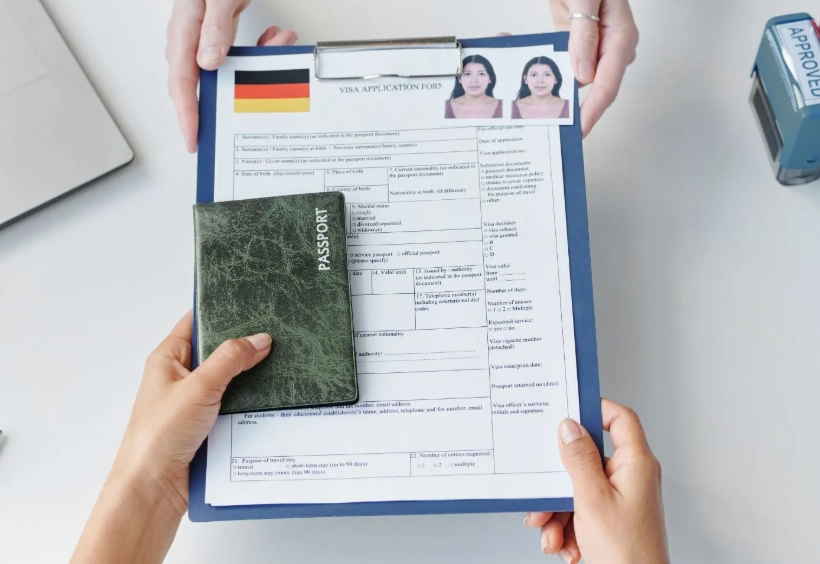
If you're rejected, you have two options: 1) Reapply: Address the specific reason for rejection with stronger documentation. If it was funds, show more stable income proof (ITRs). If it was purpose, get a detailed invitation or book guided tours. 2) Appeal: You can file an appeal (Remonstration) with the mission that decided your case, usually within a month. This is a formal legal procedure where you argue against their reasoning. It has a lower success rate unless you have a very strong, new point to make.
Your Germany Visa Questions, Answered
Final Thoughts and Making Your Application Shine
Look, the system is detailed for a reason. Germany, like all Schengen countries, wants to manage immigration and security. Your job as an applicant is to make the officer's decision easy by presenting a complete, coherent, and credible case.
Here’s my final, no-nonsense advice:
- Honesty is Non-Negotiable: Never submit fake documents. It leads to immediate refusal and a potential multi-year ban.
- Organization is Key: Present your documents in the order of the checklist. Use sticky notes or separators. A messy application subconsciously creates a negative impression.
- Think Like an Officer: When you review your file, ask: "Does this clearly show who I am, why I'm going, how I'll pay for it, and why I'll come back?" If the answer is yes, you're in good shape.
- Double-Check Everything: Passport validity, photo specs, date consistency across flights, hotels, and insurance. A small error can cause unnecessary delays.
Understanding the Germany visa requirements for Indian passport holders is the first major step in planning your European adventure. It might seem like a lot, but thousands of Indians successfully navigate this process every year. Start early, be thorough, and soon enough, you'll be packing your bags for Berlin, Munich, or the Romantic Road.
Safe travels!