So, you're heading to Hamburg and wondering how to navigate this vibrant city. Let's cut to the chase: the best way to get around Hamburg depends on your needs, but for most people, the public transport system is the backbone. It's efficient, extensive, and eco-friendly. I've spent weeks exploring Hamburg, and I'll share everything from U-Bahn hacks to ferry rides that tourists often miss.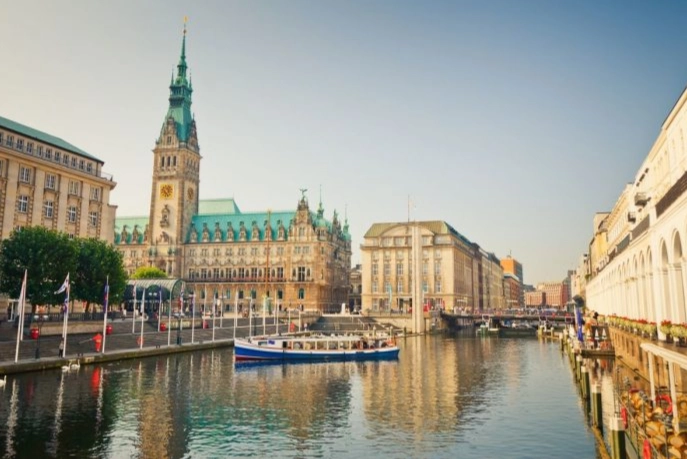
Quick Navigation
Hamburg's Transport Ecosystem: An Overview
Hamburg's transport is managed by the HVV (Hamburger Verkehrsverbund), which integrates trains, buses, and ferries into one network. That's right—ferries are part of public transport here, not just tourist gimmicks. The city is divided into zones (A, B, C, etc.), but for most tourists, zones A and B cover the central areas like Alster, Speicherstadt, and the port.
When I first arrived, I was overwhelmed by the options. But after a few days, I realized it's simpler than it looks. The key is understanding that Hamburg is designed for multimodal travel. You might take a U-Bahn to the city center, then hop on a ferry to see the Elbe River, and finish with a bike ride through Planten un Blomen park.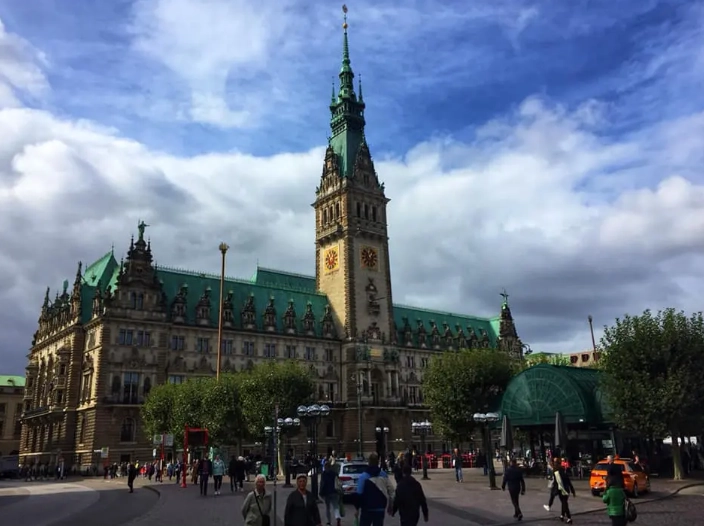
Insider note: Many guides tout the Hamburg Card as a must-buy, but it's only worth it if you visit multiple paid attractions. If you're mostly walking and using transport sparingly, a simple day pass might suffice. I've seen tourists overspend by not checking their itinerary first.
How to Use Public Transport in Hamburg Like a Pro
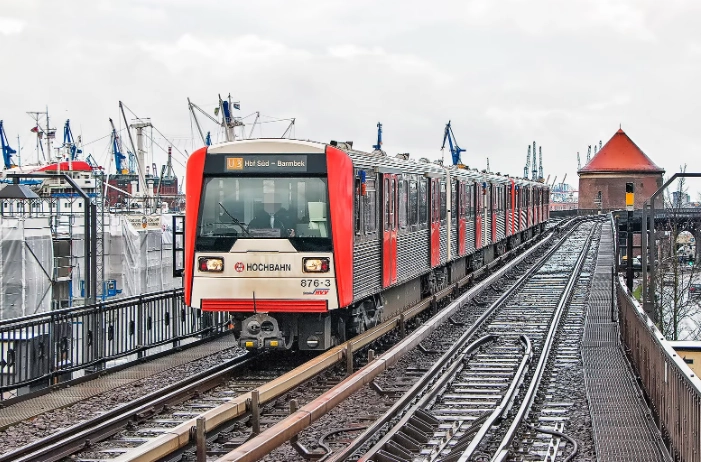
Public transport is where Hamburg shines. The system includes U-Bahn (subway), S-Bahn (urban rail), buses, and ferries. Here's a breakdown.
U-Bahn and S-Bahn: The Fast Tracks
The U-Bahn (underground) and S-Bahn (surface rail) are the quickest ways to cover long distances. Lines like U3 and S1 connect major hubs—Hauptbahnhof (central station), Jungfernstieg, and Landungsbrücken. Trains run from around 4 AM to 1 AM, with frequencies of 5-10 minutes during peak times.
I remember one evening, I needed to get from Sternschanze to the port. The U3 took me there in 15 minutes, while a taxi would've been stuck in traffic. Tickets are zone-based; a single ticket for zones A-B costs €3.40, but avoid buying singles for multiple trips. Instead, get a day ticket (€7.20 for A-B) or group day ticket (€13.60 for up to 5 people).
Buses: Covering Every Corner
Buses fill the gaps where trains don't reach. They're reliable, with routes covering residential areas and outskirts. Night buses (Nachtbus) operate after midnight, so you're not stranded. Use the HVV app to track bus times—it's more accurate than printed schedules.
One bus line I love is the 111, which goes from Altona to Blankenese, offering scenic views along the Elbe. It's a cheap way to sightsee without a tour.
Ferries: A Scenic Alternative
This is Hamburg's secret weapon. Ferries like lines 62 and 72 are included in HVV tickets, meaning you can cruise the harbor for the price of a bus ride. Line 62 runs between Landungsbrücken and Finkenwerder, passing container ships and old warehouses. It's not just for tourists; locals use it for commuting.
I took the ferry on a sunny afternoon, and it beat any paid boat tour. Just flash your HVV ticket and hop on. They run every 30-60 minutes, so check timetables.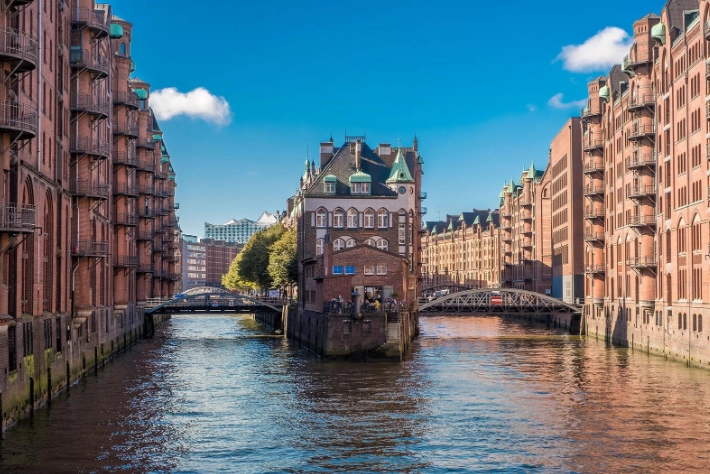
Tickets and Fares: Saving Money with HVV
HVV tickets work across all modes. Here's a quick table to compare options for zones A-B (typical tourist area):
| Ticket Type | Price (approx.) | Best For |
|---|---|---|
| Single Ticket | €3.40 | One-off trips |
| Day Ticket | €7.20 | Multiple trips in one day |
| Group Day Ticket (up to 5) | €13.60 | Families or small groups |
| Hamburg Card (day) | €10.90+ | Tourists with attraction visits |
| Weekly Pass | €28.80 | Longer stays |
Buy tickets from vending machines at stations, via the HVV app, or at service points. Always validate before boarding—inspections are common, and fines are steep (€60). A rookie mistake I made: not realizing that ferries require validation too; almost got fined!
Alternative Ways to Get Around Hamburg
Public transport isn't the only game in town. Depending on your style, other options might suit you better.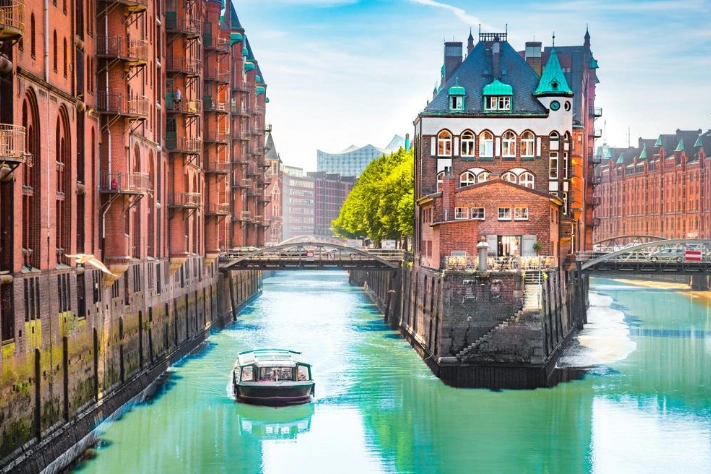
Cycling: Hamburg's Bike-Friendly Streets
Hamburg is bike-friendly, with dedicated lanes and bike-sharing systems like StadtRAD. You'll see locals cycling everywhere. Rentals cost around €1 per 30 minutes, or get a day pass for €10. The city is relatively flat, so it's not strenuous.
I cycled from the Elbphilharmonie to Stadtpark, and it was liberating—no waiting for trains, just fresh air. But watch out for tram tracks; they can catch your wheel if you're not careful.
Walking: Exploring the City Center
For short distances, walking is unbeatable. The city center (like Altstadt and HafenCity) is compact and pedestrian-friendly. You'll discover hidden courtyards and cafes that you'd miss on transport.
My advice: wear comfortable shoes. Hamburg's cobblestone streets look charming but are tough on feet. A walk from the Rathaus to Speicherstadt takes about 20 minutes, and you can soak in the architecture.
Taxis and Ride-Sharing: When to Use Them
Taxis are plentiful but expensive. A short ride can cost €10-€15. Use them for late-night trips when public transport is sparse, or if you have heavy luggage. Ride-sharing apps like Uber operate here, but prices are similar to taxis.
I once took a taxi from the airport during a rainstorm—it was convenient, but the €25 fare stung. Public transport from Hamburg Airport (HVV zone A) to the city costs only €3.40.
Car Rental: Is It Worth It?
Renting a car in Hamburg is generally a bad idea for city exploration. Traffic jams are common, especially on bridges like Köhlbrandbrücke during rush hour. Parking is a nightmare: rates hit €4 per hour in central zones, and spots are scarce.
Only consider a car if you're venturing out to places like Lüneburg Heath or the North Sea coast. Even then, trains like the Metronom are efficient and stress-free.
Practical Tips for Efficient Travel in Hamburg
Based on my experience, here are some nuggets that most guides don't mention.
First, download the HVV app. It's not just for tickets; it has real-time departure boards and route planners. I relied on it daily—it even shows disruptions.
Second, avoid peak hours (7-9 AM and 4-6 PM) if you can. Trains get crowded, and buses slow down. I made the mistake of taking the U3 at 8 AM once; it was packed with commuters, and I barely squeezed in.
Third, for scenic routes, combine transport. Take the U3 to Landungsbrücken, then ferry 62 to Finkenwerder, and bike back along the Elbe path. It's a full day of exploration without repetition.
Fourth, if you're on a tight budget, walk or cycle for short hops. Public transport adds up, but Hamburg's layout encourages active travel.
Lastly, don't overlook the value of weekly passes if staying longer. The Deutschland-Ticket (€49/month) covers all regional transport in Germany, including Hamburg's HVV network. It's a steal if you're traveling beyond the city.