Quick Guide
Let's be honest, when you think of beer, Germany probably pops into your head pretty quickly. Right? There's a good reason for that. For centuries, they've been perfecting the art of brewing, and the result is a lineup of beers that are just... reliable. You know what you're getting. It's not just about Oktoberfest (though that's a blast), it's about a deep-rooted culture that takes its beer seriously, thanks to a little thing called the Reinheitsgebot, or the German Purity Law. This old rule, which basically said beer could only be water, barley, and hops (yeast was added later when they figured out what it was), set a standard that's still felt today. It forced brewers to be creative within limits, focusing on quality ingredients and technique. That's why even the most basic German pilsner often tastes cleaner and more balanced than imitations from elsewhere.
So, you're curious about diving into the world of German beer. Maybe you're planning a trip, or just want to impress at your next bottle shop visit. But where do you start? The shelves can be overwhelming. That's where this list comes in. I'm not just throwing names at you. I've spent more time than I'd like to admit sipping my way through German brews, from cozy Munich beer halls to random corner shops in Berlin. Some were revelations, others... well, let's just say not every classic will be your personal favorite, and that's okay. This guide is about the top 10 German beer brands that have earned their stripes through history, quality, and sheer popularity. We'll talk about what makes them special, what they taste like, and even where they might fit into your own taste preferences.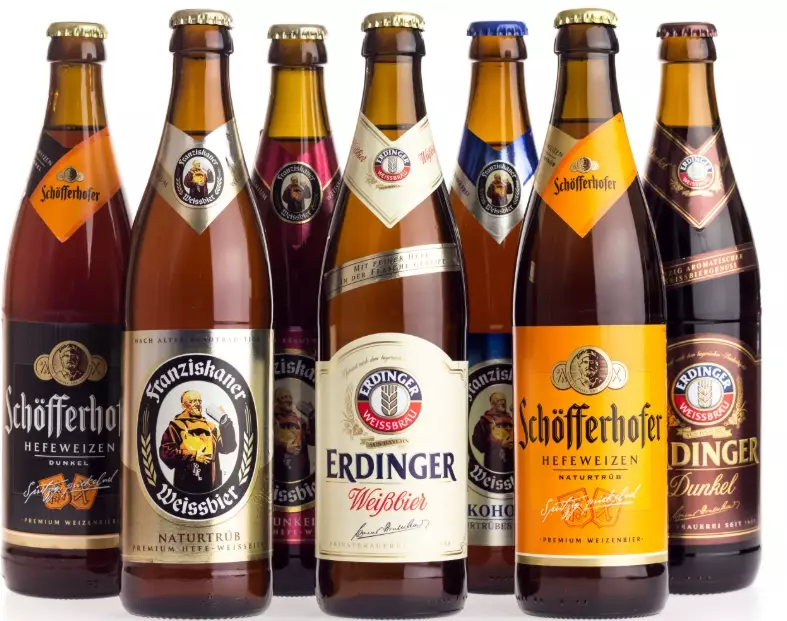
- Pilsner (or Pils): The crisp, golden, hoppy lager that's probably the most exported style. It's all about a clear, refreshing bite.
- Helles: "Helles" means "bright" or "pale." It's a Munich-style lager that's maltier, smoother, and less bitter than a Pilsner. Think of it as a easy-going, balanced golden beer.
- Weizen/Weißbier: Wheat beer! Unfiltered, cloudy, and packed with flavors of banana, clove, and bubblegum from a special yeast. Incredibly refreshing in summer.
- Dunkel: A dark lager, but don't think stout. It's smooth, malty, with notes of chocolate, bread crust, and caramel, but still very drinkable.
- Export: A stronger, fuller-bodied lager originally brewed for, you guessed it, export. Dortmund is famous for this style.
- Altbier: From Düsseldorf, this is a top-fermented ale (unusual for Germany) that's dark copper in color, with a clean, crisp, and slightly bitter taste.
What Makes a Brand a "Top" German Beer Brand?
This isn't just my personal top 10 list based on my fridge. When we talk about the top 10 German beer brands, we're looking at a mix of factors. Historical significance is huge—some of these breweries have been around for 500+ years, surviving wars and changing tastes. Market presence matters too; these are brands you'll actually see in stores and bars, both in Germany and abroad. Then there's cultural impact. Some beers are inseparable from their city's identity, like Kölsch in Cologne or Augustiner in Munich. Finally, it's about consistent quality. These breweries have maintained a standard that beer drinkers trust. You might find a tiny craft brewery making an incredible IPA in Berlin, but for a list like this, we're looking at the pillars of German brewing.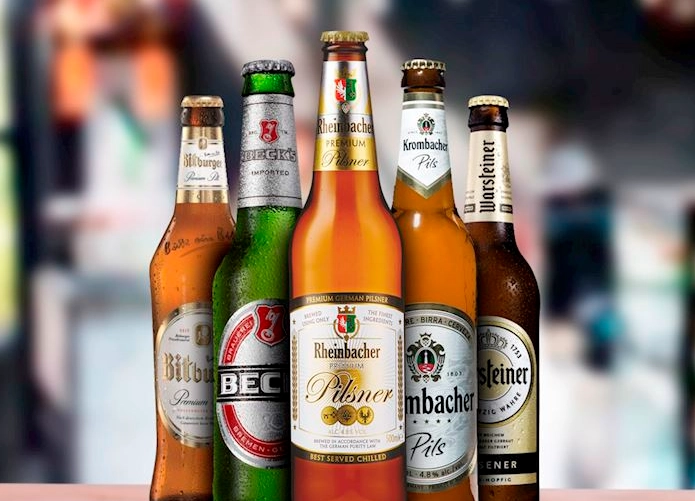
The Definitive List: Top 10 German Beer Brands
Alright, let's get to it. Here are the top 10 German beer brands that every enthusiast should know. I've put them in a rough order of iconic status and influence, but you could argue about the ranking all day. That's part of the fun.
| Brand | Base City/Region | Signature Style(s) | Tasting Notes & Why It's Iconic |
|---|---|---|---|
| 1. Bitburger | Bitburg, Rhineland-Palatinate | Pilsner | The king of German pilsners for many. It's the definition of "bitte ein Bit" ("please, a Bit"). Crisp, clean, with a pronounced but balanced hoppy bitterness and a dry finish. It's the benchmark for the style—no frills, just perfection in execution. If you want to understand a German Pils, start here. |
| 2. Beck's | Bremen | Pilsner | Probably the most internationally recognized German beer brand. It's a northern German pilsner, which tends to be a bit more bitter and drier than its southern counterparts. It's ubiquitous for a reason: it's consistent, reliable, and a solid introduction to German beer for anyone. (Though some purists argue it's tailored for an international palate now). |
| 3. Warsteiner | Warstein, North Rhine-Westphalia | Germany's best-selling premium beer. Warsteiner Pilsner is incredibly smooth and approachable, slightly less aggressively bitter than Bitburger. It's impeccably clean with a mild hoppy aroma. Their Dunkel is also a fantastic, easy-drinking introduction to dark lagers. It's the go-to beer in many German restaurants abroad. | |
| 4. Krombacher | Kreuztal, North Rhine-Westphalia | The best-selling beer in Germany by volume, which tells you something about its mass appeal. Krombacher Pils is mild, well-rounded, and slightly sweet from the malt, making it very sessionable. It's not the most complex, but it's incredibly well-made and pleasant. Their wheat beer is also a top-seller in its category. | |
| 5. Paulaner | Munich, Bavaria | A Munich giant. Paulaner is synonymous with Hefeweizen (wheat beer). Their Hefe-Weißbier Naturtrüb is a textbook example: cloudy, full-bodied, with strong notes of banana and clove. They're also one of the six breweries allowed to serve at the official Munich Oktoberfest, so their Oktoberfest Märzen is legendary. | |
| 6. Erdinger | The world's best-selling wheat beer brewery. They specialize in Weißbier and do it brilliantly. Erdinger Weissbier is slightly lighter and more bubbly than Paulaner's, with a refined balance of fruit and spice. They also make great variants like a Dunkel (dark) wheat beer and a Kristall (filtered clear) wheat beer. | ||
| 7. Augustiner-Bräu | The darling of Munich purists. It's the oldest brewery in Munich (founded 1328) and is still privately owned, which fans love. They famously still use traditional wooden barrels in some beer halls. Their Augustiner Helles is a masterpiece of malt—smooth, bready, slightly sweet, and utterly refreshing. Edelstoff is their stronger export lager and is equally revered. It tastes like Munich in a glass. | ||
| 8. Veltins | A premium pilsner that's gained a cult following. Veltins Pilsener is incredibly crisp and dry with a distinctive, almost flinty minerality and a sharp, clean hop finish. It's less about malt sweetness and all about refreshment. It's also the main sponsor of German football club Schalke 04, so you'll see it everywhere there. | ||
| 9. Radeberger | Germany's oldest Pilsner brewery (founded 1872). This is an East German classic that survived the GDR era. Radeberger Pils is a bit more herbal and grassy in its hop character compared to western Pilsners, with a clean, dry, and slightly bitter finish. It has a unique place in history and a distinct taste profile. | ||
| 10. König Ludwig | The royal entry. This brewery is owned by Prince Luitpold of Bavaria, a direct descendant of the famous King Ludwig II. Their König Ludwig Weissbier is a superb, full-bodied wheat beer with rich banana and spice notes. Their Dunkel is also excellent. It's a brand that combines history with top-tier quality, often found in finer restaurants. |
See what I mean? Even within this top 10 German beer brands list, there's incredible variety. You've got the bitter bite of a northern Pils like Jever (an honorable mention that just missed the list—it's *very* bitter, not for everyone), the malty comfort of a Bavarian Helles, and the fruity explosion of a Hefeweizen. There's no single "best" beer here, just the best beer for your mood.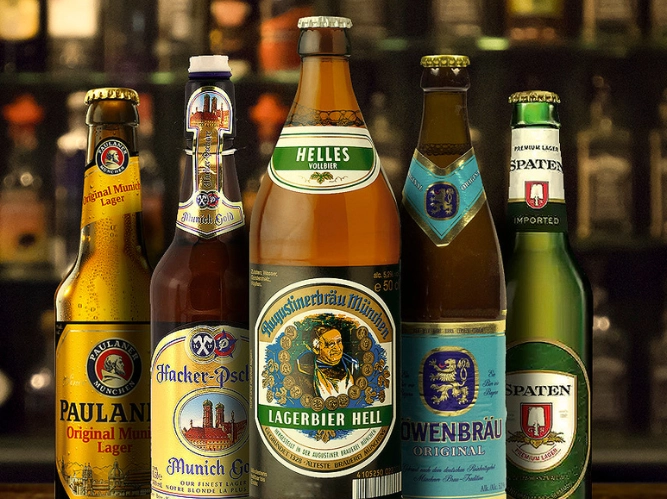
Digging Deeper: Beyond the Top 10 List
Just knowing the names of the top 10 German beer brands is like knowing the titles of classic books—you need to know how to read them. Let's break down some of the key styles represented here, because that's really how you choose what to drink.
The Pilsner Powerhouses
Bitburger, Beck's, Warsteiner, Krombacher, Veltins, Radeberger. That's six out of the ten! The German Pilsner is a world standard. But they're not all the same.
Bitburger and Veltins are on the drier, more bitter end. They're assertive and clean. Beck's has that characteristic northern German sharpness. Warsteiner and Krombacher are the friendly, approachable ones—milder, smoother, and often the "gateway" German beers. Radeberger offers that distinct herbal note. If you find one too bitter, try another. The differences are subtle but real.
The Bavarian Masters: Weizen and Helles
This is where Germany's soul really shines for me. The Hefeweizen from Paulaner, Erdinger, and König Ludwig is a unique experience. It's unfiltered, so it's cloudy. It's poured hard to create a huge, fluffy white head. And the flavor... it's like dessert and beer had a beautiful baby. Banana, clove, sometimes vanilla or bubblegum. It's not sweet, though; it's dry and refreshing. Don't add a lemon wedge—that's a crime against the carefully cultivated yeast flavors!
Then you have the Helles, like Augustiner's. This is the everyday beer of Munich. It's clear, golden, and all about malt harmony. It's less hoppy than a Pilsner, more about a soft, bready, slightly sweet flavor that goes down incredibly easy. After spending time in Bavaria, I came to prefer a good Helles over almost anything else. It's just so perfectly balanced.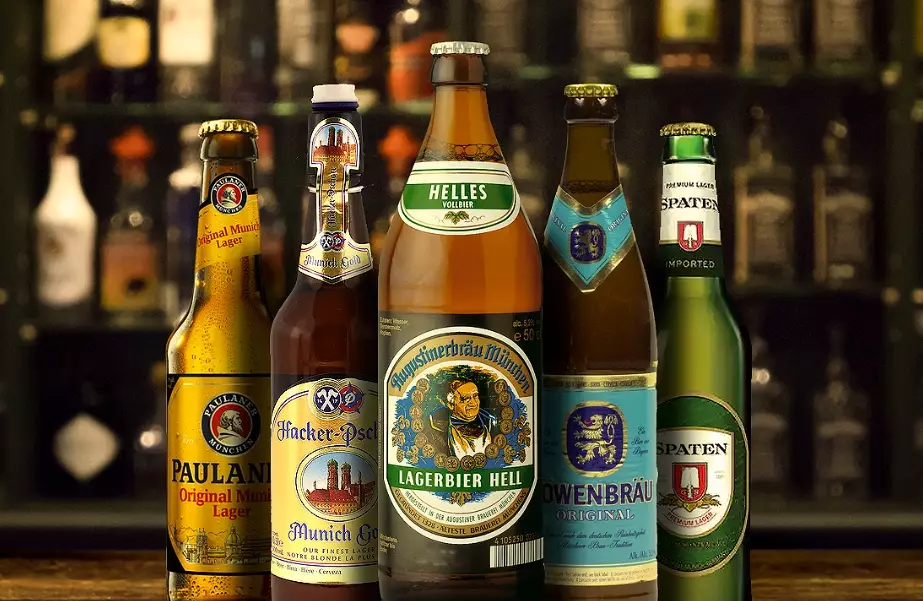
How to Choose and Enjoy Your German Beer
So you're staring at a shelf full of these top 10 German beer brands. How do you pick?
For Beginners: Start with a Warsteiner Pils or a Krombacher Pils. They're mild and representative. If you're adventurous, grab a Paulaner Hefe-Weißbier. It's a flavor adventure.
For Hop Lovers: Go straight to Bitburger or Veltins. You'll get that crisp, bitter finish you crave.
For Malt Lovers: Seek out Augustiner Helles or a König Ludwig Dunkel. You'll get richness and depth without heaviness.
For a Party: You can't go wrong with Erdinger or Paulaner Weissbier—they're crowd-pleasers with big flavor.
Glassware matters. Pilsners belong in tall, slender Pilsner glasses. Weizen belongs in a tall, curvy Weizen glass. Helles is often served in a sturdy mug (Maßkrug) or a simple half-liter glass. The right glass enhances the aroma and head retention.
Temperature is key. German lagers should be cold, but not ice-cold (around 40-45°F or 4-7°C). Weizen can be a touch warmer to let the aromas bloom. Never drink a good beer straight from the bottle—you miss all the smell!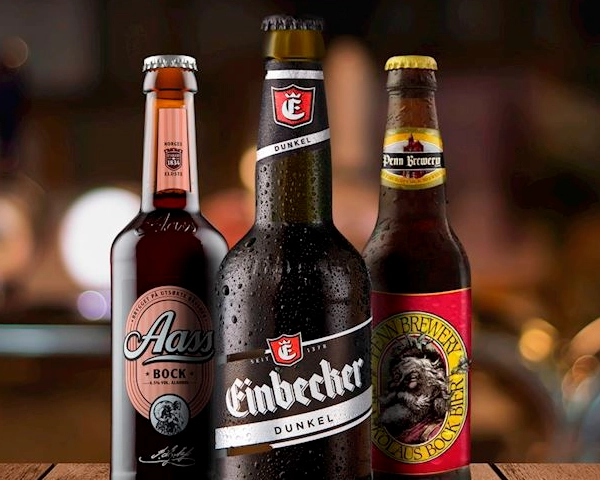
Common Questions About German Beer (FAQs)
Final Thoughts on Navigating the Top 10 German Beer Brands
Exploring the top 10 German beer brands is more than a tasting exercise; it's a tour through regions, history, and brewing philosophy. From the crisp, efficient north to the hearty, tradition-rich south, each beer tells a story.
My advice? Don't just stick to one. Use this list as a starting point. Try a Pilsner from the north (Bitburger) and a Helles from the south (Augustiner) side-by-side. Feel the difference. Then dive into the wonderful world of Weizen. You'll quickly discover that the phrase "German beer" isn't a single thing—it's a whole spectrum of flavors, each with its own proud history.
And remember, while these are the giants, Germany has a thriving scene of smaller regional and craft breweries doing amazing things. Once you're familiar with these top 10 German beer brands, you'll have the perfect foundation to explore further. You'll understand the rules before you see how the new brewers are (respectfully) bending them. Prost!