Explore This Guide
- The Absolute Must-See Famous German Castles (And What You Need to Know)
- Beyond the Top Three: More Famous German Castles Worth Your Time
- How to Plan Your Castle-Hopping Adventure (The Practical Stuff)
- A Quick-Reference Table: Comparing the Famous German Castles
- The Rhine and Moselle Valleys: Castle Galore
- Answering Your Burning Questions About Famous German Castles
- Final Thoughts: Making It Your Own
So you're thinking about visiting Germany, and the image that pops into your head is probably a castle perched on a hilltop, right? You're not alone. Those famous German castles are a huge part of the country's identity. But with over 20,000 castles, forts, and palaces scattered across the country, figuring out which ones to see can feel overwhelming. Should you just follow the crowds to Neuschwanstein? Are there any hidden gems that aren't packed with tourists? And what's the deal with buying tickets these days?
I remember my first trip, trying to cram in too many famous German castles in one week. It was a blur of stone walls and spiral staircases. I learned the hard way that quality beats quantity. This guide is here to save you from that. We'll dive deep into the most famous German castles, sure, but we'll also talk about the practical stuff nobody tells you. The crowds, the tickets, the best time to snap that perfect photo. We'll even look at a few lesser-known spots that might just steal your heart.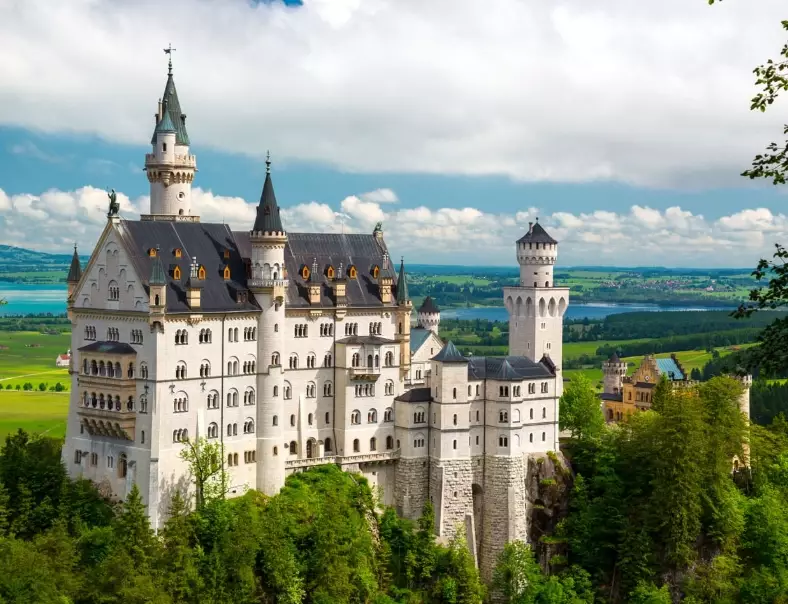
The Absolute Must-See Famous German Castles (And What You Need to Know)
Okay, let's talk about the headliners. These are the famous German castles you've seen on postcards. They're popular for a reason, but popularity comes with a price—literally and figuratively. Here's the real scoop on visiting them.
Neuschwanstein Castle: The Fairy-Tale King's Dream
You can't talk about famous German castles without starting here. Neuschwanstein is the one that inspired Disney's Sleeping Beauty castle. It's breathtaking, no doubt. Perched in the Bavarian Alps near Füssen, the views are insane. But here's the thing.
It gets insanely busy. I'm talking queues for tickets, queues for the bus up the hill, queues for the tour. The interior, commissioned by the eccentric King Ludwig II, is a wild mix of romantic medieval fantasy and 19th-century technology. It's fascinating, but the tour feels rushed. My personal take? The view of the castle from Marienbrücke (Mary's Bridge) is often more rewarding than fighting the crowds inside. The bridge gives you that iconic, postcard-perfect shot.
How do you actually visit Neuschwanstein without the stress? Book your timed entry ticket online, well in advance, through the official Hohenschwangau ticket center. I'm talking months ahead for summer. Consider visiting in the shoulder seasons (late April-May or September-October). The nearby Hohenschwangau Castle, where Ludwig grew up, is also worth a look and is often slightly less hectic.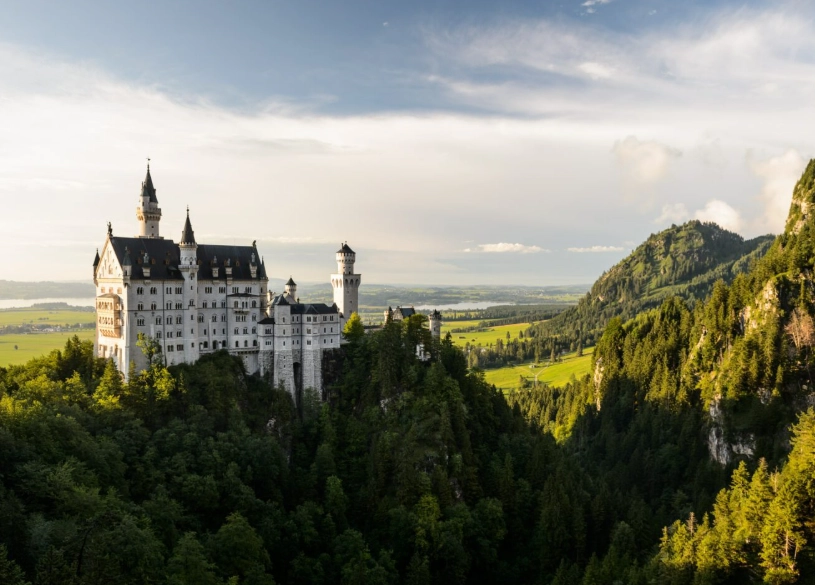
Heidelberg Castle: The Romantic Ruin
This is a different vibe altogether. Heidelberg Castle is a magnificent ruin overlooking the university town and the Neckar River. It's not one cohesive building but a collection of structures from different eras, partly destroyed by war and lightning. That ruined state is exactly what made it a symbol of the Romantic movement.
Wandering the gardens (free to enter) and looking out over the red-roofed town is magical. The view at sunset is one of the best in Germany. You can tour the castle courtyard and some restored sections, including the world's largest wine barrel. The funicular railway up is part of the experience. It feels less like a sterile museum and more like a place with a dramatic, layered history. It's less manicured than Neuschwanstein but feels more authentic to me.
Eltz Castle (Burg Eltz): The Hidden Treasure
Now, this is my personal favorite among the famous German castles. Burg Eltz is hidden in a wooded valley near the Moselle River. It looks like it was pulled straight from a storybook. The incredible part? It's been owned and lived in by the same family for over 850 years. It was never destroyed.
Getting there involves a pleasant walk through the forest from the parking lot, which already sets the mood. The interior tours are fantastic because you get a sense of a lived-in home across centuries. The armory, the knight's hall, the original kitchens—it feels tangible. It's not on the main tourist trail like the others, so it often feels more peaceful. Just check the opening dates, as it closes for winter.
Beyond the Top Three: More Famous German Castles Worth Your Time
If you have more time, or if the big names feel too crowded, Germany has an incredible depth of castles. Here’s a quick rundown of other heavy hitters, each with its own character.
- Wartburg Castle: This isn't just pretty. It's where Martin Luther translated the New Testament into German. The history here is palpable. It's a UNESCO site near Eisenach and feels more like a fortified hilltop complex than a delicate palace.
- Hohenzollern Castle: Another dramatic hilltop fortress, the ancestral seat of the Prussian kings. It's near Stuttgart. The location is spectacular, rising straight up from the landscape. The interior is neo-Gothic and very grand, but for many, the exterior and the views are the main event.
- Schwerin Castle: Looks like it's floating on a lake. It's in northern Germany and serves as the state parliament of Mecklenburg-Vorpommern. The gardens are lovely, and it has a completely different, almost French chateau-like elegance compared to the rugged southern castles.
- Nuremberg Castle (Kaiserburg): This was one of the most important imperial palaces of the Holy Roman Empire. It dominates the old town of Nuremberg. Visiting it is as much about understanding medieval imperial power as it is about the architecture.
See what I mean? Some famous German castles are about fairy tales, some are about power, and some are about witnessing history firsthand.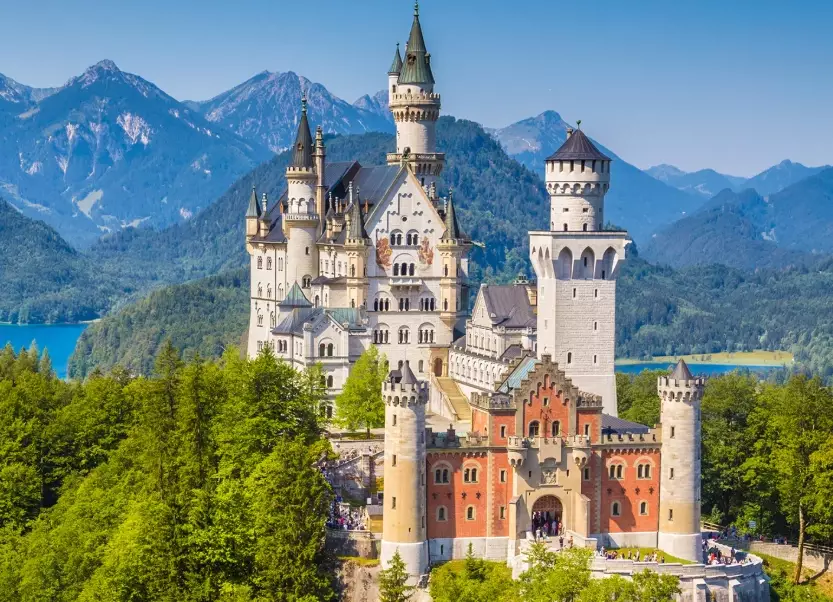
How to Plan Your Castle-Hopping Adventure (The Practical Stuff)
Loving the idea of visiting these famous German castles is one thing. Actually planning the trip is another. Let's break down the nitty-gritty so you don't get caught out.
Tickets, Tours, and Timing
This is the biggest headache for most people. The system isn't uniform across Germany.
For the major castles like Neuschwanstein, Hohenzollern, and the interior of Heidelberg, you almost always need a timed entry ticket for a guided tour to see the inside. You cannot just wander in. These slots sell out, especially from June to August. Book online as early as you can. Official sites are your friend—look for ".de" domains or links from regional tourism boards.
For castle grounds, courtyards, and some exterior areas, access is often free or requires a separate, cheaper ticket. The Heidelberg gardens, for example, are free. Always check the official website for the specific castle.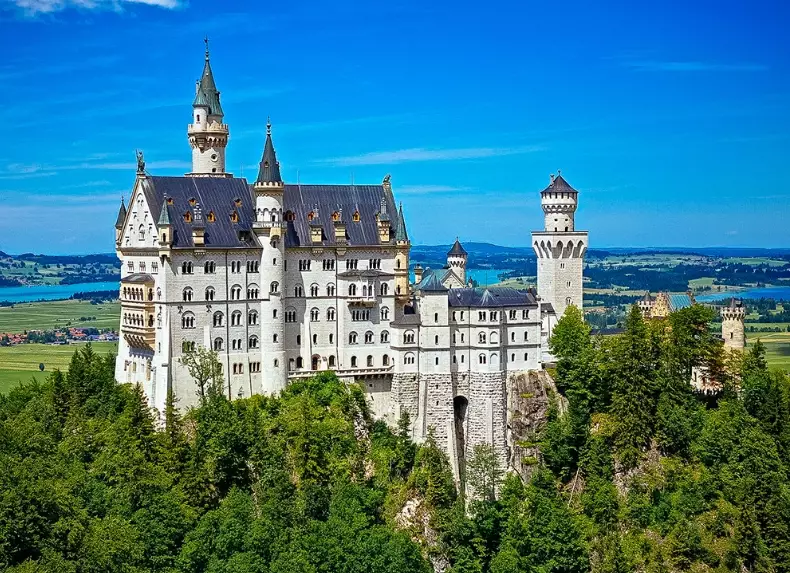
Getting There: Train, Car, or Tour?
This depends entirely on the castle. Neuschwanstein and Hohenschwangau are served by train to Füssen, then a local bus. Heidelberg Castle is a funicular ride from the town center. Easy.
But for a castle like Burg Eltz or many along the Rhine Valley, having a car gives you incredible freedom. You can stop at tiny villages and see multiple castles in a day. Train travel in Germany is excellent, but the "last mile" to a remote castle can be tricky. Research local bus connections carefully—they might be infrequent.
Organized day tours from cities like Frankfurt or Munich are an option for Neuschwanstein or the Rhine castles. They handle transport and tickets, which is convenient, but you're on their schedule. I did a Rhine Valley tour once, and while it was efficient, I wished I had more time to linger in St. Goar.
A Quick-Reference Table: Comparing the Famous German Castles
To help you visualize your options, here's a breakdown of some key features. This isn't about ranking them as "best," but about matching the castle to your travel style.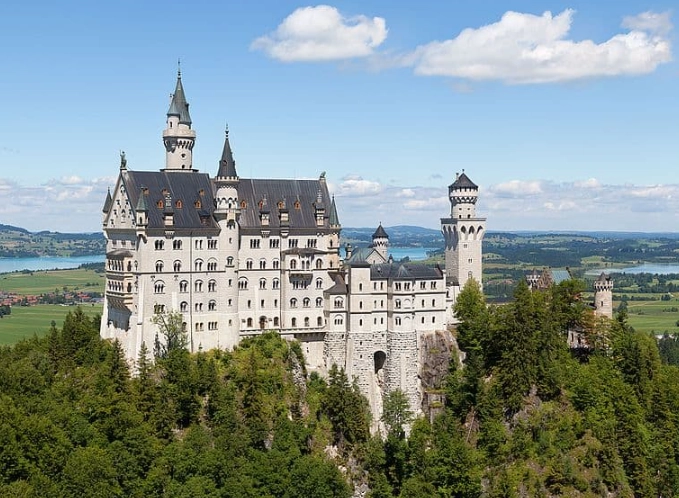
| Castle Name | Region | Key Vibe/Feature | Best For | Ticket Tip |
|---|---|---|---|---|
| Neuschwanstein | Bavaria (Füssen) | Fairy-tale icon, dramatic alpine setting | First-timers, iconic photos, Disney fans | Book online MONTHS ahead for summer. |
| Heidelberg | Baden-Württemberg | Romantic ruin, university town atmosphere | Romantic getaways, history buffs, easy access | Combination ticket for castle interior & funicular is good value. |
| Burg Eltz | Rhineland-Palatinate | Medieval time capsule, family-owned, forest setting | Atmosphere, authenticity, avoiding big crowds | Check seasonal opening dates online. Parking requires a walk. |
| Wartburg | Thuringia (Eisenach) | UNESCO site, pivotal Reformation history | Significant historical importance, hilltop fortress feel | Guided tours available in English. A pilgrimage site for history. |
| Hohenzollern | Baden-Württemberg | Prussian royal seat, spectacular hilltop silhouette | Breathtaking exterior views, royal history | Also requires advanced booking for interior tours in peak season. |
Use this table as a starting point for your planning.
The Rhine and Moselle Valleys: Castle Galore
If you really want to dive into castle country, head west. The Rhine River gorge, a UNESCO World Heritage site between Koblenz and Bingen, is dotted with over 40 castles. You can see several in a single day, either by car, train, or—best of all—a river cruise.
The views from the water are unbeatable. You'll see everything from stout fortresses like Pfalzgrafenstein Castle (a toll station in the middle of the river) to the grand Marksburg Castle, the only hill castle on the Rhine never destroyed. The Castle Administration of Rhineland-Palatinate has excellent info on many of these sites.
The Moselle Valley, a tributary of the Rhine, is quieter, more winding, and equally packed with vineyards and castles like Burg Eltz and Reichsburg Cochem, which is a 19th-century rebuild but very picturesque.
Answering Your Burning Questions About Famous German Castles
How many castles are there in Germany?
Estimates range from 20,000 to 25,000, including everything from royal palaces to small knight's manors and ruins. You'll never run out of options. The state of Bavaria alone has several thousand.
Which is the most beautiful or best castle to visit?
- For the iconic photo: Neuschwanstein, no contest.
- For a deep sense of history: Wartburg or Nuremberg Castle.
- For a magical, authentic feel: Burg Eltz.
- For a great day trip from a city: Heidelberg (from Frankfurt) or Hohenzollern (from Stuttgart).
Is it expensive to visit German castles?
It can add up. Interior tour tickets typically range from €10 to €20 per adult. If you plan to visit several, look into regional passes. For example, the "Bavarian Palace Department" offers a 14-day pass that covers many castles and palaces, including parts of Neuschwanstein and Heidelberg. Do the math for your itinerary. Parking at remote castles often costs a few euros too.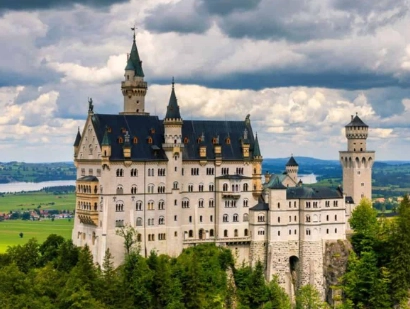
Can you stay overnight in a German castle?
Absolutely! Many have been converted into hotels or hostels (Jugendherbergen). It's a unique experience. Some are quite luxurious, others are more basic hostel-style accommodations. Imagine waking up within the walls of a historic fortress. Websites like the German Castle Association often have lists. It's not always cheap, but for a special night, it's unforgettable.
Final Thoughts: Making It Your Own
Visiting these famous German castles is about more than checking a list. It's about feeling the history, imagining the lives lived within those walls, and simply enjoying some of the most stunning architecture and landscapes Europe has to offer.
My biggest piece of advice? Don't try to see too many. Pick two or three that genuinely speak to you—maybe one superstar and one off-the-beaten-path gem. Give yourself time to get there, to maybe get lost a little, and to just sit and take it in. The memory of sitting in the quiet gardens of a lesser-known ruin, with no tour group in sight, often stays with me longer than the crowded halls of the most famous German castles.
Do your ticket research early, pack comfortable shoes, and keep your camera ready. Germany's castle landscape is waiting to amaze you. Just go at your own pace.