In This Guide
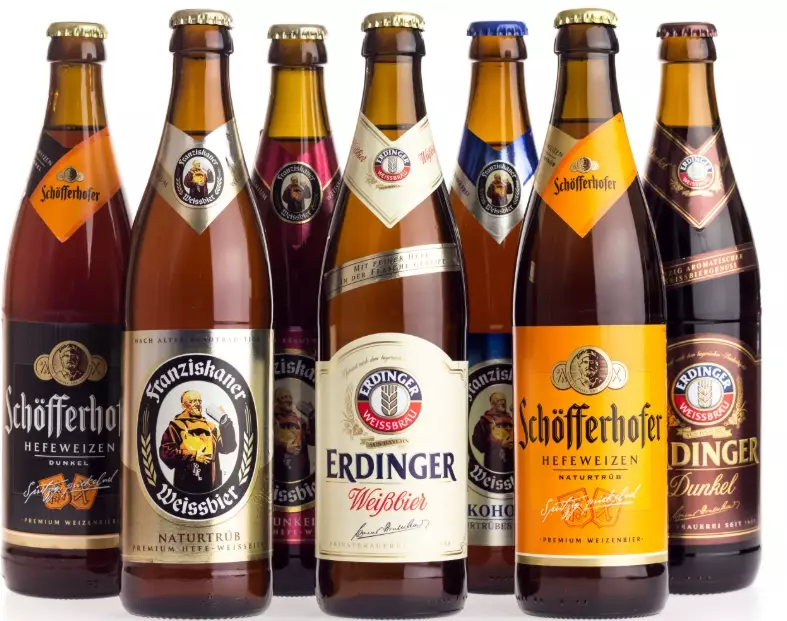
Let's be honest, when most people think of German food recipes, two things pop into their head: giant pretzels and sausages the size of your forearm. And a huge stein of beer, of course. I used to think the same way. My first attempt at "German cooking" was boiling some bratwurst and calling it a day. It was... fine. But it felt like I was missing the soul of the thing.
Then I spent some time traveling in Germany, and wow, was I wrong. The reality of authentic German cuisine is this incredible tapestry of regional diversity, deep comfort, and surprising nuance. It's food built for sharing, for long conversations at a wooden table, and for satisfying that primal craving for something hearty and well-made. It's not all heavy either—though let's not pretend it's diet food. It's food with character.
So, if you're looking to move beyond the basic beer-and-bratwurst stereotype and really cook German food at home, you're in the right place. We're going to dig into the classics everyone should try, uncover some simpler weeknight-friendly options, and tackle all the questions you might have before you start braising and roasting.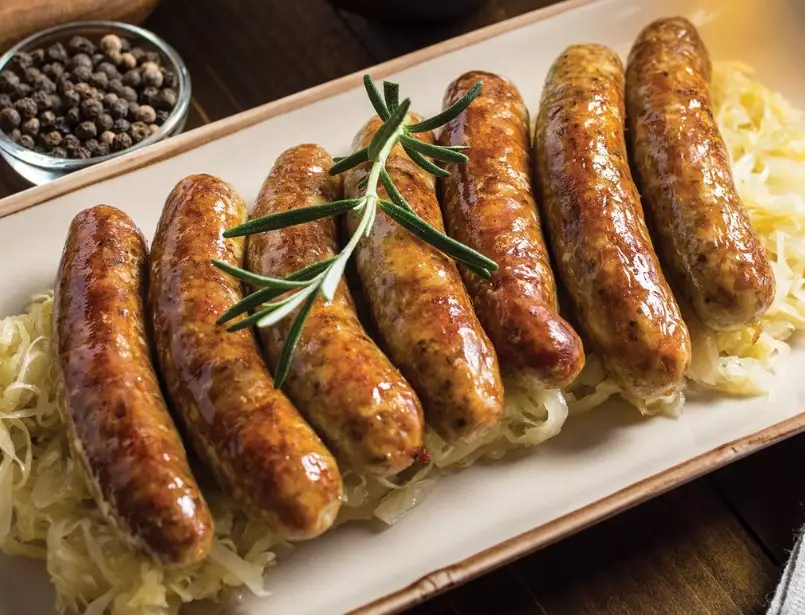
The Heart of the Hearth: Classic German Dishes You Need to Know
You can't talk about German cooking without meeting its legends. These are the dishes that define the cuisine, the ones you'll find in every region (with their own twist, of course). They require a bit more time and love, but the payoff is absolutely worth it.
Sauerbraten: The King of German Pot Roasts
This is the ultimate Sunday dinner dish. The name gives it away: "sauer" means sour, and "braten" means roast. But it's not a sharp sourness—it's a complex, mellow, deeply savory tang that comes from marinating a tough cut of beef (like rump or chuck) for days in a mixture of vinegar, wine, water, and spices like juniper berries, cloves, and bay leaves.
The first time I made it, the marinating time almost put me off. Three to four days? Seriously? But trust me, this is the non-negotiable step that transforms the meat. After marinating, you brown it and then slow-cook it in the strained marinade until it's fork-tender. The final, crucial step is thickening the gravy with Lebkuchen (gingerbread) crumbs or crushed speculoos cookies. Sounds weird, right? It's genius. It adds a subtle sweetness and spice that balances the sourness perfectly.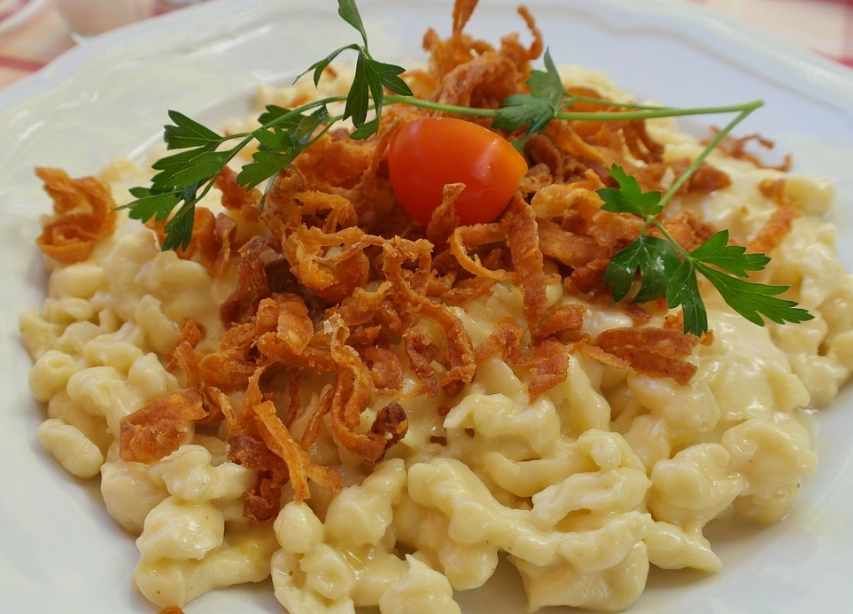
My personal tip? Don't skip the gingersnap gravy. Using plain flour or cornstarch just won't give you that authentic, deeply layered flavor profile that makes Sauerbraten so special. It's the dish that taught me patience in cooking.
Schnitzel: The Global Star with German Roots
Ah, Schnitzel. Crispy, golden, and famously thin. While Austria claims the Wiener Schnitzel (made with veal), Germany has fully embraced and adapted it, most famously as Jägerschnitzel (with a rich mushroom cream sauce) or Rahmschnitzel (with a simple cream sauce). The key to a great Schnitzel isn't just the meat—it's the technique.
You need a thin cut of pork or veal. Pound it evenly until it's about 1/4-inch thick. The breading station is sacred: flour, beaten egg, and breadcrumbs. And I mean fine breadcrumbs, often called "Paniermehl" in German. The magic happens in the frying: you need enough oil (or better yet, clarified butter or lard) to shallow-fry it, and it has to be hot enough so the Schnitzel fries quickly, creating that iconic puffed-up, crispy crust without soaking up oil.
Spätzle: The Beloved "Little Sparrows"
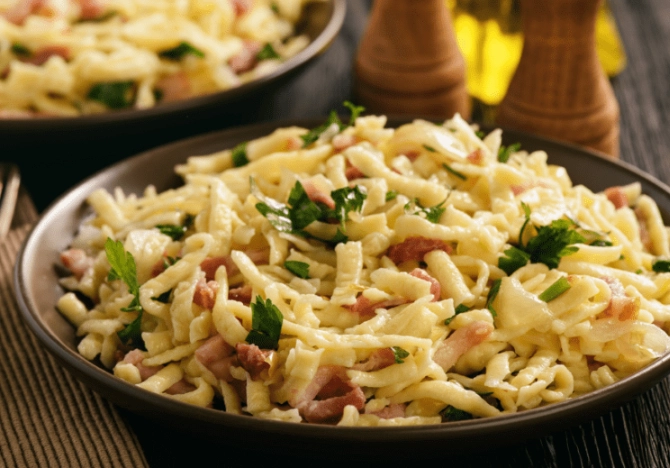
If you think German food recipes are all about meat, Spätzle will change your mind. These soft egg noodles are a staple side dish, especially in the south (Swabia claims them as their own). They're the perfect vehicle for soaking up gravies from roasts or stews, or they can be a main event when pan-fried with cheese to make Käsespätzle—Germany's incredibly delicious answer to mac and cheese.
Making Spätzle from scratch is easier than you think, and it's so much better than the packaged version. The dough is just flour, eggs, salt, and a bit of water or milk—no yeast, no resting. The traditional method involves scraping little bits of dough directly into boiling water using a special board or press. But a cheap Spätzle maker or even a colander with large holes works perfectly fine for home cooks. The fresh, slightly chewy texture is unbeatable.
I love making a big batch on a Sunday. Half gets eaten right away with a roast, and the other half gets fried up later in the week with onions and Emmentaler cheese for the ultimate comfort food dinner.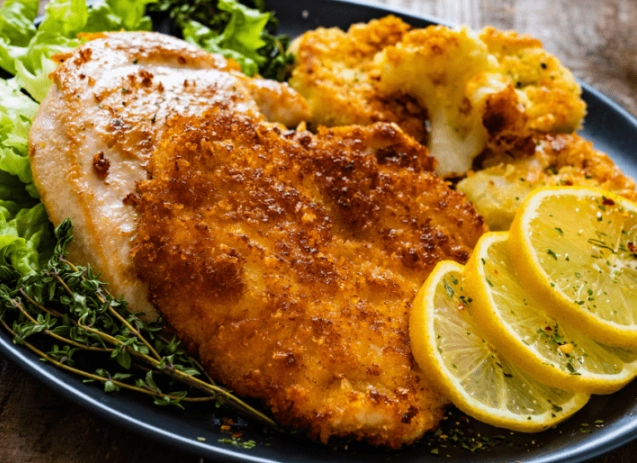
Beyond the Big Three: Sauerkraut, Bratwurst & More
Okay, we have to talk about the classics everyone knows.
Sauerkraut: It's not just sour cabbage from a jar. Real, fermented sauerkraut is a living food, packed with probiotics and a clean, tangy flavor. To cook it the German way, you slowly braise it with a bit of fat (like bacon or goose fat), a grated apple for sweetness, caraway seeds, and sometimes a splash of white wine or juniper berries. This transforms it from a sharp condiment into a mellow, flavorful side dish. The German National Tourist Board highlights regional variations, like in Berlin where it's often cooked with Riesling.
Bratwurst: Yes, it's a sausage. But not all Bratwurst are created equal. There are over 40 official varieties in Germany! The key to cooking them is low and slow. Never prick them with a fork—you'll lose all the precious juices. Simmer them gently in beer, water, or broth first, then give them a quick sear for color. Served in a crusty roll with mustard, it's simple perfection.
And let's not forget Rouladen (beef rolls stuffed with bacon, onions, and pickles), Kartoffelsalat (German potato salad, which is typically served warm with a vinegar-bacon broth dressing, not mayo), and the glorious Schweinshaxe (crispy roasted pork knuckle).
Modern German Kitchen: Easy Recipes for Busy Nights
Look, I love a four-day marinated roast as much as the next person, but most Tuesday nights I don't have that kind of time. The good news? German home cooking has plenty of quick, satisfying dishes that deliver those classic flavors without the marathon prep time.
Think of it as the weeknight-friendly side of German food recipes.
One-Pan Wonders and Quick Suppers
Bauernfrühstück ("Farmer's Breakfast"): This isn't just for breakfast. It's a hearty skillet fry-up of potatoes, onions, and bacon, bound together with scrambled eggs. It's ready in 20 minutes, uses pantry staples, and is the definition of comfort in a pan. Toss in some leftover ham or chopped bell peppers if you have them.
Frikadellen (German Meat Patties): These are like a more flavorful, pan-fried meatball. A mix of ground pork and beef, soaked bread rolls, finely chopped onion, and parsley. They're pan-fried until golden and can be eaten hot with potatoes and gravy, or cold in a sandwich the next day. My Oma always made a double batch.
Eintopf: Literally "one pot." This is the ultimate category for easy German recipes. It's a hearty stew where meat, vegetables, and sometimes lentils or split peas all cook together in one pot. A classic is Erbsensuppe (split pea soup with sausage). It simmers mostly unattended, filling your kitchen with an amazing smell.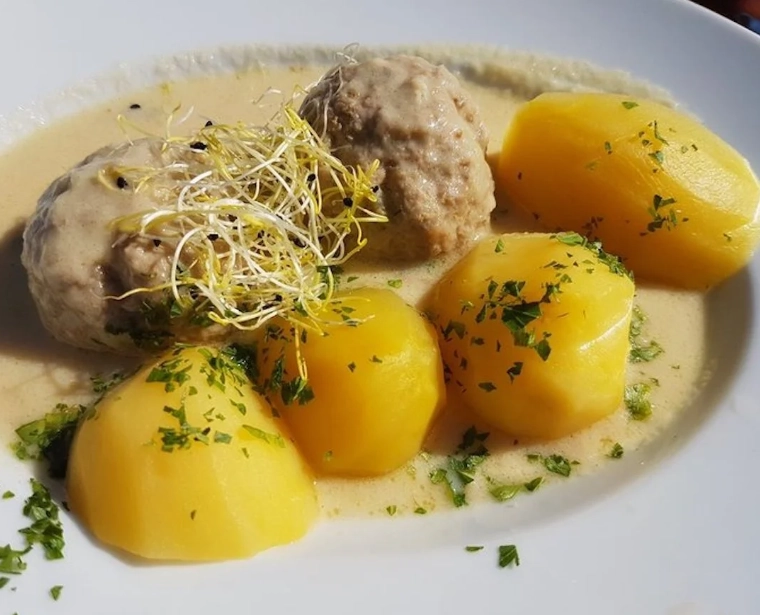
Here’s a quick comparison of some classic vs. modern approaches to give you ideas:
| Dish Concept | Classic/Traditional Version | Modern/Quick Twist |
|---|---|---|
| Potato Side | Bratkartoffeln (pan-fried potatoes with bacon & onions, cooked slowly) | Air fryer potato cubes tossed with smoked paprika and caraway |
| Pork Dish | Schweinebraten (slow-roasted pork shoulder with crackling) | Pork tenderloin medallions with a quick apple-onion pan sauce |
| Dumplings | Semmelknödel (bread dumplings from scratch, using dried rolls) | Use pre-made bread dumpling mix (available online) for a 15-minute side |
| Cabbage | Long-braised red cabbage with apples and cloves | Quick-sautéed shredded cabbage with apple cider vinegar and a pinch of sugar |
See? You don't need to commit to a project every time you want those flavors. Adapting German food recipes for a modern schedule is totally doable.
Your German Cooking Toolkit: Ingredients & Techniques
You don't need a kitchen full of special gear to cook German food, but knowing a few key ingredients and methods will make everything taste more authentic.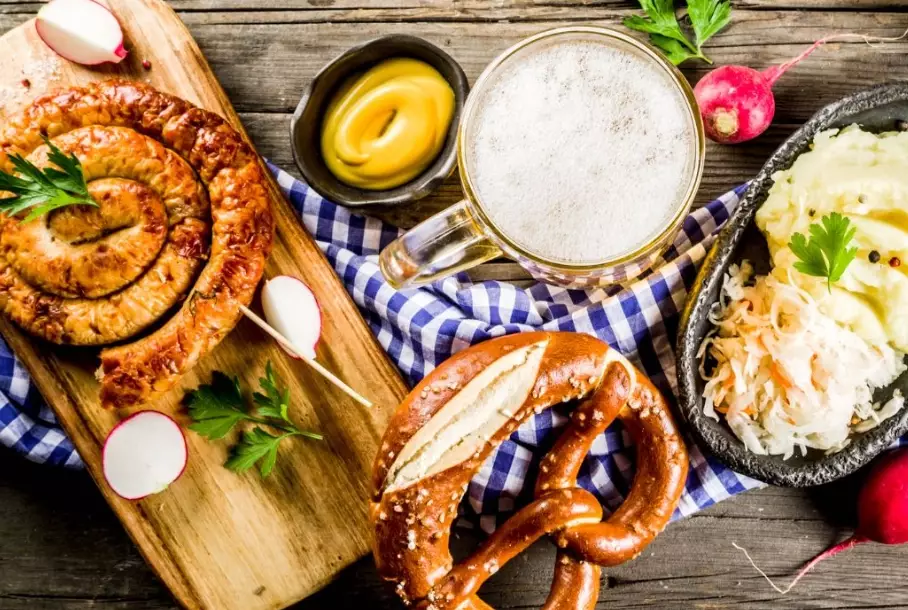
Must-Have Pantry Items
- Vinegars: A good white wine vinegar and a milder apple cider vinegar. They're used for marinades, dressings, and deglazing.
- Mustards: A medium-hot German mustard (Mittelscharf Senf) is the workhorse. A coarse-grained mustard is great for sauces and dressings.
- Spices: Sweet paprika (not smoked, usually), caraway seeds (crucial for cabbage dishes), ground nutmeg (freshly grated is ideal, especially for Spätzle and potato dishes).
- Fats: Butter is used generously. For frying, a neutral oil is fine, but clarified butter (Butterschmalz) or lard (Schmalz) adds incredible flavor, especially for Schnitzel and fried potatoes. You can find Butterschmalz in some grocery stores or make your own.
Core Cooking Methods
German cuisine isn't big on flashy techniques. It's about mastery of a few reliable ones:
- Braising & Stewing (Schmoren): This is the heart of so many classic German food recipes. Browning meat first, then cooking it low and slow in a covered pot with liquid. It's how you get tender Sauerbraten, Rouladen, and Eintopf.
- Pan-Frying (Braten): For Schnitzel, Bratkartoffeln, and Frikadellen. The key is controlling the heat and not crowding the pan.
- Roasting (Im Ofen backen): For larger cuts of meat, pork knuckles, and whole poultry. Often started at a high heat to sear, then finished at a lower temperature.
One technique I had to learn was making a proper Mehlschwitze (roux). Many German sauces and gravies start with equal parts butter and flour cooked until blonde, then liquid is whisked in. It's simple, but getting the consistency right—not too thick, not too thin—takes a little practice.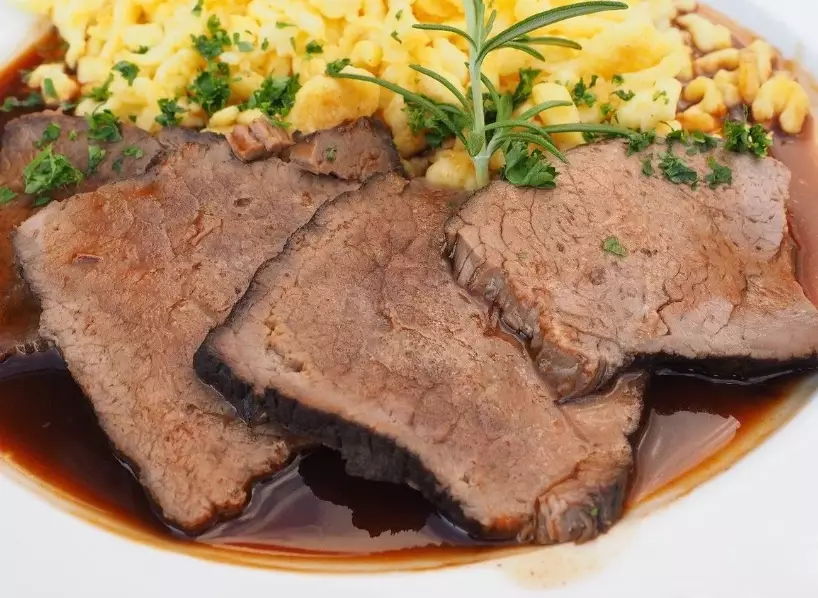
Answering Your German Food Questions (FAQ)
Is all German food heavy and fatty?
It has a reputation for being hearty, sure. But "heavy" isn't the whole story. There's a big emphasis on balance. A rich Sauerbraten is served with tangy red cabbage and light potato dumplings. A crispy Schweinshaxe comes with a sharp mustard and a simple bread roll. The portions can be generous, but the flavors are designed to complement each other. That said, if you're looking for light salads, traditional German cuisine might not be your first stop—though modern German restaurants are definitely embracing lighter fare.
What are good vegetarian German food recipes?
Traditional German cuisine is meat-centric, but there are fantastic plant-based options. Käsespätzle (cheese Spätzle) is a superstar. Gemüsestrudel (vegetable strudel) is delicious. Pilzrahmsauce (mushroom cream sauce) over potato dumplings or Spätzle is deeply satisfying. Many Eintopf stews can be made with lentils or beans instead of meat. Also, don't forget the wide variety of breads, cheeses, and pickled vegetables that make up a great Abendbrot (evening bread meal).
What's the deal with German beer and food pairing?
It's not a myth—beer is a fundamental part of the dining culture. The general rule is to match the intensity. A light, crisp Helles or Pilsner goes great with lighter fare like Schnitzel or Weisswurst. A malty, amber Märzen is perfect with roasted pork or sausages. A dark, roasty Dunkel or Bock beer can stand up to game meats or a heavy stew. The German Beer Institute is a great resource for understanding the different styles. But really, drink what you like with your German food recipes!
I can't find a specific ingredient. What can I substitute?
No problem. This happens to everyone exploring international cuisines.
- Speck (German bacon): Use thick-cut, lightly smoked bacon or pancetta.
- Butterschmalz (clarified butter): Use ghee or a mix of butter and a high-heat oil like avocado oil.
- Juniper berries: A tiny splash of gin can mimic the flavor in a marinade (use sparingly!), or just omit if you can't find them.
- Type 405 Flour (German all-purpose): American all-purpose flour works perfectly fine for most German food recipes. It has a slightly higher protein content, but for Spätzle, cakes, and breading, you won't notice a major difference.
Let's Get Cooking: A Simple Recipe to Start
Reading about German food recipes is one thing, but you need to start cooking. Here's a foolproof, delicious one that requires no special equipment.
Easy Pan-Fried Bratkartoffeln (German Fried Potatoes)
This is the ultimate side dish. Crispy on the outside, tender inside, infused with bacon and onion. It's a staple for a reason.
Ingredients:
- 1.5 lbs (700g) waxy potatoes (like Yukon Gold or red potatoes)
- 4 oz (110g) thick-cut bacon, diced
- 1 medium yellow onion, thinly sliced
- 2 tbsp butter or vegetable oil
- Salt and freshly ground black pepper
- 1 tbsp fresh parsley, chopped (optional)
Method:
- Cook the potatoes: Boil the whole, unpeeled potatoes in salted water until just tender when pierced with a knife (about 15-20 minutes). Drain, let them cool until you can handle them, then peel and slice into 1/4-inch thick rounds. This par-boiling step is key for the perfect texture.
- Cook the bacon: In a large, heavy skillet (cast-iron is ideal), cook the diced bacon over medium heat until crispy. Remove the bacon with a slotted spoon, leaving the fat in the pan.
- Fry the potatoes: Add the butter or oil to the bacon fat. Increase heat to medium-high. Add the potato slices in a single layer (work in batches if needed). Let them cook undisturbed for 4-5 minutes until a deep golden crust forms on one side. Flip and repeat. Season with salt and pepper.
- Add the onions: Push the potatoes to the side, add the sliced onions to the center of the pan. Cook until softened and translucent, about 5 minutes. Then mix everything together.
- Finish: Add the cooked bacon back in. Toss everything together and cook for another 2-3 minutes. Taste and adjust seasoning. Garnish with fresh parsley if using.
See? That's a genuine, deeply satisfying German side dish that's not complicated at all. It's a gateway recipe. Once you master the Bratkartoffeln, you'll understand the rhythm of the cuisine—taking simple ingredients and treating them with care to build big flavor.
Diving Deeper: Regional Gems and Sweet Finishes
Germany's culinary map is incredibly diverse. Northern cuisine, influenced by the sea, features more fish (like herring), kale (Grünkohl), and hearty rye breads. The south (Bavaria and Swabia) is where you find the pretzels, dumplings, and rich meat dishes most foreigners associate with Germany. The west, near France, has influences like wine sauces and more refined presentations.
Exploring regional German food recipes is a lifelong journey. Seek out recipes for Labskaus from the north (a sailor's hash of corned beef, potatoes, and beetroot) or Maultaschen from Swabia (large pasta pockets filled with meat or spinach).
And we can't forget dessert! German baking is a world of its own. Apfelstrudel with its paper-thin pastry, Schwarzwälder Kirschtorte (Black Forest Cake), and simple Streuselkuchen (crumb cake) are all iconic. A great resource for authentic baking recipes is Chefkoch.de, Germany's largest recipe platform (use your browser's translate function).
The truth about cooking German food at home is that it's less about perfection and more about heart. It's about creating meals that bring people together, that are satisfying and full of flavor. Whether you're tackling a legendary Sauerbraten or just whipping up some quick Frikadellen, you're connecting with a culinary tradition built on comfort and generosity.
So, grab your biggest skillet, pick a recipe that speaks to you, and start cooking. Your kitchen is about to smell amazing.