Quick Guide to Gothic Castles
- What Exactly is "Gothic" Architecture, Anyway?
- Why Germany is a Treasure Trove of Gothic Castles
- The Must-See German Gothic Castles: From Fairy Tales to Fortresses
- Planning Your Visit: From Dream to Reality
- Answering Your Gothic Castle Questions (The FAQ)
- Digging Deeper: Resources and Responsible Travel
Let's talk about German Gothic castles. You've probably seen the pictures – those impossibly tall spires piercing misty skies, stone walls that look like they grew straight out of the cliff face, windows that are more intricate lace than glass. They're the stuff of fairy tales and fantasy novels, but they're real, and a surprising number of them are tucked away in Germany's forests and perched on its hills. I remember the first time I visited one, Burg Eltz specifically. I'd seen photos, sure, but rounding that corner in the woods and seeing it for real? Honestly, I just stood there with my mouth open for a good minute. It doesn't look built; it looks grown, like a stone forest. That's the magic of Gothic architecture when it's applied not to a city cathedral, but to a fortified home on the edge of wilderness.
This guide isn't just a dry list of dates and architects. We're going to dig into what makes these German castles Gothic, why they look the way they do, and how you can actually go experience them for yourself without getting overwhelmed. I'll share some of the practical stuff I learned the hard way – like which castle courtyards are worth the crowded entry and which ones have the best Apfelstrudel in their café (a critical metric, in my opinion). We'll also tackle some common questions travelers have. Is it worth going inside, or is the view from outside enough? How do you even pronounce some of these names? And what's the deal with all those dragons and gargoyles?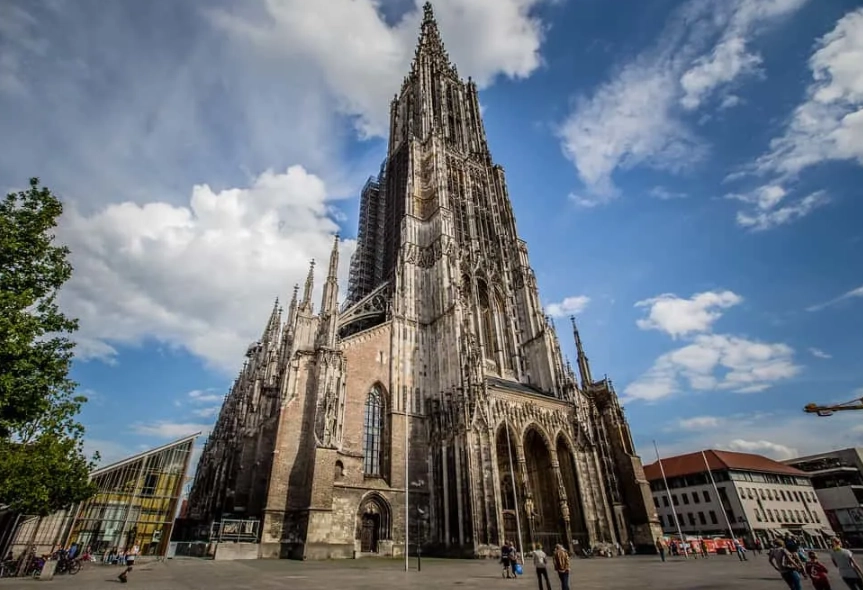
What Exactly is "Gothic" Architecture, Anyway?
Before we get lost in specific castles, let's clear up what we mean by "Gothic." It's a term tossed around a lot, often just meaning "old and pointy." But there's a specific recipe here. Gothic architecture kicked off in France in the 12th century as a reaction to the heavier, fortress-like Romanesque style that came before. The goal was simple but revolutionary: get more height and more light inside buildings.
The genius of Gothic lies in a few key engineering tricks. The pointed arch is the superstar – it's stronger than a rounded Roman arch and can channel weight down more efficiently. Then you have the rib vault, a skeleton of stone ribs that supports a ceiling, allowing builders to span wider spaces. But the real game-changer was the flying buttress. These are the external stone "props" you see on cathedrals. They act like strong arms bracing the walls from the outside, taking the weight of the roof and freeing up the walls themselves. And what do you do with walls that don't have to hold everything up? You fill them with massive windows.
Now, apply this to a castle. You're not just building a church; you're building a defensible residence. So German Gothic castle architecture becomes this fascinating hybrid. You get the verticality, the tall windows (often in the chapel or great hall), the intricate stone tracery, and those iconic pointed arches over gateways and windows. But it's all wrapped around a core purpose of defense. The light and grace of Gothic meet the grim necessity of thick walls, narrow arrow slits, and imposing gatehouses. It's this tension that makes them so visually compelling.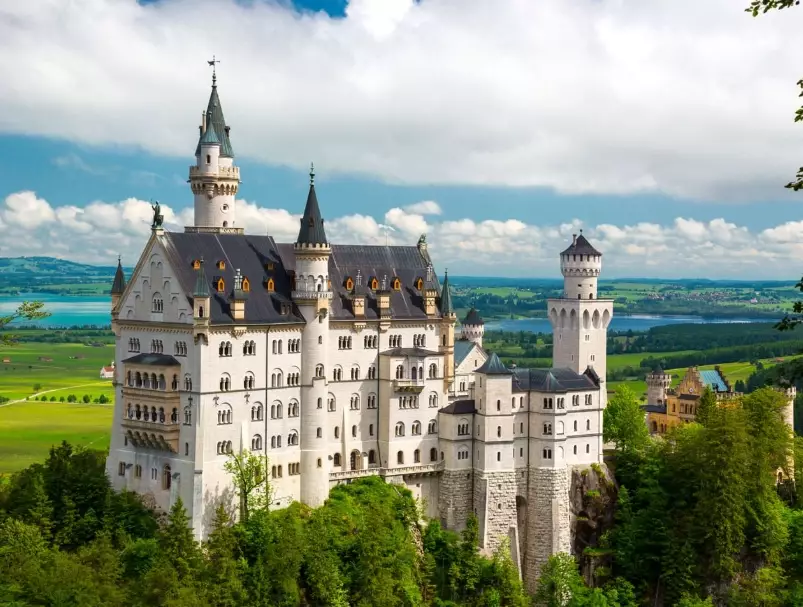
Why Germany is a Treasure Trove of Gothic Castles
You might wonder why Germany seems to have such a concentration of these beauties. History and geography are the answers. For much of the medieval period, the area we now call Germany was part of the Holy Roman Empire – a patchwork of hundreds of small states, bishoprics, and independent cities. This wasn't a unified country with one king building one big palace. It was a competitive landscape of local rulers, wealthy bishops, and knightly families, all wanting to showcase their power and prestige. Building a towering Gothic castle was the ultimate flex.
The terrain helped too. Germany's landscape is dotted with hills, river valleys, and dense forests – perfect, defensible spots for castle-building. A high, rocky crag not only made a castle harder to attack but also made it more visible for miles around, a constant reminder of the lord's authority. The availability of local stone – sandstone, basalt, limestone – meant builders could go big.
Many of the most famous German Gothic castles we see today aren't purely medieval, though. The 19th century saw a huge wave of Romantic nationalism sweep Europe. Kings and emperors, particularly in the newly unifying German states, looked back to the medieval period as a source of national identity. They embarked on massive restoration projects or even built brand-new castles in the Gothic style, inspired by idealized notions of chivalry and the past. This means some castles are "authentic" medieval structures, some are 19th-century Romantic revivals, and many are a fascinating mix of both. It's a layer cake of history.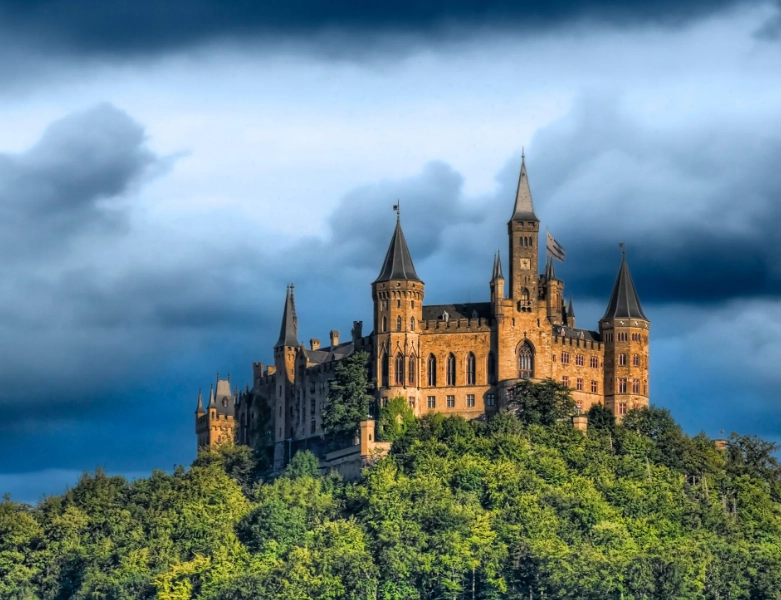
The Must-See German Gothic Castles: From Fairy Tales to Fortresses
Alright, let's get to the good stuff. Here are the heavy hitters, the castles that define the genre. I've broken them down a bit to help you choose which ones might call to you.
The Romantic Icons (The 19th-Century Revivals)
These are the castles that look like they leaped straight from an illustrator's page. They were built or rebuilt during the Romantic era with one goal: to be the perfect symbol of a mythical German past.
| Castle Name | Location (Region) | Gothic Hallmark Features | The Vibe & My Take |
|---|---|---|---|
| Neuschwanstein | Bavaria (near Füssen) | Sky-high towers, dramatic mountain perch, ornate interior murals based on Wagnerian operas. | The poster child. Breathtakingly beautiful, but also the most crowded. It feels more like a royal palace than a medieval fortress. The interior is a 19th-century tech marvel disguised as antiquity. |
| Hohenzollern Castle | Baden-Württemberg | Majestic hilltop silhouette, Neo-Gothic gatehouse, stunning Knights' Hall. | If a cloud had a castle, this would be it. The approach up the hill is phenomenal. It feels grand and imperial, a symbol of Prussian power. Less whimsical than Neuschwanstein, more stately. |
| Schwerin Castle | Mecklenburg-Vorpommern | Located on an island, countless turrets and towers, a perfect example of Romantic Historicism. | Often called the "Neuschwanstein of the North." The reflection in the lake is iconic. It houses the state parliament now, so parts feel very formal and official. |
The Authentic Medieval Gems
These castles have a different feel. They grew organically over centuries, and their Gothic elements are part of a longer, more complex story.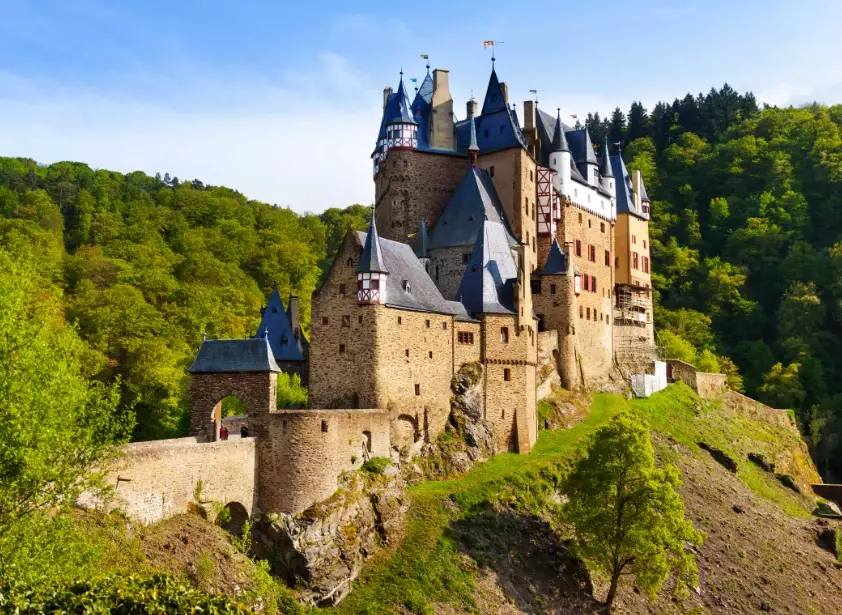
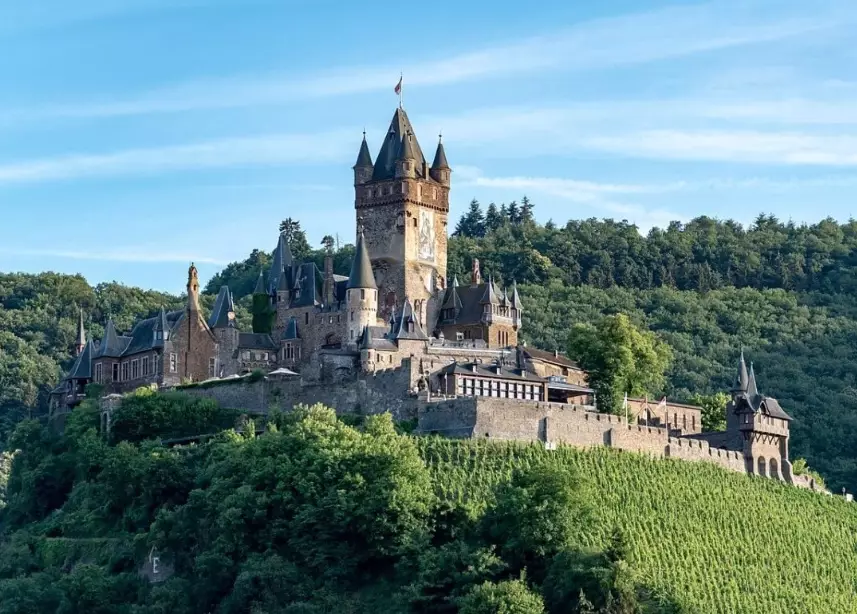
- Burg Eltz (Eltz Castle): Hidden in a Moselle valley forest, this is my personal favorite. It's never been destroyed, so you're looking at 800 years of continuous family ownership. The Gothic Rübenach and Rodendorf houses, built in the 14th-15th centuries, showcase the late Gothic style perfectly – tall, slender structures with oriel windows and steep roofs. It feels alive, not like a museum.
- Marksburg: This is the real deal – a fortress that was never taken. Perched high above the Rhine River, it's a textbook example of a medieval castle evolution, with strong Gothic elements in its chapel and living quarters. It feels rugged and practical, a working defensive machine.
- Gothic Castles along the Rhine: The Rhine Gorge is littered with them. Many, like Stahleck Castle (now a youth hostel!) or Pfalzgrafenstein (a toll castle in the middle of the river), were built or significantly rebuilt during the Gothic period. A river cruise here is like sailing through a storybook of German Gothic castles.
Planning Your Visit: From Dream to Reality
Loving the pictures is one thing. Actually visiting these places is another. Here’s the nitty-gritty I wish I’d known.
When to Go
Summer (June-August) is peak season. The weather is best, but you'll be sharing every viewfinder with a hundred other people. Spring (April-May) and Autumn (September-October) are golden. Fewer crowds, cooler weather for hiking, and the fall colors around castles like Eltz or on the Rhine are spectacular. Winter can be magical if a castle is open – imagine Neuschwanstein with snow – but many have reduced hours or close parts of the interior. Check carefully.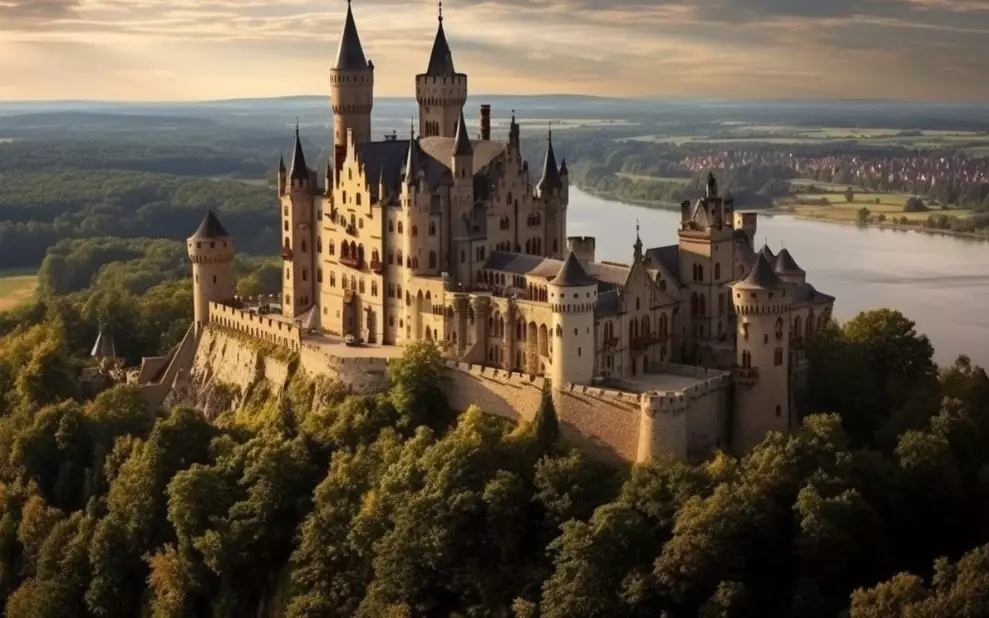
Getting There and Around
This is the big challenge. Many of the most spectacular German Gothic castles are not in major cities. They're in rural areas.
- Car: This is the most flexible option. You can visit at your own pace, reach remote parking areas, and enjoy the scenic drives (the Romantic Road, the Moselle, the Rhine Valley). Just be prepared for narrow roads and steep climbs.
- Train + Bus/Bike: It's possible for many castles! Germany's rail network is excellent. You can train to a nearby town (like Füssen for Neuschwanstein, or Cochem for Eltz) and then take a local bus or even a taxi. For some, like Marksburg, it's a steep hike from the train station in Braubach. A rewarding one, though.
- Organized Tours: From cities like Frankfurt, Munich, or Cologne, countless day tours run to the major castles. They handle transport and tickets, which is a huge relief. The downside? You're on their schedule. If you fall in love with a castle courtyard, you might have to leave before you're ready.
What to Expect Inside
Interior tours are usually guided (in German and English) and move at a set pace. You'll see grand halls with vaulted ceilings, knights' armor, period furniture, and incredible views from the windows. Photography is often restricted or forbidden inside. The tours can feel rushed. Sometimes, just exploring the exteriors, walls, and courtyards at your leisure is more satisfying than being herded through ornate rooms. Decide what you value more.
Quick-Fire Castle Comparison for Different Travelers
- For the First-Timer / Icon Seeker: Neuschwanstein. It's famous for a reason. Pair it with nearby Hohenschwangau.
- For the History Buff / Purist: Marksburg or Burg Eltz. Marksburg is the ultimate unaltered fortress. Eltz is the lived-in family home frozen in time.
- For the Romantic / Photographer: Hohenzollern at sunset, or Schwerin at sunrise over the lake.
- For the Efficient Traveler (No Car): Focus on the Rhine Valley. Take a train to Koblenz or Bingen, a river cruise, and visit several castles like Marksburg and Rheinfels easily by ferry and foot.
Answering Your Gothic Castle Questions (The FAQ)
What's the difference between a "Burg" and a "Schloss"?
Great question that causes confusion! A "Burg" (like Burg Eltz) is a true fortified castle, built primarily for defense. A "Schloss" (like Schloss Schwerin) is a palace or stately home. It might be built on a castle site, but its main purpose is comfortable residence and showing off, not withstanding a siege. Many sites use both terms historically.
Are German Gothic castles and French Gothic cathedrals related?
Absolutely. They're branches of the same architectural tree. The same principles of pointed arches, rib vaults, and flying buttresses were used. In France, these technologies were pushed to their limits to create awe-inspiring spaces for worship, reaching for the heavens. In German castles, the same ideas were adapted for secular, defensive purposes, creating awe-inspiring symbols of earthly power. The stone tracery in a castle chapel window might look very similar to that in a cathedral.
Which German Gothic castle is the oldest?
This is tricky because castles were constantly rebuilt. Parts of Marksburg date to the 12th century, though its current form is largely 14th-15th century (Gothic). Burg Eltz's earliest parts are Romanesque (12th cent.), but its most famous façades are Late Gothic. For a castle that is primarily Gothic in its surviving structure, Eltz and many Rhine castles like Stahleck are strong contenders from the 13th-14th centuries.
Is it worth going inside every castle?
My honest opinion? No. It's expensive and time-consuming. Prioritize one or two interiors that truly intrigue you. For Neuschwanstein, the interior is a unique 19th-century fantasy. For Burg Eltz, it's an authentic medieval time capsule. For others, the money and time might be better spent enjoying a meal with a castle view, hiking around the grounds, or visiting a second castle's exterior for free. Always check what the interior tour actually covers before you buy.
Digging Deeper: Resources and Responsible Travel
If this has sparked your interest, there are fantastic official resources to help plan. The German National Tourist Board website is a comprehensive starting point for regions and general info. For specific castles, their individual official websites are indispensable for current opening hours, ticket prices, and booking portals. For historical context, resources like the UNESCO World Heritage listing for the Upper Middle Rhine Valley detail the incredible concentration of castle history in that area.
Finally, visit responsibly. These are fragile historic sites. Stay on marked paths, don't touch the ancient stonework (oils from your hands damage it), and respect the rules. Many are still private homes (Eltz) or working government buildings (Schwerin). We're lucky they're shared with us.
The world of German Gothic castles is vast and deep. You could spend a lifetime exploring just the ones along the Rhine. But whether you visit one or ten, that feeling of wonder when you first see one – that blend of human ambition and artistic genius set against raw nature – that's what stays with you. It's a direct connection to a world of knights, legends, and stone-cut dreams. Start planning, book those tickets early, and get ready to look up, way up, at some of Europe's most dramatic history.