Guide Highlights
- Getting Your Bearings: Arrival and Beating the System
- Where to Stay: Picking Your Frankfurt Travel Base Camp
- The Must-Sees and The Hidden Gems: Crafting Your Itinerary
- The Food & Drink Lowdown: From Apfelwein to Green Sauce
- Day Trips: Why Frankfurt is the Perfect Rhine Valley Hub
- Frankfurt Travel FAQs: Answering the Real Questions
- Final, No-Nonsense Frankfurt Travel Tips
So you're thinking about a Frankfurt travel adventure. Let me guess, the first images that pop into your head are skyscrapers, men in suits, and maybe the airport? That's what most people think. I did too, before I actually spent time there. It's the classic misconception. Frankfurt am Main, to use its full name, gets labeled as just Germany's financial capital, a sterile business hub you pass through on your way to somewhere more "charming" like Munich or Berlin.
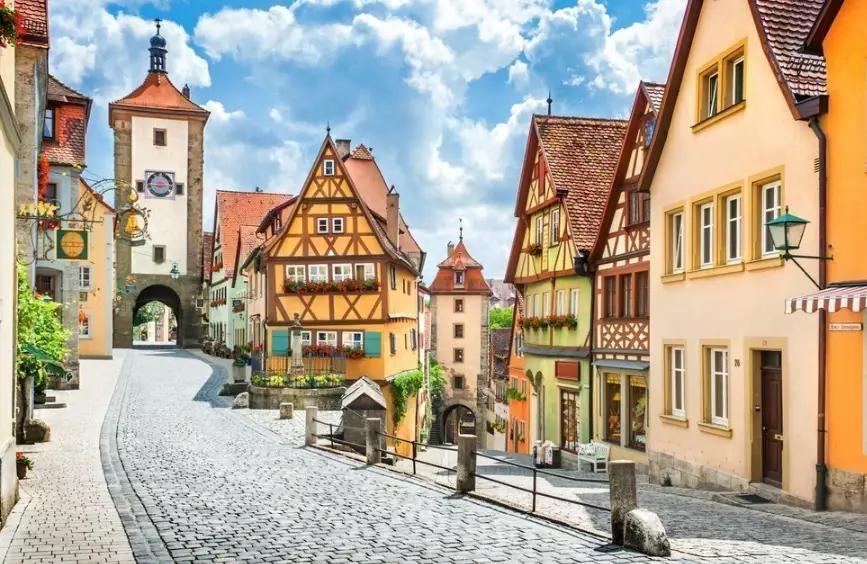
But here's the thing they don't tell you in the glossy brochures: Frankfurt has layers. It's a city of fascinating contrasts where medieval timber-framed houses sit literally in the shadow of glass towers. Where you can sip a traditional Apfelwein (apple wine) in a rustic tavern in the afternoon and later catch a world-class opera. Your Frankfurt travel experience can be whatever you want it to be – a deep dive into history, a foodie paradise, a green city escape, or a perfect launchpad for exploring the Rhine Valley. This guide isn't going to just list attractions. It's going to help you plan your Frankfurt travel like someone who knows where the good stuff is, not just the tourist traps.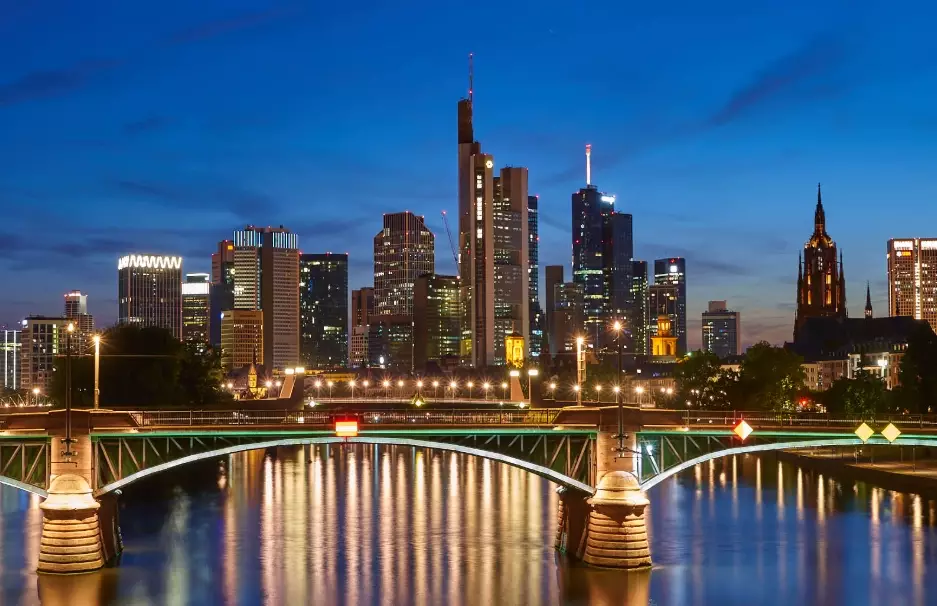
Getting Your Bearings: Arrival and Beating the System
Frankfurt Airport (FRA) is one of Europe's busiest hubs. For many, their entire Frankfurt travel experience is a mad dash between terminals. If you're landing here, the first victory is getting to the city center smoothly and without getting ripped off.
The S-Bahn (commuter train) is your best friend. Lines S8 and S9 run from the airport regional station (Fernbahnhof) directly to Frankfurt's main central station, Hauptbahnhof, and the city center (Hauptwache, Konstablerwache) in about 15 minutes. It's frequent, reliable, and part of the city's public transport network (RMV). A single ticket for the short ride (Zone 50 to Zone 50) is cheap. Do not, I repeat, do not automatically jump in a taxi for this short hop unless you have a ton of luggage or it's the middle of the night. The train is just too efficient.
If you're arriving by train, Frankfurt Hauptbahnhof is a massive, imposing terminus. It's efficient but can feel a bit overwhelming. Keep your wits about you, as with any major European train station. The city center is a 15-20 minute walk or a few quick stops on the U-Bahn (subway).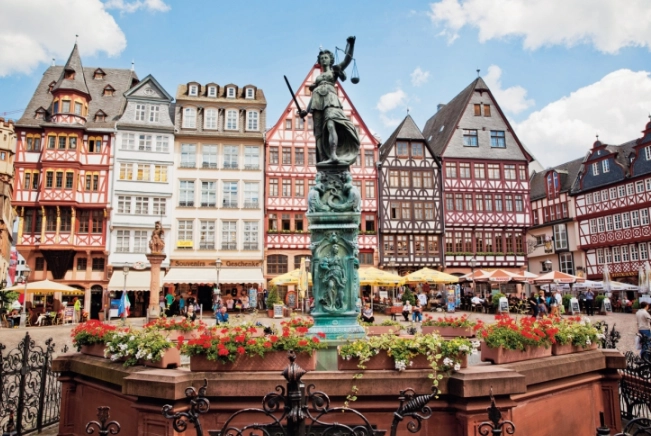
Getting Around: The Frankfurt Travel Public Transport Cheat Sheet
Frankfurt's public transport is excellent. It's a unified system of U-Bahn (subway), Straßenbahn (trams), S-Bahn, and buses. A single ticket can be pricey for one ride, so plan ahead.
For any serious Frankfurt travel exploring over a day or two, get a Tageskarte (Day Ticket). It gives you unlimited travel within chosen zones for 24 hours from the time you validate it. The city center (Zone 50) is usually sufficient for most sights. If you're flying in and out, get a ticket that includes the airport (Zone 50 + 509).
Walking is also a fantastic way to see the city core. The distance between the Römer (old town) and the Hauptbahnhof is very walkable. The riverbank along the Main is perfect for a stroll.
| Ticket Type | Best For | Coverage (Typical) | Approx. Cost (Adult) |
|---|---|---|---|
| Single Ticket (Einzelfahrt) | One short trip (e.g., station to hotel). | One journey in one direction. | ~€3.00 |
| Day Ticket (Tageskarte) | Tourists doing multiple sights in a day. | Unlimited travel in chosen zones for 24 hours. | ~€7.00 (City only) |
| Group Day Ticket (Gruppentageskarte) | 2-5 people traveling together. A massive saver! | Unlimited travel for the group in chosen zones. | ~€12.00 (City only) |
| Frankfurt Card | If you plan to visit several museums. Compare value. | Unlimited transport + discounts on attractions. | ~€12.50 (1 day) |
Where to Stay: Picking Your Frankfurt Travel Base Camp
This depends entirely on your vibe and budget. Frankfurt has distinct neighborhoods, each with a different feel.
Innenstadt (City Center)/Altstadt (Old Town): This is the most obvious choice for first-time Frankfurt travel. You're right in the heart of everything – the Römer, the cathedral, shopping on the Zeil. It's convenient, lively, and you can walk to most major historical sites. The downside? It can be touristy, crowded, and hotel prices are at a premium. Some places can feel a bit generic.
Sachsenhausen (South of the River Main): This is my personal favorite recommendation for many visitors. Sachsenhausen is the "old" Frankfurt, famous for its cobbled lanes, traditional Apfelwein taverns (in the area called "Alt-Sachsenhausen"), and a more relaxed, local feel. It's just over the river via the Eiserner Steg (Iron Footbridge) from the old town, so you're still incredibly close to the sights. At night, it has its own charm without being as dominated by chain restaurants. Staying here gives you a more authentic slice of Frankfurt life.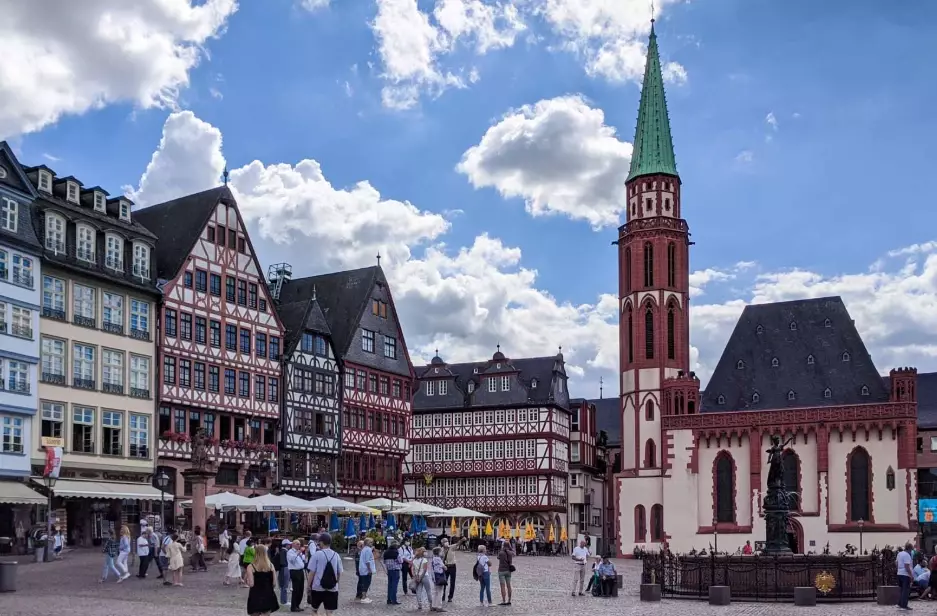
Bahnhofsviertel (District around the Main Station): This is the most controversial area. It's super convenient for arrivals/departures and has seen massive gentrification in recent years, with cool cocktail bars, cafes, and street art popping up. However, parts of it, especially the immediate surroundings of the station, can be gritty, with visible social issues. I wouldn't recommend it for families or travelers who prefer a very quiet, polished environment. For the adventurous, urban-minded solo traveler, it can be interesting and affordable.
Westend/Nordend: These are beautiful, upscale residential areas with grand old buildings, parks, and embassies. You'll find quieter, often boutique hotels here. It's a 15-20 minute tram ride to the center, offering a peaceful retreat. Perfect if you want a calmer stay and don't mind a short commute.
The Must-Sees and The Hidden Gems: Crafting Your Itinerary
Let's break down what to actually do. I'll separate the iconic postcard spots from the places that give you the real flavor.
The Frankfurt Travel Postcard Checklist (You Should See These)
- Römerberg & The Römer: This is the historic heart, the picture-perfect square with the timber-framed Römer town hall. It's beautiful, especially if reconstructed after the war. It's always busy, but you have to see it. Go early in the morning to avoid the biggest crowds.
- Frankfurt Cathedral (Kaiserdom): Not technically a cathedral but an imperial church. Climb the tower for a stunning 360-degree view of the city's contrast – old town spires vs. banking district skyscrapers. The climb is narrow and steep, but worth it.
- Städel Museum: Simply one of Germany's finest art museums. Its collection spans 700 years, from old masters like Dürer to modern greats like Bacon. Even if you're not a huge art buff, it's impressive. Check their website for current exhibitions.
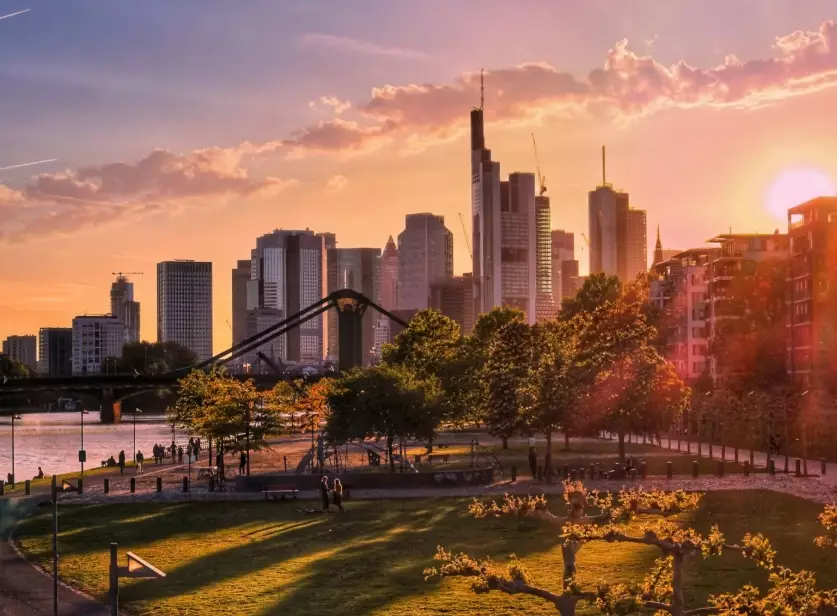
- Main Tower: This is the only skyscraper in the finance district with a public viewing platform. The view is unbeatable, particularly at sunset when the city lights start to twinkle. It gives you a real sense of Frankfurt's scale and nickname, "Mainhattan."
Beyond the Brochure: Local Favorites & Hidden Corners
This is where your Frankfurt travel gets interesting.
- Kleinmarkthalle: Forget generic food courts. This is a covered market hall packed with local vendors selling everything from exotic spices and cheeses to fresh produce, flowers, and prepared foods. Go for lunch – grab a stool at one of the stands and eat like a local. The atmosphere is buzzing.
- The River Main Banks (Museumsufer): Both sides of the river are lined with parks. It's where Frankfurt relaxes. People jog, cycle, have picnics, and just hang out. On a sunny day, it's the city's living room. The southern bank is called Museumsufer because it's lined with museums (like the Städel, German Film Museum, etc.).
- Palmengarten: A stunning botanical garden. It feels a world away from the city bustle. Greenhouses replicate different global climates, from tropical rainforests to arid deserts. A perfect escape, especially with kids or on a rainy day.
- Explore Bornheim or Bockenheim: These are lively, trendy residential districts a bit further out (easily reached by tram). They're packed with independent cafes, quirky shops, and restaurants favored by students and young professionals. The Berger Straße in Bornheim is particularly famous for its village-like feel and great dining options.
Let's be real. The financial district itself (the skyscrapers around the Opernplatz) is impressive to walk through, but it can feel a bit cold and empty on weekends. Don't spend too much time there unless you're really into architecture.
The Food & Drink Lowdown: From Apfelwein to Green Sauce
Frankfurt has its own culinary identity, distinct from the rest of Germany. This is a key part of any genuine Frankfurt travel experience.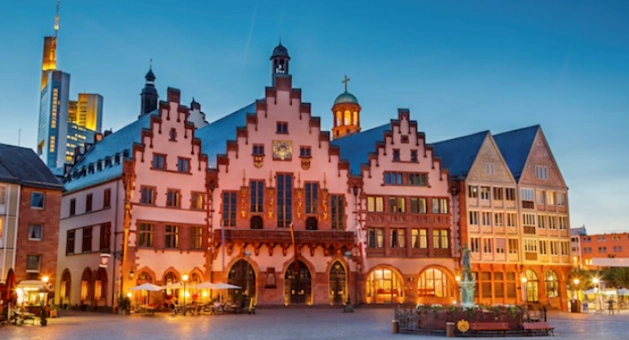
The National Drink: Apfelwein (Ebbelwoi)
This is a tart, cloudy, fermented apple wine, usually served in a traditional ribbed glass called a "Geripptes." It's an acquired taste – sour and dry, not sweet like cider. Locals often drink it "gespritzt," mixed with sparkling water. You must try it in a proper Apfelweinwirtschaft (tavern) in Alt-Sachsenhausen. Places like Zum Gemalten Haus or Adolf Wagner are institutions. The atmosphere is rustic, with long shared wooden tables and often sawdust on the floor. They serve hearty food to go with it.
Must-Try Dishes:
- Frankfurter Grüne Soße (Green Sauce): A cold herb sauce made with seven specific fresh herbs (parsley, chives, chervil, etc.), sour cream, and egg. It's traditionally served with boiled potatoes and hard-boiled eggs or boiled beef. It's fresh, tangy, and uniquely Frankfurt. Look for places that advertise "Echte Frankfurter Grüne Soße" (the real deal).
- Handkäse mit Musik: A pungent, sour milk cheese ("hand cheese") served with onions (the "music," a humorous reference to its after-effects) in a vinegar-oil marinade, with bread and butter. It's strong, but delicious with an Apfelwein.
- Frankfurter Würstchen: The original Frankfurter sausage. Thin, smoked pork sausages, usually served two or three at a time with bread, mustard, and sometimes potato salad. Simple and classic.
Day Trips: Why Frankfurt is the Perfect Rhine Valley Hub
One of the biggest advantages of Frankfurt travel is its location. In under an hour by train, you can be in storybook Germany.
Top Tier Day Trip: Heidelberg. The romantic university town with its iconic ruined castle overlooking the Neckar River and the beautiful old bridge. It's a direct, frequent train ride (about 55 minutes on the ICE). Wander the cobbled Hauptstraße, see the Studentenkarzer (student prison), and hike up to the castle for the view. It's touristy, yes, but for good reason.
The Rhine Gorge (Rüdesheim & St. Goar): This is the classic Rhine River cruise territory. Take a regional train to Rüdesheim (about 70 mins), a town famous for its Drosselgasse lane and wine. From there, hop on a KD Rhine River cruise boat (check schedules in advance) and sail down the most scenic stretch of the Rhine, past countless castles and vineyards. Get off at St. Goar to see Burg Rheinfels castle, then take the train back to Frankfurt. A perfect full-day itinerary.
Wiesbaden: The elegant capital of Hesse, known for its thermal baths and grand 19th-century architecture. It's just a 30-minute S-Bahn ride away. Perfect for a more relaxed day of spa-ing and strolling.
Mainz: The capital of neighboring Rhineland-Palatinate, famous for its Romanesque cathedral and as the home of Johannes Gutenberg, inventor of the printing press. The Gutenberg Museum is fascinating. Also about 30-40 minutes by train.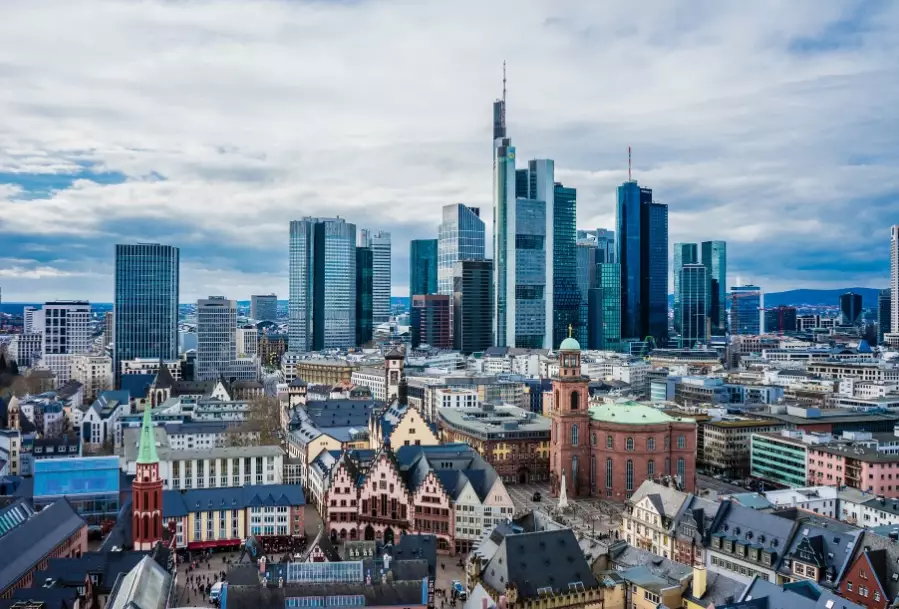
Frankfurt Travel FAQs: Answering the Real Questions
Final, No-Nonsense Frankfurt Travel Tips
To wrap this up, here's my distilled advice for a great trip:
- Stay across the river in Sachsenhausen for a more authentic feel while being minutes from the sights.
- Buy a Group or Single Day Ticket for transport on day one. It pays for itself fast.
- Have at least one meal in the Kleinmarkthalle and one dinner with Apfelwein and Green Sauce in Alt-Sachsenhausen. This is non-negotiable for the culture.
- For the best view, choose between Main Tower (modern skyline) or Frankfurt Cathedral Tower (historic perspective). Do one.
- If you have an extra day, get out of the city. The Rhine Valley is stunning and effortlessly accessible.
- Don't over-schedule. Frankfurt's charm often lies in just strolling along the Main, sitting in a square with a coffee, or exploring a random side street.
Frankfurt surprised me. It's not a city that shouts for attention like Berlin or Paris. It's confident, layered, and efficient. It offers a perfect blend of the historic and the hyper-modern, all in a walkable, manageable package. Your Frankfurt travel plan should embrace that contrast. Skip the idea that it's just a transit stop. Dive into its neighborhoods, taste its unique flavors, and use it as your gateway to one of Germany's most beautiful regions. You might just find it becomes one of your favorite underrated European cities.
Hope this helps you plan an amazing trip. Feel free to reach out if you have more questions.