Your Journey at a Glance
So you've got a week and a rental car, and Germany is calling. Good choice. A Germany road trip is one of those classic European experiences, but trying to fit it all into just seven days? That's the real challenge. You can't see everything, let's be honest. But you can craft an incredible loop that hits the postcard highlights and a few surprises along the way.
This specific Germany road trip itinerary for 7 days is designed as a loop starting and ending in Frankfurt, mainly because it's a major flight hub and has tons of rental options. The route packs in the medieval charm of the Romantic Road, the "wow" factor of Neuschwanstein Castle, the cuckoo-clock coziness of the Black Forest, and the legendary vineyards of the Rhine Valley. It's a lot of driving, but the scenery changes so dramatically it never feels like a chore.
I've done a version of this trip myself, and while it was amazing, I also learned a few things the hard way. Like parking in Rothenburg is a nightmare if you arrive mid-day. Or that you must book Neuschwanstein tickets way in advance. I'll share those bits so your trip is smoother than mine was.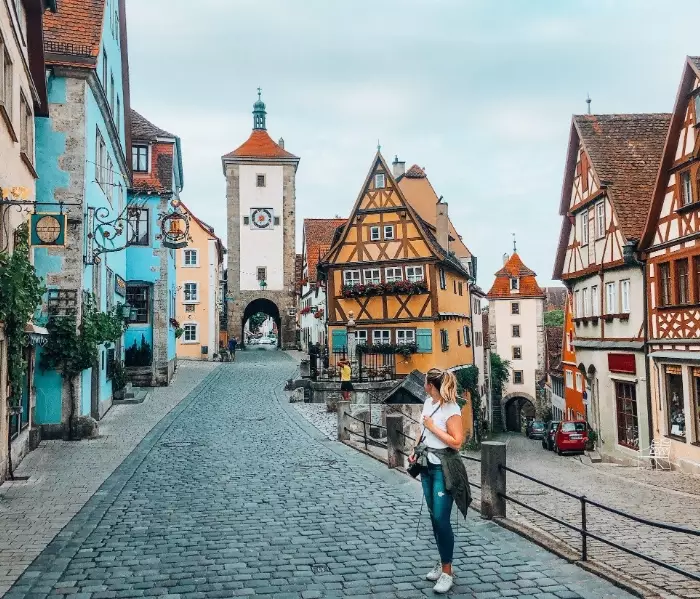
Before You Hit the Road: The Essential Prep
Jumping straight into the itinerary is tempting, but a little planning saves a huge headache. Germany is super organized and driving is generally a pleasure, but you need to get the basics right.
Driving in Germany: Rules & Reality
You need a valid driver's license from your home country. For many nationalities, an International Driving Permit (IDP) is recommended or required. It's a translation document, not a separate license. Get one from your local automobile association before you leave.
Now, the Autobahn. Yes, some sections have no speed limit. No, you shouldn't try to max out your rental Opel in the left lane. The right lane is for cruising. The middle lane is for passing slower traffic. The left lane is for... well, you'll see Porsches and Audis flashing their lights. Move over. The reality is, traffic, construction, and speed-limited zones are common. You'll have fun, but it's not a racetrack.
Parking (Parken) in cities and popular towns often requires paying at a machine (Parkscheinautomat). You get a ticket to display on your dashboard. In old towns, look for the big Parkhaus (parking garage) signs on the outskirts and walk in. It's easier.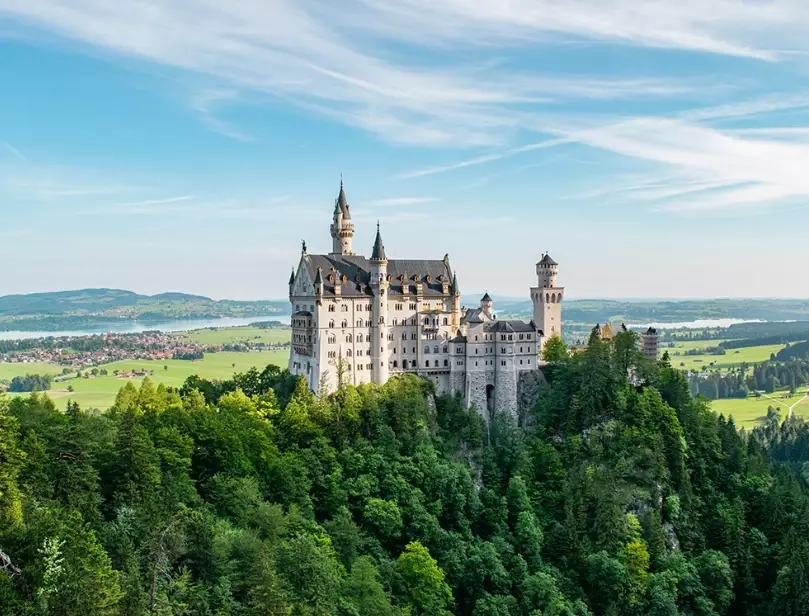
Renting the Right Car & Budgeting
Book your rental car early, especially for summer. A compact or midsize car is perfect for these roads and easier to park. Get full insurance coverage for peace of mind. Diesel used to be the budget choice, but these days, petrol or even a hybrid might be comparable. Calculate based on current prices.
Let's talk money. A rough daily budget breakdown for two people might look like this:
| Category | Budget-Friendly | More Comfortable |
|---|---|---|
| Rental Car & Fuel | €50 - €70 | €80 - €120 (larger car, premium) |
| Accommodation | €80 - €120 (guesthouses, B&Bs) | €150 - €250 (4-star hotels) |
| Food & Drink | €40 - €60 (market lunches, 1 sit-down meal) | €80 - €120 (restaurants for most meals) |
| Attractions & Parking | €20 - €30 | €40 - €60 (more castle tours, etc.) |
| Daily Total (approx.) | €190 - €280 | €350 - €550 |
Fuel is expensive in Europe. Use an app like ADAC's (the German auto club) fuel price checker to find cheaper stations off the Autobahn. Tolls are minimal in Germany, but you'll pay for parking almost everywhere.
For official travel information, always a great first stop is the German National Tourist Board website. It's packed with reliable, up-to-date info.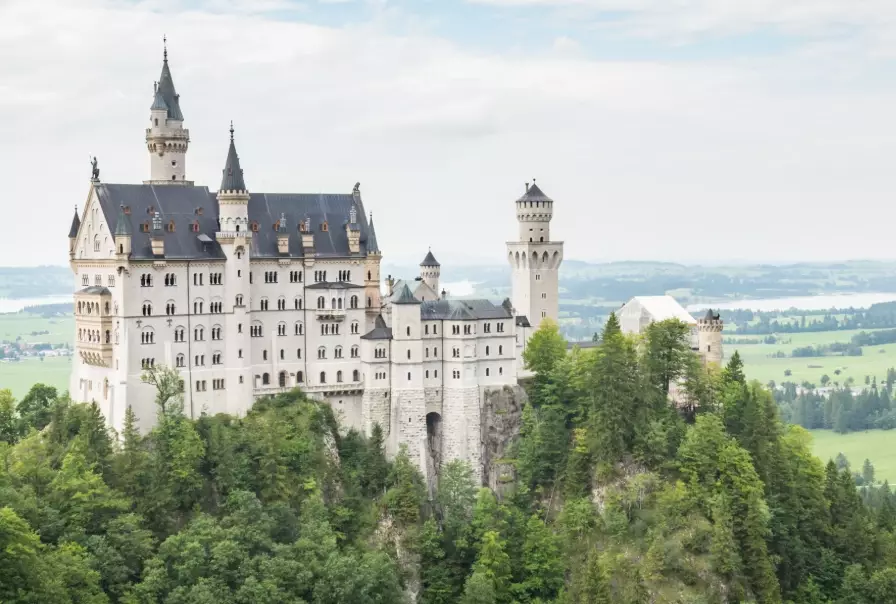
The 7-Day Germany Road Trip Itinerary: A Day-by-Day Journey
Here it is, the main event. This 7-day Germany road trip itinerary assumes you land, pick up your car, and are ready to go from Frankfurt on Day 1. Adjust based on your flight times.
Day 1: Frankfurt to Rothenburg ob der Tauber (The Romantic Road Begins)
Drive: ~190 km / 2.5 hours (without stops)
Sleep: Rothenburg ob der Tauber
Get out of Frankfurt as soon as you can. No offense to Frankfurt, but the real magic starts when you hit the Romantische Straße (Romantic Road). This signposted tourist route is your guide for the next couple of days. Your first destination is Rothenburg, perhaps the best-preserved medieval town in Germany.
The drive itself is pleasant rolling countryside. Consider a quick stop in Würzburg to see the Residenz Palace (a UNESCO site) if you have time, but don't linger too long. You want to get to Rothenburg.
Rothenburg is a time capsule. Walk the intact town walls, see the famous Plönlein corner (the iconic half-timbered fork), and visit the Medieval Crime Museum – it's bizarre and fascinating. The town gets overrun with day-trippers, but they leave by late afternoon. That's when Rothenburg is at its best. Stay inside the walls if you can.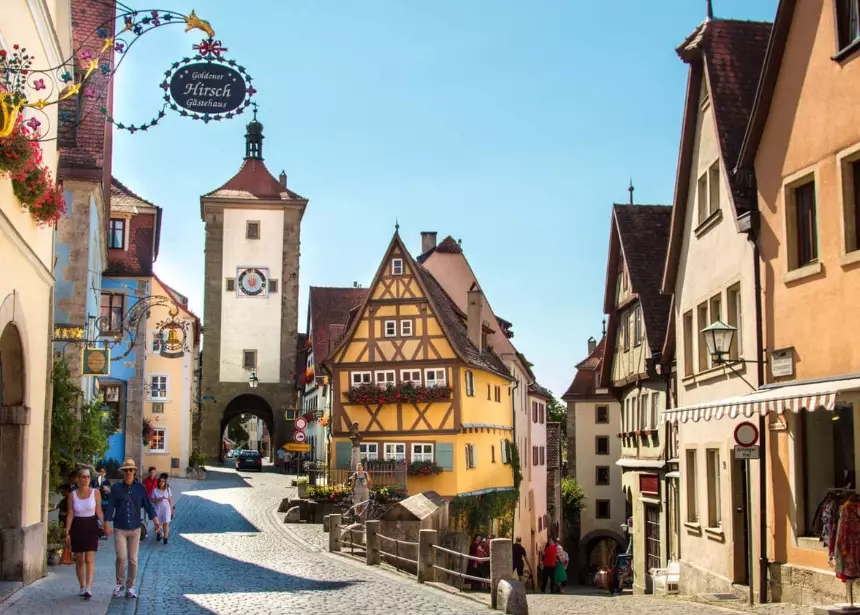
For dinner, try a local Franconian dish like Schäufele (pork shoulder) with a glass of Franconian wine, which comes in a distinctive round bottle (Bocksbeutel).
Day 2: Rothenburg to Füssen (Castles & Countryside)
Drive: ~230 km / 3.5 hours (with a stop)
Sleep: Füssen or Schwangau
Continue south on the Romantic Road. The landscape gets more dramatic, with the Alps slowly appearing on the horizon. Make a stop in Dinkelsbühl. It's like a quieter, less crowded version of Rothenburg and is utterly charming for a morning coffee and stroll.
Your goal is to reach the area around Füssen by late afternoon. This is your base for the big castle visit tomorrow. Book your accommodation in Füssen or, better yet, in one of the villages right near the castles like Schwangau. Waking up to that view is special.
Check in, then maybe take a short walk to Lake Alpsee, right at the foot of the castles. The water is insanely clear and green. It’s the perfect way to stretch your legs and get a first glimpse of Neuschwanstein from below.
Day 3: Neuschwanstein & Hohenschwangau Castles
Drive: Minimal (just to the ticket center)
Sleep: Füssen/Schwangau again
Castle day. Give yourself plenty of time. Park at the central Ticket Center in Hohenschwangau. Your ticket will have a time for Neuschwanstein. You can walk up (about 30-40 minutes uphill), take a shuttle bus, or a horse-drawn carriage. The bus drops you near the Marienbrücke (Mary's Bridge), which gives that famous photograph-framing view of the castle.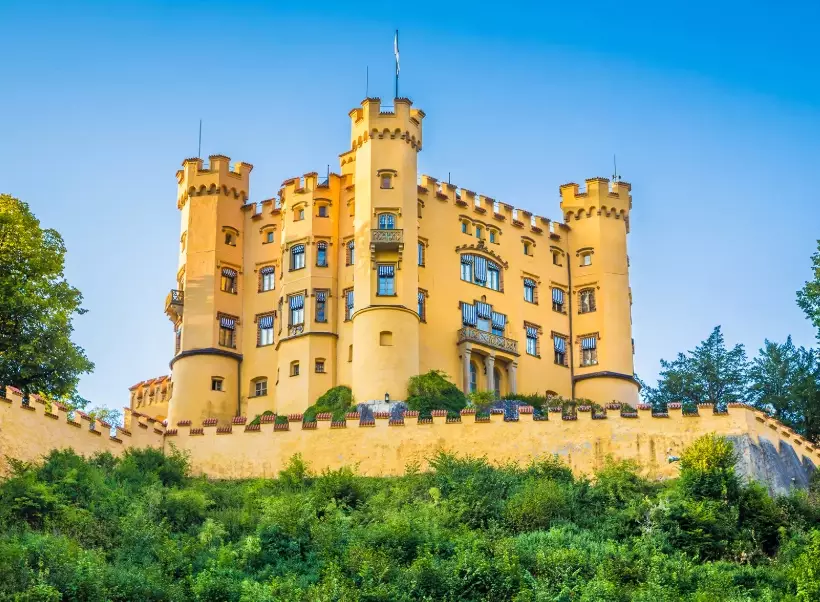
The tour inside Neuschwanstein is... short. Honestly, only a few rooms are finished because King Ludwig II died before it was completed. But the story is fascinating, and the interiors are opulent and theatrical. It feels like walking into a Wagner opera.
Most people combine it with a visit to the neighboring Hohenschwangau Castle, where Ludwig grew up. It's more lived-in and gives crucial context. After the tours, if you have energy, hike up to the Tegelberg mountain for staggering views or take the easy path around Lake Alpsee.
A fairytale day, but expect crowds. It's part of the deal.
Day 4: Füssen to Triberg via the Black Forest High Road
Drive: ~200 km / 4 hours (with scenic stops)
Sleep: Triberg or a nearby Black Forest village
Time to leave the Alps and dive into the deep, dark woods. The Black Forest High Road (Schwarzwaldhochstraße, B500) is one of Germany's oldest and most famous scenic drives. It's all sweeping curves, dense fir forests, and open panoramas.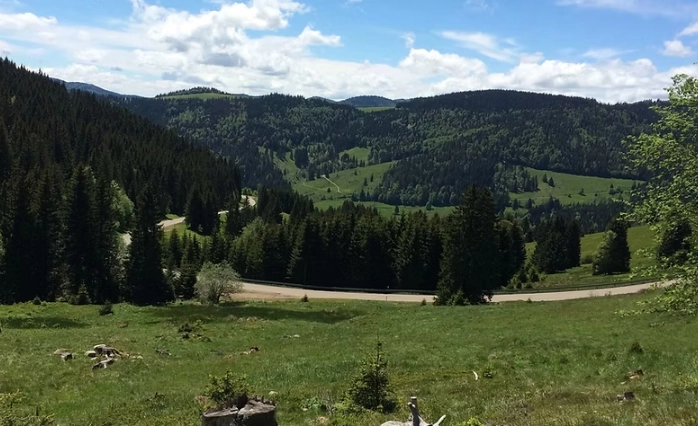
Don't just drive through. Stop at the Mummelsee, a small glacial lake with legends of water nymphs. It's touristy, but a nice 20-minute walk. Further on, pull over at any of the countless Aussichtspunkte (viewpoints). The view from the Hornisgrinde tower is fantastic on a clear day.
Your destination is the heart of the cuckoo clock region: Triberg. Home to Germany's highest waterfalls (nice walk) and the world's largest cuckoo clock (a bit kitschy, but fun). This is where you buy that clock if you want one. For a more authentic experience, visit the German Clock Museum in Furtwangen on your way.
For dinner, you must have Black Forest ham and, of course, the real Black Forest gateau (Schwarzwälder Kirschtorte). The cherry brandy (Kirschwasser) in it is non-negotiable.
Day 5: Black Forest to the Rhine Valley (Rüdesheim)
Drive: ~250 km / 3.5 hours
Sleep: Rüdesheim am Rhein or a Rhine village
A transition day. Head northwest out of the mountains towards the mighty Rhine River. Your target is the Rhine Gorge, a UNESCO World Heritage stretch between Bingen and Koblenz, packed with castles and vineyards.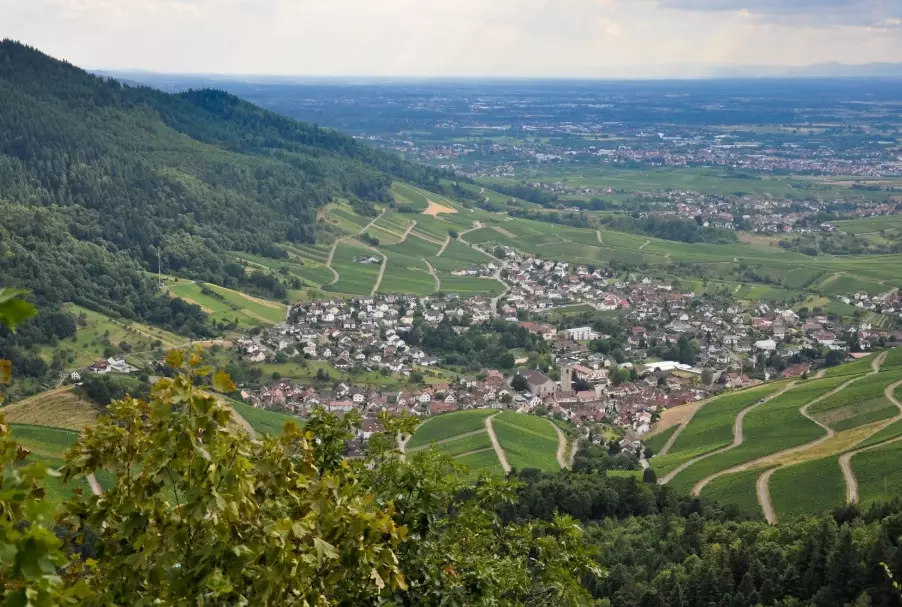
Base yourself in a town like Rüdesheim. It's lively, if a bit crowded, with its famous Drosselgasse, a narrow alley full of wine taverns. A quieter alternative is staying across the river in Bingen or in one of the tiny wine villages like Assmannshausen.
After checking in, take the cable car up to the Niederwald Monument for a jaw-dropping view over the river bend. It sets the stage for tomorrow's adventure.
Day 6: Rhine Valley Castles & River Cruise
Drive: Minimal or a scenic drive
Sleep: Same as Day 5
The best way to experience the Rhine Gorge is from the water. Park your car in Rüdesheim or Bingen and take one of the frequent KD Rhine Line ferries upstream to St. Goar. The 1.5-hour cruise lets you sit back and see a dozen castles, the Loreley Rock (the legendary siren's cliff), and steep vineyards you'd miss from the road.
Disembark in St. Goar. Here you have a choice: visit the massive Rheinfels Castle ruins (my favorite – you can explore the labyrinthine tunnels) or take the ferry back, stopping at a castle like Burg Katz or Burg Maus on the opposite bank.
In the afternoon, you could do a short drive along the river on either side. The left (west) bank has better roads (B9), but the right (east) bank is narrower and more dramatic. Pick one and explore. Markeburg Castle, right on the riverbank, is an easy and impressive visit.
A day of legends, wine, and stone. Pure romance.
Day 7: Rhine Valley back to Frankfurt
Drive: ~80 km / 1 hour (direct)
Sleep: Flight out or Frankfurt
The final leg. It's a short drive back to Frankfurt airport. But if your flight is in the evening, use the morning wisely. You could visit Eltville, a beautiful wine town on the Rhine, or even make a detour to the spa town of Wiesbaden for a look at its grand architecture.
Most importantly, factor in time to return the rental car. Fill up the tank at a station near the airport, not at the overpriced rental facility. Allow at least an extra 30-60 minutes for the return process and shuttle to the terminal.
And that's it. One week, a stunning loop through the soul of Germany.
Making It Your Own: Alternative Stops & Adjustments
This 7 day Germany road trip itinerary is a blueprint, not a prison sentence. Hate crowds? Love cities? Here's how to tweak it.
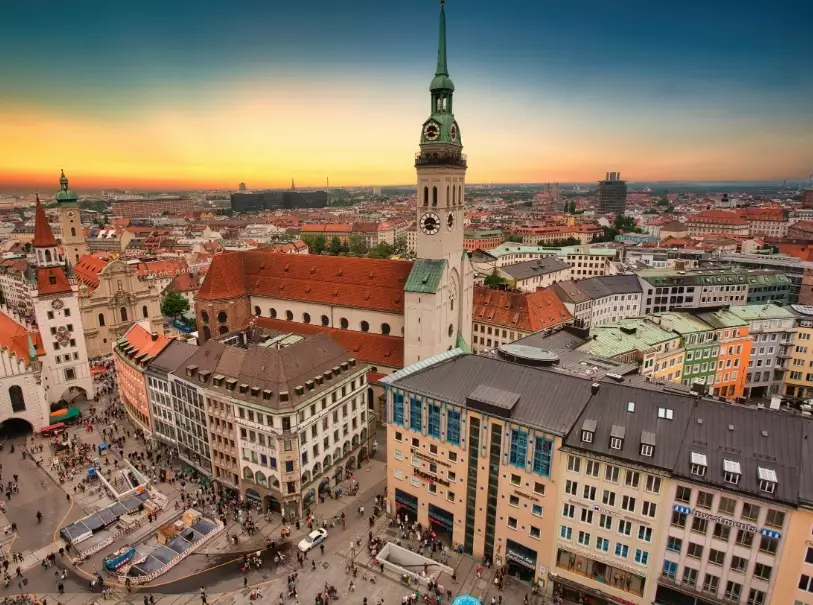
- Add a City: Swap a night in the Black Forest or Rhine for a night in Munich at the start. You'd fly into Munich, see the city, then pick up the route at Füssen (Day 3).
- Skip the Rhine for Bavaria: From Füssen, head east to Chiemsee (King Ludwig's other palace, Herrenchiemsee) and then to Salzburg, Austria, for a different international flavor before looping back to Munich.
- Go Deeper, Not Wider: Spend all 7 days just in Bavaria or just in the Black Forest/Rhine region. You'll drive less and explore more. A pure Bavarian Germany by car one week trip could include Munich, Garmisch-Partenkirchen, Zugspitze, and Königssee.
- The Weather's Bad: Rain in the Black Forest? Visit the fantastic Vogtsbauernhof open-air museum to see traditional farmhouses. Fog hiding the castles? The Füssen Heritage Museum is excellent.
Answers to Your Burning Questions (FAQs)
Let's tackle the common stuff that pops up when planning a Germany road trip itinerary for 7 days.
Final Thoughts Before You Go
This itinerary is dense. You'll be tired but in the best way. The key to enjoying a Germany road trip itinerary 7 days style is to embrace the journey itself. The half-timbered village you stumble upon, the roadside farm stand selling fresh strawberries, the beer garden under chestnut trees – these are often the memories that stick just as much as the big castles.
Book your must-dos (car, Neuschwanstein, first night's hotel) ahead of time. For the rest, leave a little room for chance. Get a good paper map or offline GPS. And finally, remember you're driving in a country that takes its rules seriously but also its hospitality. Say "Guten Tag" when you walk into a shop, try to pronounce "Danke" (thank you), and raise a glass – whether of beer, wine, or Apfelschorle – to the open road.
Have an incredible trip. It's one you'll be talking about for years.