Quick Navigation
So you've got three days and a serious itch to hit the German autobahn? Good call. A Germany road trip for 3 days is one of the best ways to taste the country's diversity—medieval towns, fairy-tale castles, deep forests, and yes, those famous highways. But let's be real: three days is tight. You can't see it all, and trying to will just leave you exhausted. I learned that the hard way on my first attempt, cramming too much in and spending half the time just driving.
The secret? Pick one region and dive deep. This guide isn't about a frantic cross-country dash from Berlin to Munich (please, don't do that). It's about crafting a rich, immersive, and actually enjoyable 3-day Germany road trip itinerary. We'll talk routes, money, rental car snafus to avoid, and those little roadside surprises that make the journey.
Core Idea: Depth over distance. Choose a theme—castles, wine, history, forests—and build your 3-day Germany road trip around it.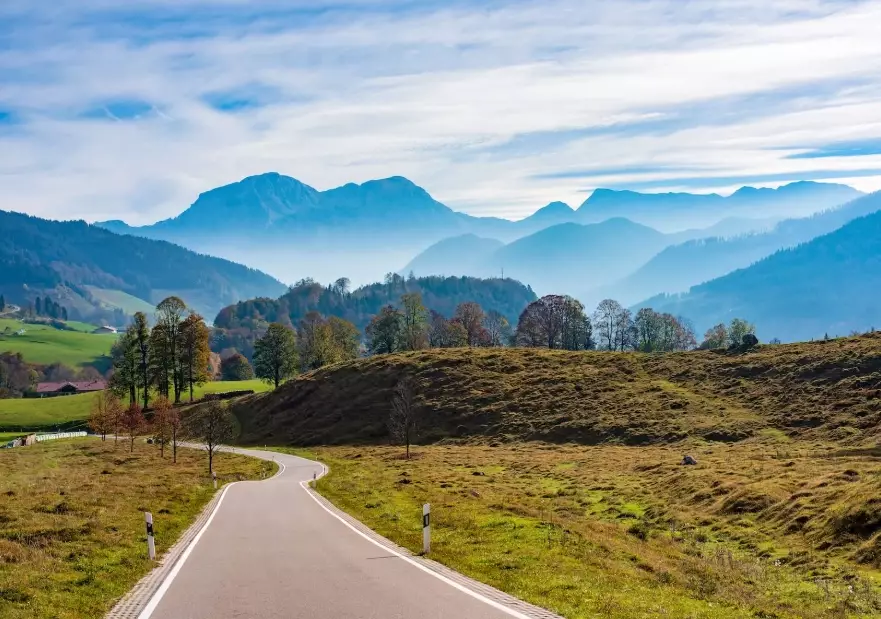
Picking Your 3-Day Germany Road Trip Route: Three Winning Options
Where you start is everything. Frankfurt Airport (FRA) is the classic hub for road trippers—it's in the center, has every rental company imaginable, and throws you right into good driving country. Munich (MUC) is another solid option. My advice? Fly into one and out of the other if you can swing it (and if the one-way rental fee doesn't make you weep). It saves backtracking.
Here are three curated routes designed specifically for a 3-day Germany road trip. I've driven variations of all of them.
The Classic: The Romantic Road (Romantische Straße) Sampler
This is the poster child for a reason. It's manageable, picturesque, and packed with highlights. For a 3-day Germany road trip itinerary, you'll need to be selective.
- Day 1: Frankfurt -> Würzburg -> Rothenburg ob der Tauber. Start in Frankfurt, pick up your car, and head straight to Würzburg (about 1h 15m). Don't miss the Residenz, a UNESCO palace. Then, drive to the walled town of Rothenburg (another hour). This is your overnight. Walk the walls, get a Schneeball (a local pastry—try one, but don't expect to love it), and be in the town square after dark. It's magic.
- Day 2: Rothenburg -> Dinkelsbühl -> Nordlingen -> Augsburg -> Füssen. A longer driving day (approx. 3.5 hours total without stops). Dinkelsbühl is like a quieter Rothenburg. Nordlingen is a town built inside a meteorite crater—climb the church tower for the view. Augsburg is a bigger city with Roman history. End in Füssen, the gateway to the castles.
- Day 3: Neuschwanstein & Hohenschwangau -> Munich. Book your Neuschwanstein Castle tickets weeks in advance online. The morning visit takes 3-4 hours. Afterward, drive to Munich (about 2 hours), drop the car, and celebrate with a beer.
Is it touristy? Yes, parts of it are. But for a first-timer's 3-day Germany road trip, it delivers iconic sights efficiently.
The Fairytale: Castles & Forests of Baden-Württemberg
Prefer something a bit greener and slightly off the main tourist track? This loop from Frankfurt is stunning.
- Day 1: Frankfurt -> Heidelberg -> Baden-Baden. Heidelberg's castle ruins and old bridge are worth a few hours. Then, drive into the Black Forest to the elegant spa town of Baden-Baden. Soak in the Friedrichsbad (it's textile-free, be warned) for the ultimate jet-lag cure.
- Day 2: Black Forest High Road (Schwarzwaldhochstraße) -> Triberg -> Freiburg. Drive the scenic B500 road. Stop at Mummelsee lake. In Triberg, see Germany's highest waterfalls and overdose on cuckoo clocks. End in the vibrant university city of Freiburg.
- Day 3: Freiburg -> Hohenzollern Castle -> Stuttgart/Frankfurt. A detour to Hohenzollern Castle is worth it—it's perched on a cloud-piercing mountain and feels more "real" than Neuschwanstein. Then, head to Stuttgart (for car culture at the Mercedes-Benz Museum) or back to Frankfurt.
"Hohenzollern Castle took my breath away. Neuschwanstein is a fantasy, but Hohenzollern feels like a fortress where history actually happened. The drive up alone is an adventure."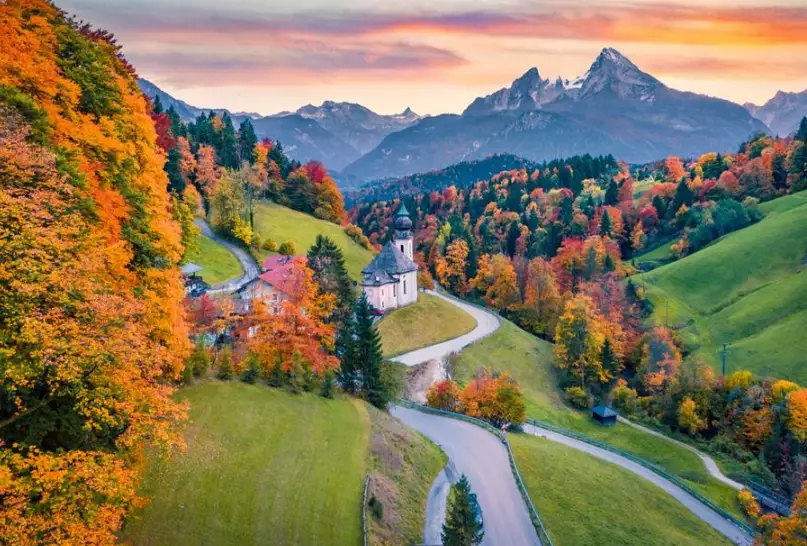
The Historic & Scenic: Moselle Valley & Rhine Gorge
Wine lovers, this is your route. Less driving, more sipping and gazing at vineyards.
- Day 1: Frankfurt -> Rüdesheim -> Cruise the Rhine -> Boppard. Drive to Rüdesheim (1h), park, and take a 1-2 hour Rhine river cruise (Köln-Düsseldorfer or similar) through the UNESCO-listed Rhine Gorge, past Lorelei Rock. Get off in St. Goar or Boppard. Overnight in Boppard, a charming town.
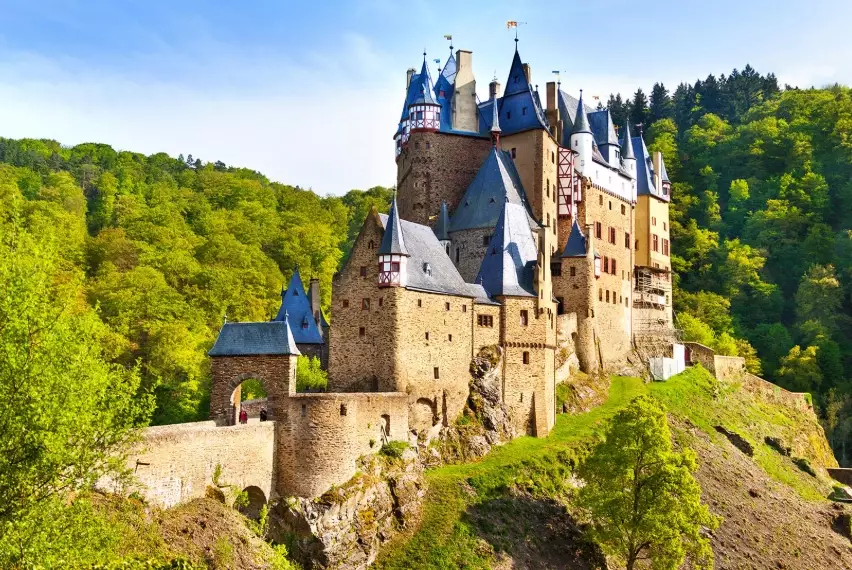
- Day 2: Boppard -> Cochem -> Burg Eltz -> Trier. Drive along the Moselle River to Cochem, with its dramatic Reichsburg Castle. Then, the highlight: Burg Eltz. You park in a lot and walk 15 minutes through a forest before it reveals itself—it's the quintessential medieval castle, never destroyed. Overnight in Trier, Germany's oldest city.
- Day 3: Explore Trier (Roman Porta Nigra, Imperial Baths) -> Luxembourg City or back to Frankfurt. Trier's Roman ruins are impressive. From here, it's a short hop to Luxembourg for a different country or a 2.5-hour drive back to Frankfurt.
This route is relaxed, incredibly scenic, and packed with history. Perfect for a slower-paced 3-day Germany road trip.
The Nitty-Gritty: Planning Your Germany Road Trip for 3 Days
Okay, you've got a route. Now for the details that make or break your trip.
Renting the Car: Do's and Don'ts
Book early, especially for automatics (they're less common and more expensive). Use comparison sites, but always book directly with the major company's German website (e.g., sixt.de, europcar.de). It often has better terms and clearer insurance info.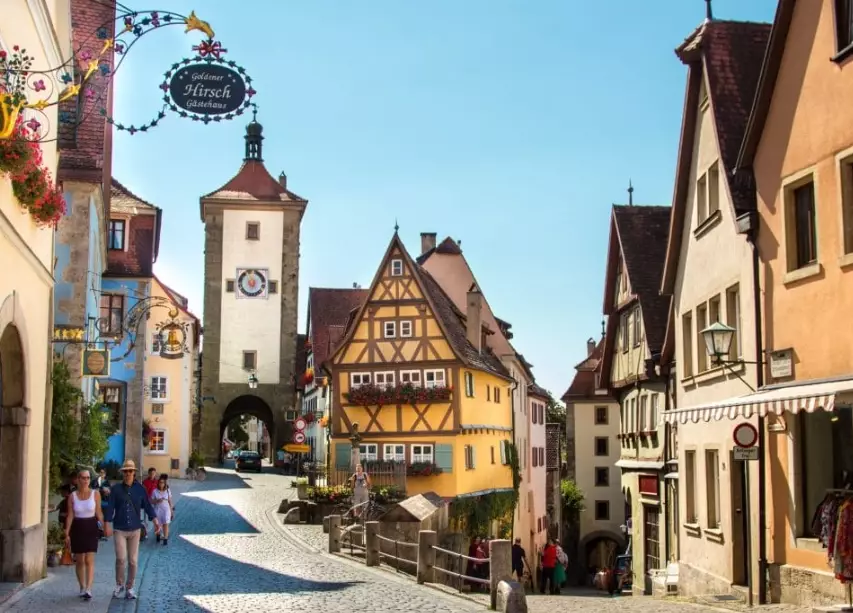
You'll need:
- A valid driver's license from your country (held for at least a year).
- An International Driving Permit (IDP) if your license is not from the EU/EEA or isn't in German or Roman script (e.g., US, Canadian licenses). Get it from AAA (in the US) or your local automobile association before you travel. Police can ask for it.
- A major credit card in the driver's name for the security hold.
Insurance: Get the full Collision Damage Waiver (CDW) with zero excess/deductible. German roads are good, but village streets are narrow, and parking scrapes happen. The peace of mind is worth it. Third-party liability is mandatory and included.
Navigation & Driving Tips
Google Maps or Waze works great with a local SIM card (buy at the airport). Download offline maps for your route as a backup. Having a paper map from the rental agency isn't a bad idea either—it helps visualize the region.
Driving in Germany is orderly but has its quirks:
- Autobahn: The right lane is for driving, the left is for passing. Never cruise in the left lane. Check your mirror constantly. On unrestricted sections, faster cars will appear out of nowhere. Signal, move right to let them pass, then move back left to pass slower traffic. It's a dance.
- Speed Limits: They exist! Especially in construction zones, near cities, and on many country roads. Watch the signs like a hawk. Cameras are common, and fines are high.
- Priority Rules: At intersections without signs, priority always goes to the vehicle coming from the right ("rechts vor links"). This is crucial in towns and villages. If you see a yellow diamond sign, you have priority on that road. If it's crossed out, you don't.
- Fuel: Gas stations on autobahns are expensive. Fill up in towns. Diesel is "Diesel," unleaded gasoline is "Benzin" (Super 95 or Super E10).
For official, up-to-date traffic rules, check the ADAC (German Automobile Club) guide to traffic regulations. It's a trusted source.
Where to Stay & Eat
For a 3-day Germany road trip, book your hotels in advance. You don't want to waste time searching after a long drive. Look for places with free parking—a lifesaver.
- Gasthofs/Pensions: Family-run inns. Often the best value, with character and a good breakfast.
- Hotels: In cities, chain hotels near the Altstadt (old town) are convenient.
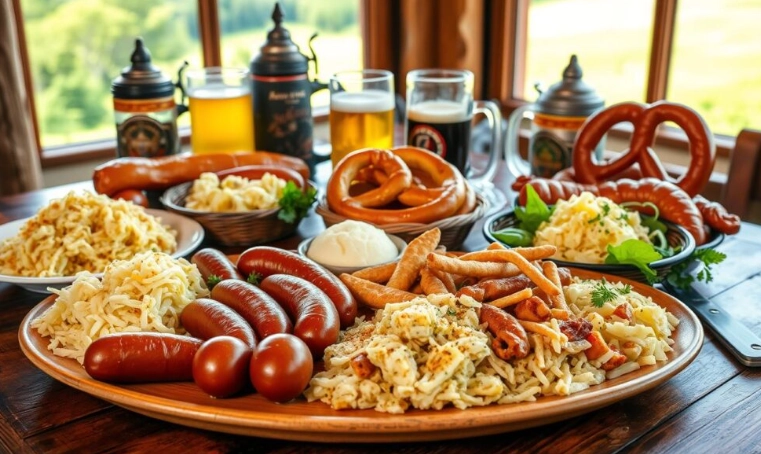
Eating? Get off the main square. Walk a block or two, and you'll find restaurants full of locals with better prices. Lunch is the time for a big, sit-down meal (many offer a "Tagesmenu" or daily special). For dinner, a simple meal at a brewery or a hearty Flammkuchen (Alsatian pizza) is perfect. Don't just eat schnitzel every day—try regional specialties like Maultaschen in the south, Spätzle, or a hearty Sauerbraten.
The All-Important Budget
| Category | Estimated Cost (EUR) | Notes |
|---|---|---|
| Rental Car (3 days, compact auto) | 180 - 300 | Varies wildly by season, pickup location, and insurance. |
| Fuel & Tolls | 80 - 150 | German autobahns are toll-free for cars, but Austria/Switzerland nearby are not. |
| Accommodation (2 nights) | 160 - 300 | €80-150 per night for a decent double room with breakfast. |
| Food & Drink (per person) | 100 - 150 | €30-50 per day for meals, coffee, beer. |
| Attractions & Parking | 50 - 100 | Castle entries (€15-20 each), museum fees, daily parking (€5-15). |
| Total (for two) | ~€570 - €1000 | A realistic range for a comfortable trip. |
See? A Germany road trip for 3 days doesn't have to break the bank if you plan smartly.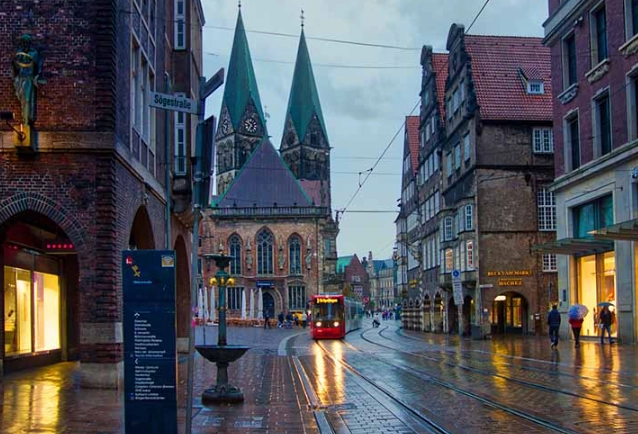
Packing & Pro Tips for a Short German Drive
Packing light is key since you'll be living out of a suitcase in the trunk.
- Essentials: EU power adapters, a portable phone charger (for navigation), a reusable water bottle, comfortable walking shoes (cobblestones are brutal), and layers—weather can change fast.
- For the Car: Keep some cash (coins and small bills) in the car for parking meters, which are still very common. A phone mount is a must for safe navigation. Sunglasses are non-negotiable.
- My Personal Must-Do: Stop at a roadside "Hofladen" (farm shop) or "Metzingerei" (butcher shop) in a village. Grab some local cheese, bread, and smoked meat for an impromptu picnic lunch. It's cheaper, tastier, and a real slice of local life. I found my favorite Landjäger (a type of dried sausage) this way.
Watch Out: Sunday driving in rural areas. Most shops, including supermarkets, are closed. Plan your snacks and fuel accordingly. Restaurants and gas stations are open, but that's about it.
Answering Your Germany Road Trip 3 Days Questions
Wrapping It Up: Making Your Short Trip Memorable
The goal of a 3-day Germany road trip isn't to tick every box. It's to have a genuine experience. Leave space for the unplanned—the castle you spot on a hill and decide to detour to, the cozy bakery you stumble upon, the quiet moment watching the sunset over the Moselle.
Pick one of the routes that speaks to you. Book your car and your first night's stay. Get that IDP. Then, go. Drive safely, follow the priority-to-the-right rule, and savor every kilometer. That short Germany road trip for 3 days might just leave you planning your next, longer one before you've even returned the keys.
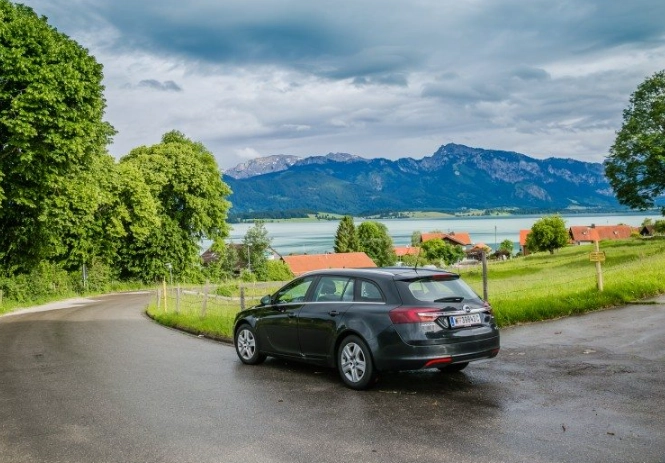
Honestly, my biggest regret on my first trip was being too rigid. On my last 3-day sprint along the Romantic Road, I skipped the interior tour of one famous castle to instead hike up to a free viewpoint. The memory of seeing it across the lake, without the crowds, was worth more than any audio guide. Sometimes the best part of the trip isn't on the itinerary at all.