Quick Navigation
Let's be real for a second. Figuring out what to eat in Berlin can feel overwhelming. You've got the classic postcard images of pretzels and sausages, but then you hear about this crazy vegan scene and Turkish markets that feel like another continent. Where do you even start? I remember my first time in the city, staring at a menu full of words I couldn't pronounce, wishing someone would just tell me what's actually good and what's just for tourists.
That's what this is. This isn't a sterile list. It's the result of eating my way across Berlin neighborhoods, having some fantastic meals, a couple of disappointing ones (we'll get to those), and talking to locals who know where the real flavor is. We're going to cut through the noise and talk about the dishes that define Berlin, where to find them, and how to navigate a food landscape that's as historically layered and fascinatingly diverse as the city itself.
So, whether you're here for a weekend or a week, let's solve the puzzle of what to eat in Berlin together.
The Non-Negotiables: Berlin's Iconic Dishes You Have to Try
You can't figure out what to eat in Berlin without tackling the classics. These are the dishes born here, the ones that tell a story. Some are simple, some are quirky, but they're all essential chapters in the Berlin food book.
Currywurst: The City's Heartbeat in a Paper Tray
This is it. The undisputed king of Berlin street food. It's so Berlin that there's a whole museum dedicated to it (the Deutsches Currywurst Museum – yes, really). At its core, it's a steamed then fried pork bratwurst, sliced into bite-sized coins, and drowned in a warm, spiced ketchup curry sauce. It's always served with a bread roll (Brötchen) or, the true Berlin way, a pile of crispy fries (Pommes).
The magic is in the sauce. Every imbiss (snack stand) has its own secret recipe, balancing sweetness, tang, and that warm curry powder kick. The classic debate: with or without skin (mit Darm or ohne Darm). I'm team *mit Darm* – the snap of the casing gives a great texture contrast to the soft, saucy interior. You'll find it absolutely everywhere, from train station kiosks to dedicated currywurst temples like Curry 36 in Kreuzberg or Konnopke's Imbiss under the U-Bahn tracks in Prenzlauer Berg. It's cheap, fast, and deeply satisfying after a long day of exploring.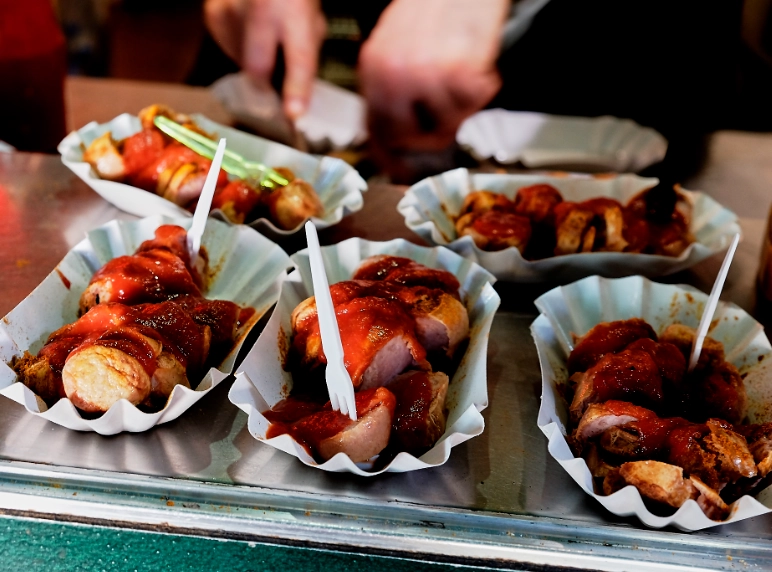
Döner Kebab: Berlin's Greatest Import
Here's a fun fact that might surprise you: The modern vertical rotisserie döner kebab as we know it was invented right here in Berlin by a Turkish immigrant in the 1970s. While it has roots in Turkey, the Berlin döner is a unique beast. Forget the greasy, late-night pita pockets you might know. A proper Berlin döner is a work of art.
We're talking freshly baked flatbread or thick pide bread, stuffed with thinly sliced meat (usually a mix of veal and lamb, or chicken) shaved from a giant rotating spit, and then crammed with crisp lettuce, shredded cabbage, onions, tomatoes, and your choice of sauces. The white sauce (Knoblauchsoße or Joghurtsoße) and the red sauce (scharfe Soße) are mandatory. The combination is messy, huge, and arguably the best-value meal in the city, often costing between €4-€6.
Mustafa's Gemüse Kebap in Mehringdamm is legendary for its veggie-focused queues, but Rüyam Gemüse Kebab in Schöneberg or Imren Grill in Neukölln are also top-tier. For the vegan crowd, the answer to "what to eat in Berlin" is increasingly a vegan döner, with places like Vöner or 1990 Vegan Living serving up incredible seitan-based versions.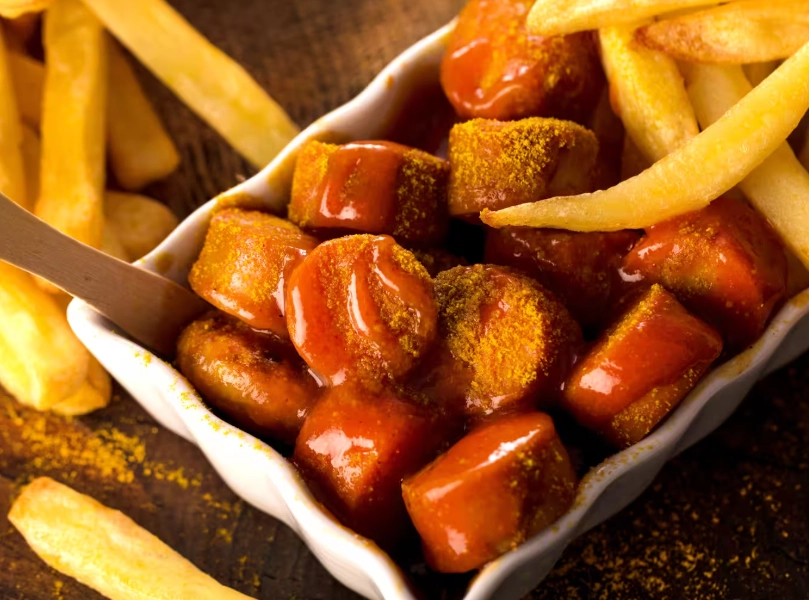
Schnitzel & Königsberger Klopse: Comfort Food Classics
Venturing into sit-down territory, you'll find dishes that feel like a hug from a German grandmother. Wiener Schnitzel (a thin, breaded, and fried veal or pork cutlet) is popular, but it's Austrian. For something more local, look for Berliner Schnitzel – which is often a simpler, breaded cutlet, sometimes served with a fried egg on top (Holsteiner Art).
The real sleeper hit is Königsberger Klopse. These are delicate, lemon-scented veal and pork meatballs simmered in a creamy white caper sauce, traditionally served with potatoes or rice. It's tangy, creamy, and surprisingly light. You'll find it in traditional German restaurants (Gasthäuser) like Max und Moritz in Kreuzberg or Zur letzten Instanz, which claims to be Berlin's oldest restaurant. It's the perfect dish for a chilly evening.
Beyond the Classics: Exploring Berlin's Food by Neighborhood
Berlin isn't a monolith. Each district (Bezirk) has its own vibe, history, and culinary specialties. Deciding what to eat in Berlin is often a question of where you are.
| Neighborhood | Food Vibe | Must-Try Experience | Local Tip |
|---|---|---|---|
| Kreuzberg & Neukölln | Ground zero for diversity. Turkish, Arabic, Vietnamese, and trendy fusion spots collide. | Eat your way through the Turkish Market at Maybachufer (Tues & Fri). Grab a döner from a family-run spot on Sonnenallee (“Döner Alley”). | Skip the brunch queues on Sundays and head to a Vietnamese bakery for a Banh Mi. |
| Prenzlauer Berg | Upscale, family-friendly, organic (Bio). Famous for its weekend farmer's markets and chic cafés. | Brunch at a sidewalk café on Kollwitzplatz. Sample artisanal cheeses and breads at the weekly market. | The „Mutti“ (mom) restaurants here do excellent, modern takes on German classics. |
| Mitte | Historic center, high-end dining, and tourist traps side-by-side. | Find a hidden courtyard (Hof) restaurant for a quiet meal. Visit the upscale food hall at Markthalle Neun (Thursdays only). | Venture just north into Gesundbrunnen for more authentic, less expensive options. |
| Friedrichshain | Alternative, young, punk-rock spirit mixed with great international eats. | Explore the raw, industrial spaces of the RAW-Gelände for street food and bars. Get a cheap and hearty bowl of Vietnamese Pho. | This is a great area for late-night eats after exploring the club scene. |
| Charlottenburg | Old-world elegance, classic German restaurants, and excellent Asian cuisine. | Indulge in a traditional afternoon coffee and cake (Kaffee und Kuchen) at a grand café. Try authentic Chinese food in the Kantstraße area. | Look for restaurants with „1900“ or „Alt-Berliner“ in the name for a classic atmosphere. |
See what I mean? Your location heavily dictates your options. Craving amazing Vietnamese? Head to the Dong Xuan Center in Lichtenberg, a huge Asian wholesale market with fantastic food stalls. Want a classic German beer hall experience? The Prater Garten in Prenzlauer Berg (Berlin's oldest beer garden) is your spot. The official visitBerlin tourism site has great neighborhood guides, but the real discoveries happen when you wander off the main drag.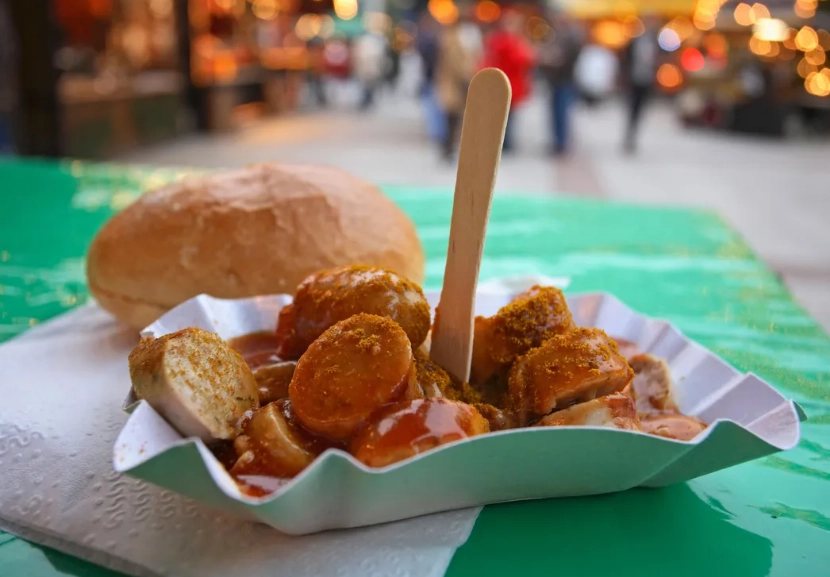
Navigating Different Dining Scenes & Budgets
Let's get practical. You're hungry now. What are your options?
The Imbiss & Street Food Scene: Quick, Cheap, and Delicious
This is Berlin's lifeblood. An „Imbiss“ is a snack stand or a tiny hole-in-the-wall serving one or two things incredibly well. Beyond currywurst and döner, look for:
- Frikadelle/Bulette: A seasoned German meat patty, often served in a roll with mustard. The ultimate savory snack.
- Pommes: Fries. But often excellent, crispy fries with a dozen sauce choices (try the „Pommes Rot-Weiß“ – with ketchup and mayo).
- Grillteller: A mixed grill plate, perfect for sharing, with various meats, fries, and salad.
Street food markets are also huge. Street Food Thursday at Markthalle Neun in Kreuzberg is an institution, showcasing the city's most creative food startups. The atmosphere is electric.
Traditional German Restaurants (Gasthaus/Kneipe)
Expect wood-paneled walls, hearty portions, and a focus on meat and potatoes. Menus feature dishes like Eisbein (boiled pork knuckle), Sauerbraten (pot roast), and the aforementioned Königsberger Klopse. It's comforting, filling, and usually paired with a good beer. Don't be shy to ask for a translation.
The Modern & International Dining Scene
Berlin is a global food city. You can find outstanding Thai, Vietnamese, Lebanese, Ethiopian, and Italian restaurants, often run by passionate chefs from those communities. The fine-dining scene is innovative, often leaning towards New German Cuisine which reinterprets local ingredients with modern techniques. For a curated list of quality restaurants, the Gault&Millau guide is a trusted resource, though I find their Berlin selections reliably good.
Budget? No problem.
Honestly, Berlin is one of the most affordable major Western European capitals for food. You can eat incredibly well without breaking the bank. A great döner is under €6. A plate of hearty German food in a neighborhood Kneipe might be €12-€18. Even higher-end meals offer better value than in Paris or London.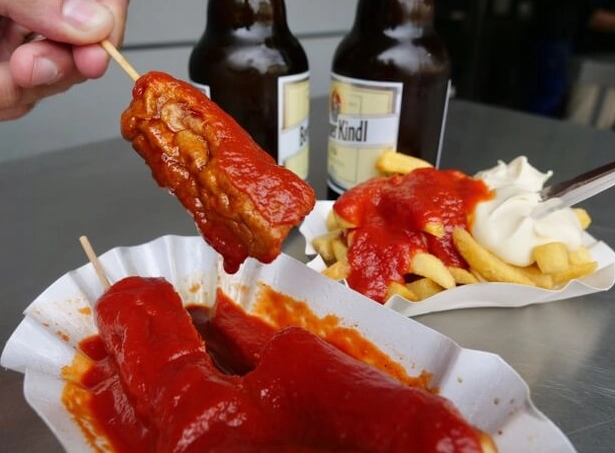
Answering Your Burning Questions (FAQ)
What's a typical Berlin breakfast or brunch?
Forget a light continental breakfast. Berlin does brunch big, especially on weekends. It's often an all-you-can-eat buffet style („Brunch-Buffet“) for a fixed price (€10-€20). You'll find a spread of breads, rolls, cheeses, cold cuts, boiled eggs, muesli, yogurt, fruit, and sometimes hot items like scrambled eggs or sausages. Cafés in Prenzlauer Berg and Kreuzberg are famous for this. For a simpler, classic start, just grab a fresh Berliner (a jam-filled doughnut – but don't call it that in Berlin!) from a bakery.
I'm vegetarian/vegan. Will I starve?
Absolutely not. Berlin is often called the vegan capital of Europe. Almost every restaurant has solid vegetarian options, and fully vegan restaurants are everywhere, serving everything from vegan döner and burgers to fine dining. The vegan currywurst is a rite of passage. Websites like Veganleben Berlin are fantastic resources.
What about drinks? What should I try?
Beer is obvious – try a local Berliner Pilsner or a malty, dark Schwarzbier. But the classic Berlin alcoholic drink is the Berliner Weiße. It's a tart, cloudy wheat beer, traditionally served in a large bowl-shaped glass with a shot of sweet syrup, either raspberry (rot) or woodruff (grün), making it a refreshing, slightly sweet summer drink. It's an acquired taste, but you have to try it once.
What's the deal with tipping?
It's simpler than you think. Service is included, but it's customary to round up the bill or leave 5-10% for good service. Just tell the server the total amount you want to pay when they bring the card machine. For a €18.50 bill, you might say „Zwanzig, bitte“ (Twenty, please).
Putting It All Together: Your Action Plan
So, your head might be spinning with all these options. Let's simplify it into a strategy.
First, embrace the street food. Start with a currywurst and a döner. They're cheap, iconic, and will give you instant Berlin credibility. Don't overthink it – just pick a busy-looking stand.
Second, pick one classic sit-down meal. Find a Gasthaus in a residential area like Charlottenburg or Prenzlauer Berg and order the Königsberger Klopse or a Schnitzel. Soak in the atmosphere.
Third, explore by neighborhood. Dedicate a meal to exploring the food of a specific district. Go to Kreuzberg for Turkish market vibes and Vietnamese food, or to Friedrichshain for a gritty, creative mix.
Finally, save room for curiosity. Try that weird-looking pastry in the bakery window. Pop into the Vietnamese place that's packed with locals. Have a Berliner Weiße on a sunny afternoon, even if it looks bright green.
Figuring out what to eat in Berlin is part of the adventure. It's a delicious way to understand this complex, vibrant, and endlessly surprising city. From a humble sausage with curry powder to a world-class vegan feast, every bite tells a story. Now go get a fork (or just your hands) and start writing your own.