Quick Navigation
- Not Just Beer: A Quick Dip into History
- The Nuts and Bolts: When, Where, and How Much
- The Heart of the Wiesn: A Guide to the Major Tents
- What You're Actually Drinking and Eating
- The Unwritten Rules: How to Wiesn Like a Local
- Beyond the Beer Tents: Rides, Games, and More
- Budgeting for Your Oktoberfest Trip
- Safety and Practical Considerations
- Answering Your Burning Questions (FAQ)
- Final Thoughts and My Take
Let's be real for a second. When you think of the Munich Oktoberfest, you probably picture overflowing beer steins, lederhosen, and a sea of people singing in a giant tent. And you're not wrong. But there's so much more to it, and a ton of stuff nobody really tells you before you go. I learned some of it the hard way on my first visit—showing up at the wrong entrance, completely bewildered by the tent system, and yes, maybe overdoing it on that first Maß. This guide is the one I wish I'd had. We're going to cut through the postcard image and get into the real, practical, and honestly incredible details of the world's biggest folk festival.
First things first, locals rarely call it "Oktoberfest." They call it "die Wiesn," named after the Theresienwiese field where it's held. That little fact already makes you sound less like a tourist. The event is a massive part of Bavarian culture, a Volksfest that's equal parts celebration, tradition, and sheer, organized chaos. It's not just a beer party; it's a cultural institution with its own rules, rhythms, and secrets.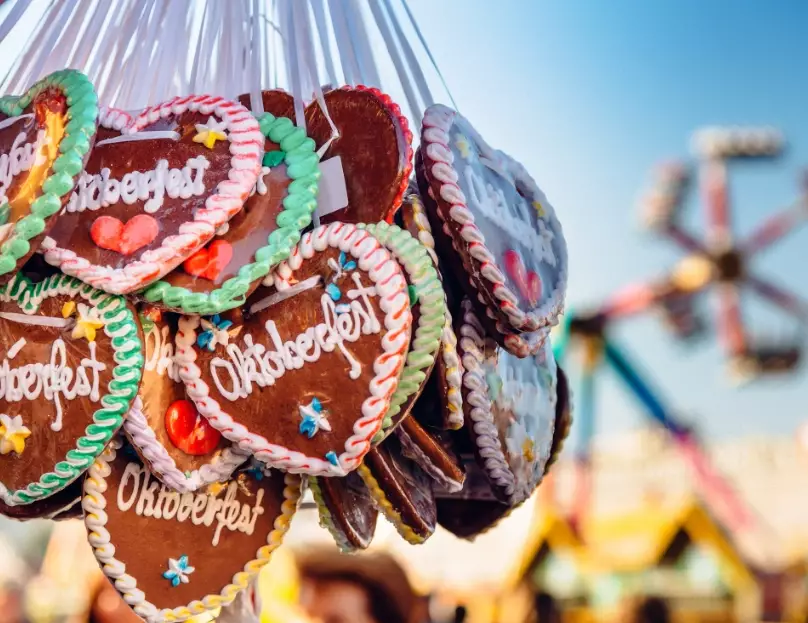
Not Just Beer: A Quick Dip into History
Why does this even exist? It all started back in 1810 with a royal wedding. Crown Prince Ludwig (later King Ludwig I) married Princess Therese of Saxe-Hildburghausen, and the citizens of Munich were invited to celebrate in the fields named after the bride—the Theresienwiese. The party was such a hit they decided to do it again the next year. And the next. Horse races were the main event initially, but over time, agricultural shows, carnival attractions, and of course, beer stands and later the grand tents we know today, took over.
It's survived wars, cholera outbreaks, and countless logistical nightmares. That history matters because it explains why it's not some corporate beer festival. It's deeply woven into the city's identity. The official website of the City of Munich has a great historical timeline if you're a history buff. You can lose an hour just reading about it on the Munich Oktoberfest official page.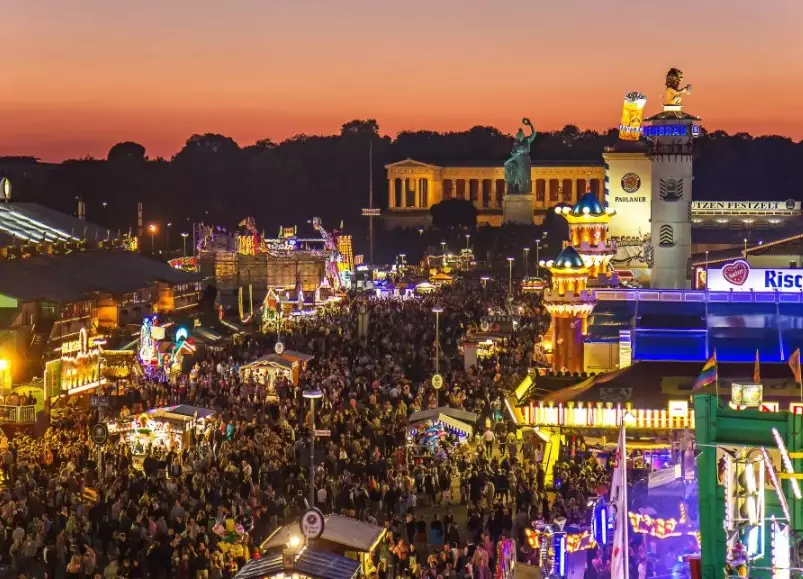
The Nuts and Bolts: When, Where, and How Much
This is the practical stuff you need to lock down first.
Dates and Timing – It's Not Actually in October
Here's the first curveball. The Munich Oktoberfest mostly happens in September, spilling over into the first weekend of October. The dates are tied to a simple rule: it ends on the first Sunday in October. If that Sunday is October 1st or 2nd, the festival runs until October 3rd (German Unity Day). So, for 2024, it's scheduled from September 21st to October 6th. Always double-check the dates on the official Oktoberfest.de website as they can shift slightly.
The opening day is a spectacle. At noon, a massive parade of brewers' carts and decorated horses arrives at the festival grounds. Then, at exactly 12:00 PM, the Mayor of Munich taps the first keg in the Schottenhamel tent, shouts "O'zapft is!" (It's tapped!), and the party officially begins. The closing ceremony is quieter, usually on the last day, with traditional gun salutes.
Want a pro tip? Avoid opening weekend if you dislike extreme crowds.
Location and Getting There
Theresienwiese ("Wiesn" for short) is right in Munich, not some far-flung field. It's a short U-Bahn (subway) ride from the main train station (Hauptbahnhof) on the U4 or U5 lines, getting off at "Theresienwiese." It's so well-connected that driving is honestly a terrible idea. Parking is a nightmare and expensive. Use public transport—it's part of the experience, packed with people in dirndls and lederhosen. The Munich public transport authority (MVV) usually offers special Wiesn tickets. Check their site for the best deals.
The Big Question: Do You Need Tickets?
This confuses everyone. Entry to the Munich Oktoberfest festival grounds is completely free. You just walk in. The cost comes from everything inside: food, drinks, rides.
However, and this is a huge however, if you want a guaranteed seat inside one of the big beer tents, especially on evenings or weekends, you need a reservation. These are tables, not individual seats, and they're booked months in advance by groups, often directly through the tent's brewery or website. For a small group or solo traveler, your best bet is to go during weekday afternoons when you can often find space at shared tables without a reservation. Standing room in the tent aisles is also an option, but it's, well, standing.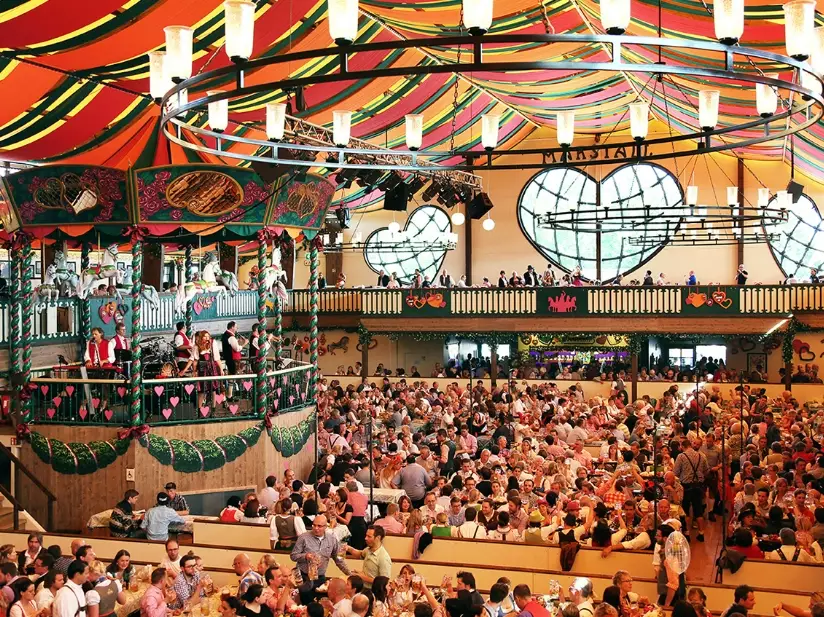
The Heart of the Wiesn: A Guide to the Major Tents
This is where the magic happens. The tents aren't really tents; they're massive temporary structures with intricate interiors, balconies, and stages for bands. Each has its own personality, clientele, and beer. Choosing the right one can make or break your experience.
Here’s a breakdown of the main players to help you decide where to aim for.
| Tent Name | Brewery & Beer | Vibe & Crowd | Key Feature / Tip |
|---|---|---|---|
| Schottenhamel | Spaten-Franziskaner | Historic, younger crowd, energetic. Where the festival opens. | Ground zero. Gets incredibly packed. Go early or on a weekday. |
| Hofbräu-Festzelt | Hofbräu München | International, loud, party-central. Famous with tourists. | Easy to find a spot if you're okay with standing. Expect lots of non-German singing. |
| Augustiner-Festhalle | Augustiner Bräu | Traditional, family-friendly, many locals. Considered the "best" beer by purists. | Beer is still served from traditional wooden barrels. Feels the most authentic. |
| Hacker-Festzelt | Hacker-Pschorr | Lively, mixed crowd. Famous for its "Himmel der Bayern" (Bavarian Heaven) painted ceiling. | Great atmosphere, good music. A solid all-rounder choice. |
| Löwenbräu-Festzelt | Löwenbräu | Rowdy, fun. Marked by a giant lion at the entrance that roars. | Good for a younger, energetic crowd. Can get very loud (in a fun way). |
| Winzerer Fähndl (Paulaner) | Paulaner | Large, spacious, with a giant rotating beer glass on the tower. | One of the largest tents. Good for bigger groups trying to find space. |
My personal favorite? Augustiner. The atmosphere just felt warmer, less like a global party and more like a local celebration. The beer tasted... cleaner, somehow. But I had a blast in Hofbräu too, singing along to songs I didn't know with people from five different countries. It's a different kind of fun.
There are also smaller tents (like the wine tent Weinzelt) and the Oide Wiesn (Old Wiesn) section, which recreates the historical festival with old-fashioned rides, games, and slightly cheaper beer. It's a fantastic escape from the main hustle.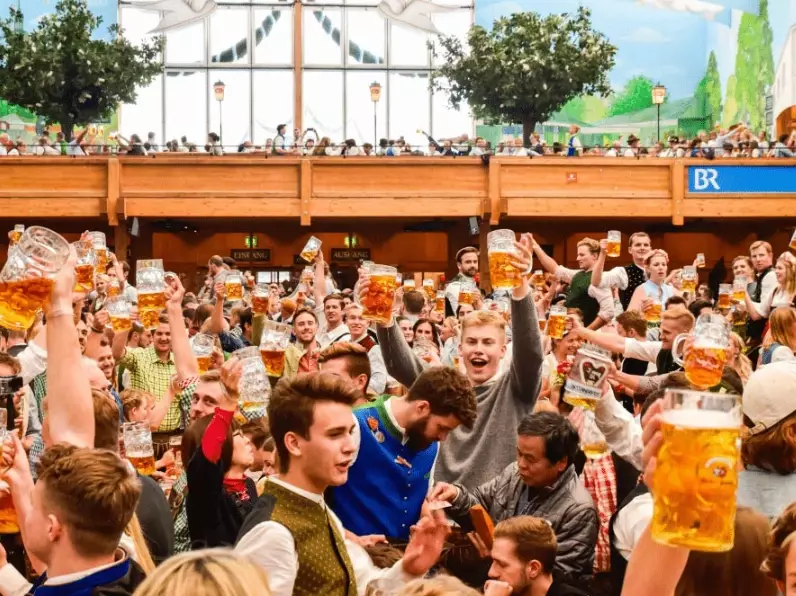
What You're Actually Drinking and Eating
The Beer: It's Not Your Average Pint
The beer at the Munich Oktoberfest is special. It's called Oktoberfestbier and it's brewed by six Munich breweries (the ones listed in the table above) under strict rules defined by the Reinheitsgebot (German Beer Purity Law) and an extra set of specifications for the festival. It's a Märzen style—amber-gold, full-bodied, malty, and stronger than regular lager, usually around 6% alcohol.
It's only served in one size: the Maß (pronounced "mass"), a one-liter stoneware or glass stein. You pay a deposit (Pfand) of around €10-15, which you get back when you return the empty stein. Don't walk off with it as a souvenir unless you're okay with losing the deposit and looking a bit tacky—they're heavy anyway!
Pace yourself. A liter is a lot, and it's strong. Order a Radler (beer mixed with lemon soda) or a Russ'n (wheat beer with soda) if you need a break.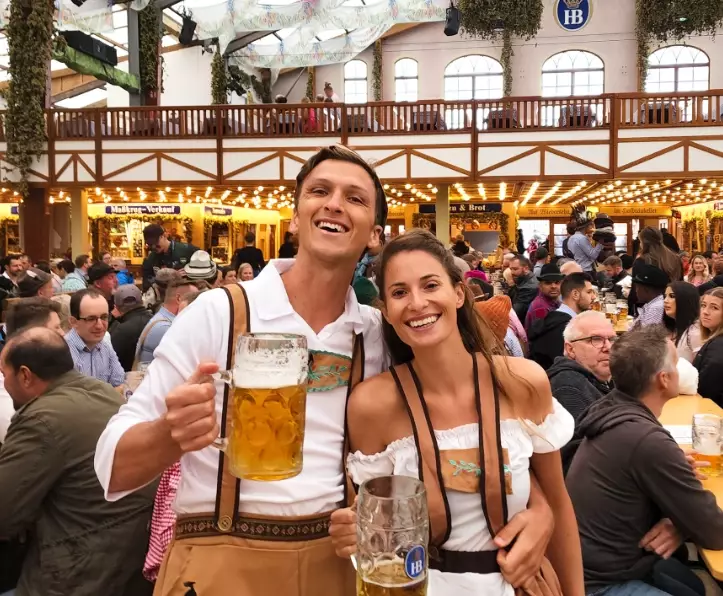
The Food: A Carnivore's Paradise
You need solid food to handle that beer. The cuisine is hearty Bavarian fare. Here’s what you absolutely must try:
- Hendl: Roast chicken. The absolute classic. Crispy skin, juicy meat. They sell over half a million of these birds every year.
- Schweinshaxe: Roasted pork knuckle. It's massive, with crispy crackling and tender meat underneath. Share it unless you have a legendary appetite.
- Schweinsbraten: Roast pork, usually served with Knödel (dumplings) and Kraut (sauerkraut or cabbage).
- Brez'n: The giant, soft pretzel. It's the perfect beer companion.
- Käsespätzle: Cheese noodles. The ultimate comfort food and a great vegetarian(ish) option.
- Obatzda: A spicy cheese-butter spread, served with the pretzel. Delicious.
The Unwritten Rules: How to Wiesn Like a Local
This is the insider knowledge. Following these makes everything smoother and more fun.
Dress Code: Do I Need Lederhosen?
No, you don't need them. But should you? If you want to get into the spirit, absolutely. About 70-80% of locals wear traditional dress. For men, it's Lederhosen (leather breeches) with a checkered shirt and wool socks. For women, it's a Dirndl, a dress with a bodice, blouse, skirt, and apron.
Here’s the secret about the dirndl: the side on which you tie the apron bow supposedly indicates your relationship status. Left (from your perspective looking down) = single. Right = taken, married, or unavailable. Back = widow. Center = virgin. Most people don't take this super seriously anymore, but it's a fun tradition. I saw a few confused guys using it as a conversation starter, with mixed results.
You can rent or buy. If you buy a cheap costume from a tourist shop, it'll be obvious. Investing in a decent one is worth it if you plan to go more than once or use it for other events.
Table Etiquette and Survival Tips
- Find a Seat, Not Just a Spot: If you see an empty spot at a table with others, ask "Ist hier noch frei?" (Is this free?). If they nod, sit down. You now "own" that spot. Don't just hover.
- Ordering: Wait for a server (Kellner or Kellnerin). They are incredibly strong and efficient. Waving cash rarely helps. Eye contact and a polite call of "Frau/Fräulein!" or "Herr Ober!" might.
- Paying: They often keep a running tab on a beer coaster. You pay when you're ready to leave or when they bring the bill. Cash is king, though cards are increasingly accepted.
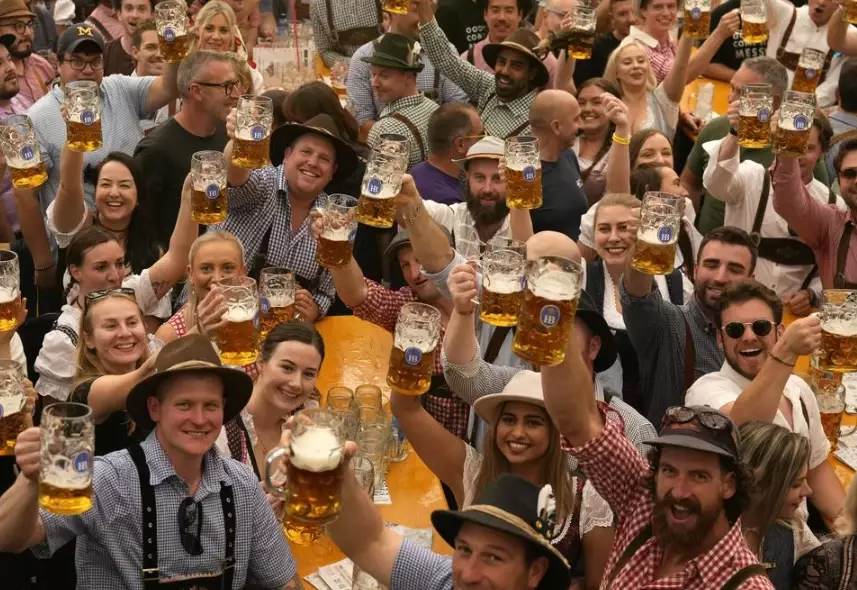
- Toasting: When you clink glasses, look people in the eye. It's an old superstition—otherwise, seven years of bad luck in bed! Say "Prost!" or "Zum Wohl!"
- Standing on Benches: During popular songs, everyone stands on the benches (not the tables!) to sway and sing. Hold onto your beer and your balance. It's a core experience.
Beyond the Beer Tents: Rides, Games, and More
The Munich Oktoberfest is also a massive funfair. There are over 80 rides and attractions. The iconic ones are the giant ferris wheel, which gives you a stunning view of the whole grounds, and the Olympia Looping, one of the world's largest traveling roller coasters with five loops. They're not cheap—a single ride can be €8-12.
There are also countless games of skill (and luck) where you can win prizes, from shooting galleries to hammer-and-bell strength tests. The atmosphere in the evening, with all the lights, is magical.
Budgeting for Your Oktoberfest Trip
Let's talk money, because it's not a cheap day out. Here’s a rough breakdown per person for a day at the Wiesn, excluding travel to Munich and accommodation.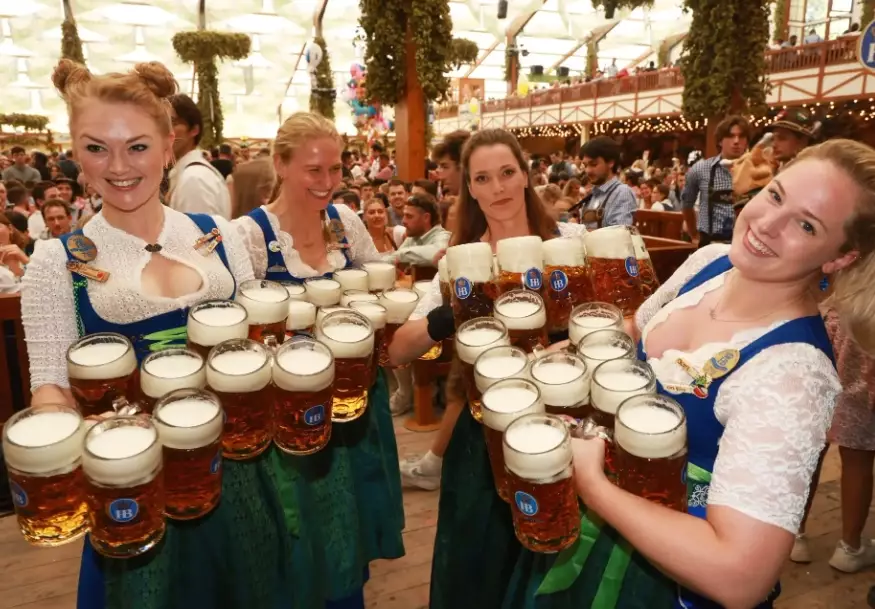
| Item | Approximate Cost (EUR) | Notes |
|---|---|---|
| One Maß of Beer | €13.50 - €15.50 | Price increases slightly each year. Includes deposit. |
| Half a Roast Chicken (Hendl) | €13 - €16 | A full one is usually €25+. |
| Giant Pretzel (Brez'n) | €5 - €7 | |
| Pork Knuckle (Haxe) | €25 - €30 | Often shared. |
| Public Transport Day Ticket | €8 - €15 | Depends on zones. A "Wiesn Ticket" may be offered. |
| Funfair Ride | €8 - €12 | Per ride. |
| Souvenir Stein (if you buy one) | €20 - €50+ | Official ones from tents are pricey. |
A realistic budget for a solid day of eating, drinking, and a ride or two is €70-€100 per person. You can do it cheaper (eat outside, fewer beers) or much, much more expensive.
Safety and Practical Considerations
The Munich Oktoberfest is generally very safe, with an extensive police and medical presence. But big crowds mean you need to be smart.
- Pickpockets: They exist. Use a money belt or a secure cross-body bag. Don't keep all your cash/cards in one place.
- Lost and Found: There is a central Fundbüro. The German Red Cross runs it, and they are miraculously good at reuniting people with lost items (phones, wallets, even lederhosen!).
- Medical Help: First aid stations (Sanitätswache) are clearly marked. The beer is strong—know your limits. They treat thousands for overindulgence.
- Family Time: Before 6:00 PM, the festival is very family-friendly. Many tents have special family sections. After 6:00 PM, the adult party vibe takes over.
Answering Your Burning Questions (FAQ)
Let's tackle some specific things people always wonder.
Can I just walk into any tent?
Yes and no. You can walk into the festival grounds and up to any tent entrance. However, security controls capacity. If a tent is full (which happens fast on weekends), they close the doors until people leave. Weekday afternoons are your best shot for easy entry.
Is it cash only?
Traditionally, yes. But more and more tents and stalls now accept EC cards (German debit) and major credit cards. However, assume you need cash, especially for small food stalls, tips, and games. ATMs are on-site but have high fees.
What should I do with my backpack or luggage?
Large bags and backpacks are not allowed inside the tents and may be refused entry to the grounds. There are paid lockers at the main train station (Hauptbahnhof). Travel light.
Is Oktoberfest worth it for solo travelers or older visitors?
Absolutely for both! Solo travelers can easily make friends at shared tables. The Oide Wiesn section or weekday afternoons offer a more relaxed pace perfect for older visitors or those not seeking a wild party. The cultural experience is for everyone.
How do I find out about table reservations for next year?
Each tent's website (usually under the brewery's website) has information. Reservations for the next year often open right after the current festival ends or in early winter. They are highly competitive. For official info on the reservation process, the city's official site is a reliable starting point that links to the tent contacts.
Final Thoughts and My Take
The Munich Oktoberfest is overwhelming, expensive, crowded, and loud. And I can't wait to go back.
It's also joyful, communal, unique, and an absolute spectacle. It's not just about drinking; it's about participating in a living tradition. You're singing next to a Munich local whose family has been coming to the same tent for generations, and a tourist from Australia experiencing it for the first time. The shared experience is powerful.
My biggest piece of advice? Don't try to do it all. Don't tent-hop trying to tick off all six breweries. Pick one or two that match your vibe, get a seat, settle in, and let the experience wash over you. Eat the chicken, sing the songs, stand on the bench (carefully!), and just be there. That's how you experience the real Wiesn.
And finally, explore Munich itself. It's a beautiful city with incredible museums, parks, and beer gardens that operate year-round. The German National Tourist Board has fantastic resources for planning the rest of your trip. The Oktoberfest is the headline act, but the city is the full, wonderful show.
See you on the benches. Prost!