旅途亮点
- First Things First: Laying the Groundwork for Your Trip
- Crafting Your Southern Germany Road Trip Itinerary: The Routes
- Beyond the Steering Wheel: What You Actually Do and See
- The Nitty-Gritty: Budget, Logistics, and Pro Tips
- Answering Your Southern Germany Road Trip Questions
- Wrapping It Up: Your Road Awaits
Let's be honest, the idea of a Southern Germany road trip pops into your head and you immediately see two things: endless fairy-tale castles and yourself cruising down the Autobahn without a speed limit. I get it, I had the same daydream. But after doing it myself—and making a few wrong turns that led to some surprisingly great discoveries—I realized there's so much more to it. It's not just about ticking off Neuschwanstein from your list (though you should). It's about the quiet vineyard roads in Baden, the eerie morning fog in the Black Forest, and the feeling of finding a tiny Gasthof for lunch that isn't in any guidebook.
This guide is what I wish I had before I went. We're going to cut through the fluff and talk about the real stuff: which routes are actually worth your time, how to not get overwhelmed by castle choices, where to find parking in those impossibly cute medieval towns, and how to enjoy the drive without stressing about the rules. Forget the generic top-10 lists. This is about building your adventure.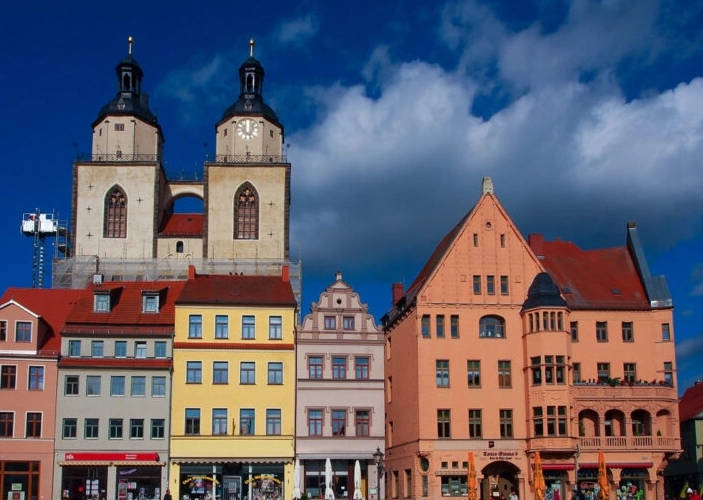
First Things First: Laying the Groundwork for Your Trip
Before you even think about which castle to visit, let's sort out the boring but crucial bits. Getting this right saves you a headache later.
When to Go and What to Expect Weather-Wise
Timing is everything. Go in peak summer (July-August) and you'll share Neuschwanstein with what feels like half the planet. The upside? Everything is open, the days are long, and the Alpine meadows are insane. Shoulder seasons—late April to June and September to October—are my personal sweet spot. Fewer crowds, pleasant driving weather, and the landscapes are changing, which is beautiful. I did a late-September trip once and had the Romantic Road almost to myself on a weekday. Winter is a different beast. Some mountain passes close, but you trade castles for Christmas markets and cozy vibes. Just check road conditions religiously.
Weather in Southern Germany can be, well, moody. You can have four seasons in one day, especially in the Alps. That bright sunshine at your Black Forest hotel can turn into a thick drizzle an hour down the road. My rule? Always, always have a layer in the car. A waterproof jacket is non-negotiable.
The Car Question: Rentals, Rules, and That Famous Autobahn
Renting a car is straightforward. Major international companies are at every airport. But here's a tip: book a car with German license plates if you can. It makes you slightly less of a target for petty theft in tourist areas (a small but real concern). Get the full insurance. The peace of mind is worth it on narrow village streets.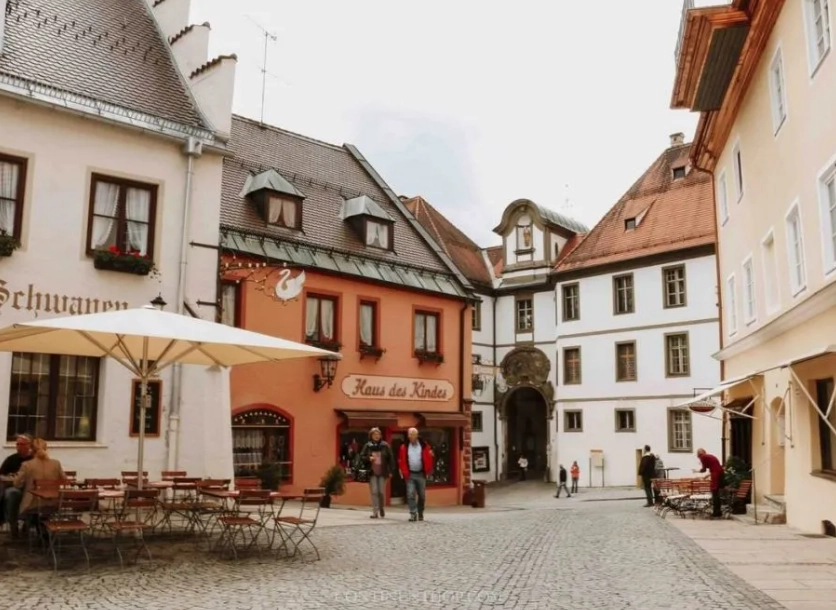
? The Autobahn Myth vs. Reality
Let's clear this up. Yes, sections of the Autobahn have no mandated speed limit. No, you shouldn't expect to blast down them at 200 km/h the whole time. Large stretches, especially near cities and construction zones, have strict limits (often 120 km/h or lower). Traffic can be heavy. And the right-lane discipline is absolute. If you're not overtaking, stay right. Undertaking (passing on the right) is illegal and seriously frowned upon. The left lane is for passing only. Period. My first time, I learned this lesson from some very expressive headlight flashing in my rearview mirror.
In towns and cities, watch for Umweltzone (Environmental Zone) signs. You'll need an emissions sticker (Umweltplakette) on your windshield to enter. Most rental cars come with one, but confirm this when you pick up the car. Fines are steep. The official info is on the German Environment Agency (Umweltbundesamt) website.
Crafting Your Southern Germany Road Trip Itinerary: The Routes
This is the fun part. Southern Germany is crisscrossed with themed tourist routes. You can't do them all, so you need to pick based on what you love. Here’s a breakdown of the heavy hitters.
| Route Name | Core Vibe & Highlights | Best For | Realistic Timeframe |
|---|---|---|---|
| Romantic Road (Romantische Straße) | The classic postcard. Medieval walled towns (Rothenburg ob der Tauber, Dinkelsbühl), Wieskirche church, ending at Neuschwanstein. | First-timers, history lovers, iconic photography. | 3-5 days (Würzburg to Füssen) |
| Black Forest High Road (Schwarzwaldhochstraße) | Dense forests, cuckoo clocks, epic vistas. Triberg Falls, Mummelsee lake, endless hiking trails. | Nature enthusiasts, hikers, families seeking outdoor time. | 2-3 days (Baden-Baden to Freudenstadt) |
| Castle Road (Burgenstraße) | Castle overdose in the best way. Heidelberg Castle, Hornberg Castle, countless ruins and fortresses. | Castle fanatics, medieval history buffs. | 4-6 days (Mannheim to Prague) |
| Alpine Road (Deutsche Alpenstraße) | Mountain grandeur. Lake Constance, Zugspitze (Germany's highest peak), Berchtesgaden National Park. | Mountain scenery, lakes, active sports (hiking, biking). | 5-7 days (Lindau to Berchtesgaden) |
My take? The Romantic Road is famous for a reason—it's stunning. But it can feel like a conveyor belt of tourists. If you do it, stay overnight in the towns. After 5 pm, the day-trippers leave, and you get the place back. For a more relaxed Southern Germany road trip, I'd mix parts of the Black Forest High Road with segments of the Alpine Road. You get forests and mountains, and it feels more varied.
Building a 10-Day Hybrid Itinerary
Here’s a sample loop starting and ending in Munich that gives you a fantastic taste without burning you out.
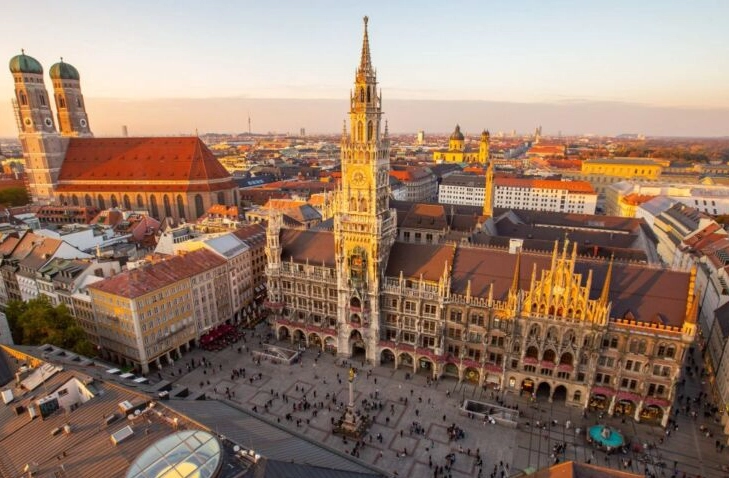
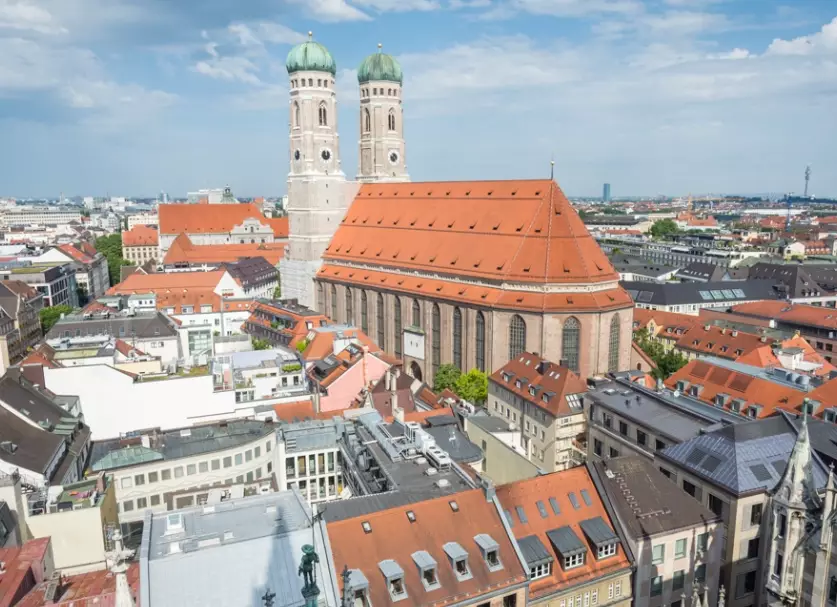
- Days 1-2: Munich & The Alpine Foothills. Pick up the car, but don't rush out. See Munich. Then drive south to Lake Starnberg or Tegernsee for a soft intro to Bavarian lakes. Overnight there.
- Days 3-4: The King and His Castles. Drive to Füssen. Visit Neuschwanstein and Hohenschwangau. Book tickets online WELL in advance via the official ticket center. It's the only way. Consider Linderhof Palace too—it's more intimate.
- Days 5-6: The Alpine Road West. Drive along the Deutsche Alpenstraße towards Oberstdorf and then to Lindau on Lake Constance. Stop for a hike or a cable car ride. The views are relentless.
- Days 7-8: Dive into the Black Forest. From Lake Constance, head north into the Black Forest. Base yourself in Triberg or Freiburg. See the waterfalls, eat Black Forest gateau, and wander Freiburg's lovely canals.
- Days 9-10: The Romantic Road & Return. Cut east to hit the tail end of the Romantic Road. Spend a night in Rothenburg ob der Tauber (walk the walls at night—magical). Then it's an easy drive back to Munich.
This mix gives you castles, Alps, forest, lakes, and a iconic town. It's a balanced Southern Germany road trip.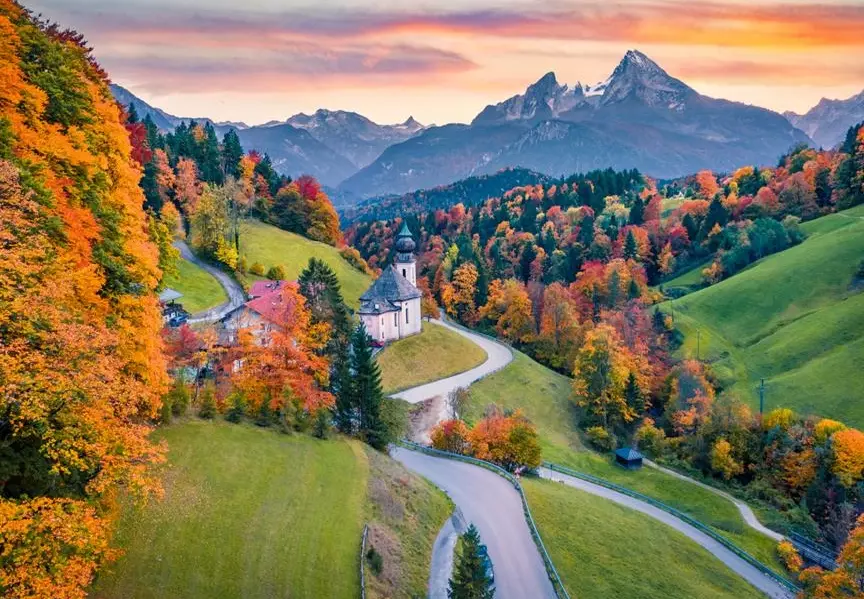
Beyond the Steering Wheel: What You Actually Do and See
Driving is the means, not the end. Here’s what to focus on when you stop.
The Castle Conundrum: Picking Your Palaces
You'll see castle signs everywhere. You can't visit them all. Here’s a quick hierarchy to help you choose:
- The Must-See (Once): Neuschwanstein. It's crowded, it's a bit of a hike, the interior tours are rushed... but it's Neuschwanstein. You have to see it. The view from Marienbrücke bridge is the money shot.
- The Underrated Gem: Linderhof Palace. King Ludwig II's smaller, finished palace. The gardens are incredible, and it feels more personal. Fewer crowds, too.
- The Ruined Beauty: Burg Hohenzollern. This hilltop fortress near Hechingen looks like it's from a fantasy movie. The drive up is an event. The interior is less impressive than the exterior, frankly, but the setting is unbeatable.
- The Lived-In One: Schloss Linderhof is one, but also consider Schloss Nymphenburg in Munich. It gives you a sense of scale for Bavarian royalty.
Towns That Steal Your Heart (And Your Camera Memory)
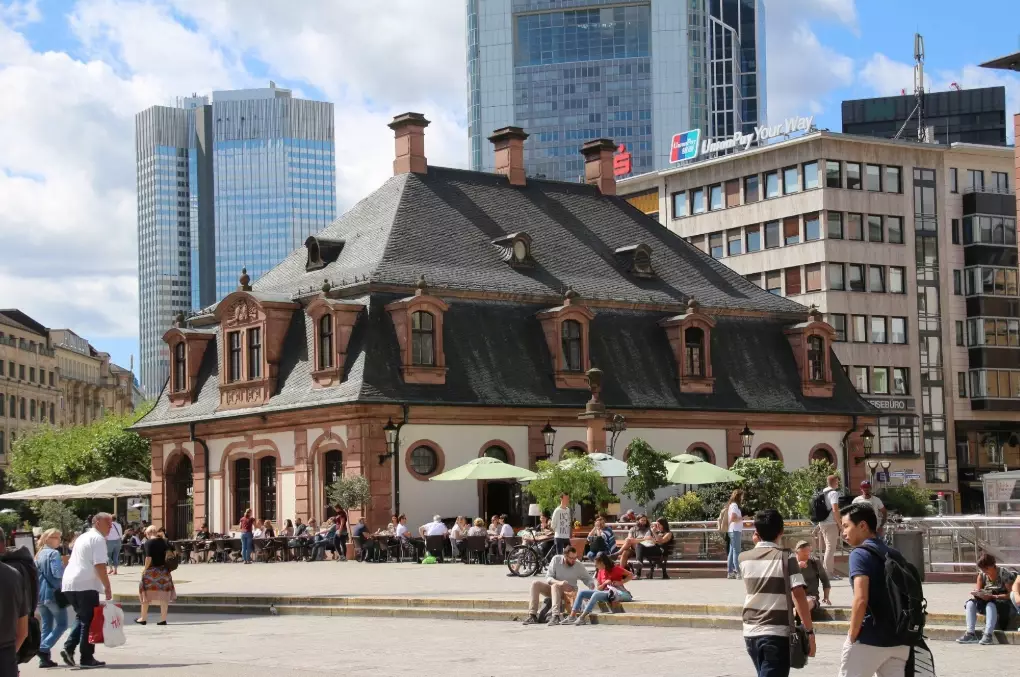
Rothenburg ob der Tauber is the poster child, and for good reason. But get there early or stay late. Dinkelsbühl, just south, is its quieter, equally beautiful sibling. In the Black Forest, Gengenbach is a hidden gem with colorful half-timbered houses that look fake they're so perfect. Freiburg has a youthful, vibrant energy with its university and sunny climate.
And then there's Bamberg. It's a bit north of the classic routes, but if you love history and unique beer (smoked beer, or Rauchbier), it's a detour worth making. The entire old town is a UNESCO World Heritage site.
Food & Drink: The Fuel for Your Journey
This is a highlight. You're not just driving; you're eating your way across regions.
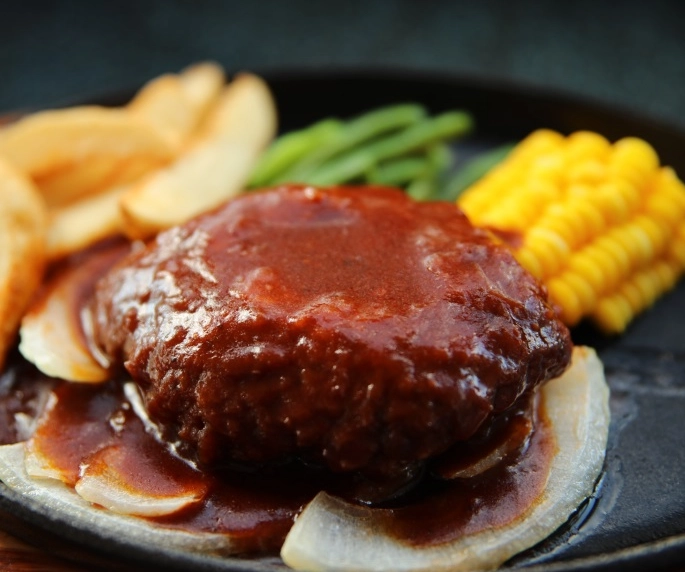
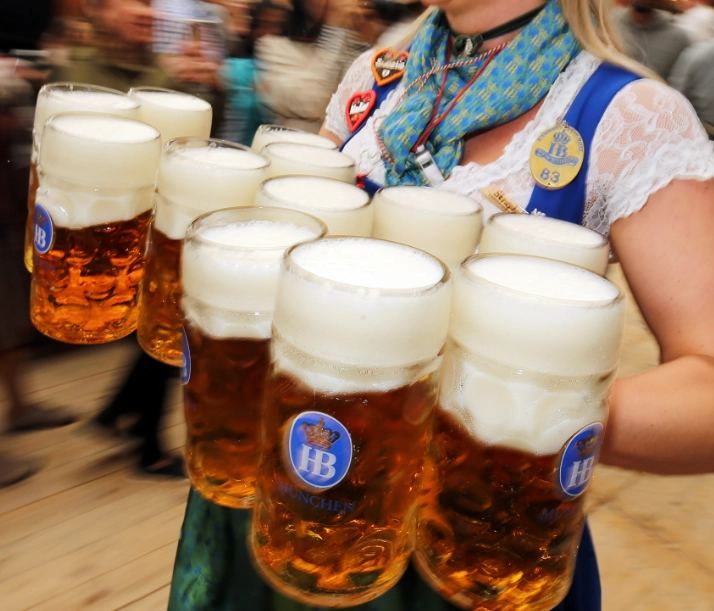
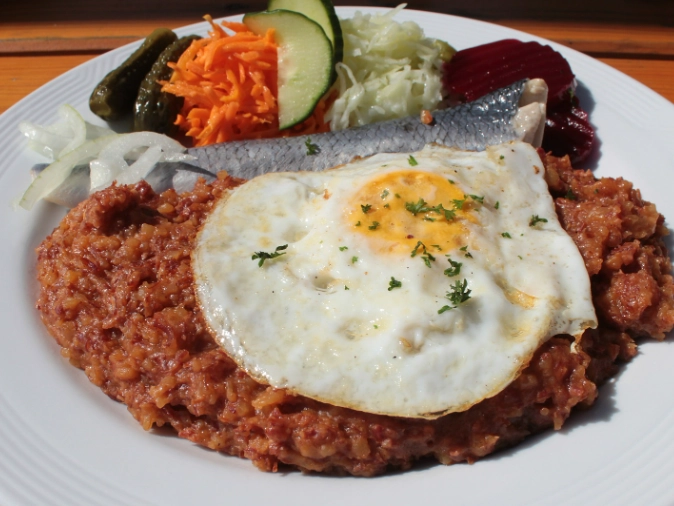
- Bavaria: Schweinshaxe (pork knuckle), Weisswurst (white sausage) with sweet mustard before noon, Brezn (pretzels), and Obatzda (cheese spread). Wash it down with a helles (light lager) or a radler (beer-lemonade mix).
- Baden-Württemberg (Black Forest area): More refined. Try Maultaschen (Swabian ravioli), Flammkuchen (thin-crust tart), and of course, Black Forest gateau (Kirschtorte). The wines from the Baden region are excellent—look for Spätburgunder (Pinot Noir).
- General Rule: Eat at Gasthöfe or Brauhäuser (brewery pubs) rather than restaurants right on the main tourist square. The food is better, the prices are lower, and the atmosphere is authentic.
I still dream about a simple plate of Käsespätzle (German mac and cheese) I had in a tiny Gasthof after a rainy hike. It cost 8 euros and was more satisfying than any fancy meal.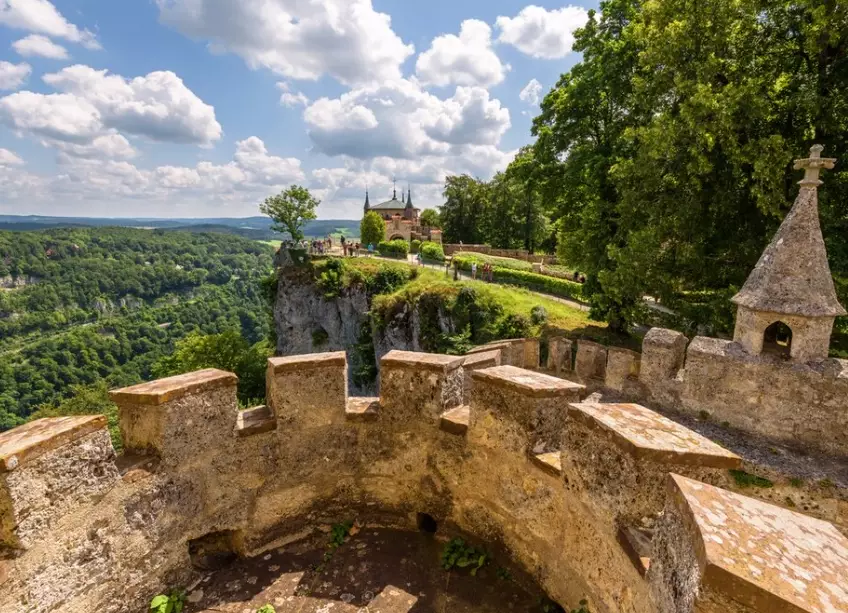
The Nitty-Gritty: Budget, Logistics, and Pro Tips
Let's talk numbers and those little details that make or break a trip.
? Sample Daily Budget (Per Person, Mid-Range)
- Car Rental + Fuel: €35 - €60 (depends on car size, diesel is cheaper, fuel prices fluctuate)
- Mid-Range Hotel/Double Room: €25 - €40 (sharing cost of a €80 room)
- Food & Drink: €30 - €50 (mix of bakery lunch, Gasthof dinner, coffee stops)
- Attractions/Parking/Tolls: €15 - €30 (castle entry adds up!)
- Total Rough Estimate: €105 - €180 per person, per day.
Parking is a real cost. In cities, use Park & Ride. In small towns, look for the central Parkhaus (parking garage)—it's often cheaper and safer than street parking.
Staying Connected and Navigating
Google Maps or Apple Maps work brilliantly 95% of the time for a Southern Germany road trip. But: always download offline maps for the regions you'll be in. Mobile reception can vanish in deep valleys and forests. A dedicated GPS from the rental company is a reliable backup, but the apps are usually more up-to-date on traffic.
Consider getting a local SIM card (from providers like Aldi Talk, Vodafone) or an EU data plan if you're coming from within Europe. Free WiFi is not as widespread as you might hope, especially in rural areas.
Booking Accommodation: Where to Stay
Hotels, guesthouses (Gasthof), and vacation apartments (Ferienwohnung) are all great. For the true experience, stay in a family-run Gasthof in a small village. You'll get local tips and a hearty breakfast. Book well ahead for summer and any town during a local festival. Websites like Booking.com are fine, but sometimes the local tourist office websites (Bayern Tourismus for Bavaria, Tourismus BW for Baden-Württemberg) have listings for smaller, family-run places you won't find elsewhere.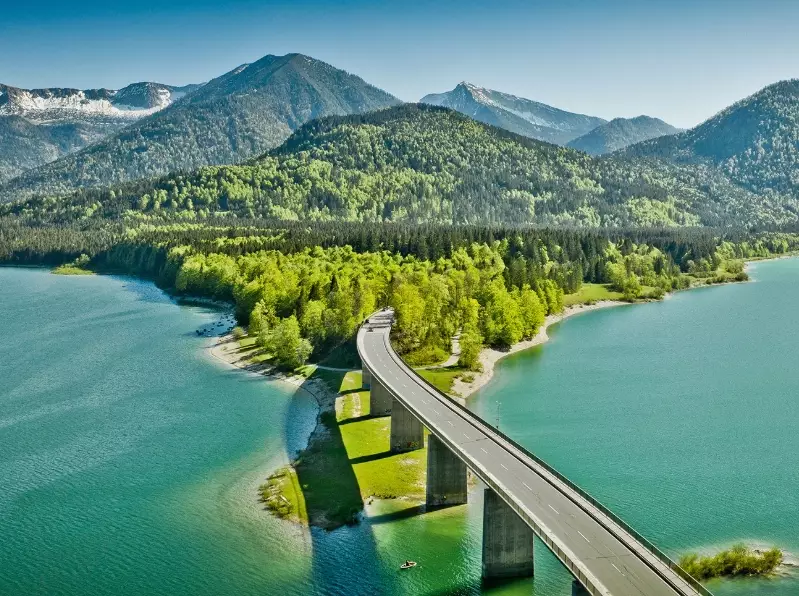
Answering Your Southern Germany Road Trip Questions
Wrapping It Up: Your Road Awaits
Planning a Southern Germany road trip can seem daunting with all the options. But remember, it's your trip. Pick the elements that sing to you—be it castles, forests, mountains, or food—and build around that. The infrastructure is fantastic, the people are helpful (even if they seem stern at first), and the scenery is consistently breathtaking.
Be prepared for the weather, respect the driving rules, book your top-choice castles early, and then... relax. Let the road guide you. Some of the best Bavarian beer gardens are found down unmarked lanes. The most memorable view might be from a random pull-off, not a famous viewpoint.
So, get that map (digital or paper), circle your dreams, and start the engine. Your own Southern Germany road trip story is ready to be written, one kilometer, one castle, and one perfect strudel at a time.