Quick Guide
Let's be honest. You've probably seen a hundred pictures of castles perched on green hills above a winding river. It looks like a fairy tale, right? Maybe a bit too perfect. You're wondering if the Upper Middle Rhine Valley is just an Instagram trap or if it's genuinely worth the trip. I wondered the same thing before my first visit. Spoiler: it's worth it, but you need to know how to do it right to avoid the coach-tour crowds and overpriced, mediocre food.
I'm not here to sell you a postcard. I've been back several times, dragged friends along, made my share of mistakes (like trying to see ten castles in one day—don't), and learned how to find the quiet moments that make this place magical. This stretch of the Rhine River, roughly from Bingen to Koblenz, isn't just pretty. It's a living history book, a premier wine region, and a hiking paradise, all rolled into one. It earned its UNESCO World Heritage status for a reason, and we're going to dive into exactly why.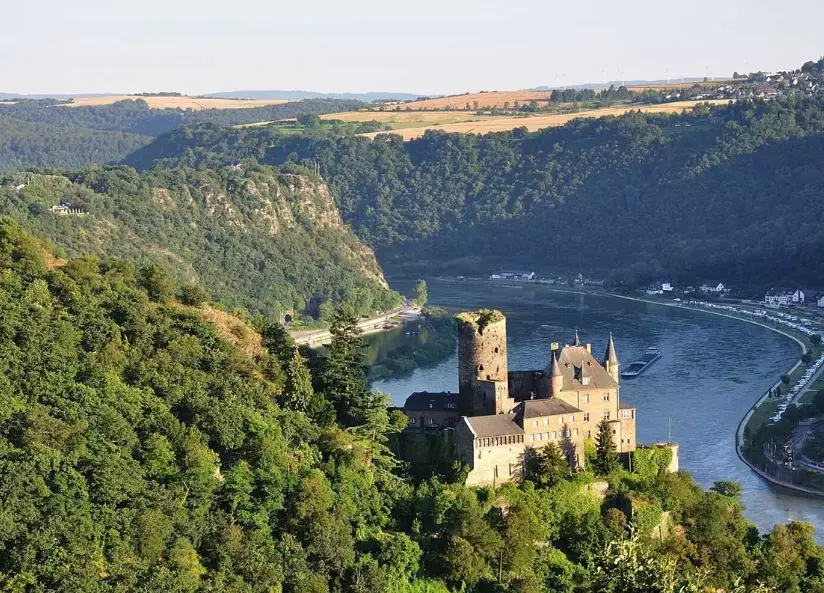
More Than Just Pretty Castles: What Makes This Place Tick?
Everyone talks about the castles. And yeah, they're the headline act. But if you only look up at the ruins and forts, you're missing half the story. The soul of the Upper Middle Rhine Valley is in the steep-slope vineyards, the tiny wine villages, and the river itself, which was the medieval equivalent of a super-highway.
The geography dictated everything. The narrow river passage meant control = power = money. Lords built castles to levy tolls on passing ships. The south-facing slate slopes, absorbing heat from the sun and the river, proved perfect for growing Riesling grapes. This created a unique economy based on wine and trade, which you can still taste and feel today. It's a landscape shaped by human ambition as much as by nature.
What's the vibe like? It varies wildly. The main towns like Rüdesheim can feel overwhelmingly touristy, with souvenir shops selling cuckoo clocks next to bars offering "free wifi." But take a five-minute walk up a side street, or hop off the boat at a smaller stop like Oberwesel, and you're in a different world—quiet cobblestone lanes, family-run Weinstuben (wine taverns), and the smell of woodsmoke and grapes.
The Must-Sees (And How to See Them Without the Madness)
You can't see it all. Seriously, don't try. The key is to pick a few highlights and experience them deeply. Here’s my breakdown, separating the iconic from the overrated.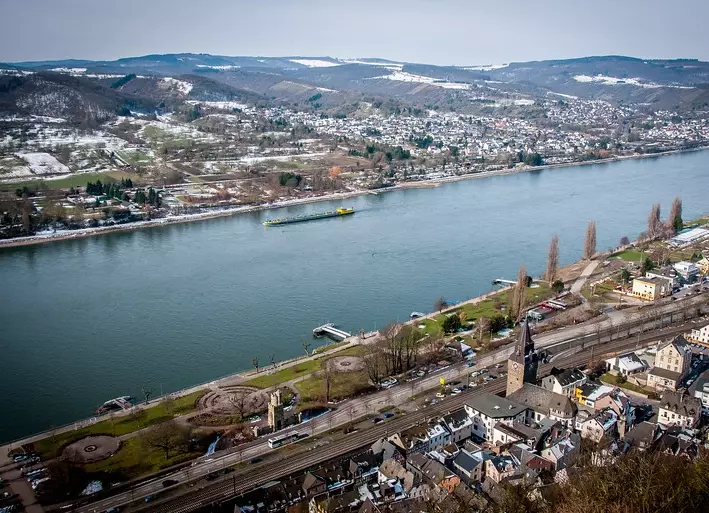
The Castle Hit List: From Iconic to Intimate
Not all castles are created equal. Some are magnificent museums, some are romantic ruins, and some are best admired from the river with a glass of wine in hand.
| Castle Name | Near Town | Vibe & Best For | My Take & Tip |
|---|---|---|---|
| Marksburg Castle | Braubach | The only never-destroyed hill castle. Authentic, medieval, museum-like. | The most "real" castle experience. Tours are mandatory and informative, but can feel a bit regimented. Book online to avoid waiting. |
| Rheinfels Castle | St. Goar | Massive fortress ruins. Exploration, great views, underground tunnels. | Fantastic for kids and anyone who loves to clamber over ruins. The view of the river bend is worth the climb alone. Allow 2+ hours. |
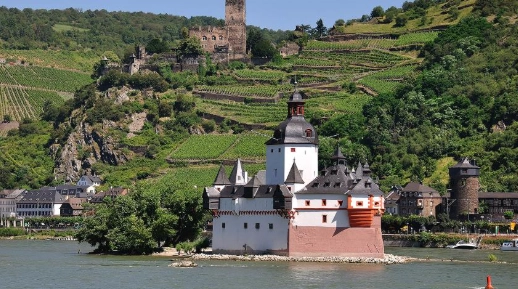
| Pfalzgrafenstein Castle (the Pfalz) | Kaub | A unique toll castle built on a rock in the river. | Incredibly picturesque from the outside. The interior visit is short and niche. I'd say view it from a boat or the shore—save your time and euros. |
| Sooneck Castle | Niederheimbach | 19th-century rebuilt castle with a cozy, residential feel. | Less crowded, beautifully furnished. Feels like a noble family's home rather than a fortress. A pleasant surprise off the main circuit. |
My personal favorite? Rheinfels. There’s something about the scale of the ruins and the freedom to wander that beats a polished museum tour. But last time I was there, part of the outer walls were under scaffolding. It happens.
The Loreley Rock: Myth vs. Reality
No article about the Upper Middle Rhine Valley is complete without mentioning the Loreley. The legend of the siren whose song lured sailors to their doom is great marketing. The reality is a large slate rock at the river's narrowest and deepest point, creating dangerous currents.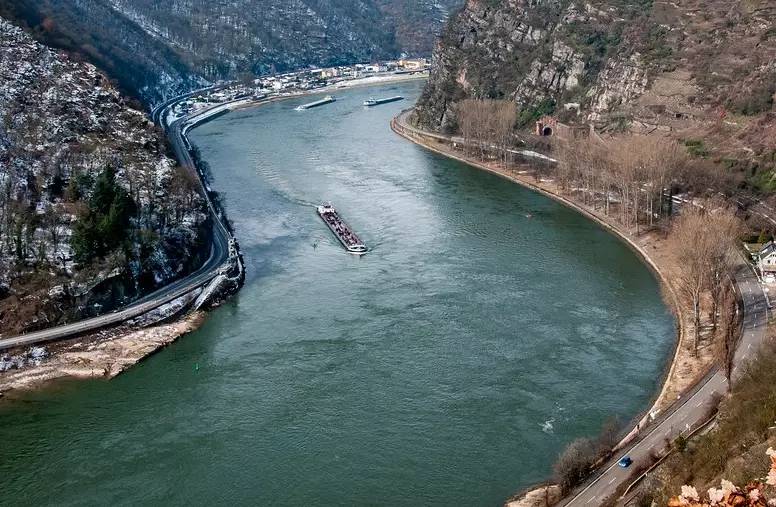
The viewing platform on top offers a stunning panorama, arguably the best in the entire valley. There's a visitor center and a modern statue of the maiden. Is it worth it? For the view, absolutely. For the myth, temper your expectations—it's a busy tourist spot. The best view of the Loreley Rock itself is actually from the river, looking up at it.
Getting Around: Boat, Train, Car, or Feet?
This is the most important logistical puzzle. Your choice defines your experience.
- KD Rhine Cruise Ships: The classic. You sit back, the castles drift by, and the commentary (in multiple languages) points out highlights. It's relaxing and gives you the perfect riverside perspective. The downside? You're passive, it can be crowded on deck, and you only get fleeting glimpses. Best for: a half-day scenic overview, or as transport between towns while enjoying the view. Check schedules on the official KD Rhine line website.
- The Train (RB10 / RE5): The local train line runs along both banks. It's fast, cheap, and efficient for hopping between towns. The view from the right-side windows (heading south from Koblenz) is fantastic. Best for: budget travelers, hikers, and those who want flexibility.
- Car: Offers maximum freedom to reach hilltop castles and remote vineyards. Parking in the small towns is a nightmare and often expensive. You'll also miss the iconic river-level views. Best for: travelers with limited mobility or those focusing on hinterland exploration.
- Hiking/Biking: The Rheinsteig and Rheinburgenweg hiking trails on the hilltops, and the flat Rhine Cycle Path, are phenomenal ways to experience the valley. You earn your views and discover hidden corners. This is how you find the real Upper Middle Rhine Valley.
My recommended combo? Take a boat one way (e.g., from St. Goar to Rüdesheim) for the full panorama, then take the train back. Or, use the train for transport and dedicate a day to a hike between two villages.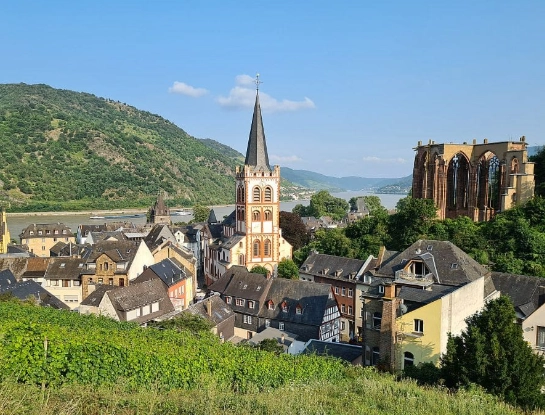
Beyond the River: Wine, Hikes, and Hidden Towns
If you just do the boat and a castle, you've skimmed the surface. The deeper magic is in the side quests.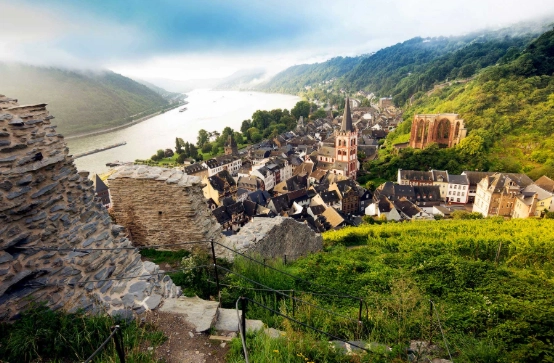
The Wine: It's All About Riesling
The steep vineyards you see aren't just for show. They produce some of Germany's most distinctive Rieslings. The slate soil (blue around Rüdesheim, red around Bacharach) gives the wine a characteristic mineral, crisp taste.
Forget the crowded tasting rooms on Rüdesheim's Drosselgasse alley. Seek out a Straußwirtschaft or Gutsschänke. These are small, seasonal taverns opened by winemakers themselves, serving their own wine and simple food. You'll find them in villages like Lorch, Kaub, or on the hillsides. The Rheingau Wine Region portal is a good starting point for reputable wineries.
What to try? A "trocken" (dry) Riesling with lunch, or a "Kabinett" (lighter, off-dry) in the afternoon. Don't be afraid to ask the winemaker to explain the differences.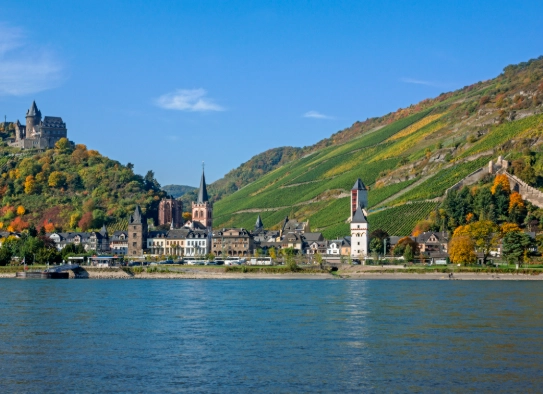
Hiking the Rheinsteig
This is my top recommendation for able-bodied visitors. The Rheinsteig trail runs along the hilltops on the right bank. You walk through forests, past vineyards, and emerge at cliff-edge viewpoints with jaw-dropping vistas of the river, castles, and towns below. It's challenging in parts (those hills are steep!) but incredibly rewarding.
A perfect first-day hike is the section from St. Goarshausen (Loreley) to Kaub. It covers varied terrain and ends at the picturesque Pfalz castle. Pack water, good shoes, and a picnic.
The Towns You Shouldn't Skip
- Bacharach: Often called the prettiest town, with intact medieval walls and half-timbered houses. Climb up to the Stahleck Castle (now a youth hostel) for the view.
- Oberwesel: Known as the "Town of Towers and Wine." More laid-back, great for a stroll on the medieval town wall.
- Kaub: Small and authentic, with the stunning Pfalzgrafenstein castle view. Feels more like a working village than a tourist hub.
- Rüdesheim: The most famous and busiest. The Drosselgasse alley is a spectacle of its own (good for people-watching with a wine). The Niederwald Monument and cable car offer great views if you escape the crowds below.
Practical Stuff: Your Trip Planning FAQ
Let's get down to the nitty-gritty questions you're actually typing into Google.
Putting It All Together: A Sample 3-Day Itinerary
Feel free to adapt this based on your energy level.
Day 1: The Classic Introduction. Start in Koblenz at the Deutsches Eck. Take a late morning KD boat south to St. Goar (about 2 hours). Have a quick lunch, then spend the afternoon exploring the massive ruins of Rheinfels Castle. Take the short ferry across to St. Goarshausen and the bus/taxi up to the Loreley visitor center for the late afternoon view. Train back to your base (e.g., Bacharach).
Day 2: Deep Dive & Hike. Morning: Explore your base town (e.g., walk the walls of Bacharach). After lunch, take the train one stop south to Niederheimbach and visit the charming Sooneck Castle. Then, pick a section of the Rheinsteig trail to hike back north towards Bacharach (check maps for routes). Evening: Find a local Weinstube for dinner.
Day 3: Castle & Wine. Morning: Take the train to Braubach (or a short taxi from the station) to tour the impressive Marksburg Castle. Afternoon: Return to a town like Oberwesel or Kaub. Instead of another castle, seek out a Straußwirtschaft for a relaxed wine tasting. Or, take a short ferry across the river and explore the quieter left bank on foot or by bike.
The magic of the Upper Middle Rhine Valley reveals itself when you slow down. It's in the quiet moment on a hiking trail, the taste of a local Riesling, and the discovery of a hidden courtyard. It's a landscape that rewards curiosity. Go beyond the postcard, and you'll find a place that's not just historic, but genuinely alive.
Just remember to pack good walking shoes. You'll need them.