Quick Guide
- Why Are There So Many Castles in Germany Anyway?
- The Must-See German Castles (And The Overrated Ones)
- Planning Your German Castle Adventure: The Nitty-Gritty
- What to Expect Inside a German Castle
- Beyond the Castle Walls: Experiences & Legends
- Your German Castles Questions, Answered
- Final Thoughts: Making It Your Own
Let's be honest. When you think of German castles, one image probably pops into your head first: that iconic, white limestone palace perched on a rugged hill, with turrets that look like they were drawn by a storybook illustrator. Neuschwanstein. It's everywhere. And look, it's stunning. But if that's all you know about German castles, you're missing out on about 20,000 other stories. Seriously, Germany has over 20,000 castle sites, ranging from crumbling ruins on forgotten hilltops to lavish palaces that are still home to royalty.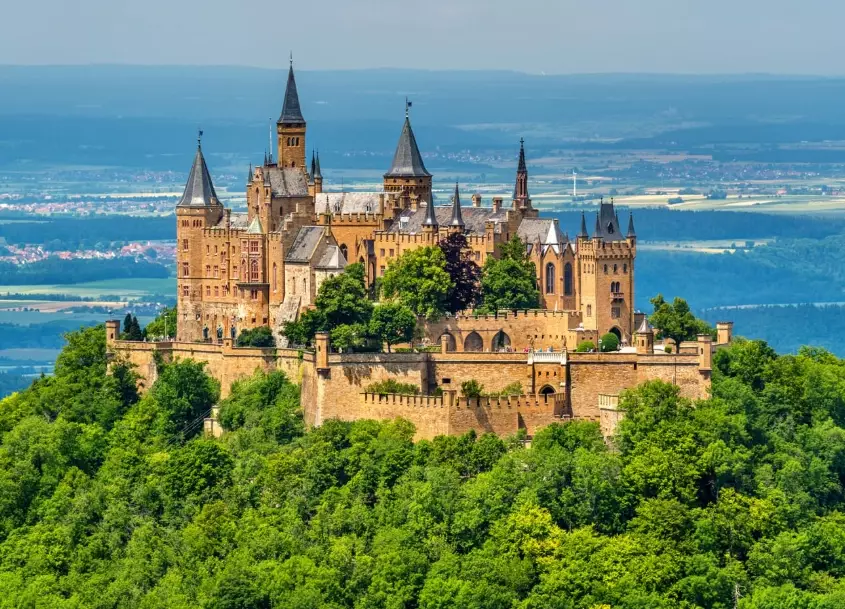
I've spent years poking around these places, from the packed tourist trails of Bavaria to the empty, windswept fortresses in the Harz mountains. I've gotten lost in their courtyards, confused by their audioguides, and yes, occasionally been a bit disappointed when the reality didn't match the postcard. But more often than not, I've been completely blown away.
This guide isn't just a list of the top 10. It's your toolkit for understanding these incredible places. Why were they built? What's it actually like to visit them today? Which ones are worth your time and money, and which might be a letdown? We'll dive into the history, the legends, the practical stuff (tickets, tours, how to avoid the worst crowds), and even answer the questions most travel blogs gloss over.
Why Are There So Many Castles in Germany Anyway?
You can't throw a stone in Germany without hitting a castle (please don't actually try this). The reason is political. For most of its history, Germany wasn't a unified country. It was a patchwork of hundreds of small states, duchies, kingdoms, and bishoprics, each ruled by a prince, duke, count, or bishop who wanted to show off his power and protect his turf.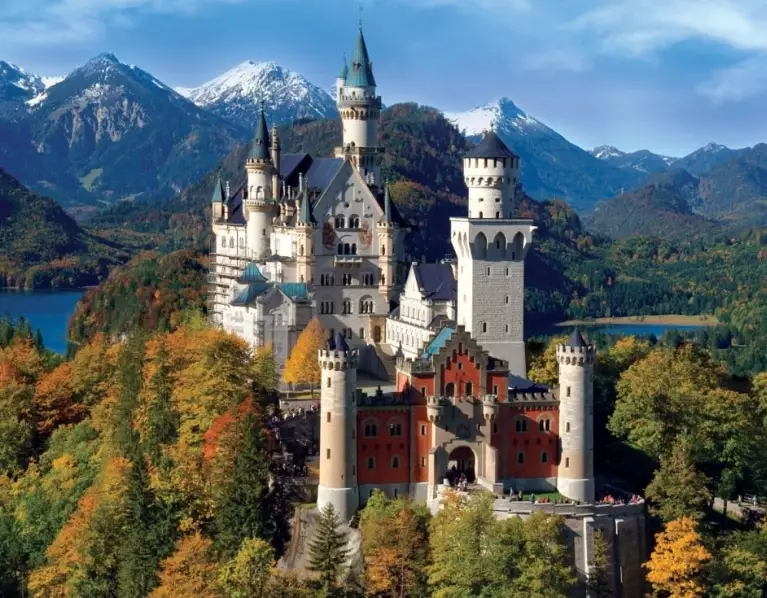
Think of it like a medieval arms race. Your neighbor builds a castle on the hill to control the trade route? Well, you'd better build a bigger, stronger one on the next hill over. They served as military strongholds, administrative centers, custom posts for collecting tolls, and of course, the lord's fancy home. The Rhine River valley, a major trade artery, is practically a necklace of castles for this very reason – every local ruler wanted a piece of the toll action.
The Thirty Years' War (1618-1648) was a disaster for many German castles. Armies swept through, laying siege and destroying countless fortifications. Many were left as ruins, which is why you see so many romantic, broken shells today. Then, in the 19th century, Romanticism hit. Kings like Ludwig II of Bavaria looked back at the Middle Ages with nostalgia and built fantastical new castles (like Neuschwanstein) that weren't for defense, but for pure, theatrical escapism.
The Must-See German Castles (And The Overrated Ones)
Alright, let's get to the practical stuff. Which German castles should be on your list? It totally depends on what you're after. Are you a hardcore history buff? A fairytale chaser? Someone who just wants a great photo and a nice beer garden with a view?
Here’s a breakdown of the heavy hitters and some personal takes.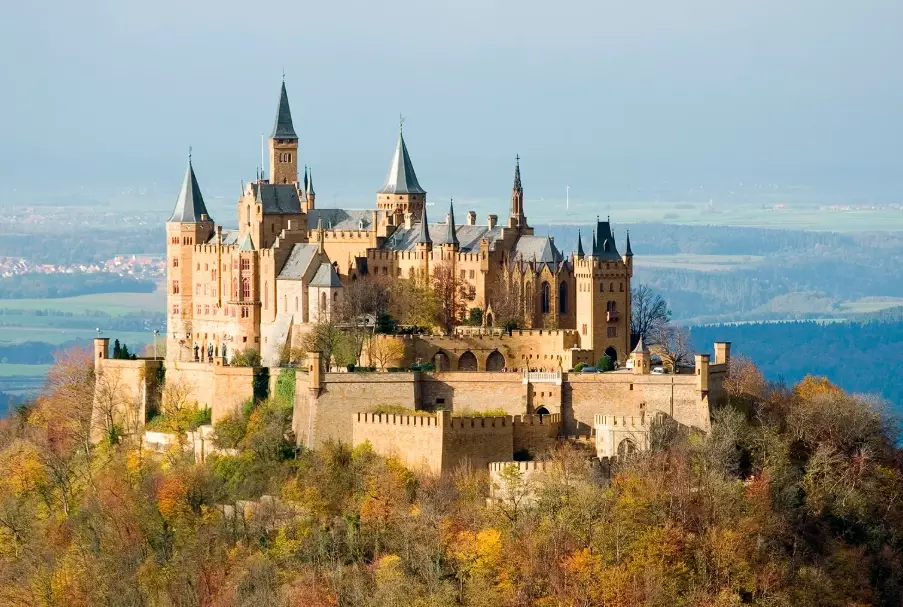
The World-Famous Icons
Schloss Neuschwanstein: You have to see it. It's the poster child for German castles for a reason. Commissioned by the "Fairytale King" Ludwig II, it's a 19th-century homage to medieval romance and Wagnerian opera. The interior is a riot of colorful murals depicting Germanic legends. But here's my honest take: the inside can feel a bit cramped and unfinished (only about 15 rooms were completed before Ludwig died). The real magic is the outside and the views. The view from Marienbrücke (Mary's Bridge) is the one you know. Go as early as humanly possible to beat the herds of tourists.
Schloss Heidelberg: This is the opposite of Neuschwanstein. It's a magnificent ruin, a red sandstone complex that was destroyed by lightning and war. Its partially crumbled state is what gives it its Romantic charm. The views over the old town and the Neckar River are unbeatable. It feels more authentic, more layered with history. They also host fantastic castle festivals in the summer. The cellar houses the world's largest wine barrel – a kitschy but fun detail.
The Underrated Gems (My Personal Favorites)
Burg Eltz (Eltz Castle): I mentioned it earlier, and I'll rave about it again. Nestled in a deep, forested valley in Rhineland-Palatinate, it looks like it hasn't changed in 500 years. Miraculously, it was never destroyed. The best part? It's still owned and occasionally inhabited by the same family that built it 33 generations ago. The tour feels personal because of that. Getting there involves a lovely hike through the woods, which keeps the crowds slightly thinner.
Wartburg Castle: This UNESCO site in Thuringia is a history powerhouse. It's where Martin Luther hid out after being excommunicated and translated the New Testament into German, shaping the modern German language. It's also a key site in the medieval Minnesang tradition. The Romanesque palace is stunning. It feels significant, weighty with history, not just pretty.
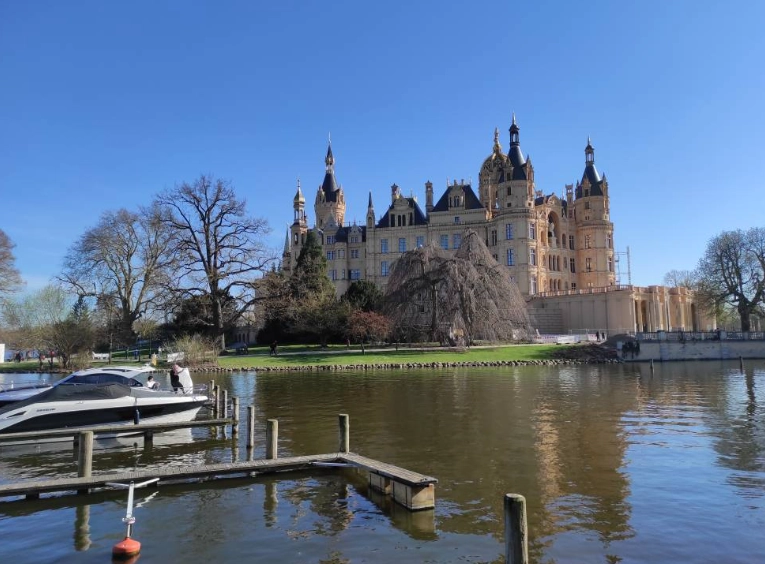
Schwerin Castle: Located on an island in a lake in northern Germany, this looks like a Loire Valley chateau got lost. It's all spires and ornamentation, and it now houses the state parliament. The gardens and setting are spectacular. It's a reminder that amazing German castles aren't just in the south.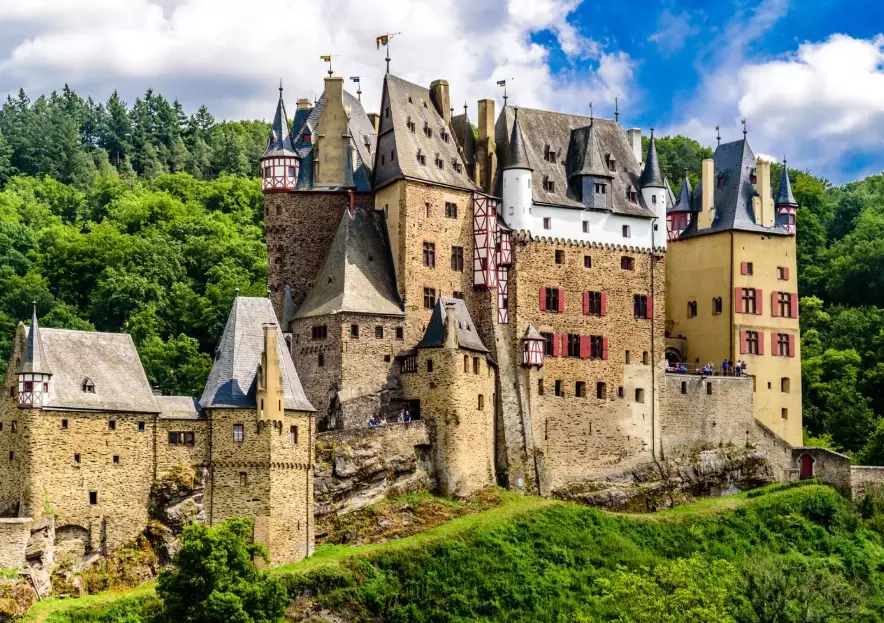
The Ones That Might Disappoint
Let's be real, not every castle is a winner. Schloss Linderhof, another of Ludwig II's creations, is exquisite but tiny and often swamped with tour buses. The grotto is weirdly amazing, though. Reichsburg Cochem on the Mosel is a 19th-century rebuild. It's very pretty on the outside, but the interior tour feels a bit like a museum of old furniture. The town of Cochem and the view from the castle are the real stars. I'd prioritize a vineyard hike over a long tour inside.
Planning Your German Castle Adventure: The Nitty-Gritty
Okay, you're inspired. Now, how do you actually do this without stress? Planning is key, especially for the big names.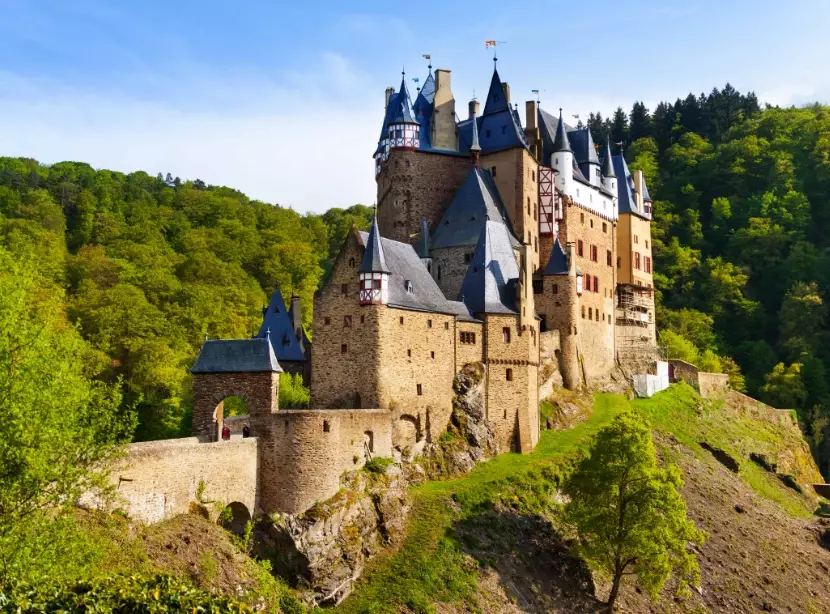
German Castle Comparison Cheat Sheet
| Castle Name | Region | Best For | Key Feature / Vibe | Booking Advice |
|---|---|---|---|---|
| Neuschwanstein | Bavaria (Füssen) | Iconic photos, fairytale architecture | 19th-century Romantic fantasy, Wagner themes | Book ONLINE months ahead for a timed slot. Visit at opening or late afternoon. |
| Hohenzollern | Baden-Württemberg | Dramatic location, royal Prussian history | Mountaintop fortress, "cloud palace" views | Advance online booking highly recommended. Check website for frequent closure days. |
| Eltz Castle (Burg Eltz) | Rhineland-Palatinate | Authentic medieval feel, family history | Original, never-destroyed hill castle in a forest | Buy tickets at arrival. The morning hike in is serene. Parking is a shuttle ride away. |
| Heidelberg Castle | Baden-Württemberg | Romantic ruins, city views, philosophy | Red sandstone ruin with a great pharmacy museum & giant wine barrel | Tickets easy to get on-site. Consider the inclinator (funicular) up. Evening illumination is special. |
| Wartburg Castle | Thuringia (Eisenach) | Protestant & German cultural history | UNESCO site where Luther translated the Bible | Guided tours in German, but excellent audio guides in English. Can be busy. |
Tickets and Tours: This is the biggest hurdle. For major castles like Neuschwanstein, Hohenzollern, or the Residenz in Munich, online pre-booking is non-negotiable. Don't show up expecting to walk in. Official websites are your best friend. For example, always check the official Neuschwanstein website for ticket info, not third-party resellers who charge huge markups.
Many castles offer two types of tours: guided only (you join a group with a live guide, often in German but sometimes with English audio supplements) or audio guide tours (you get a device and walk through at your own pace). I usually prefer the audio guide—you can go at your own speed and not lose the group if you want to stare at a tapestry for five minutes.
Getting There: Most famous German castles are well-connected by public transport, but often with a final hike or shuttle bus. Neuschwanstein is a train to Füssen, then a bus. Burg Eltz involves a train to Moselkern or Hatzenport, then a signposted hike. Renting a car gives you incredible freedom to visit remote castles and follow routes like the Romantic Road or the Castle Road (Burgenstraße). Parking is usually available but can be pricey and fill up fast.
What to Expect Inside a German Castle
So you've got your ticket, you've climbed the hill, and you're inside. What now?
First, atmosphere. Many castles are cool and dim inside, with stone floors and thick walls. The rooms can be surprisingly small by modern standards. You'll see a lot of certain things: heavy wooden furniture, enormous stoves made of painted tiles (Kachelöfen), intricate wood-paneled walls, and ceilings painted with elaborate scenes.
Common rooms you'll encounter:
- The Knights' Hall (Rittersaal): The big communal space for feasts and gatherings.
- The Chapel (Schlosskapelle): Often small and incredibly ornate.
- The Armory (Rüstkammer): Displays of suits of armor, swords, and halberds.
- The Bedroom: Often with a ridiculously short bed (people slept semi-sitting up, apparently).
- The Banquet Hall: The showstopper, with long tables, huge tapestries, and a minstrel's gallery.
Don't just look straight ahead. Look up at the ceilings. Look down at the intricate parquet floors. Peek out the windows—the views were a key part of the design, for both beauty and defense.
And the stairs. So many stairs. Wear good shoes.
Beyond the Castle Walls: Experiences & Legends
Visiting German castles isn't just about the building. It's about the stories that cling to the stones.
Many castles host medieval markets, Christmas markets (Weihnachtsmärkte), and open-air concerts. A summer evening concert at Heidelberg Castle is magical. The Margravial Opera House in Bayreuth (a UNESCO palace theatre) offers a completely different, ultra-baroque experience.
Then there are the legends. The Loreley rock on the Rhine isn't a castle, but a cliff associated with a siren-like maiden who lured sailors to their doom—a story immortalized by countless castle-top vantage points. Burg Frankenstein near Darmstadt has dubious connections to Mary Shelley's novel but leans into the monster myth for Halloween events. It's cheesy fun.
Some castles have been converted into unique hotels or youth hostels (Jugendherberge). Spending a night in a castle, like Burg Stahleck above Bacharach on the Rhine, is an unforgettable experience. You wake up to views most people only see for an hour.
Your German Castles Questions, Answered
I get asked these all the time. Let's clear things up.
- The Romantic Road (Romantische Straße): Starts in Würzburg (with its stunning Residenz palace) and ends at Neuschwanstein. Hits charming towns and several castles.
- The Rhine Valley (Middle Rhine): Between Koblenz and Bingen. This UNESCO stretch has over 40 castles and ruins. You can drive, cycle, or take a stunning cruise. The Romantischer Rhein tourism site is a fantastic resource for planning.
Both are iconic for a reason.
Final Thoughts: Making It Your Own
At the end of the day, the best German castle for you is the one that sparks your curiosity. Don't feel like you have to tick off every famous name. Maybe you'd rather spend a whole day getting lost in the labyrinth of Heidelberg's ruins than queue for 30 minutes in a crowded room in Neuschwanstein. Maybe you'd prefer finding a tiny, unnamed ruin on a hiking map and having it all to yourself.
The landscape of German castles is vast and varied. From the fairy-tale kitsch of King Ludwig's fantasies to the solemn, powerful stones of the Wartburg, they tell the story of a nation—its wars, its dreams, its art, and its endless capacity for reinvention. Do your planning, book those essential tickets, but then leave some room for the unexpected turn down a country road that leads to your own personal discovery. That's where the real adventure is.
Now, go find your castle.