Your Berlin Journey at a Glance
Let's be honest, planning a trip to Berlin can feel overwhelming. You've got the history, the art, the nightlife, the food – it's a city that refuses to be put in a box. I remember my first time stepping out of Hauptbahnhof, the central station. The sheer scale of it, the mix of old and new architecture hitting you all at once. I had a list of sights, but no real plan. I ended up spending too much time figuring out the U-Bahn and missing some incredible spots just around the corner.
This guide is the one I needed back then. We're not just ticking off the Brandenburg Gate and calling it a day. We're going to dig into what makes Berlin tick, how to navigate it without stress, where to find those moments of magic away from the crowds, and how to put together a Berlin travel itinerary that actually makes sense. Whether you're into history, art, food, or just want to feel the unique pulse of this city, we've got you covered.
When to Go and How to Get Your Bearings
First things first. Timing your Berlin travel can make a huge difference to your experience.
Late spring (May-June) and early autumn (September-October) are the sweet spots. The weather is mild, days are long, and the city's outdoor cafes and beer gardens are in full swing. Summer (July-August) can be warm and fantastic for lakes and parks, but it's also peak tourist season. Some clubs even close for a few weeks in summer – Berliners flee the city heat. Winter is cold, dark by 4 pm, but has a special mood. The Christmas markets are magical, and museums are wonderfully crowd-free. I went in February once, and while I needed a serious coat, having the Pergamon Museum almost to myself was worth the chilly fingers.
Getting Into the City and Around
Most international flights land at Berlin Brandenburg Airport (BER). Getting downtown is straightforward. The FEX express train gets you to Hauptbahnhof in about 30 minutes. There are also regional trains (RE7, RB14) and buses. Tickets are valid on all public transport. Buy one from the machines – they have English menus.
Now, Berlin's public transport (BVG) is excellent, but the network looks like a spilled bowl of spaghetti on the map. Don't panic.
For most visitors, the Berlin WelcomeCard is a fantastic investment. It gives you unlimited travel in your chosen zones (AB covers all central areas) and discounts of up to 50% at over 200 attractions. You can get it for 48 hours, 72 hours, etc. Calculate if it's worth it for you – if you're planning to hop on and off transport all day and visit a few museums, it almost always is.
Taxis and rideshares are available, but honestly, the U-Bahn is often faster for cross-city trips. And walking is the best way to discover Berlin's neighborhoods. You'll stumble upon hidden courtyards, street art, and quirky cafes you'd never see from a car.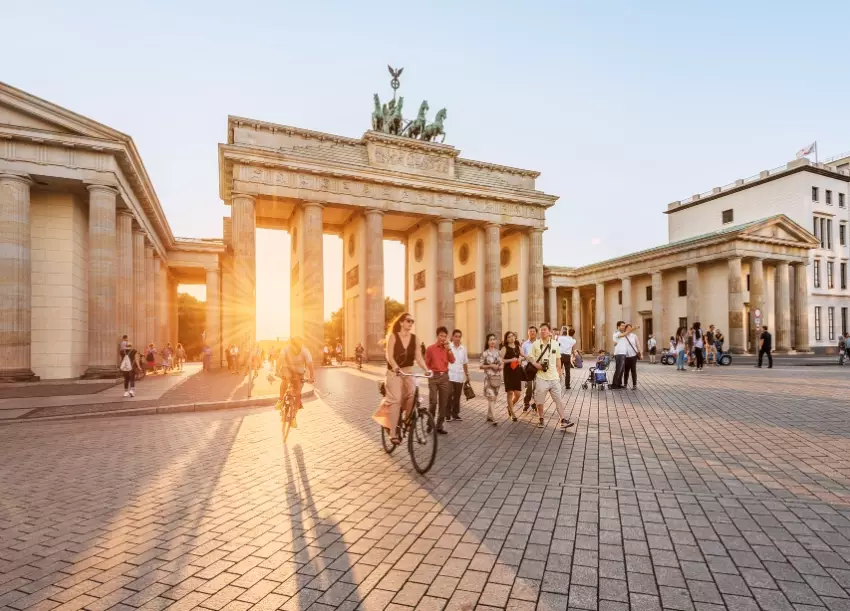
Crafting Your Perfect Berlin Travel Itinerary
Here's the thing. Berlin is sprawling. Trying to see Museum Island in the morning and then dash to Charlottenburg Palace in the afternoon is a recipe for exhaustion and sore feet. It's better to explore by area.
Here’s a sensible 4-day Berlin travel plan that balances must-sees with local flavor.
Day 1: History & The Heart of the City
Start at the Reichstag Building. You must book your free visit to the glass dome online in advance on the Bundestag's official website. The views and the audio guide explaining the city's layout are the perfect introduction. From there, walk through the Brandenburg Gate. It's always busy, but it's a necessary pinch-me moment.
Then, head to the Memorial to the Murdered Jews of Europe. Walk through the stark, wave-like field of concrete stelae. The underground information centre (Ort der Information) is harrowing but essential. Give it the time and respect it deserves.
After this heavy but important history, walk down to Potsdamer Platz to see Berlin's modern architectural face. For lunch, escape the chains and find a currywurst stand. Curry 36 or Konnopke's Imbiss (under the U-Bahn tracks at Schönhauser Allee, but they have a outpost nearby) are institutions. It's fast, cheap, and deliciously Berlin.
Book it the moment you know your dates. Slots fill up weeks ahead.
Day 2: Museums, Art, and a TV Tower
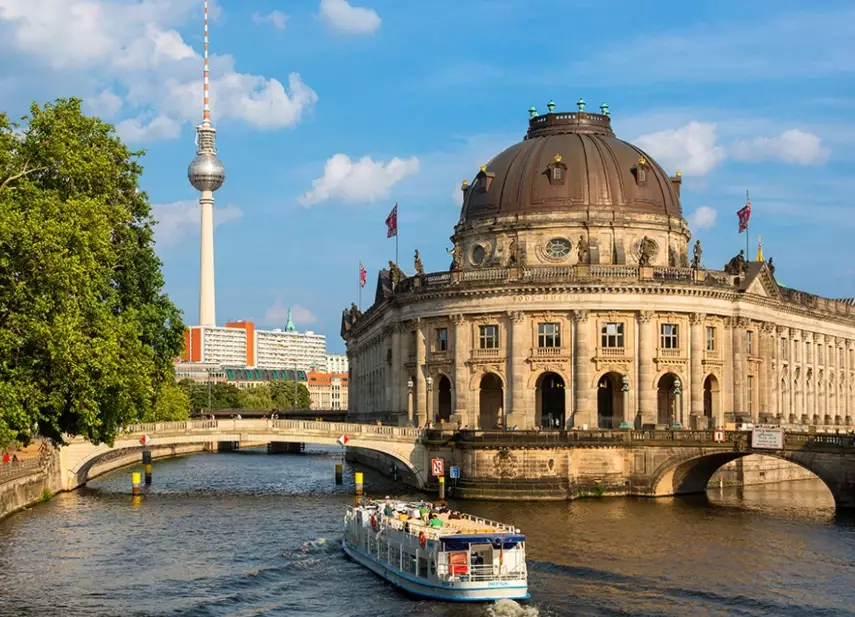
Dedicate this day to Museum Island, a UNESCO World Heritage site. You can't do all five museums in one day without burnout. Pick two.
- The Pergamonmuseum: Home to monumental reconstructions like the Pergamon Altar and Ishtar Gate. It's currently undergoing phased renovations (the main hall is closed until 2027), but the Panorama exhibition by artist Yadegar Asisi is a stunning virtual experience of ancient Babylon. Check what's open on the Staatliche Museen zu Berlin website.
- The Neues Museum: Houses the breathtakingly beautiful bust of Egyptian Queen Nefertiti.
- The Alte Nationalgalerie: For 19th-century painting and sculpture lovers.
Buy a Museum Island Day Pass if you plan to visit more than one. It's cheaper.
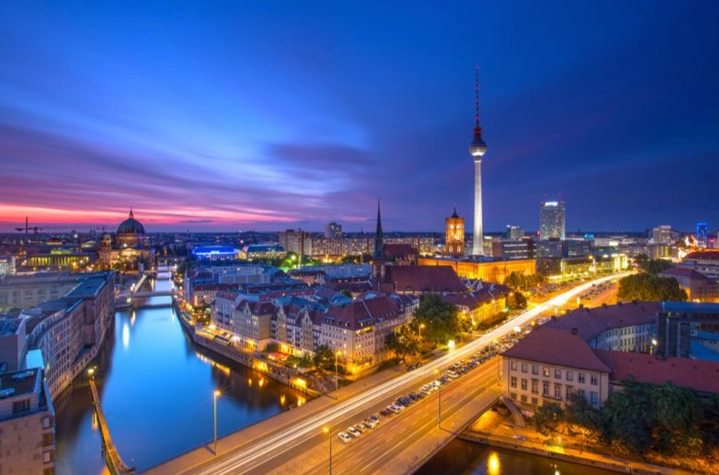
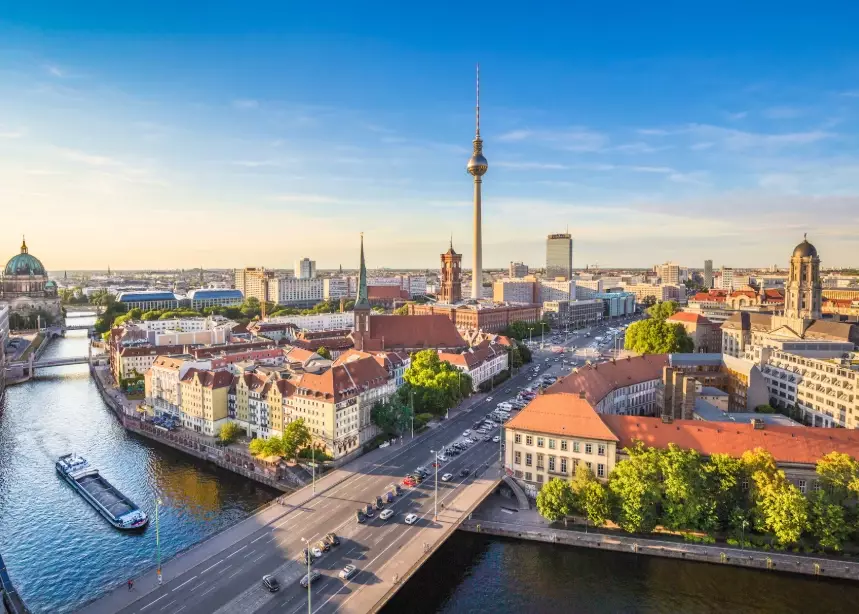
In the evening, head to Alexanderplatz. The Berlin TV Tower (Fernsehturm) offers the highest view in the city. Sunset slots are golden (literally). Book online to skip the long queues. For dinner, avoid the tourist traps right on Alex. Walk a few blocks into the side streets of Mitte or Hackescher Markt area for better options.
Day 3: Kreuzberg, Street Art, and the Wall
Time for a different vibe. Take the U-Bahn to Kottbusser Tor in Kreuzberg. This is the heart of Berlin's alternative, multicultural scene. Get a coffee and just wander. Explore the East Side Gallery – the longest remaining stretch of the Berlin Wall, now an open-air gallery with famous murals like "My God, Help Me to Survive This Deadly Love" (the fraternal kiss).
From there, cross the Oberbaumbrücke into Friedrichshain. Check out the raw energy of RAW-Gelände, a former railway yard turned into a cultural space with clubs, bars, and a flea market on weekends.
This is also the day to dive into Berlin's food scene beyond sausages. Have a Turkish lunch in Kreuzberg (it's said Berlin has the best Turkish food outside of Turkey), or grab a vegan doner kebab – a Berlin invention. For dinner, book a table at a cozy neighborhood restaurant. I'm personally fond of the little Italian places along the Landwehrkanal in Kreuzberg.
Day 4: Choose Your Own Adventure
Tailor this last day to your interests.
- For History Buffs: Visit the Topography of Terror documentation centre (free) on the site of the former Gestapo headquarters. Then, head to the Jewish Museum Berlin – an architectural masterpiece that tells two millennia of German-Jewish history.
- For Palace & Gardens Lovers: Take the S-Bahn to Charlottenburg Palace. The baroque palace and its sprawling gardens are a world away from the inner-city grit. The Schlossgarten Charlottenburg website has all the ticket info.
- For a Local Vibe & Shopping: Explore Prenzlauer Berg. Stroll around Kollwitzplatz, browse the boutiques, and relax in one of its many cafes. It's less edgy than Kreuzberg, more polished and family-friendly.
- For Nature: Rent a bike and cycle through the Tiergarten, Berlin's central park, or take a trip out to the Grunewald forest and the beach at Schlachtensee lake.
Where to Stay in Berlin: A Neighborhood Breakdown
Picking the right area is key for your Berlin travel comfort. Here’s a quick comparison.
| Neighborhood | Vibe | Best For | Consideration |
|---|---|---|---|
| Mitte | Central, tourist-friendly, historic | First-timers, short stays, proximity to major sights | Can be expensive, less "local" feeling at night |
| Kreuzberg | Alternative, lively, multicultural, great food | Nightlife, foodies, experiencing Berlin's edge | Can be noisy, not as many classic hotel chains |
| Friedrichshain | Young, party-centric, creative, near East Side Gallery | Clubbing, budget travelers, street art | Very loud on weekends, can feel hectic |
| Prenzlauer Berg | Charming, bourgeois, family-friendly, great cafes | Food & shopping, a quieter(ish) base, longer stays | Can feel a bit too polished or expensive |
| Charlottenburg | Elegant, quieter, upscale shopping (Ku'damm) | A more relaxed, classic hotel experience | Further from the main eastern sights, requires more public transport use |
My personal preference? I like staying on the border between Kreuzberg and Neukölln. You get the energy and amazing food of Kreuzberg, but can retreat to slightly quieter streets in Neukölln to sleep. The U-Bahn connection (U8) is brilliant.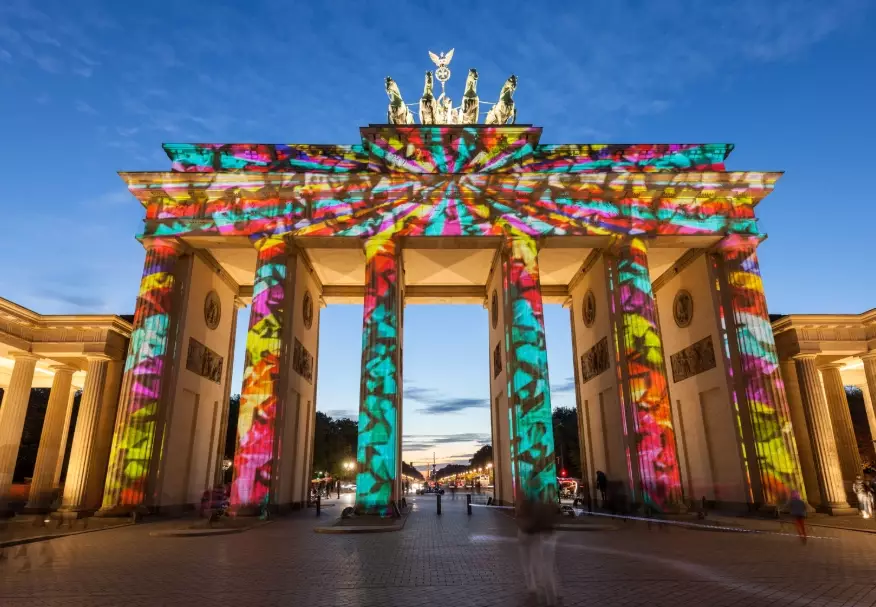
Eating & Drinking: Beyond Currywurst
Berlin's food scene is a reflection of the city itself: international, innovative, and with a no-fuss attitude.
Must-Try Classics:
- Currywurst: Steamed then fried pork sausage, sliced, and doused in a curry-ketchup sauce, sprinkled with curry powder. Served with fries or a bread roll. It's a rite of passage.
- Döner Kebab: Forget what you know. The Berlin döner is in a league of its own. Juicy, spiced meat shaved from a vertical rotisserie into fresh, fluffy bread with salad and sauces. Mustafa's Gemüse Kebap (yes, the queue is long) or any busy local spot will do.
- Berliner Pfannkuchen: A jelly-filled doughnut. Just call it a "Pfannkuchen." Calling it a "Berliner" might get you a funny look from a local.
For a Sit-Down Meal: Look for German gastropubs (Brauhäuser) for hearty fare like schnitzel or pork knuckle (Eisbein). For something more modern, Berlin is a haven for vegetarian and vegan food. You'll find dedicated vegan restaurants serving everything from fine dining to fast food. The Markthalle Neun in Kreuzberg hosts a street food Thursday that's fantastic for sampling global bites.
Drinks: Have a Berliner Pilsner or a Berliner Kindl beer. In summer, a Berliner Weiße mit Schuss (a cloudy wheat beer with a shot of woodruff or raspberry syrup) is a refreshing local curiosity. For cocktails, the bars in Prenzlauer Berg or around Weserstrasse in Neukölln are top-notch.
Navigating Berlin's Famous Nightlife
It's legendary for a reason. But it's not just about techno.
The club scene is a culture. The most famous, like Berghain, have a strict door policy. It's not about how you look, but whether you fit the vibe. Don't go in a big, loud group. Dress casually (black helps), be respectful, and don't be visibly drunk. Acceptance is never guaranteed, and that's part of the myth. If you get rejected, just go to one of the hundreds of other amazing clubs. Watergate, ://about blank, Sisyphos (more of a daytime/weekend-long affair in a former dog biscuit factory) are other iconic names.
But Berlin nightlife is also about neighborhood bars in Kreuzberg, listening to jazz in a dimly lit cellar in Charlottenburg, or having a beer by the canal in Treptow. You don't need to club to experience it.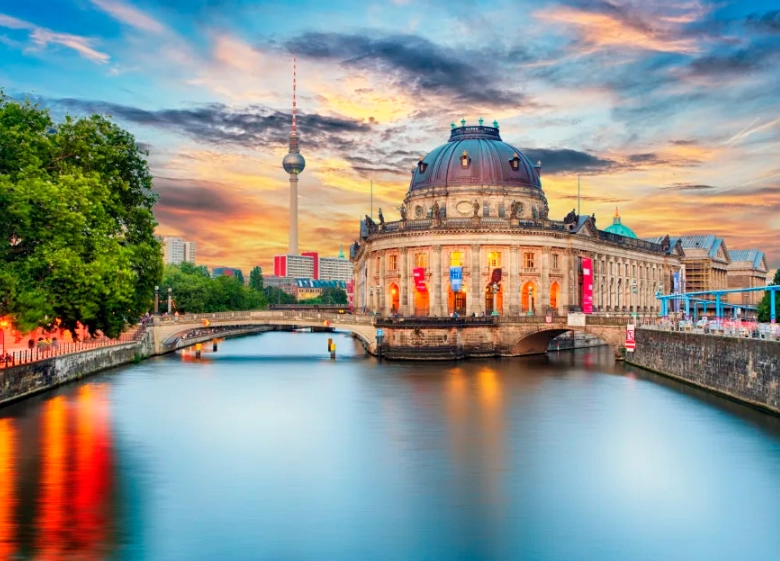
Practical Berlin Travel Tips & FAQs
Let's wrap up with the nitty-gritty stuff you actually need to know.
Money & Tipping
Germany uses the Euro (€). Cards are widely accepted, but Germany is still a cash culture in many places. Always have some cash on you, especially for smaller shops, markets, bars, and döner stands. Tipping is customary but not excessive. For good service, round up to the nearest euro or add 5-10%. Just tell the waiter the total amount you want to pay (e.g., if the bill is €18.50, say "€20" as you hand them your card or cash).
Language
You'll get by perfectly with English, especially in the service industry. But learning a few German phrases is appreciated. "Hallo," "Danke" (thank you), "Bitte" (please/you're welcome), and "Entschuldigung" (excuse me) go a long way.
Power Sockets
Type F (two round pins). Standard voltage is 230V. Don't forget an adapter.
Common Questions I Get Asked
So there you have it. A Berlin travel guide that tries to give you the map, the compass, and a little push to explore beyond the obvious. This city has a way of getting under your skin. It's complex, challenging, and utterly captivating. Go see for yourself.