Quick Guide
- What Makes the Nuremberg Christmas Market So Special Anyway?
- Planning Your Visit: The When, Where, and How Much
- A Foodie's Guide: What to Eat and Drink (And What to Skip)
- Shopping at the Christkindlesmarkt: What to Bring Home
- Beyond the Main Square: Other Markets & Hidden Gems
- Practical Survival Tips & Common Questions Answered
- Budgeting for Your Trip: A Realistic Breakdown
- Making the Most of It: Final Thoughts from a Repeat Visitor
Let's be honest, when you think of a picture-perfect German Christmas market, your mind probably jumps straight to Nuremberg. It's the one they all talk about, the one plastered all over Instagram and travel brochures. The Nuremberg Christmas market, or Christkindlesmarkt as the locals call it, feels like the blueprint for what a festive market should be. Twinkling lights, the smell of roasted almonds and mulled wine, little red-and-white striped stalls huddled together in a historic square. It's magical. But between you and me, it can also be overwhelmingly crowded, a bit confusing for a first-timer, and if you're not prepared, your dream trip might feel more stressful than festive.
I've been a few times now. The first visit was a bit of a shock – I wasn't ready for the sheer number of people. The second time, I got smarter. This guide is everything I wish I'd known before going. We're going to skip the generic fluff and dive straight into the practical stuff you actually need: when to go to actually enjoy it, what's worth your money (and what's just tourist bait), how to navigate the crowds, and those little secrets that make the experience special. Think of this as your personal, slightly opinionated, friend's advice for tackling the Christkindlesmarkt Nuremberg.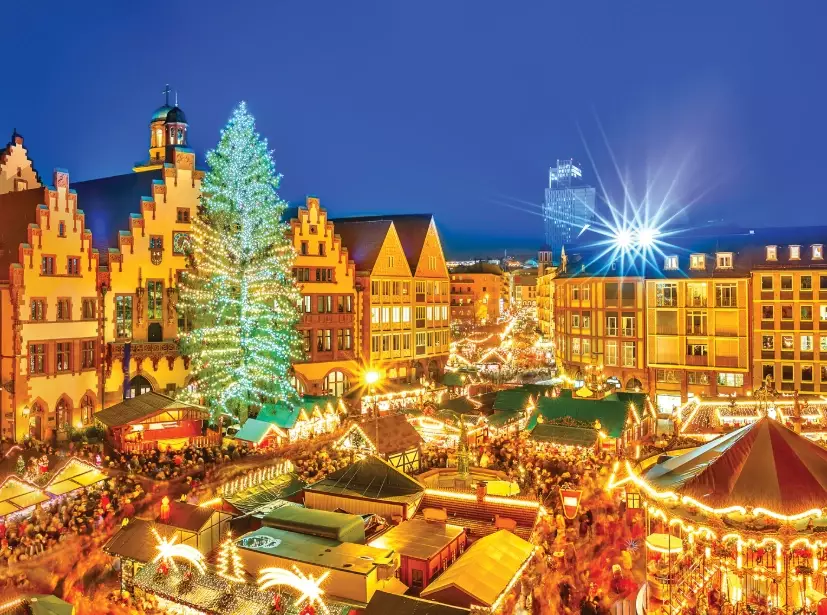
What Makes the Nuremberg Christmas Market So Special Anyway?
It's not the biggest in Germany (that's arguably Cologne), and it might not be the oldest on paper. So why the huge reputation? It's about tradition and atmosphere. The market traces its roots back to the mid-16th century, and Nuremberg guards its customs fiercely. This isn't a generic pop-up event; it feels deeply woven into the city's identity.
The opening ceremony is a perfect example. It's not just someone cutting a ribbon. The Christkind, a symbolic Christmas figure depicted as a golden-haired angelic youth, recites a solemn prologue from the balcony of the Church of Our Lady to officially open the Nuremberg Christmas market. It's a moment that hushes the crowd and gives you chills. Then there are the strict rules for stallholders. Everything sold must be handcrafted, often following designs that haven't changed in decades. You won't find cheap, imported plastic trinkets here. This commitment to quality and tradition is palpable as you walk around, and it's the main reason the market has maintained its unique charm despite millions of visitors.
It's also the setting. The Hauptmarkt, the main square, is framed by the beautiful Frauenkirche and the imposing sight of the Imperial Castle on the hill. When the lights come on as dusk falls, and the castle is illuminated in the distance, it's a view that genuinely lives up to the postcards.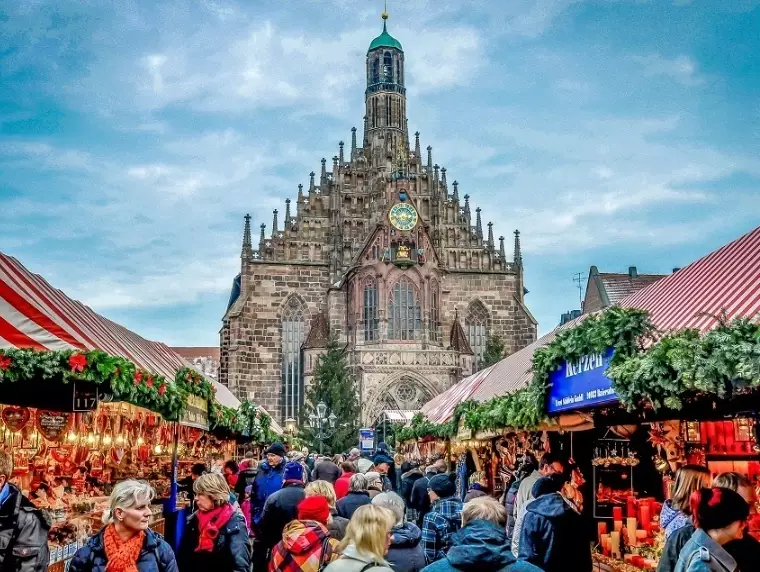
Planning Your Visit: The When, Where, and How Much
This is where most people mess up. They see the dates and think, "Great, I'll go on a Saturday in mid-December." Bad idea. Let's break this down.
Dates and Opening Times
The market traditionally opens on the Friday before the first Advent Sunday and runs until December 24th, Christmas Eve. It's closed on the 25th and 26th. The opening hours are usually from 10:00 AM to 9:00 PM, with the 24th being a shorter day (often closing around 2:00 PM). You can always confirm the exact current year's dates on the official Christkindlesmarkt website.
Weekends & First Week: Pure chaos. Shoulder-to-shoulder shuffling. Avoid if you value personal space.
Weekdays in Early December (before the 10th): The sweet spot. Still festive, but you can breathe and browse.
Weekdays after the 10th: Getting very busy, but manageable, especially in the mornings.
Last few days before the 24th: A strange mix of frantic last-minute shoppers and a unique, quieting atmosphere on the 24th itself.
Getting There and Getting Around
Nuremberg is very well-connected. You can fly into Nuremberg Airport (NUE) or take a high-speed train (ICE) from major German cities like Munich, Frankfurt, or Berlin. The train station (Hauptbahnhof) is a central hub.
Once in the city, the market is easily walkable from the main station (about a 15-minute stroll). Nuremberg also has an excellent, simple tram and subway (U-Bahn) system. The key stops for the market are "Lorenzkirche" or "Hauptmarkt." I'd recommend buying a day ticket for the public transport network if you plan on moving around – it's cost-effective and less hassle than single tickets. The VGN website is the authority for all public transport planning and tickets.
Driving? Don't. Just don't. Parking in the city center is expensive and scarce during the market period. If you must, look for Park & Ride facilities on the outskirts and take the U-Bahn in.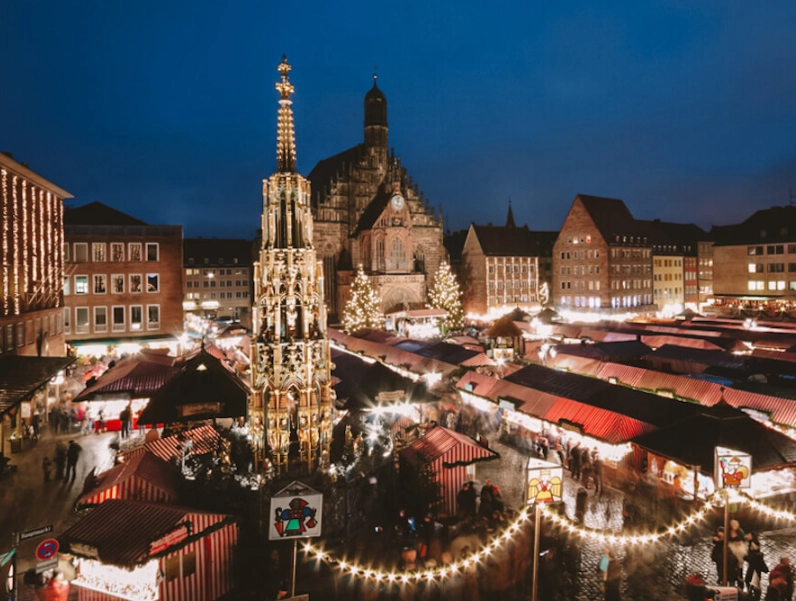
Tickets and Admission Cost
Here's some great news: entering the Nuremberg Christmas market itself is completely free. There is no admission fee to walk around the Hauptmarkt and enjoy the atmosphere. Your budget will be spent on food, drinks, souvenirs, and rides (if you have kids).
A Foodie's Guide: What to Eat and Drink (And What to Skip)
This is half the reason you go, right? The smells are intoxicating. But not everything is created equal.
| Must-Try Food & Drink | What It Is | Approx. Price & Insider Tip |
|---|---|---|
| Drei im Weggla | The iconic "Three in a Bun." Tiny, spiced Nuremberg grilled sausages, served three in a fresh bread roll. This is the signature snack. | ~€4-5. Get mustard on the side. It's the classic for a reason. |
| Glühwein | Mulled wine. The ultimate warmer. Served in a collectible mug with a yearly design. | ~€4-5 + €3-4 mug deposit. You keep the mug as a souvenir or return it for your deposit. |
| Lebkuchen | Nuremberg's famous gingerbread. Soft, cake-like, often iced or covered in chocolate or nuts. | Varies. Buy from a dedicated Lebkuchen stall, not a general souvenir shop, for the best quality. |
| Schnee-Ballen | "Snowballs." Sweet pastry dough strips, deep-fried and coated in powdered sugar, cinnamon, or chocolate. | ~€3-4. They're huge and very shareable. Can be a bit dry, so good with coffee. |
| Feuerzangenbowle | A stronger, theatrical punch. A rum-soaked sugar cone is set on fire above a bowl of mulled wine, caramelizing into it. | ~€6-8. Stronger than regular Glühwein. A fun experience on a cold night. |
My personal take? The sausages are a no-brainer. The Glühwein is a ritual – hunting for the mug design you like best is part of the fun. I'm less sold on the Schnee-Ballen; they look more impressive than they taste, in my opinion. They're very photogenic but quite heavy and sweet. A few bites are enough.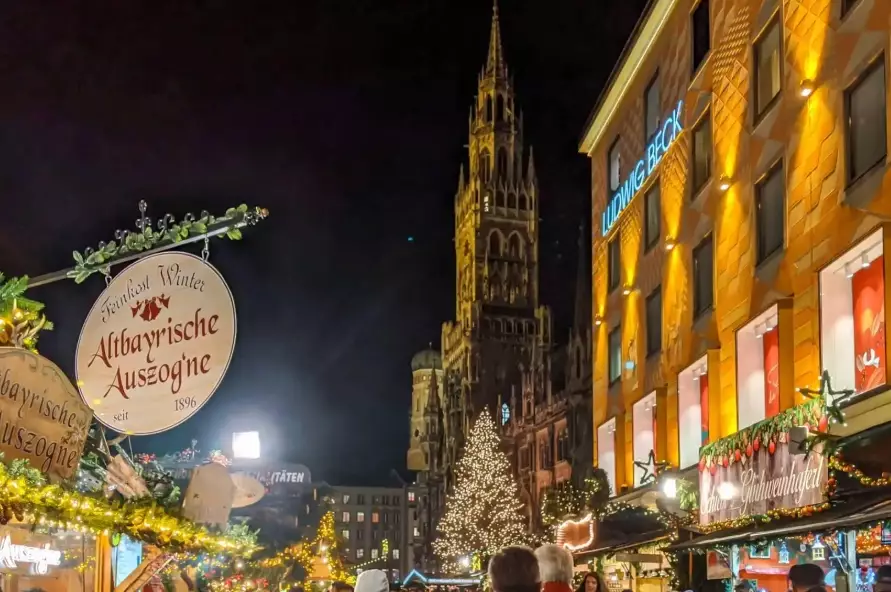
For a proper meal, you'll need to escape the market stalls. The food there is for snacking. Look for a traditional Bavarian restaurant (Gaststätte) in the side streets for a sit-down lunch of pork roast or dumplings. It gives you a needed break from the crowds.
Shopping at the Christkindlesmarkt: What to Bring Home
Remember the "handcrafted only" rule? It means the shopping is genuinely good. But it also means prices are higher than at a generic street fair. You're paying for craftsmanship.
So what's worth the suitcase space?
- Zwetschgenmännle (Prune People): Quirky little figures made from dried plums (prunes), nuts, and figs. They're unique to Nuremberg and make for a charming, traditional souvenir. They range from simple to incredibly detailed scenes.
- Rauschgoldengel (Tinsel Angels): Gold-foil angels, another Nuremberg specialty. They're delicate, shiny, and the epitome of a classic German Christmas tree ornament.
- Hand-Dipped Candles: You'll see stalls where they dip candles right in front of you. The colors are beautiful, and the smell is wonderful. A practical and pretty gift.
- Wooden Toys & Nutcrackers: The Erzgebirge region (not far away) is famous for these, and you'll find high-quality examples here. A good nutcracker or smoking man (Räuchermännchen) is an investment piece that will last for decades.
- Local Food Specialties: This is the best gift for foodies. Pack some Lebkuchen from a proper baker like Lebkuchen Schmidt, or a bottle of Christstollen liqueur. Just check customs rules for bringing food back home!
I always budget more for shopping here than I think I will. A well-made wooden ornament from the Nuremberg Christmas market feels more meaningful than anything from a big-box store.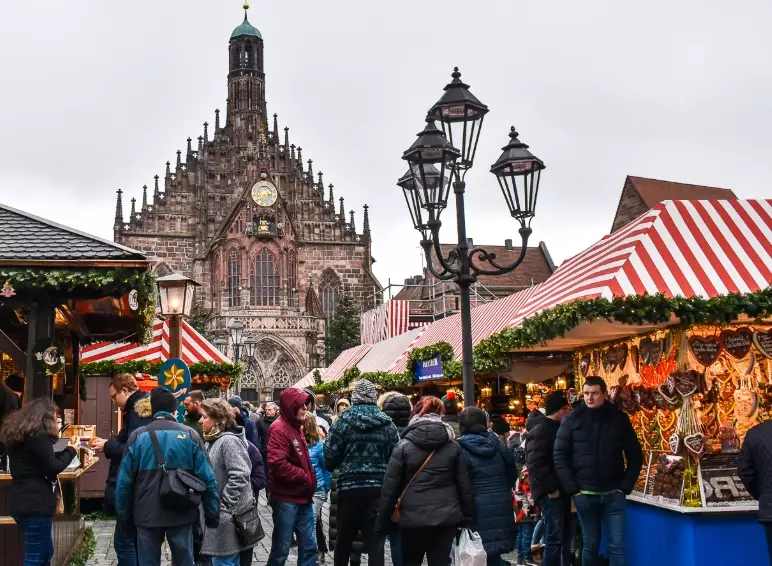
Beyond the Main Square: Other Markets & Hidden Gems
Most visitors herd into the Hauptmarkt and never leave. Big mistake. Nuremberg actually has several satellite markets, each with a different vibe, and they are often less crowded and more enjoyable.
The Sister of the Main Market: The Market of Sister Cities
Located on Rathausplatz, right next to the main market, this is my favorite escape. It features stalls from Nuremberg's twin cities around the world (like Nice, Antalya, Krakow, San Carlos). You can get Italian pasta, French crepes, or Turkish delights. The atmosphere is slightly more international and a bit more relaxed. It's a great place to try different foods.
The Medieval Market (Historischer Weihnachtsmarkt)
This one is for atmosphere seekers. Tucked in the courtyard of the Handwerkerhof, near the Königstor, it's a smaller, more rustic affair. Stallholders are in medieval dress, the music is from lutes and drums, and the goods are very rustic crafts and foods (think mead, stews in bread bowls). It feels like stepping back in time and is a fantastic contrast to the sparkle of the main event.
The Children's Market (Kinderweihnacht)
Located on Hans-Sachs-Platz, this is pure magic if you're visiting the Nuremberg Christmas market with kids. It's scaled for them, with a mini-railway, cookie-decorating workshops, a carousel, and puppet shows. The gifts and sweets are also child-oriented. It's less about shopping and more about playful experiences.
Trust me, spending an hour in one of these smaller markets can completely refresh your experience.
Practical Survival Tips & Common Questions Answered
Let's get into the nitty-gritty. Here are the questions I had and the answers I learned the hard way.
Is the Nuremberg Christmas Market suitable for children?
Yes, but with major caveats. The main market at peak times is a forest of adult legs, which can be scary and overwhelming for little ones. Strollers are a nightmare to navigate. Your best bet is to visit the dedicated Children's Market (mentioned above) and hit the main market very early on a weekday morning. The festive lights and sweets will delight them, but manage your expectations about how long they'll tolerate the crowds.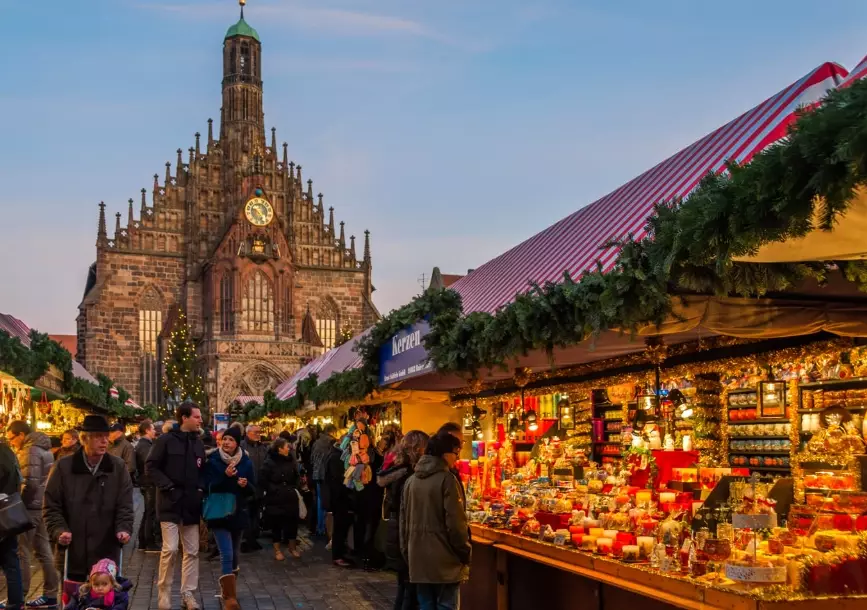
What should I wear?
This isn't a fashion show; it's a practical battle against the cold. You'll be standing still a lot. The German saying "There's no bad weather, only bad clothing" applies perfectly.
- Layers are king: Thermal base layer, sweater, thick coat.
- Waterproof boots: It can be slushy, wet, and snowy. Warm, waterproof footwear is non-negotiable.
- Hat, scarf, gloves: Essential. You'll be holding a hot mug, so consider touchscreen-compatible gloves.
- Warm socks: Thick wool socks make all the difference.
How do I deal with the crowds?
Embrace the morning. Arrive right at 10:00 AM when it opens. You'll have a good hour or two of relative calm before the masses descend. Have a meeting point planned with your group in case you get separated (mobile service can be spotty in the crowd). Don't try to move against the flow of people; go with it and look for side alleys to duck into. And practice patience – everyone is there for the same magic, even if they're temporarily blocking your view of the perfect ornament.
Are credit cards accepted?
Increasingly, yes, especially at larger stalls selling higher-priced items like Lebkuchen or wooden crafts. However, for small purchases like a mug of Glühwein or a sausage, cash is still king and often faster. Always have a mix of cash and card.
What's the deal with the mug deposit?
It's a brilliant system. When you buy a drink (Glühwein, punch, hot chocolate), you pay a deposit (Pfand) of a few euros on top of the drink price. This gets you the drink in a beautiful, collectible ceramic mug. You have two choices: keep the mug as your souvenir (which is what most people do), or return it to any drink stall in the market to get your deposit back. Don't throw the mug away! That's just throwing money away.
Budgeting for Your Trip: A Realistic Breakdown
Let's talk numbers, because a trip to the Christkindlesmarkt Nuremberg can get pricey if you're not careful.
- Accommodation: This is your biggest expense. Hotels within walking distance of the market book up almost a year in advance and prices skyrocket. Consider staying slightly further out near a U-Bahn station. Hostels and apartments can be more budget-friendly options.
- Food & Drink: Budget €20-€40 per person per day for market snacks and a simple restaurant meal. A Glühwein and a sausage lunch will run you about €10-12.
- Souvenirs: This is variable. A simple foil angel might be €5, a medium-sized prune person €15-25, and a high-quality nutcracker €50+. Set a limit before you go.
- Transport: A local day ticket for public transport is around €8-9 per person. Factor in your train or flight costs to Nuremberg itself.
My rough estimate for a comfortable day trip (not including travel to the city or accommodation) is about €50-75 per person, covering food, several drinks, a souvenir mug, and a small gift. For a longer stay, accommodation dominates the cost.
Making the Most of It: Final Thoughts from a Repeat Visitor
After all this practical advice, let me leave you with a more personal perspective. The Nuremberg Christmas market is not a place to rush. If you try to tick it off a list in two hours, you'll only experience the stress. The magic reveals itself in the slower moments: when you find a quiet corner to sip your Glühwein and just watch the world go by; when you strike up a conversation with a stallholder about how they make their candles; when you catch the scent of roasting chestnuts mixed with pine needles.
It has its flaws – the commercialism is creeping in at the edges, and the crowds can be insane. Some purists argue it's become too popular for its own good. And they're not entirely wrong. But when the Christkind speaks on opening night, or when you see a child's face light up at the Children's Market, you understand why it endures.
Plan well, wear good boots, go with the flow, and let yourself be swept up in the centuries-old tradition. It's an experience that, despite the hustle, still captures the heart of Christmas. Just maybe don't go on a Saturday.
For the most authoritative and up-to-date information, always cross-check with the official sources: the Christkindlesmarkt website for market specifics, and the Nuernberg Tourismus website for general city travel planning. The German National Tourist Board's site, Germany Travel, also has excellent resources on Christmas markets nationwide.