Quick Navigation
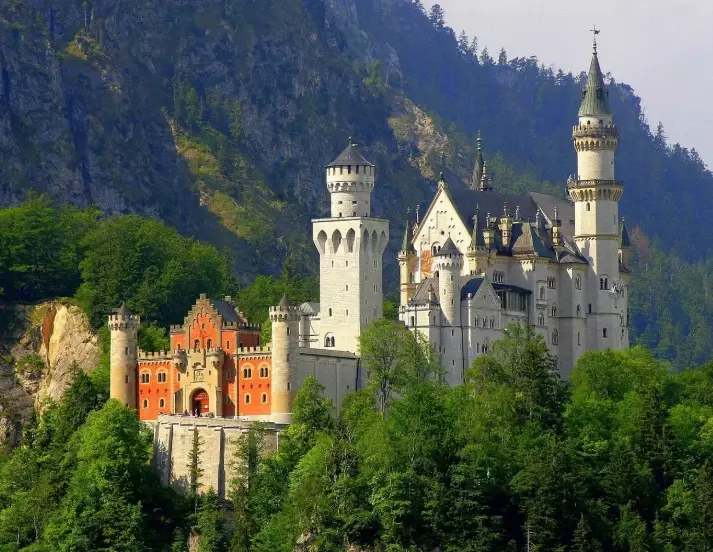
Let's be honest, when someone says "castle," what's the first image that pops into your head? For a lot of us, it's probably that iconic, almost-too-perfect silhouette of Neuschwanstein, perched on a rugged hill against a backdrop of mountains. That image is German, through and through. But here's the thing I learned after visiting a dozen of them – German castles in Europe are a universe unto themselves. They're not just pretty postcards. They're fortified homes, royal prisons, administrative hubs, and sometimes, spectacular follies built by dreamers with too much money. Trying to understand Germany without seeing its castles is like trying to understand Britain without its pubs. It just doesn't work.
This guide isn't just a dry list. I want to walk you through the why, the how, and the which ones are actually worth your time. Because let's face it, some are crowded, some are overrated, and some hidden gems will blow you away. We'll dig into the history that explains why Germany has this insane density of castles (seriously, over 20,000 castle sites!), plan a realistic trip, and answer all those nitty-gritty questions that pop up when you're trying to book tickets online at 2 AM.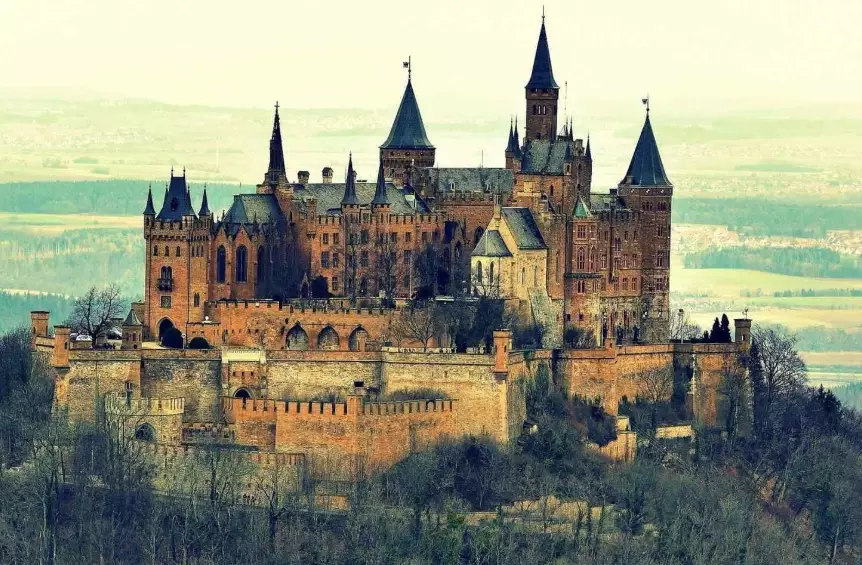
The Crown Jewels: Germany's Most Famous Castles You Can't Miss
Okay, let's start with the headliners. These are the German castles in Europe that everyone talks about, and for good reason. They set the standard.
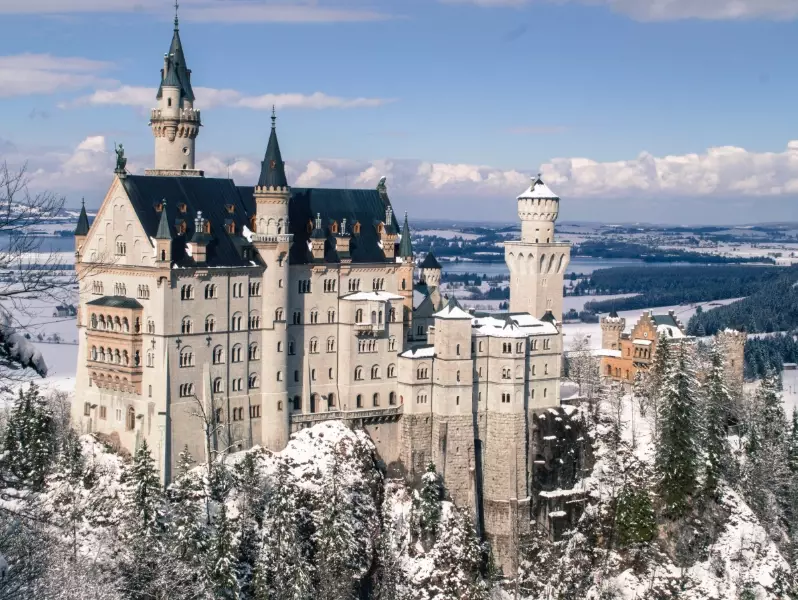
Neuschwanstein Castle. Obviously. It's the king, the poster child, the castle that inspired Disney. Built by the tragically eccentric King Ludwig II of Bavaria in the 19th century, it's less a medieval fortress and more a theatrical homage to the romantic ideal of the Middle Ages. The location is unreal. The interior is... opulent, to say the least. A word of caution though? The inside can feel a bit stifling and dark, and the tour is rushed. The real magic is seeing it from the Marienbrücke (Mary's Bridge) or hiking in the surrounding area. It's a must-see, but manage your expectations for the interior experience.
Then there's Hohenzollern Castle, sitting proudly on Mount Hohenzollern. If Neuschwanstein is the dreamy artist, Hohenzollern is the stern, proud aristocrat. This is the ancestral seat of the Prussian kings and German emperors. The current structure is a 19th-century rebuild, but it feels incredibly imposing and authentic. The view from the top makes you feel like you're surveying your kingdom. It's less fairy-tale, more power statement.
Heidelberg Castle is a different beast altogether. It's a glorious ruin. Red sandstone walls partially collapsed, standing majestically above the university town of Heidelberg and the Neckar River. It's not about pristine perfection here; it's about melancholy beauty and the passage of time. Walking through its gardens, you get a profound sense of history – of grandeur, war, decay, and romantic rediscovery. It's arguably one of the most important Renaissance structures north of the Alps. The UNESCO World Heritage folks are always looking at places like this for a reason.
I have to give a special shout-out to Burg Eltz (Eltz Castle). Tucked away in a quiet, forested valley, untouched by wars, and still owned by the same family for over 850 years, it's my personal favorite. It doesn't have the dramatic mountain perch, but it feels lived-in and real in a way the rebuilt ones sometimes don't. Getting there involves a lovely hike through the woods, which adds to the adventure.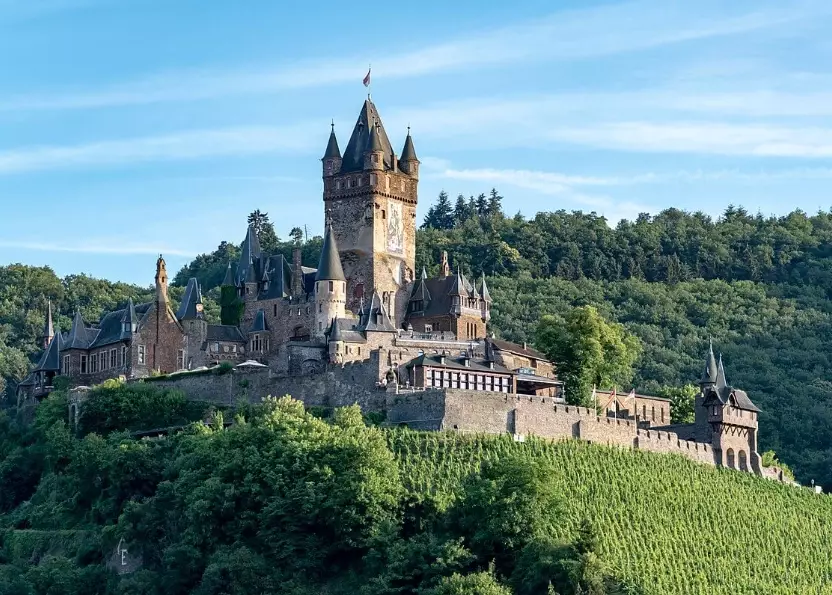
Beyond the Big Names: Exploring by Theme
Once you've seen the classics, the real fun begins. You can start exploring German castles in Europe by what interests you. Trust me, this is how you find the gems that resonate with you personally.
The Mountain-Top Warriors
These are the castles built for pure, unadulterated defense. High up, hard to reach, with commanding views.
- Burg Hohenzollern: We mentioned it, but it belongs here too. The ascent feels like a pilgrimage.
- Burg Katz ("Cat Castle") & Burg Maus ("Mouse Castle"): Facing each other across the Rhine River. Their names tell a playful story, but their positions were deadly serious for controlling river trade. Seeing them from a Rhine river cruise is the classic move.
- Reichsburg Cochem: Perched dramatically above the Moselle River and the town of Cochem. It was destroyed and rebuilt in the 19th century in a Gothic Revival style, but the location is 100% medieval strategic genius.
The River Rhine Romantics
The Rhine Gorge is a castle bonanza. In about 40 miles of river, you can see over 20 castles! This area is the heartland of the German castle road trip.
Marksburg Castle is the only hill castle on the Rhine that was never destroyed. It's a time capsule of medieval military architecture – no frills, just function. It feels authentic in a way that restored castles sometimes struggle to achieve.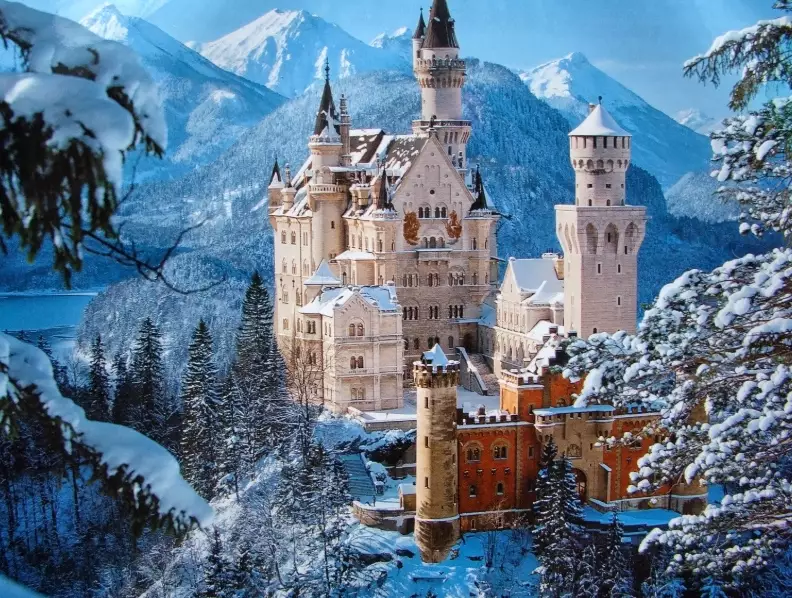
The Fairy-Tale & "Mad" King Ludwig Specials
King Ludwig II didn't just build Neuschwanstein. His other projects are fascinating windows into his mind.
- Linderhof Palace: It's technically a palace, but it's his only completed project and is dripping in Rococo extravagance. The grotto inside—a man-made cave with a lake and lighting effects—is utterly bizarre and wonderful.
- Herrenchiemsee Palace: Built on an island in Lake Chiemsee, it was his attempt to outdo Versailles. It's massive, unfinished, and gives you a sense of the scale of his ambitions (and his spending).
So, Why Are There So Many German Castles in Europe?
This is the key question, right? Germany wasn't a unified country until 1871. For centuries, it was a patchwork of hundreds of small states, duchies, bishoprics, and free cities—the Holy Roman Empire. Every local lord, bishop, or knight with a bit of land and ambition built a fortified home to project power, collect tolls (especially along rivers like the Rhine), and protect their territory. It was a decentralized, competitive political landscape, and castles were the physical manifestation of that. Compare that to France or England, which centralized power earlier, leading to fewer, but often larger, royal castles.
The Romanticism movement in the 19th century then "rediscovered" these often-ruined castles. They became symbols of a idealized German past. This is when guys like King Ludwig II built their fantasy versions (Neuschwanstein), and when many ruined castles were extensively restored or rebuilt in a romanticized style. So what we see today is often a blend of genuine medieval core and 19th-century romantic imagination.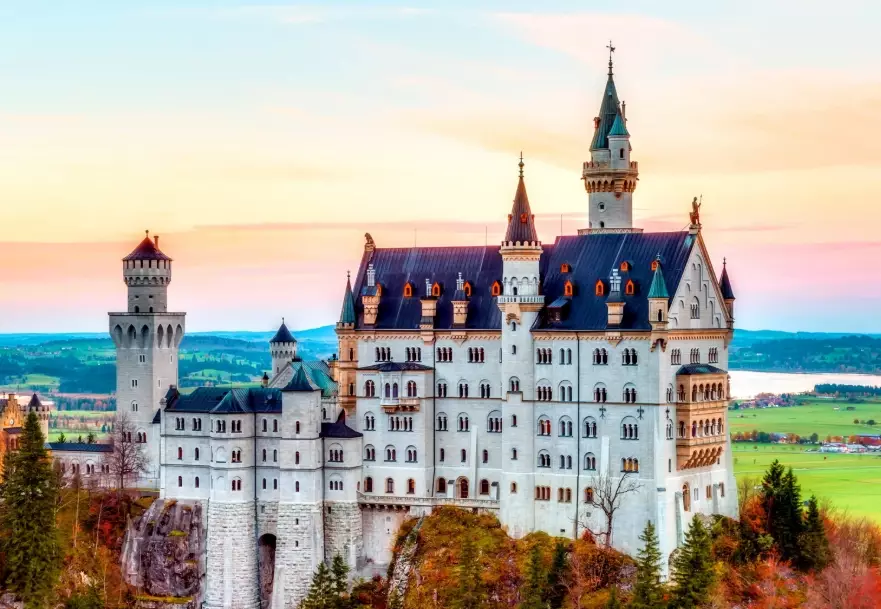
Planning Your Castle Adventure: The Nitty-Gritty
This is where most travel guides get vague. Let's get specific.
When to Go & The Crowd Factor
Summer (June-August) is peak. Neuschwanstein is a packed, timed-ticket-only experience. Shoulder seasons (April-May, September-October) are golden. Fewer crowds, cooler weather for hiking, and autumn colors can be stunning. Winter can be magical if there's snow, but check opening hours—many close or have limited schedules from November to March.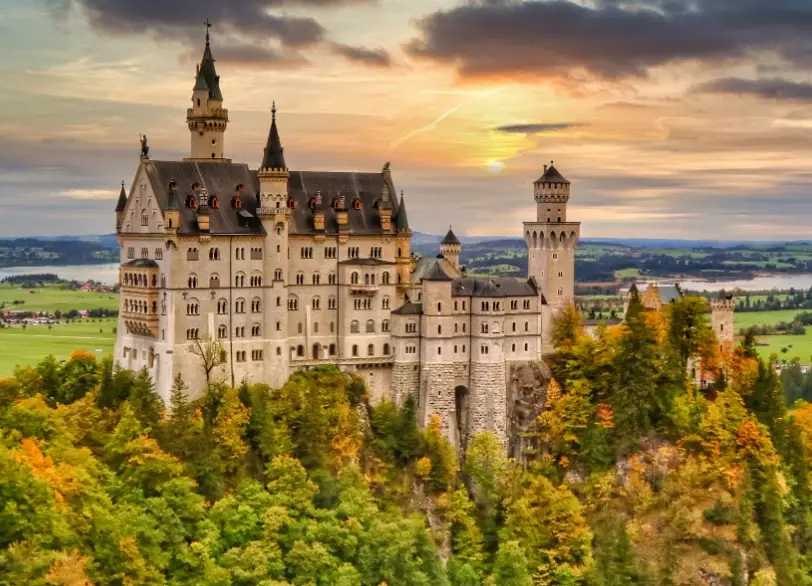
How to Get Around
- Car: Ultimate flexibility. You can reach remote castles like Eltz or stop at tiny roadside ruins. Parking can be a headache (and expensive) at major sites.
- Train + Bus/Local Transport: Very doable in Germany. Major castles are connected. For example, you can train to Füssen for Neuschwanstein or to Heidelberg. The German rail network is excellent. Sites like the Deutsche Bahn website are your friend.
- Organized Tours: From cities like Munich or Frankfurt, day tours are available to Neuschwanstein, Heidelberg, etc. They handle tickets and transport, but you're on their schedule.
What to Expect Inside
Guided tours are the norm for interior visits. They're usually in German and English (sometimes with audio guides). They last 30-45 minutes and move at a brisk pace. Photography is often prohibited inside. The tours focus on the main staterooms, throne rooms, and bedrooms. Don't expect to explore nooks and crannies freely.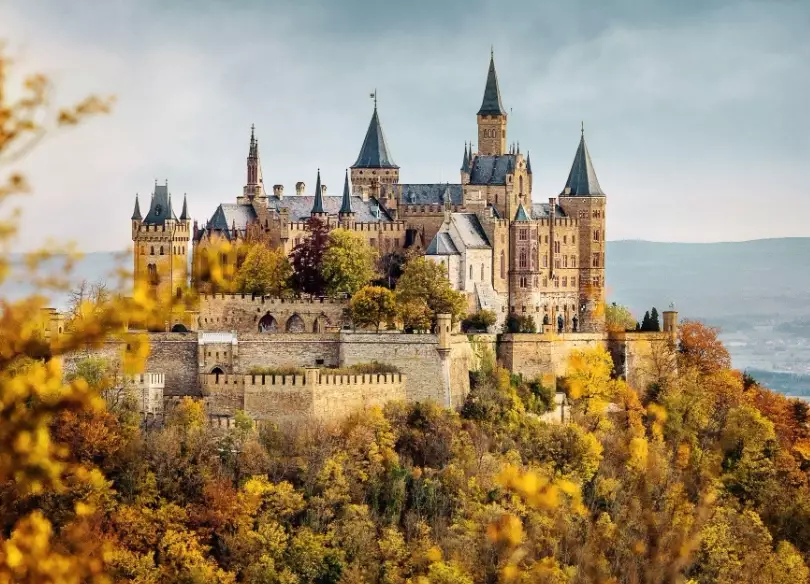
German Castles in Europe: Your Questions Answered
Which is the best castle to visit in Germany for the first time?
If you want the iconic photo and the full fairy-tale experience, it's hard to beat Neuschwanstein. Just go in prepared for crowds. For a more well-rounded, historical, and atmospheric experience that's easier to manage, Heidelberg Castle is a fantastic first choice.
Are there any German castles you can actually stay in overnight?
Yes! Several have been converted into hotels. It's a unique experience, though the rooms are often modernized inside historic walls. Burg Colmberg in Franconia or Schloss Lieser in the Moselle Valley are examples. Don't expect a 5-star luxury spa; expect charm and thick walls.
What's the difference between a 'Burg' and a 'Schloss'?
A great question! A Burg is a fortified castle, built primarily for defense. Think thick walls, battlements, a keep. Marksburg is a pure Burg. A Schloss is a palace or manor house. It's built for comfort and show, not defense. Neuschwanstein, despite its looks, is a Schloss (Ludwig called it a "Neue Burg" but it's not fortified). Heidelberg is a mix—it started as a Burg, was expanded into a Schloss, and is now a ruin.
Is the "Romantic Road" or the "Castle Road" better for seeing castles?
The Castle Road (Burgenstraße) is specifically designed for this, stretching from Mannheim to Prague. It's more focused. The Romantic Road is more about picturesque towns and landscapes, with castles as highlights along the way (like Rothenburg ob der Tauber's town walls and Harburg Castle). For a dedicated castle trip, follow the Castle Road.
How much time should I spend at a typical castle?
For a major castle with an interior tour, plan for 2-3 hours minimum. This includes parking/walking from transport, waiting for your tour, the tour itself, and some time in the gardens or for photos. For a smaller castle or one you're just viewing from the outside, an hour might suffice.
Final Thoughts: Making It Your Own
Look, the most famous German castles in Europe are famous for a reason. They're breathtaking. But the real joy for me came from stumbling upon a small, unnamed ruin on a hiking trail, or seeing a castle like Eltz that feels frozen in time. Use the big names as anchors for your trip, but leave room for spontaneity.
Do a little research on the history before you go. Knowing why a castle was built on that specific bend in the Rhine, or who the "Mad King" really was, transforms a pretty building into a story. And that story is what you'll remember long after the photos are filed away.
Germany's landscape is literally studded with these stone stories. From the Baltic coast to the Alps, the legacy of knights, emperors, and romantics is waiting. Your job is just to pick a starting point.
Maybe start with one. See how it feels. You might just get hooked.