What's Inside?
Let's be honest. Trip planning can feel like a second job. You're staring at a dozen tabs, cross-referencing reviews, trying to fit everything in, and worrying you'll miss that one "secret" spot everyone online whispers about. If Cologne, with its towering cathedral and vibrant beer culture, is on your list, that feeling might be creeping in right now. Which guide is right? How many days do you really need? Is it just cathedrals and sausages?
I've been there. My first visit was a mess of poor timing and missed opportunities. I spent half a day in a line I didn't need to be in and completely overlooked a neighborhood I now love. That's why I built this Cologne travel planner—not as a rigid list of commands, but as a conversation. Think of it as chatting with a friend who's been, messed up, learned, and wants to save you the headache.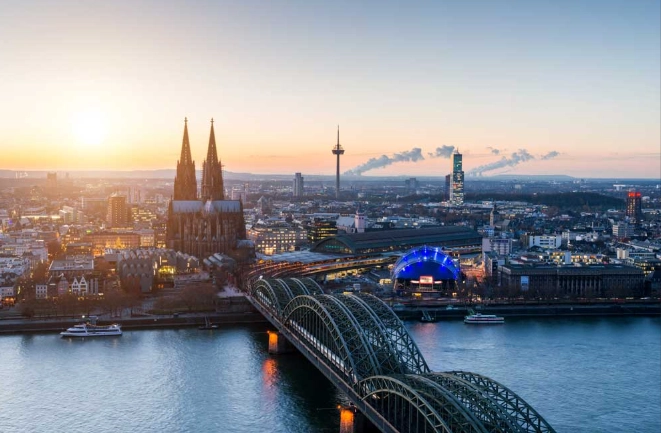
This isn't about cramming every single monument into 48 hours. It's about building a trip that feels good to you, whether you're here for the history, the art, the Rhine views, or just a fantastic weekend vibe. We'll talk logistics, yes, but also the feel of the place. The smell of the Altstadt after rain. The sound of a Kölsch brewery at full swing. The quiet corners that give you a break from the tourist track.
The Core of Your Cologne Travel Planner: Making the Big Decisions
Before we dive into day-by-day itineraries, let's sort the foundation. Getting these basics right is what separates a chaotic trip from a smooth one. A good Cologne travel planner starts with questions, not answers.
When Should You Actually Go?
This is the first fork in the road. Cologne has distinct personalities throughout the year.
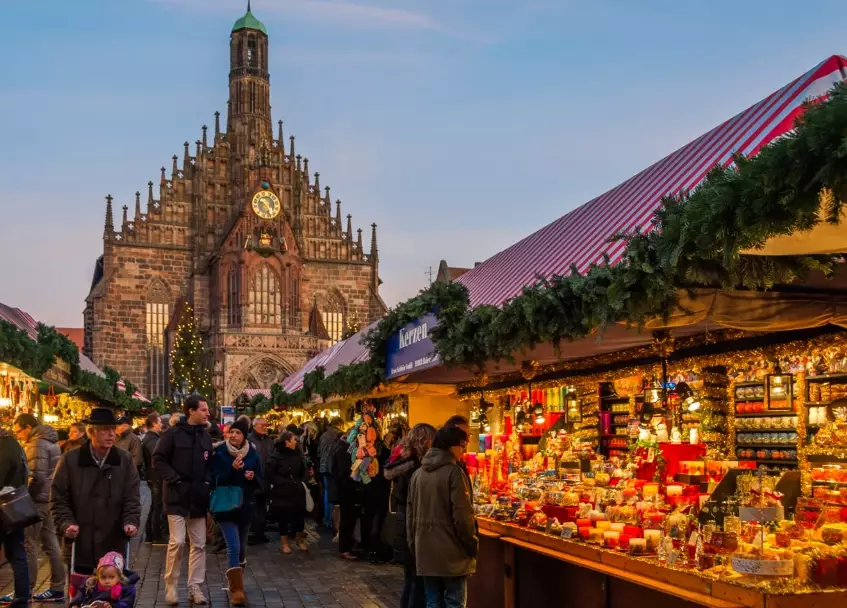
Peak Season (May-September, December): The weather is lovely, gardens are in bloom, and outdoor seating is everywhere. But. It's crowded. I mean, shoulder-to-shoulder in the Altstadt crowded. Hotels cost more. The famous Christmas markets in December are magical, but they are also the absolute pinnacle of tourist density. You trade comfort for atmosphere.
Shoulder Season (April, October): My personal sweet spot. The weather can be a bit of a gamble (pack a layer), but the crowds thin out. You can actually get a seat in a brewery without waiting. The light in October over the Rhine is stunning. It feels more like a city people live in.
Low Season (November, January-March): It's cold, often grey, and some smaller attractions have shorter hours. But if you despise crowds and want to feel like you have the cathedral plaza to yourself, this is it. Museums are peaceful. It's a Cologne for introspection and cozy pubs.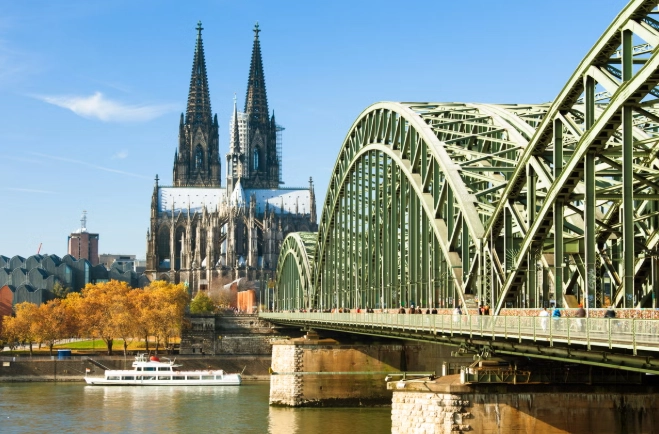
How Long Is Enough? The Itinerary Reality Check
You'll see a lot of "Cologne in a day" guides. Can it be done? Technically, yes. You can sprint from the Dom to a museum to a quick beer. But you'll be exhausted and you won't have felt anything.
- 48 Hours (A Taster): You'll hit the absolute must-sees: the Cathedral interior and treasury, a walk across the Hohenzollern Bridge, a classic brewery dinner in the Altstadt. It's a whirlwind, but perfect for a weekend getaway. Your Cologne travel planner for this is about efficiency.
- 3-4 Days (The Sweet Spot): This is what I recommend for a first visit. It allows breathing room. Day one for the historic core. Day two for museums (maybe the stunning Romano-Germanic Museum right by the Dom) and exploring a neighborhood like the Belgian Quarter for independent shops and cafes. Day three for a Rhine cruise or a trip to the Chocolate Museum. Day four as a buffer or for a deeper dive into something you loved.
- 5+ Days (Deep Dive): Now you can explore further afield. Take a short train to Bonn (Beethoven's house is there), explore the Cologne Zoo (it's world-class, surprisingly), or spend a full day just cafe-hopping and people-watching in the Südstadt. You're not a tourist anymore; you're a temporary local.
So, what's the ideal Cologne itinerary? For most, I'd say four days. It's the pace that lets you discover without rushing.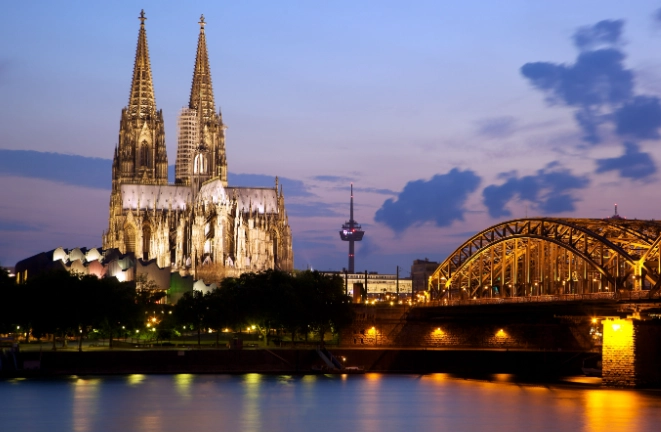
Where to Lay Your Head: A Neighborhood Breakdown
Picking the right area to stay is the single biggest upgrade to your trip. Cologne's neighborhoods (Veedel in the local dialect) have strong personalities.
| Neighborhood | Vibe | Best For | Drawback |
|---|---|---|---|
| Altstadt-Nord (Old Town North) | Classic, tourist-central, historic, bustling. | First-timers who want to be steps from the Dom, Roman ruins, and traditional breweries. Maximum convenience. | Can be noisy, expensive, and feels a bit "theme-park" after a while. Less local character. |
| Belgian Quarter (Belgisches Viertel) | Hip, trendy, creative, leafy streets. | Travelers who love independent design stores, concept cafes, cocktail bars, and a more modern, local vibe. Great for foodies. | A 15-20 minute walk or short tram ride to the major sights. Not the "classic" Cologne postcard view. |
| Deutz (on the east bank of the Rhine) | Modern, business-like, great views. | Budget-conscious travelers. Hotels are often newer and cheaper. You get a postcard-perfect view of the Cathedral skyline from across the river. Easy train station access. | Can feel sterile at night. You need to cross the river (via bridge or train) for most activities. |
| Südstadt (South City) | Bohemian, student-friendly, relaxed. | Those wanting a lived-in, authentic feel with great, affordable restaurants and bars. Feels like a village within the city. | Further from the center (20-30 mins by tram). Not many traditional "sights" nearby. |
My last stay was in the Belgian Quarter, and it completely changed my view of Cologne. Waking up to quiet streets, getting coffee from a local roaster, and then taking a pleasant walk past beautiful old buildings to the center was so much better than the tourist hustle right outside a hotel door.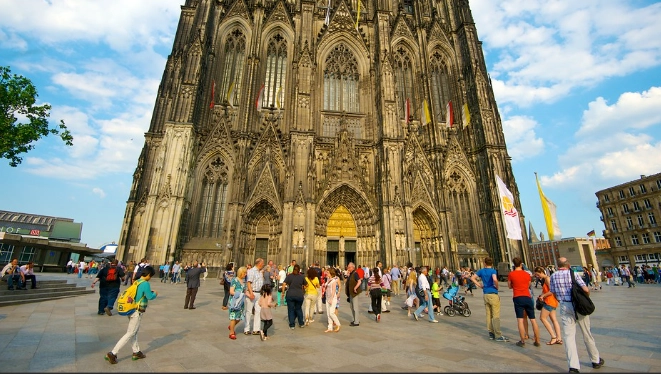
Building Your Day-by-Day Cologne Itinerary
Okay, foundations are set. Let's build the days. Remember, this is a template. Swap things, move things, leave things out. A Cologne travel planner is a servant, not a master.
Day 1: History, Height, and Your First Kölsch
The goal today is orientation and awe. Start at the heart.
Morning (The Dom): Go to the Cologne Cathedral (Kölner Dom) early. I mean 9 AM opening time early. The queues for the tower climb form fast. My take? The climb is 533 spiral steps of leg-burning effort for a view that is... very high. It's impressive, but if you're not fit or are claustrophobic, you're not missing the soul of the place. The real magic is inside. The stained glass, the sheer verticality, the quiet (relative) gloom. It's free to enter the main nave. The treasury (Domschatzkammer) is worth the small fee for its medieval bling. For official opening hours and current info, always check the Cathedral's own website—it's the most reliable source.
Afternoon (Roman Roots): Literally steps from the Dom's south side is the Romano-Germanic Museum (Römisch-Germanisches Museum). It's built around an in-situ Roman floor mosaic that will make your jaw drop. The collection of glassware and jewelry is stunning. It's the perfect bridge from the medieval majesty above to the ancient city below.
From here, wander through the Altstadt. See the Old Town Hall with its crazy Renaissance loggia. Find the little fountain of the "Pissing Boys" (Heinzelmännchenbrunnen)—it's silly but charming.
Evening (The Brewery Ritual): Time for your initiation. Head to a traditional Brauhaus like Früh am Dom, Sion, or Peters Brauhaus. It will be loud, communal, and wonderful. A Köbes (waiter) will plunk a Kölsch (the local beer) in front of you without asking. They'll keep bringing them until you put your coaster on top of your glass. It's not rude; it's the system. The food is hearty—think Himmel un Ääd (black pudding with mashed potatoes and apple sauce) or a massive pork knuckle. Embrace the chaos.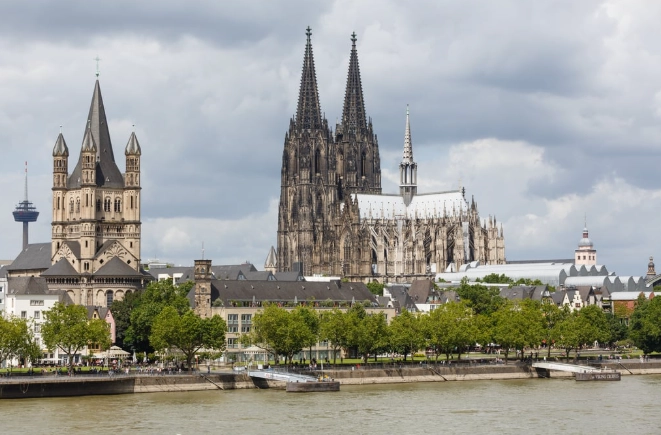
Day 2: Museums, Views, and Local Flavors
Today we mix culture with neighborhood exploration.
Morning (Pick Your Museum): Cologne has over 30 museums. Don't try to do them all. Pick one that speaks to you.
- Museum Ludwig: If you love modern art (Picasso, Warhol, German Expressionism), this is a world-class stop.
- Chocolate Museum (Schokoladenmuseum): Sounds kitschy, is actually fascinating. The chocolate fountain sample is a highlight. Kids and adults love it. Book online to skip lines.
- Farina Fragrance Museum: Where Eau de Cologne was invented. A small, unique sensory experience.
Afternoon (The Bridge & A New Veedel): Walk across the Hohenzollern Bridge. Look at the tens of thousands of love locks. The view of the Dom and the river is iconic. On the other side, you're at the Cologne Triangle building. Pay the few euros to go up to its viewing platform for the best photo of the Cathedral you'll get.
Then, take a tram or a 20-minute walk to the Belgian Quarter. This is where your Cologne travel planner shifts from sightseeing to soaking. Get lost on the streets like Brüsseler Straße. Browse vintage shops, design stores, and bookshops.
Evening (Dinner Beyond the Brauhaus): Eat here! The Belgian Quarter is a foodie haven. You can find excellent Vietnamese, trendy vegan spots, cozy Italian, or innovative German fusion. It's a welcome break from heavy traditional fare.
Day 3: The Rhine, Chocolate, or a Day Trip
Time to expand your horizons.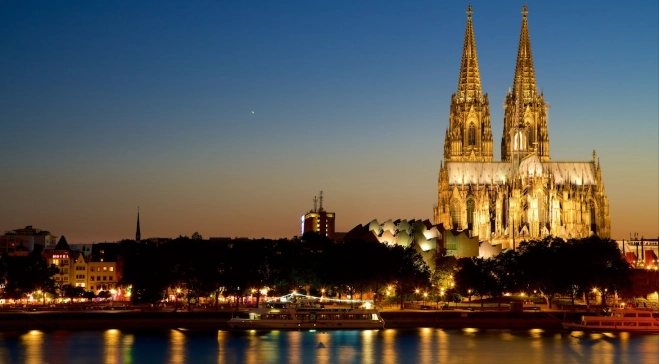
Option A (The Classic Relaxing Day): Start at the Chocolate Museum if you didn't go yesterday. Then, right next door, board a KD Rhine cruise. A one-hour round trip to Deutz is perfect. You get to see the city from the water, relax, and snap amazing photos. After, wander the Rheinauhafen area—the modern harbor with its striking "Crane Houses" architecture.
Option B (The Day Trip): Cologne is a great hub. The regional train (Bahn) is efficient.
- Bonn: 30 minutes south. Visit Beethoven-Haus, the pretty market square, and the riverside promenade.
- Brühl: 20 minutes south. Home to the spectacular UNESCO-listed Augustusburg Palace, a rococo masterpiece.
The official Deutsche Bahn website is your friend for schedules and tickets.
Evening (A Final Toast): For your last night, maybe try a specialty beer bar like Craftbeer Corner Coeln or visit a traditional "Alt" beer pub (Alt is the older, darker beer style from the region, predating Kölsch) like Brauerei Päffgen for a different taste.
The Nitty-Gritty: Transport, Budget, and FAQs
This is the part where most guides gloss over the details. Let's get specific.
Getting Around: It's Easier Than You Think
Cologne's public transport (KVB) is excellent. Trams and buses go everywhere.
- From the Airport (CGN): The S-Bahn (S13 or S19) takes about 15 minutes to the main station (Hauptbahnhof). It's the cheapest and fastest way. Taxis are expensive.
- In the City: For a stay of 2+ days, a KölnCard is worth considering. It gives unlimited public transport and discounts at many museums and attractions. Do the math based on your plans. You can buy it for 24 or 48 hours. Check the latest zones and prices on the official tourism site.
- Walking: The city center is very walkable. But don't underestimate distances to neighborhoods like the Belgian Quarter—the tram is your friend when your feet get tired.
Budgeting Realistically (Per Day)
Let's talk numbers. Cologne isn't dirt cheap, but it's not Paris or London either.
- Budget Traveler (€60-80/day): Hostel dorm, supermarket/döner kebab meals, free sights (Cathedral nave, walking tours), tram tickets for longer trips, limiting paid museum entries.
- Mid-Range Traveler (€100-150/day): Private room in a 3-star hotel or nice Airbnb, one sit-down meal a day plus a casual lunch, entry to 1-2 major attractions, KölnCard, a few drinks.
- Comfort Traveler (€200+/day): 4-star hotel in a central location, restaurant meals for lunch and dinner, all attraction entries, taxi rides when convenient, guided tours.
A main course in a traditional Brauhaus is around €15-20. A Kölsch is about €2. A tram ticket for a single journey is around €3.
Wrapping Up Your Planning
So there you have it. A Cologne travel planner built not just on facts, but on feel. The goal isn't to check every box. It's to leave Cologne with a sense of the place—its layered history, its resilient spirit (rebuilt from WWII rubble), its dual love of deep tradition and modern creativity.
Forget the perfect trip.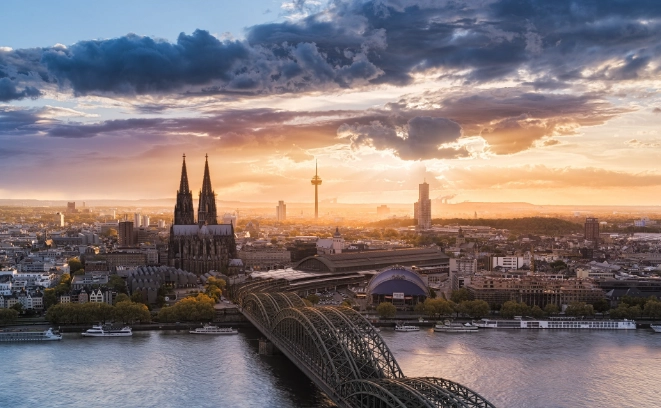
Plan the trip that sounds good to you. Maybe that's three days of museum-hopping. Maybe it's two days of brewery tours and river strolls. This guide gives you the pieces; you get to assemble the puzzle in a way that makes you smile.
The best tool in your planning arsenal isn't this article or any app. It's curiosity. Be okay with a wrong turn. Be open to changing plans because you found a sunny plaza with a great cafe. The cathedral isn't going anywhere. That moment of spontaneous joy? That's what you travel for.
Now, close some of those browser tabs. Take a deep breath. Your trip to Cologne is going to be great. You've got this.