Your Road Trip Navigator
You're probably sitting there, staring at a map of Europe, wondering where to point your car next. Maybe you've heard stories about the Autobahn, seen pictures of fairy-tale castles, or just crave a journey with good bread, great beer, and stunning scenery. The question "Is Germany good for a road trip?" has definitely crossed your mind. Let me cut to the chase: yes, it absolutely is, but maybe not for the reasons you first think. It's not just about speed. It's about a specific kind of travel freedom that Germany nails.
I've driven thousands of kilometers across this country, from the windy dikes of the North Sea to the sharp Alps in the south. I've been stuck in traffic near Frankfurt, gotten blissfully lost in the Black Forest, and had some of the most serene drives along the Moselle River. My answer comes from the driver's seat, not just a guidebook.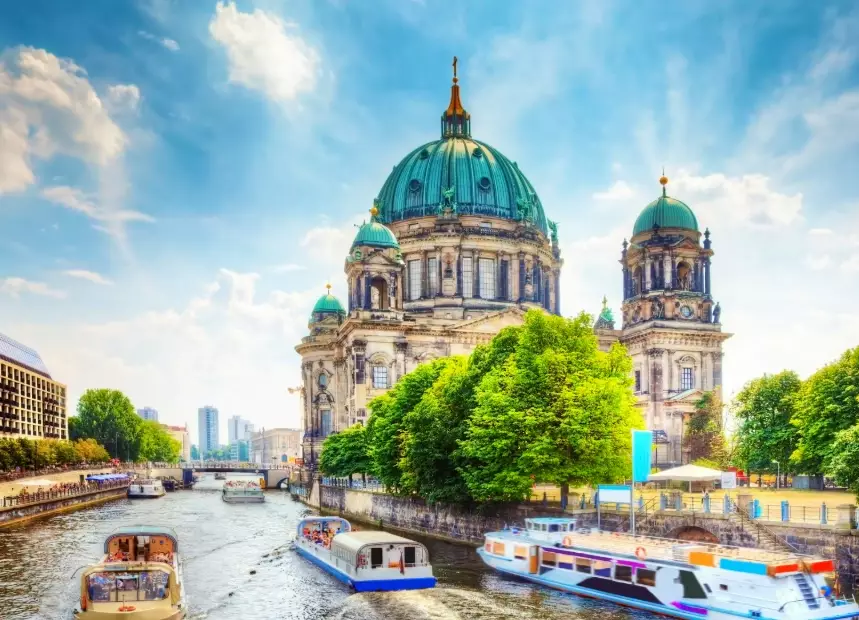
The Short Answer: Germany is a fantastic destination for a road trip due to its well-maintained and extensive road network, rich diversity of landscapes and cultures packed into a manageable area, incredible historical sites often accessible by car, and generally high standard of infrastructure (think clean rest stops, readily available amenities). The efficiency is a huge plus, though it can feel a bit... rigid at times.
But a good road trip needs more than just good roads. It needs soul, surprises, and a sense of adventure. Does Germany deliver on that? Let's unpack everything.
Why Germany Shines on the Road (The Good Stuff)
First, the obvious wins. These are the things that make you lean back and think, "Yeah, this was a good choice."
The Road Network Itself: Precision Engineering Meets Scenic Beauty
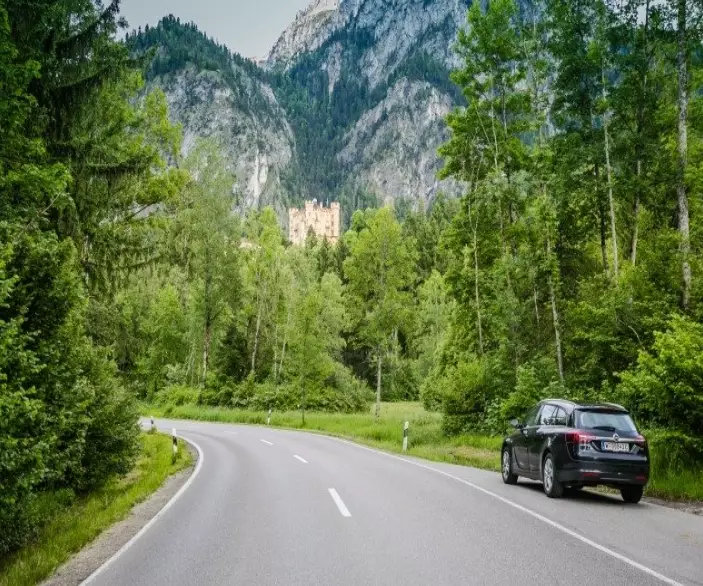
The famed Autobahn is a legend, but it's only part of the story. Sure, sections without a speed limit are a unique thrill (and honestly, a bit terrifying the first time a Porsche flashes past you at 220 km/h). But the real magic often lies off it. Germany's federal highways (Bundesstraßen) and rural roads are where you'll find the charm. They are impeccably maintained, clearly signposted, and often weave through the heart of the countryside.
You can plan a route that's 80% scenic backroads and still make decent time. The official German National Tourist Board website is a goldmine for themed driving routes. They've practically perfected the concept.
Navigation is a breeze. Signs are clear, and while I always recommend an offline map app, you could almost manage with paper maps. The predictability is comforting.
Landscape Variety in a Compact Space
This is Germany's secret weapon. Within a few hours' drive, your backdrop can completely change.
- North: Flat, dramatic coastlines, frisian islands, and wide-open skies. Think moody and atmospheric.
- West/Central: The romantic heart. River valleys (Rhine, Moselle, Neckar) lined with castles and vineyards, dense forests like the Pfälzerwald, and historic cities.
- East: Often overlooked, with beautiful, sparse landscapes like the Spreewald (a labyrinth of canals) and the Saxon Switzerland National Park with its bizarre sandstone formations.
- South: The Alpine playground. The Black Forest, the Alps, and the picture-perfect lakes around Bavaria. Postcard material everywhere.
This diversity means you can craft a road trip that matches any mood. Want castles and wine? Head west. Want mountains and hiking? Go south. Want something offbeat? Explore the east.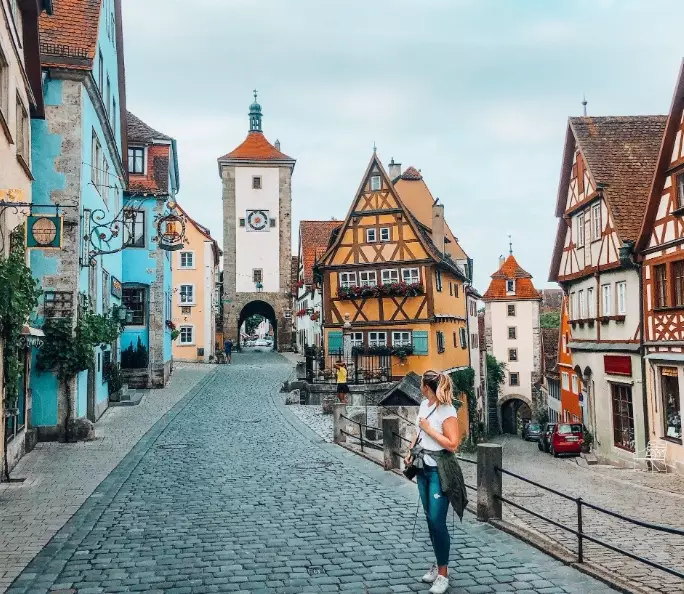
Infrastructure You Can Actually Rely On
This is a big one for practical travelers. German rest stops (Raststätten on the Autobahn) are in a different league. Many are like small service centers with clean toilets (often requiring a small fee, usually €0.70-€1, but it keeps them clean), decent food options beyond just fast food, fuel stations, and sometimes mini supermarkets. The ADAC (Germany's largest automobile club) maintains excellent service areas and provides real-time traffic info—their website is a crucial tool.
Finding a place to stay is generally easy, from predictable chain hotels to countless family-run guesthouses (Gasthöfe). Parking, while sometimes expensive in cities, is usually well-organized.
A Personal Win: I remember breaking down near a small village in Saxony. Within 20 minutes, a local mechanic (who didn't speak much English) showed up, fixed the issue with a temporary patch, and refused to take more than €20 for his "help." Then he pointed me to the best Gasthof in the next town. That kind of reliable, no-nonsense help is typical.
The Other Side of the Coin (The Not-So-Good Stuff)
It's not all smooth driving. To give you a balanced view, here are the potential headaches. Ignoring these is how trips get stressful.
Costs Can Creep Up
Germany isn't a cheap road trip destination. Fuel is expensive compared to, say, the USA. Diesel is slightly cheaper than petrol, but the gap has narrowed. Tolls for heavy vehicles exist on the Autobahn, but cars are currently exempt (this is subject to political debate, so always check the latest). The real budget-killers are:
- City Parking: In Munich, Frankfurt, or Hamburg, be prepared to pay €20-€30 per day in a central garage.
- Umweltzone (Environmental Zones): Many city centers require an emissions sticker (Umweltplakette) for your car. No sticker? Big fine. You need to order this in advance for foreign-registered cars. The Federal Environment Agency's official page on environmental zones is the authoritative source for rules and how to get the sticker.
- Accommodation: Prices, especially in popular areas like Bavaria in summer, are high.
The German Rule-Following Culture
This is a double-edged sword. The rules make the system work beautifully, but they can feel stifling. Jaywalking is seriously frowned upon. There's a specific, orderly way to do everything, from merging onto the Autobahn (use the acceleration lane fully!) to paying for parking. As a visitor, you might feel a subtle pressure to "do things right." It's not unfriendly, just... precise.
Driving Anxiety Trigger: The famous "Rechtsfahrgebot" (rule of driving on the right). On the Autobahn, you must stay in the right lane unless you are actively passing. Lingering in the middle or left lane while not passing is illegal and will earn you aggressive flashing headlights from faster cars approaching behind. It's the number one cause of stress for foreign drivers. Get used to your rearview mirror.
Traffic and Roadworks
The Autobahn network, especially around major hubs like Cologne, Frankfurt, and Munich, is notoriously congested during peak hours and on summer weekends. Staus (traffic jams) are common. Also, Germans love to maintain their roads, so you will encounter Baustellen (construction sites) with lower speed limits. Patience is required.
So, with all that said, is Germany good for a road trip? It depends on what you're after.
Crafting Your Perfect German Road Trip Itinerary
Forget a generic loop. Your route should match your interests. Here are three classic archetypes, broken down.
The Romantic Road & Alpine Dream (The Classic)
This is the postcard route. Start in Würzburg, a baroque wine city, and follow the Romantic Road (Romantische Straße) south through medieval towns like Rothenburg ob der Tauber (yes, it's touristy, but worth it) and Dinkelsbühl. Don't just rush through—spend a night in one of these walled towns after the day-trippers leave. Then continue to the grand finale: the Alps. End in Füssen, visiting the iconic Neuschwanstein and Hohenschwangau castles. Book castle tickets well in advance via the official Bavarian Palace Department website.
My take: The northern half is prettier for driving. The southern half towards the Alps gets you the big mountain payoff. Combine it with a drive around the Bavarian lakes (Königssee, Tegernsee) for the full effect.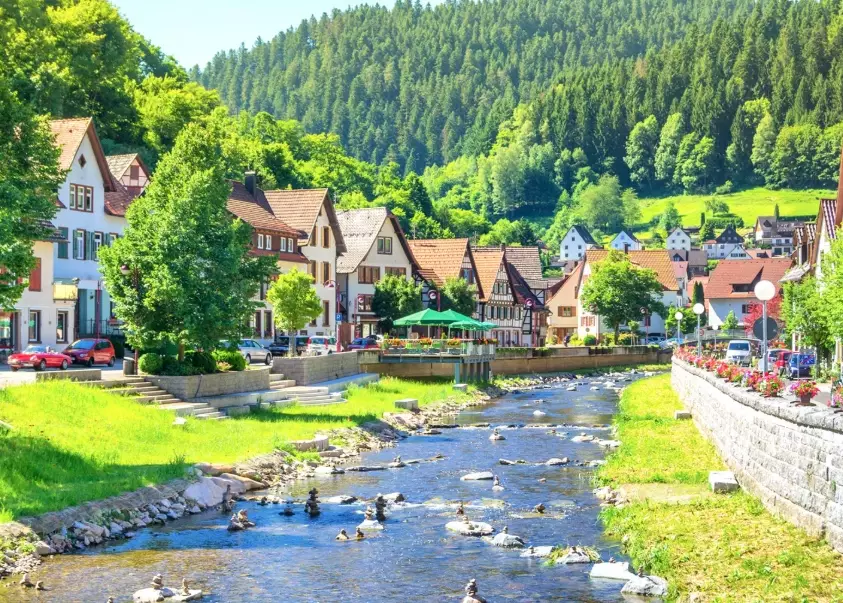
The Castle & Wine Route (The Relaxed Epicurean)
Start in Cologne, see the cathedral, then head into the Moselle Valley. This is my personal favorite for a chill drive. The river twists and turns, and the roads on either side are lined with steep vineyards and adorable villages like Cochem and Bernkastel-Kues. Drive slowly. Stop for wine tastings at family-owned wineries (look for "Weingut" or "Straußwirtschaft"—a temporary wine tavern).
Then, cross over to the Rhine Valley. The stretch between Koblenz and Bingen is UNESCO-listed for a reason. The road on the left bank (B9) is more commercial. The right bank (B42) is narrower and more scenic. Take a ferry across to experience both. Stay in a castle hotel like Burg Hotel Auf Schönburg in Oberwesel for the full experience.
The Baltic Coast & Hanseatic Cities (The Underrated Alternative)
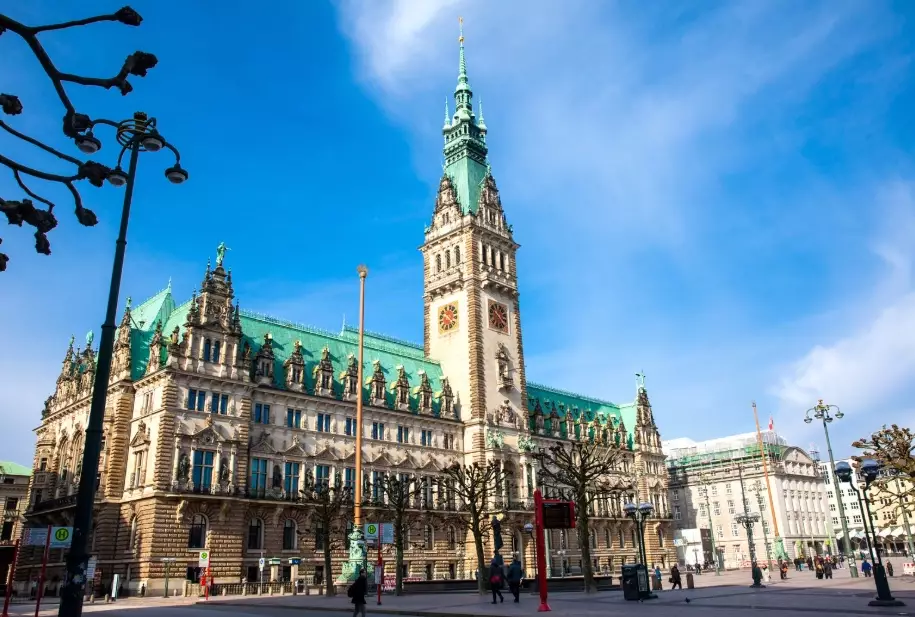
For something completely different, head north. Start in Hamburg, a vibrant maritime city, then drive east along the Baltic Coast. Visit the historic Hanseatic cities of Lübeck (marzipan!), Wismar, and Stralsund—their red-brick Gothic architecture is stunning. Take your car on a ferry to Rügen Island for dramatic chalk cliffs at Königsstuhl National Park. The driving is easy, the crowds are thinner, and the light over the sea is magical.
This route answers "Is Germany good for a road trip?" for travelers who hate crowds and love maritime history.
| Route Type | Best For | Driving Character | Peak Season Crowds | Food & Drink Highlight |
|---|---|---|---|---|
| Romantic & Alpine | First-timers, photographers, castle lovers | Mix of rural roads and busier tourist routes near attractions | Very High (Summer) | Bavarian classics: Weisswurst, Obazda, Beer |
| Castle & Wine | Couples, foodies, slow travel enthusiasts | Winding river valley roads, lower speeds, very scenic | High (Fall for harvest) | Riesling wine, Flammkuchen, River fish |
| Baltic Coast | History buffs, nature lovers, offbeat travelers | Easy coastal and flatland driving, ferry crossings | Moderate (Summer on coast) | Fresh seafood, Lübeck marzipan, Schnapps |
Essential Practicalities: Don't Get Caught Out
This is the boring-but-critical stuff. Skim it at your peril.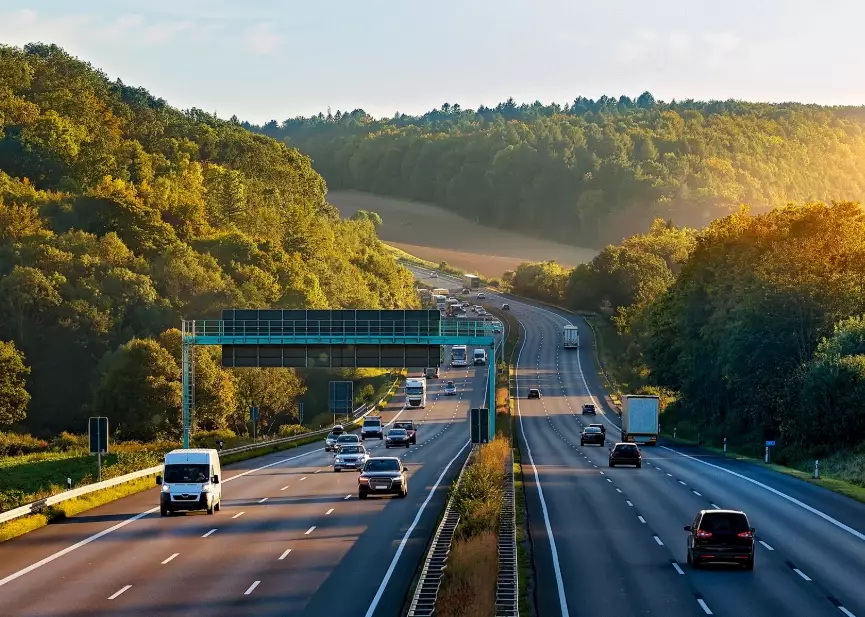
Rules of the Road (The Non-Negotiables)
- Speed Limits: Autobahn: only where signed (white sign with numbers). No sign means no limit recommended, but there's a "recommended speed" of 130 km/h. Urban areas: 50 km/h. Rural roads: 100 km/h unless otherwise posted.
- Right Before Left: At unmarked intersections in towns, priority is given to the vehicle coming from the RIGHT. This catches everyone out.
- Zero Alcohol Tolerance: The limit is 0.05% BAC, but for drivers under 21 or in their first two years of holding a license, it's zero. Just don't drink and drive.
- Winter Tires: Mandatory in wintry conditions (ice, snow, slush), not just by date. From October to Easter, it's wise to have them fitted.
- Required in Car: Warning triangle, high-visibility vest (must be accessible from inside the car, not in the trunk), and a first-aid kit.
Vehicle & Documentation
Your standard EU or US driver's license is valid for tourists. If your license isn't in Roman script (e.g., Greek, Arabic), an International Driving Permit is recommended. Have your passport, vehicle registration, and proof of insurance (the "Green Card" if coming from outside the EU) with you.
Pro Tip for Rental Cars: When renting, explicitly ask if the car has the required Umweltplakette (emissions sticker). Most German rental fleets will, but it's best to confirm. Also, check the tire policy for your travel season.
Your Road Trip Packing List (Beyond Clothes)
Here’s what I always have in the car:
- Physical Maps/Offline Maps: Mobile data can drop in forests and valleys. Google Maps offline areas or an app like Maps.me are lifesavers.
- Small Change (Kleingeld): For parking meters, rest stop toilets, farmer's market stalls, and small purchases. Many machines don't take cards or large bills.
- Reusable Water Bottle & Shopping Bag: Tap water is drinkable, and you'll be stopping at bakeries and markets. Germany has a strong ethos against single-use plastics.
- Phone Holder & Charger: Hands-free is a legal requirement if using your phone for navigation.
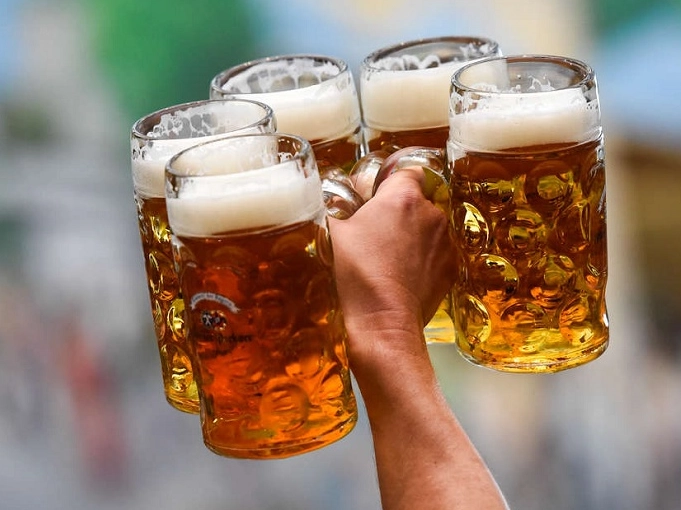
- A Sense of Flexibility: Your best-laid plans might be thwarted by a festival, a road closure, or just discovering a perfect beer garden you don't want to leave.
Frequently Asked Questions (The Stuff You're Actually Searching For)
Final Verdict: Should You Do It?
Look, if you want a completely chaotic, rule-free adventure, maybe look elsewhere. But if you want a road trip where things mostly work as they should, where you can seamlessly shift from world-class culture to heart-stopping nature, and where the journey itself is on roads that are a pleasure to drive (traffic aside), then Germany is a top-tier choice.
The question "Is Germany good for a road trip?" ultimately becomes "What kind of German road trip is good for me?"
It's good for the foodie winding through wine valleys. It's good for the history nerd connecting medieval towns. It's good for the family seeking efficient distances between clean hotels and fun attractions. It's even good for the driving enthusiast, provided they respect the rules that make the high-speed system function.
My last piece of advice? Book less than you think. Leave blank days. See a sign for a "Burg" (castle) or a "Aussichtspunkt" (viewpoint) and just take the turn. That spontaneous detour, down a perfectly paved forest road leading to a clearing with a view you didn't expect, is the moment you'll truly understand why Germany is so much more than just a good road trip destination. It's a brilliant one.
Now, go check those tire pressures.