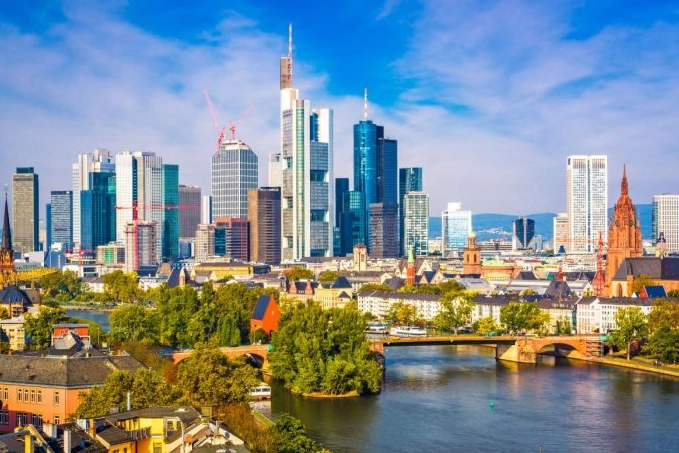
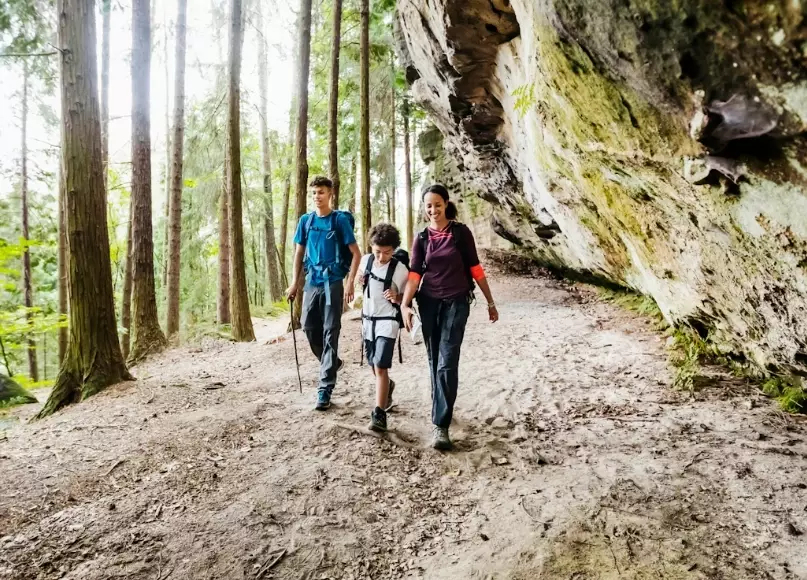
Alright, let's talk about Germany. It's one of those countries that seems to have everything – crazy history, postcard-perfect towns, forests straight out of a fairy tale, and cities that never sleep. But that's also the problem, right? When you're planning your first trip and typing "where to visit in Germany for the first time" into Google, you're hit with a million options. It's overwhelming. Do you chase history in Berlin, get lost in fairy-tale castles, or sip wine by the Rhine?
I remember my first trip. I tried to do it all in a week. Big mistake. I spent half my time on trains, stressed and tired, barely scratching the surface of anywhere. Germany isn't a country you rush. It's a place you experience, one beer hall, one cobblestone street, one stunning view at a time.
So, based on a lot of trial and error (and some truly fantastic successes), here’s my no-nonsense guide to figuring out where to visit in Germany for the first time. We'll break down the must-see cities, the iconic scenic routes you shouldn't miss, and how to string it all together without losing your mind. Forget the generic lists. Let's build a trip that actually makes sense for you.
The Big Three Cities: Your First-Time Foundation
Quick Highlights
Most first-timers will, and should, start with at least one of Germany's major cities. They're transportation hubs, cultural powerhouses, and give you that "big picture" view of the country. Trying to choose? Here’s the vibe of each.
Berlin: The History & Hipster Powerhouse
If you're wondering where to visit in Germany for the first time and you're hungry for 20th-century history and cutting-edge culture, Berlin is your answer. It's not the "prettiest" city in the classic sense – it's raw, sprawling, and packed with stories.
You can't escape the history here. A section of the Berlin Wall still stands at the East Side Gallery, covered in vibrant murals. The Memorial to the Murdered Jews of Europe is a profoundly moving, abstract experience. And checking out the Reichstag Building with its modern glass dome (book free tickets well in advance on the official Bundestag website) is a must for understanding modern German democracy.
But Berlin is also incredibly now. Neighborhoods like Kreuzberg and Neukölln are buzzing with street art, indie shops, and some of the best food markets (like Markthalle Neun) you'll find. My personal tip? Rent a bike. The city is flat and has great bike paths. Getting a little lost in the side streets is the best way to feel the city's energy.
Munich: Tradition Meets Modern Luxury
Munich is the polished, prosperous counterpoint to Berlin. It's the gateway to Bavaria and feels more traditionally "German" to many visitors. Think sprawling beer gardens, magnificent Baroque churches, and world-class museums.
The heart of the city is Marienplatz, with its glockenspiel show (cute, but once is enough). The Viktualienmarkt is a food lover's paradise. And of course, there's the Hofbräuhaus. Look, it's the most touristy beer hall on the planet, but you should pop in for one Maß (liter) of beer just to say you did it. The atmosphere is genuinely electric.
Munich is also your perfect base for day trips. But more on that later.
What surprised me was how elegant and green Munich is. The English Garden is massive, and you can even watch surfers riding a permanent wave in the middle of the city. It's also a shopping haven, from high-end boutiques on Maximilianstraße to quirky finds in the Glockenbachviertel.
Hamburg: The Maritime Metropolis
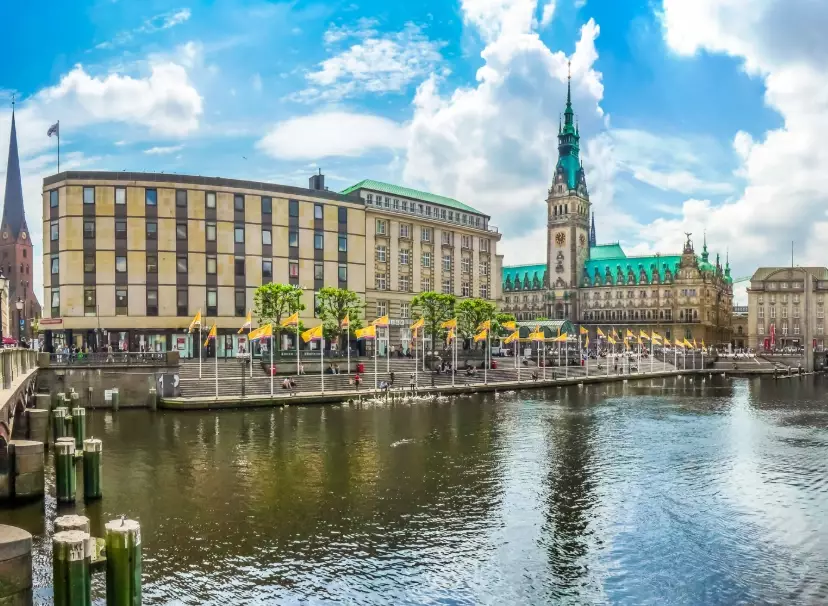
Often overlooked by first-timers, Hamburg is a fantastic alternative if you love waterfronts, architecture, and a slightly more laid-back, maritime vibe. It's Germany's second-largest city and its biggest port.
The Speicherstadt is the world's largest warehouse district, with beautiful red-brick Gothic buildings sitting on timber-pile foundations. Right next door, the stunning Elbphilharmonie concert hall has become the city's new icon. You can go up to the plaza for free for incredible views (book a free time slot online).
The Reeperbahn in St. Pauli is the famous (and infamous) nightlife and entertainment district. It's certainly an experience, but the area has been cleaned up a lot and also has great theaters and music clubs. For a more charming vibe, explore the canals and bridges of the Alster lakes right in the city center.
Hamburg feels wealthy, clean, and incredibly proud of its unique identity. It's less about ticking off ancient monuments and more about soaking in the atmosphere of a city built on water.
Beyond the Cities: The Classic Scenic Routes & Towns
If you only see the cities, you're missing half of Germany's soul. The countryside and smaller towns are where the country's romantic image comes to life. For your first trip, I'd strongly recommend dedicating time to at least one of these iconic regions.
The Romantic Road (Romantische Straße)
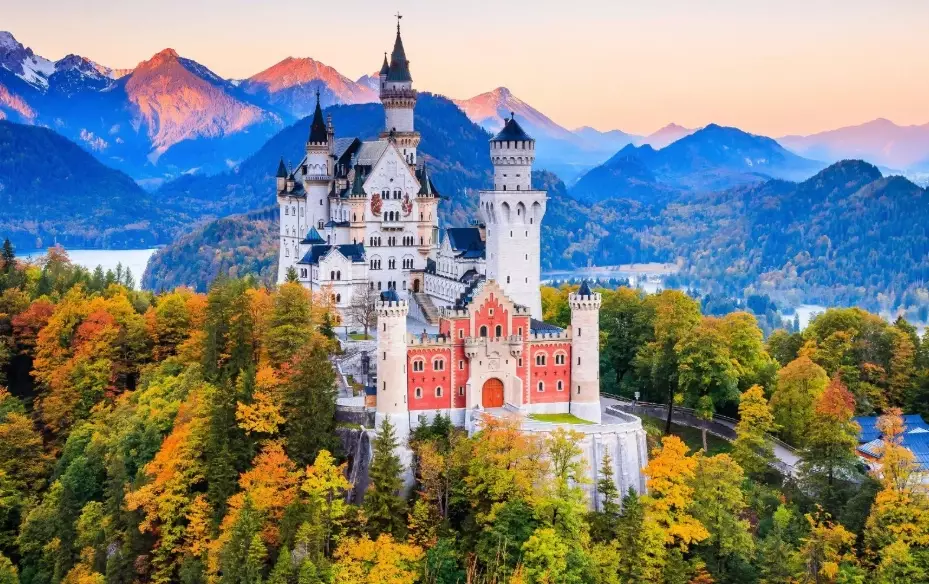
This is probably the most famous scenic route in Germany, and for good reason. It's a well-marked trail connecting picturesque towns and castles between Würzburg and Füssen. It's the answer to "where to visit in Germany for the first time" if you're dreaming of half-timbered houses and storybook settings.
The absolute crown jewel is Neuschwanstein Castle near Füssen. Yes, it's packed. Yes, you need to book your entry ticket online weeks in advance through the Bavarian Palace Department website. But seeing that view from Marienbrücke bridge is one of those travel moments you don't forget. It's the castle that inspired Disney, after all.
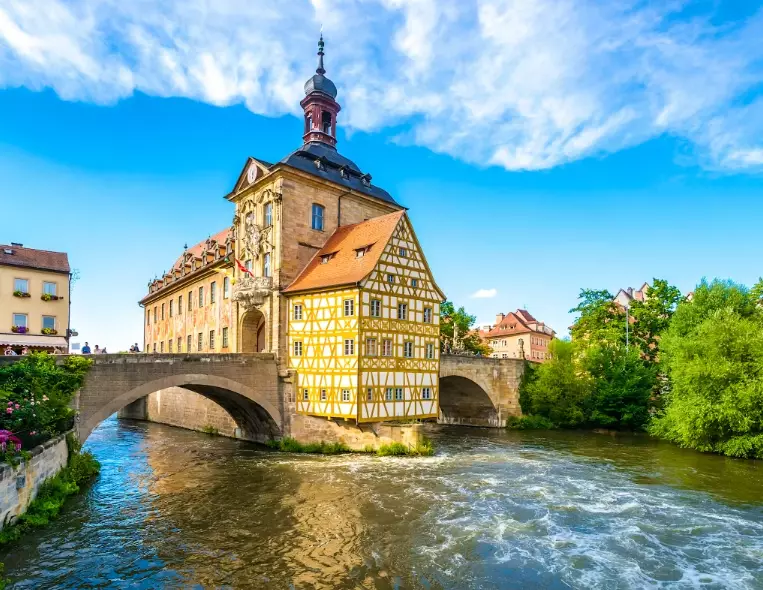
But don't just do a castle dash. The towns along the route are the real charm:
- Rothenburg ob der Tauber: This is the most perfectly preserved medieval town you can imagine. Walking the town walls is a must. It's touristy, but it earns it.
- Dinkelsbühl: Like a quieter, less crowded version of Rothenburg. Just as beautiful, with a lovely market square.
- Nördlingen: A unique town built inside a massive meteor crater! You can walk the completely intact walls and visit the crater museum.
The Rhine Valley: Castles and Wine
Imagine steep vineyards, a mighty river, and a castle on almost every hilltop. That's the Rhine Valley, roughly between Koblenz and Bingen. This is a more relaxed, romantic experience focused on scenery, wine, and river life.
The best way to experience it is by taking a Rhine river cruise. You can hop on a KD Rhine Line ferry for just a few hours between towns like St. Goar and Bacharach. Sitting on the deck, watching the Loreley rock and all those castles go by with a glass of Riesling in hand? Perfection.
My favorite town here is Bacharach. It's small, ridiculously pretty, and has a youth hostel in a castle on the hill above town (Burg Stahleck). Staying there was a highlight of one of my trips.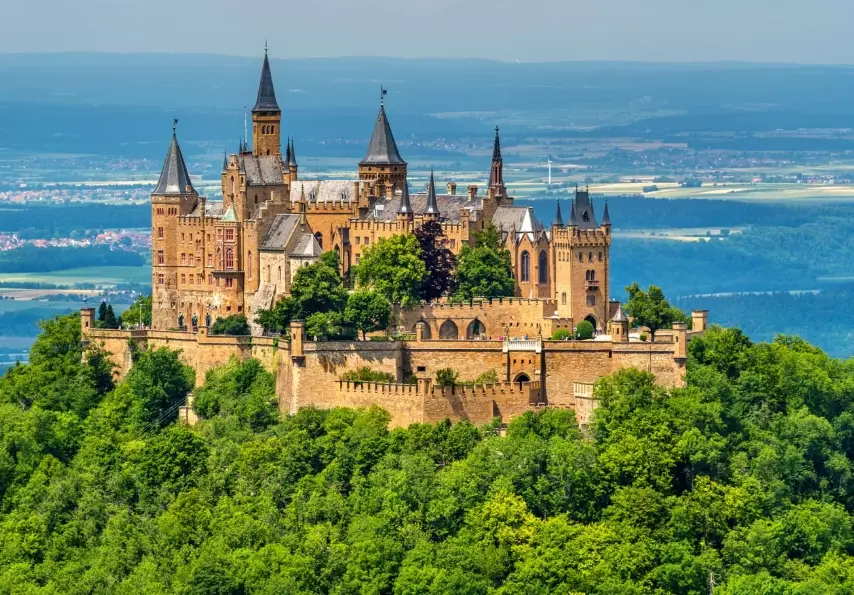
Bavaria's Alpine Majesty
If mountains make your heart sing, use Munich as a springboard into the Alps. The Zugspitze, Germany's highest peak, is accessible by cogwheel train and cable car. The views are staggering.
But the real star is Berchtesgaden National Park. The emerald-green Königssee lake is surrounded by sheer rock faces. You take an electric boat to get there, and the captain plays a flugelhorn to demonstrate the echo. It feels otherworldly. Nearby, the Eagle's Nest (Kehlsteinhaus) offers another dramatic historical site with insane panoramic views (accessible by special bus in summer).
This area is less about ticking off towns and more about raw natural beauty. Hiking boots are highly recommended.
Putting It All Together: Sample First-Time Itineraries
So how do you actually build a trip from all this? It depends entirely on your time and pace. Here are two solid frameworks for figuring out where to visit in Germany for the first time.
| Itinerary Focus | Duration | Route | Best For |
|---|---|---|---|
| The Classic Introduction | 10-12 Days | Berlin (3-4 days) → Munich (3 days) → Day trip to Neuschwanstein/Dachau → Romantic Road towns (Rothenburg, 2 days) → Rhine Valley (Bacharach, 2 days) → Frankfurt (departure) | First-timers who want a broad mix of history, city life, and iconic countryside. Uses trains and maybe a rental car for the Romantic Road. |
| The Bavarian Deep Dive | 7-10 Days | Munich (3 days) → Day trip to Dachau → Neuschwanstein & Füssen area (2 days) → Garmisch-Partenkirchen/Zugspitze (1 day) → Berchtesgaden & Königssee (2 days) → Salzburg, Austria (optional day trip) → Back to Munich | Travelers fascinated by castles, mountains, and Alpine culture. Easily done with trains and regional buses. |
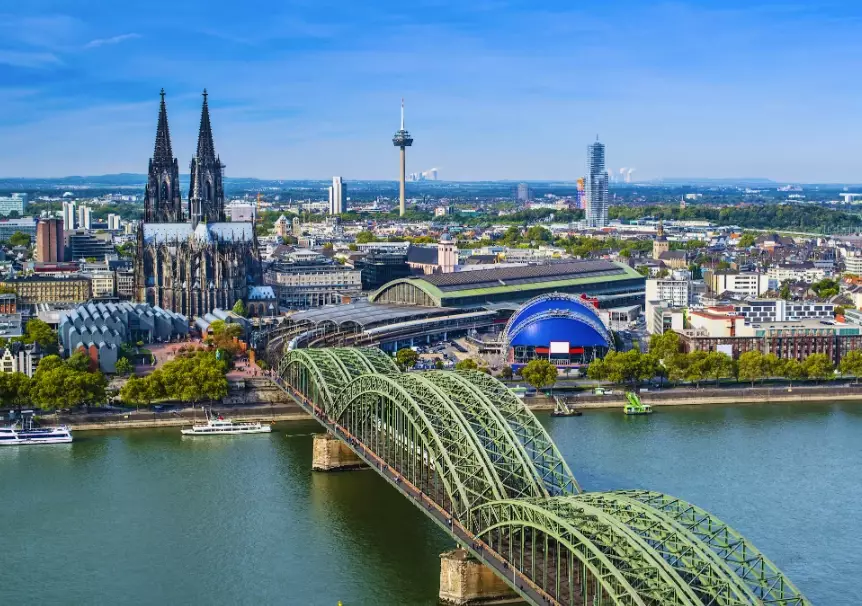
| The City & Scenic Combo | 8-10 Days | Hamburg (3 days) → Train to Cologne (see the cathedral, 1 day) → Rhine Valley cruise & stay (Bacharach, 2 days) → Heidelberg (castle & old town, 2 days) → Frankfurt (departure) | A less-traveled route focusing on northern/central Germany's maritime and riverine beauty, with stunning architecture. |
My biggest advice? Don't try to be an itinerary hero. Pick one base and explore from there, or connect two, maybe three key spots with comfortable travel days in between. Rushing is the enemy of enjoyment in Germany.
The Nitty-Gritty: Practical Tips for Your First Trip
Alright, let's get practical. Here are the things I wish I knew before my first trip, the stuff that makes everything smoother.
Getting Around: Trains, Cars, and Your Feet
Germany's Deutsche Bahn (DB) train network is excellent. For long-distance trips (like Berlin to Munich), book ICE (InterCity Express) tickets in advance on bahn.com for the best prices. The savings can be huge compared to buying last-minute.
For regional travel, look into state-specific day passes like the Bayern-Ticket (Bavaria) or Quer-durchs-Land-Ticket (nationwide regional trains). They're fantastic value for small groups traveling together.
Renting a car is great for the Romantic Road, Black Forest, or Alpine areas. Just know that city centers often have restricted environmental zones (you need a sticker, which rental companies usually provide) and parking is expensive and tricky. Autobahns are famous for no speed limits on some sections, but don't feel pressured to go fast. Stay in the right lane unless passing.
And walk! German cities are very walkable, with excellent local public transport (U-Bahn, S-Bahn, trams) to fill in the gaps.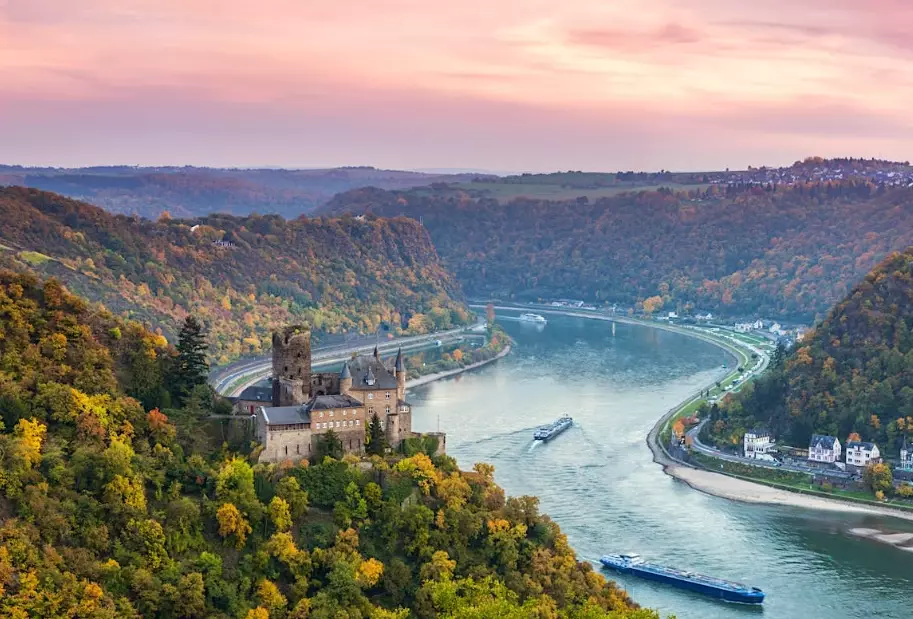
When to Go & What to Pack
Spring (May-June) and Fall (September-October) are my favorite times. The weather is generally mild, crowds are thinner than in peak summer, and the landscapes are beautiful. Summer (July-August) is peak season – busy and more expensive, but great for outdoor beer gardens and hiking. Winter is for Christmas markets, which are magical, but days are short and cold.
Pack comfortable, waterproof walking shoes. Seriously. Cobblestones are unforgiving. Layers are key, as weather can change quickly. A small daypack, a reusable water bottle (tap water is safe, but often not served in restaurants), and a plug adapter (Type F) are essentials.
Money, Tipping, and Language
Germany uses the Euro. Cards are widely accepted, but it's still a bit more cash-oriented than some countries. Always have some euros on you, especially for smaller shops, markets, and beer gardens.
Tipping is appreciated but not as percentage-heavy as in the US. For good service, it's customary to round up the bill or add 5-10%. Just tell the server the total you want to pay (e.g., if the bill is 18.50€, say "20 Euro" as you hand over a 20€ note).
You can get by with English in most tourist areas, but learning a few basic German phrases goes a long way. "Guten Tag" (Good day), "Bitte" (Please/You're welcome), "Danke" (Thank you), and "Entschuldigung" (Excuse me) will be appreciated. Don't worry about perfect grammar; the effort matters.
First-Timer FAQs: Quick Answers to Common Worries
Final Thoughts: Trust Your Own Travel Style
At the end of the day, the best answer to "where to visit in Germany for the first time" is the one that gets you excited. Are you a history buff drawn to Berlin's weighty past? A romantic dreaming of castle spires? A hiker craving alpine air? Or a urban explorer who wants to see how a modern European powerhouse lives?
Germany has layers. You can enjoy the surface-level icons – and they're fantastic – but be open to wandering down a side street, striking up a conversation in a beer garden (many Germans speak great English and are friendly once you break the initial reserve), or just sitting by a river with a book.
Don't stress about seeing it all. Pick a focus, plan a loose framework, and leave room for the unexpected discoveries. That's where the real magic happens. Have a fantastic first trip – or as they say in Germany, Gute Reise!