Quick Guide
- Getting to Know the German Museum Munich
- Planning Your Visit: The Essential Pre-Trip Checklist
- Navigating the Vast German Museum Munich: A Floor-by-Floor Strategy
- Beyond the Exhibits: Experiences, Food, and Souvenirs
- Common Questions & Practical Answers About the German Museum Munich
- Final Verdict: Is the German Museum Munich Worth It?
Let's talk about the German Museum Munich. You've probably heard of it. Maybe a friend mentioned it, or you saw it listed as a top thing to do in Munich. It's one of those places that sounds impressive—"world's largest museum of science and technology"—but what does that actually mean for you as a visitor? Is it worth a whole day of your Munich trip, especially with so many beer gardens and historic squares calling your name?
I wondered the same thing before my first visit. I pictured dusty old engines and confusing diagrams. I was so wrong.
Walking into the main hall of the German Museum Munich is like stepping into a cathedral of human ingenuity. It's not just a collection of objects; it's the story of how we figured stuff out. From the first flicker of a light bulb to the complex machinery that powers our world, it's all here, and most of it you can touch, crank, and interact with. That's the magic they don't always tell you about upfront.
The Core Idea: The Deutsches Museum (its official German name) isn't about passively looking. It's about understanding. Founded in 1903 by Oskar von Miller, its mission was to make technical and scientific achievements accessible to everyone. That spirit is still alive today on its island in the Isar River.
But here's the real talk. The place is massive. Over 28,000 exhibited objects across roughly 50 themed sections. You can't see it all in one day without turning into a exhausted, culture-shocked zombie. That's where most guides fail you—they list the exhibits but don't give you a strategy.
This guide is different. We're going to cut through the overwhelm. I'll give you the lay of the land, the absolute must-sees, the quiet spots most people miss, and the practical nitty-gritty that makes or breaks a visit. Think of me as your friend who's been there a few times and made all the mistakes so you don't have to.
Getting to Know the German Museum Munich
First, let's clear up the name. In English, it's commonly called the German Museum of Masterpieces of Science and Technology, but everyone just says the German Museum Munich or the Deutsches Museum. It's the big one on the museum island (Museumsinsel). Don't confuse it with the other branches like the Deutsches Museum Verkehrszentrum (Transportation Center) or the Flugwerft Schleißheim (Aviation Museum), though those are fantastic too if you have extra time.
The main museum sits on an island in the Isar River, a short walk from the city center. The building itself is a historic landmark, and just crossing the bridge to it feels like an event. You're leaving the buzz of the city and entering a realm dedicated to discovery.
What's the vibe like? It's not a quiet, hushed art gallery. It's bustling, full of energy. You'll hear the clanks from demonstrations, the "oohs" from kids launching paper rockets, and the constant hum of people figuring things out. It's genuinely fun.
My first impression? I was stunned by the scale. The main atrium soars several stories high, filled with airplanes hanging from the ceiling and massive ships' propellers. It instantly shatters any expectation of a boring, textbook museum.
What Makes It Special (And What Doesn't)
Every museum has its strengths. The German Museum Munich's superpower is breadth and depth. You can see the original laboratory bench where the nuclear fission of uranium was first demonstrated (a profoundly historic moment). Then, walk 100 meters and operate a replica of a medieval crane. The timeline it covers is staggering.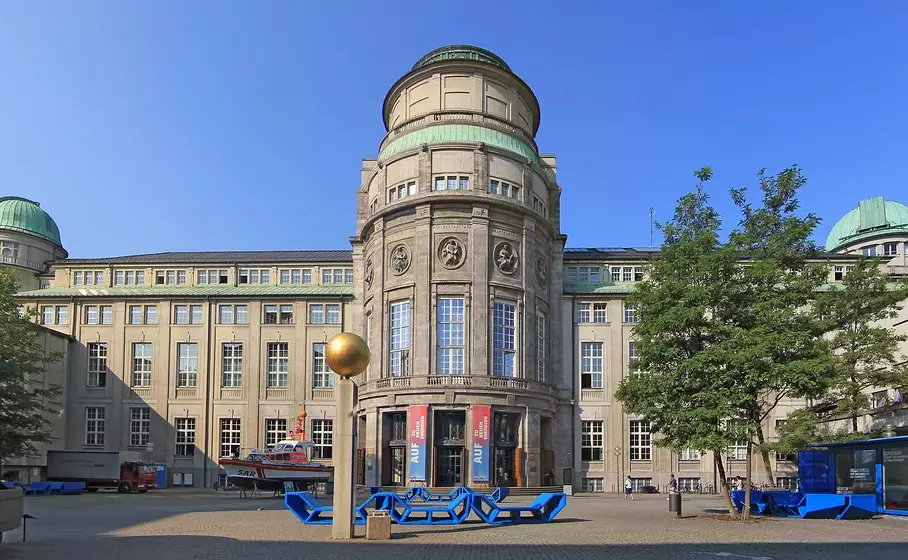
Its other strength is hands-on interaction. This is a godsend for families or anyone who gets bored just reading plaques. You can generate electricity by pedaling a bike, play with optical illusions, and experiment with hydraulic levers. It makes complex principles feel intuitive.
Now, a small gripe. Some of the older exhibit labels are only in German. While major displays have English translations, you might miss some nuanced details in sections like the traditional crafts areas. It's not a deal-breaker, but be prepared to use the museum's excellent app or audio guide to fill in the gaps.
Also, because it's so vast, some areas feel more curated and modern than others. The newer exhibitions on nanotechnology and robotics are sleek and interactive. A few older halls, while fascinating historically, have a more classic (read: slightly dated) museum feel. I actually like this contrast—it shows the museum's own evolution.
Planning Your Visit: The Essential Pre-Trip Checklist
Fail to plan, plan to have sore feet and see only 10% of the museum. A little preparation goes a very long way here.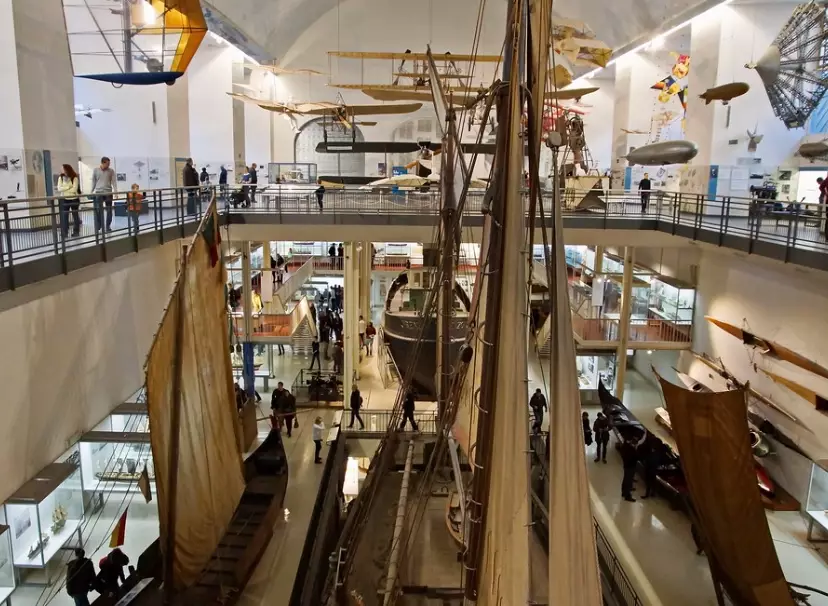
Tickets, Times, and Getting There
Let's get the logistics out of the way. This is the boring but crucial stuff.
| What | Details | Pro Tip |
|---|---|---|
| Opening Hours | Daily 9:00 AM to 5:00 PM. | Be at the doors at 9 AM sharp if you want quiet time with the most popular exhibits. The crowd builds by 11 AM. |
| Ticket Price (Standard) | Around €15 for adults. Concessions available. | Check the official Deutsches Museum website for the latest prices and to buy online. Online tickets can save you queuing. |
| Location & Address | Museumsinsel 1, 80538 München. | It's "Museum Island." Easy to find on any map. |
| Public Transport | U-Bahn: Fraunhoferstraße (U1, U2). Tram: 18 to Deutsches Museum. Bus: 132. | The U-Bahn stop is a 5-minute walk. Very convenient. |
| Best Time to Visit | Weekday mornings. Avoid school holidays if possible. | Rainy days are perfect for the German Museum Munich—it's all indoors! |
Should you buy a Munich City Tour Card? If the museum is your only major paid attraction, maybe not. But if you're planning to hit several museums and use a lot of transport, run the numbers. The museum's own website has a clear page on tickets and prices which is the ultimate source of truth.
Insider Move: The museum offers a "Family Ticket" which is great value for 2 adults and their kids. Also, entry is often free on certain Sundays—but expect it to be very crowded. I'd rather pay for a peaceful Tuesday.
How Much Time Do You Really Need?
This is the million-dollar question. Here's my honest breakdown:
- The "Highlights Blitz" (3-4 hours): You're pressed for time. You'll see the iconic pieces in the main hall, hit one or two sections you're passionate about (say, aerospace and energy), and leave with a good overview. You'll feel a bit rushed, but it's doable.
- The "Solid Experience" (5-6 hours): This is the sweet spot for most visitors. You can cover 4-5 major sections in depth, catch a demonstration or two, have a relaxed lunch, and not feel completely drained.
- The "Deep Dive" (Full Day or Two Days): You're a true enthusiast, a family with curious kids, or a student. You can read the plaques, try most interactive stations, and explore niche sections like musical instruments or pharmacy. The museum ticket is valid for the entire day, so you can even leave for a coffee on the river and come back.

My recommendation? Block out at least 5 hours. It's that kind of place.
Navigating the Vast German Museum Munich: A Floor-by-Floor Strategy
Okay, you're inside. The map looks like a subway system for nerds. Don't panic. The museum is logically organized, but having a plan is key.
First, grab a free floor plan at the info desk. Second, download their official app. It has maps, highlights tours, and extra information. It's a lifesaver.
The Unmissable Highlights (The "Top 5" List)
If you see nothing else, make a beeline for these. They are the crown jewels of the German Museum Munich for a reason.
- The Original First Diesel Engine (Ground Floor, Energy Technology): It's a humble-looking metal cylinder, but it changed the world. Rudolf Diesel's 1897 prototype. Standing next to it gives you chills.
- The Historic Aircraft Collection (Upper Floors, Aerospace): From fragile Wright Brothers-era planes to a Junkers Ju 52 suspended in flight. The hall itself is spectacular. You can walk right under them.
- The Full-Size U1 Submarine Section (Lower Level, Marine Navigation): You can walk through a sliced-open, real submarine from the 1960s. It's cramped, fascinating, and smells faintly of oil and history. Kids (and adults) love it.
- The High-Voltage Demonstration (Check daily schedule): This isn't a static exhibit. It's a show where a scientist creates massive, crackling lightning bolts right in front of you. It's loud, bright, and utterly thrilling. Schedule your visit around it.
- The Astronautics Section (Aerospace): Featuring actual spacecraft and satellites. The sheer scale of the rocket engines is mind-boggling. It puts our place in the universe into perspective.
Honestly, the aerospace hall blew my mind. Seeing the evolution from cloth-and-wood biplanes to sleek metal jets, all in one room, tells a story no book can.
Hidden Gems Most Visitors Miss
The crowds tend to cluster around the big-ticket items. Wander down a quieter corridor, and you'll find magic.
- The Papermaking Workshop (Upper Floor): You can often see real paper being made by hand using traditional methods. It's a quiet, craftsmanslike counterpoint to the roaring engines.
- The Pharmacy Collection (Ground Floor): Filled with beautiful old apothecary jars, bizarre medical instruments, and the history of medicine. It's like a set from a historical drama.
- The Tunnel to the "New" Building: From the main island, a pedestrian tunnel leads to an annex with newer exhibitions on topics like robotics, nanotechnology, and the future. It feels like stepping into a different, ultra-modern museum. Many people don't realize it's there.

I stumbled into the musical instruments section by accident. They have a "silent room" where you can put on headphones and hear the exact sound of a 300-year-old harpsichord being played. It was a strangely intimate moment in the middle of the bustling museum.
A Practical Floor Plan for a 5-Hour Visit
Here's a sample itinerary that works well:
Hour 1: Start on the Ground Floor. Hit the main atrium to get wowed by the scale. Then, move to Energy Technology for the diesel engine and early power generation. Peek into Marine Navigation to see the submarine bow.
Hour 2: Head to the Upper Floors for Aerospace. Spend a solid hour here. Don't just look up—the display cases with model rockets and space suits are equally fascinating.
Hour 3: Time for a break. Go to the museum cafeteria or your packed lunch. Then, choose your adventure based on interest: Automotive for car lovers, Chemistry for cool interactive displays, or Textile Technology for something uniquely human.
Hour 4: Take the tunnel to the New Building (if open). Explore the future-focused exhibits on robotics, AI, and new materials. It's a great contrast.
Hour 5: Circle back to catch the High-Voltage Demonstration (if timed right) or visit one last section that caught your eye on the map. Browse the shop on your way out.
Reality Check: Your feet will be tired. The floors are hard. Wear the most comfortable shoes you own. This is non-negotiable.
Beyond the Exhibits: Experiences, Food, and Souvenirs
A museum visit isn't just about seeing things. It's about the whole day.
Guided Tours and Demonstrations
The German Museum Munich comes alive through its daily program. The demonstrations are not cheesy; they're conducted by knowledgeable explainers.
- High-Voltage Demo: As mentioned, the star of the show.
- Papermaking: Gentle and fascinating.
- Histian Smithy: They actually fire up a forge and work metal.
Check the daily schedule board as soon as you enter. Plan your route around the demo times that interest you. They are included in your ticket price.
Guided tours in English are available for a fee and are excellent for getting deep context. For most, the free highlights audio guide on the app is sufficient.
Eating at the Museum
You have options:
- The Main Cafeteria: Standard museum fare—sandwiches, soups, cakes, coffee. It's fine, a bit utilitarian, and can get crowded at peak lunch (1 PM). Prices are okay for Munich.
- The Restaurant: Slightly more upscale, with traditional German dishes. Better for a sit-down meal.
- The Best Option (My Opinion): Pack a sandwich and a drink. There are benches along the Isar River right outside the museum entrance. On a nice day, having lunch by the water, watching the ducks and the city go by, is a perfect Munich moment and a nice break from the indoor bustle.
What to Buy at the Shop
The museum shop is huge and surprisingly good. Skip the generic keychains.
Look for:
- High-quality replicas of historical blueprints or technical drawings.
- Beautiful books on specific topics (aviation, ships, inventors).
- Sophisticated science kits and build-your-own model kits that are a cut above toy store stuff.
- Postcards of the quirky, lesser-known exhibits you photographed.
It's a great place to find a unique gift that isn't another Bavarian beer stein.
Common Questions & Practical Answers About the German Museum Munich
Final Verdict: Is the German Museum Munich Worth It?
Let's cut to the chase. If you have even a passing interest in how the modern world was built—from the lights in your house to the phone in your pocket—then yes, a thousand times yes. It's not just a museum; it's an experience that reframes your perspective.
Is it perfect? No. It can be overwhelming. Some parts feel like a time capsule from the 1980s museum design. You will get tired.
But the magic far outweighs the flaws. Where else can you journey from a medieval mine to a microchip in an afternoon? The value for money, considering the sheer volume and quality of what's on display, is exceptional.
The key is to go in with a plan, comfortable shoes, and a sense of curiosity. Don't try to conquer it. Let it reveal itself to you section by section.
Pick two or three themes you love, discover one hidden corner, and watch one spectacular demonstration. Do that, and you'll leave the German Museum Munich not just informed, but genuinely inspired. You'll have touched history, literally and figuratively. And really, that's what travel—and great museums—are all about.
So, will you be adding it to your Munich itinerary? Trust me, you should.