Your Quick Germany Guide
- Crafting Your Germany Itinerary: The Foundation
- The Classic 10-Day Germany Itinerary (The Grand Tour)
- Extending to a 14-Day Germany Itinerary: Go Deeper
- Germany Itinerary 7 Days: When Time is Tight
- Beyond the Route: Essential Germany Travel Tips
- Germany Itinerary FAQs: Your Questions, Answered
- Final Thoughts: Making It Your Own
Let's be honest, planning a trip to Germany can feel overwhelming. You've got medieval towns that look straight out of a fairy tale, buzzing modern cities, forests so deep they have their own legends, and more castles than you can possibly visit. Where do you even start? Do you focus on the classics, or try to find those hidden spots nobody talks about? How many days do you actually need?
I've been there. My first trip, I tried to cram way too much into a week and spent half of it on trains, exhausted. Not ideal.
This guide is here to save you from that. Think of it as a chat with a friend who's made the mistakes, so you don't have to. We'll break down everything from the classic 10-day Germany itinerary routes to the little details that most guides skip—like how to actually buy a train ticket without confusion, or which towns are worth an overnight stay versus just a quick stroll.
Crafting Your Germany Itinerary: The Foundation
Before we jump into day-by-day plans, let's talk basics. Skipping this is like building a house on sand—your whole Germany travel itinerary might collapse under poor planning.
First up, time. How many days for a Germany itinerary is realistic? Honestly, you can't see it all in one go. Germany is bigger and more diverse than many first-time visitors expect. A 10-day Germany itinerary is the sweet spot for a first visit, hitting the major highlights without a frantic pace. With 14 days, you can breathe, explore deeper, and add a region or two. A 7-day trip means you'll need to focus on just one or two areas.
Then there's the season. It completely changes the experience. Summer (June-August) is peak season. The weather is great for hiking and beer gardens, but expect crowds in places like Neuschwanstein and higher prices. Shoulder seasons—late April to early June, and September to October—are my personal favorites. Fewer people, pleasant weather, and you might catch the world-famous Oktoberfest if you time it for late September (but book accommodations a year in advance!). Winter is all about Christmas markets, which are magical, but daylight is short and some rural attractions may have limited hours.
Getting around is the next big question. The German rail system, operated mainly by Deutsche Bahn (DB), is brilliant for a Germany itinerary. It's efficient, connects all major cities and many towns, and trains are comfortable. For flexibility, especially to reach remote castles or villages, renting a car is superb. Just be prepared for rules like no passing on the right on the Autobahn (yes, some sections have no speed limit, but many do, so watch the signs).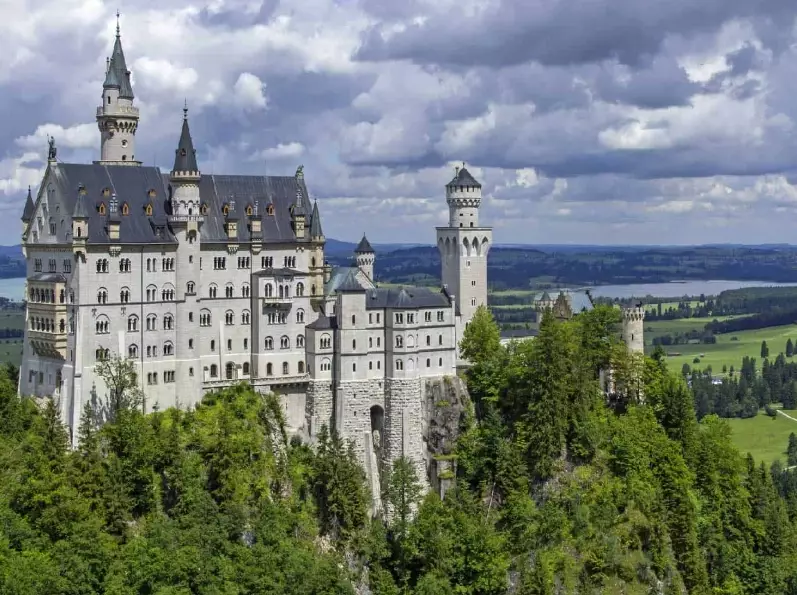
Here’s a quick comparison to help you decide on the scope of your Germany itinerary:
| Itinerary Length | Best For | Key Advantage | Potential Drawback |
|---|---|---|---|
| 7 Days | First-timers short on time, city lovers | High-impact, focused trip | Feels rushed; must make tough choices |
| 10 Days | The classic first major trip | Great balance of cities, towns, and scenery | Still requires a good pace |
| 14 Days | Travelers who want depth & a relaxed pace | Can explore a second region (e.g., Black Forest, Saxon Switzerland) | Requires more vacation time & budget |
Accommodation? Book major cities well ahead, especially for festivals. In smaller towns, you can sometimes be more spontaneous. I'm a fan of small family-run guesthouses ("Pension" or "Gasthof") for authentic local feel and often great breakfasts.
And budget. Germany isn't the cheapest, but it's not Scandinavia-expensive either. You can manage costs by using regional train passes, eating at casual eateries (look for "Imbiss" for quick, cheap bites), and prioritizing what you spend on—maybe splurging on a castle hotel but saving on lunches.
The Classic 10-Day Germany Itinerary (The Grand Tour)
This is the route I recommend to most friends asking for a first-time Germany itinerary. It gives you a phenomenal overview: history, culture, urban energy, small-town charm, and stunning landscapes.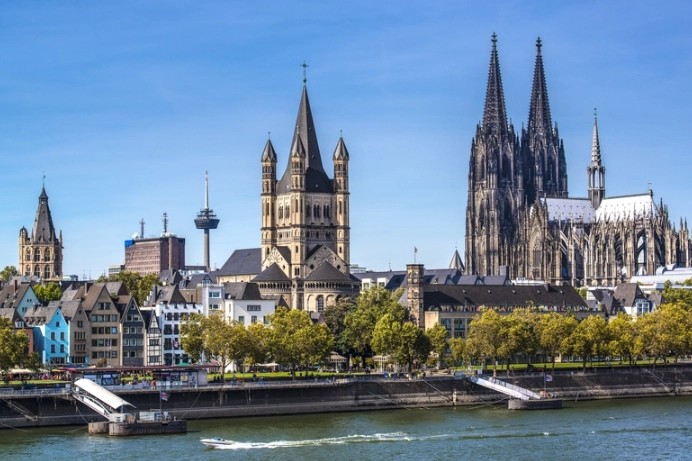
Days 1-3: Berlin – The Capital with a Edge
Start in Berlin. This city is a history book come to life, but it's not pretty in a traditional sense. It's raw, creative, and endlessly fascinating.
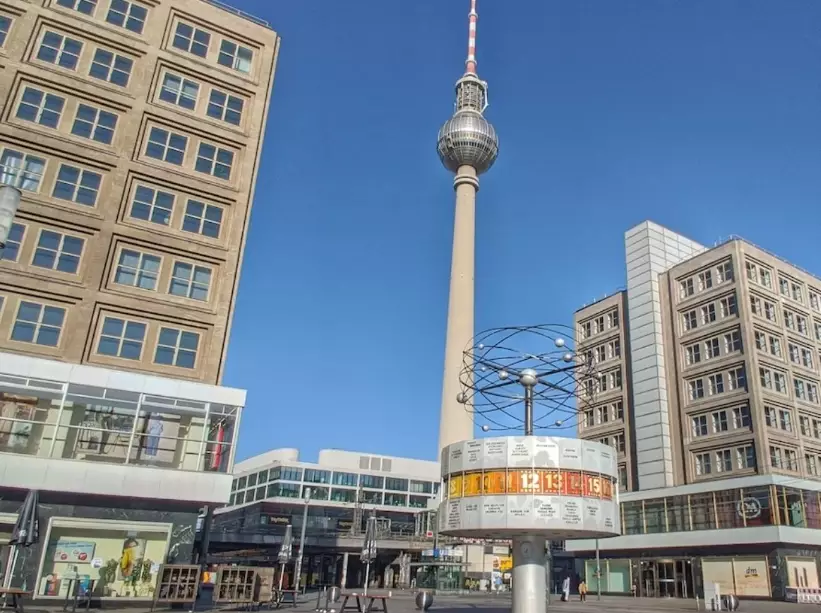
Spend your first day getting oriented. Walk from the iconic Brandenburg Gate down Unter den Linden, past the Humboldt Forum (the rebuilt Berlin Palace), to Museum Island. A boat tour on the Spree River is a relaxing way to see many landmarks. Day two is for heavy history. Visit the Memorial to the Murdered Jews of Europe and the Topography of Terror documentation center. The East Side Gallery, a stretch of the Berlin Wall covered in art, is a must. On your third day, dive into neighborhoods. Kreuzberg for its gritty, alternative vibe and fantastic Turkish market, or Prenzlauer Berg for its beautiful pre-war buildings and cafes.
Where to stay? Mitte is central but can be pricey. I prefer staying near a U-Bahn station in Charlottenburg or Friedrichshain for better value and local flavor.
Days 4-5: Dresden & Saxon Switzerland (A Scenic Detour)
Take a 2-hour train from Berlin to Dresden. This city, once known as the "Florence on the Elbe," was brutally bombed in WWII and has been painstakingly rebuilt. The Frauenkirche and the Zwinger palace complex are breathtaking. It's a stunning contrast to Berlin's modernity.
But here's the secret sauce of this Germany itinerary: use Dresden as a base for a day trip to Saxon Switzerland National Park (Sächsische Schweiz). It's a 45-minute train ride to the town of Bad Schandau. From there, hike or take a bus to the Bastei Bridge. The views of sandstone pillars and the Elbe River are unlike anything else in Germany. It's a perfect nature break between cities.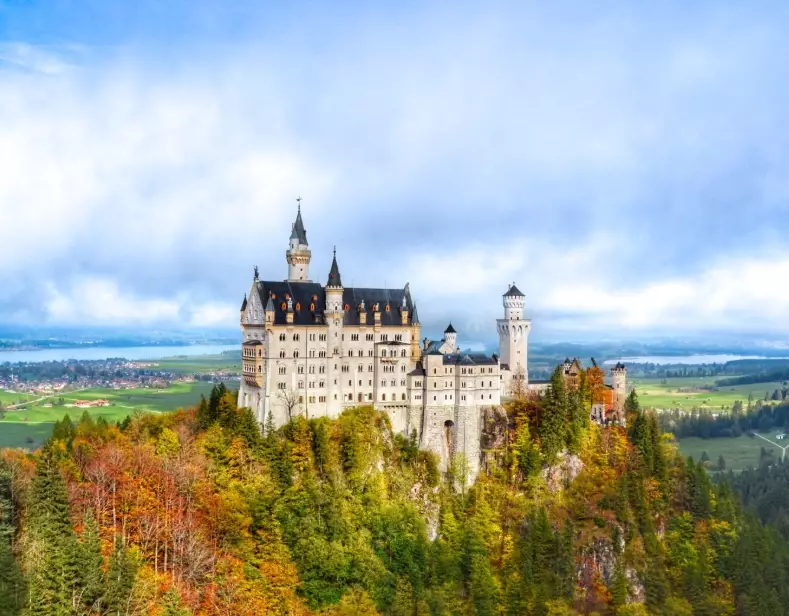
Days 6-7: Nuremberg & Rothenburg ob der Tauber (Medieval Heart)
Train to Nuremberg (about 4 hours from Dresden). Nuremberg is more than its dark WWII history (the Nazi Party Rally Grounds are worth a sobering visit). Its medieval Old Town, with the towering Imperial Castle and the Hauptmarkt square, is gorgeous. Try the city's famous Nürnberger Rostbratwürste—small, delicious sausages.
On day 7, take a short train (about 1.5 hours) to Rothenburg ob der Tauber. Yes, it's touristy. Yes, it can feel like a medieval theme park during the day. But spend the night. Once the day-tripper buses leave, you get the town back. Walking the completely intact town walls at dusk is magical. The Criminal Museum is weirdly fascinating. This is the postcard-perfect Germany you dreamed of.
Days 8-10: Munich & Neuschwanstein (Bavarian Finale)
From Rothenburg, head to Munich (about 3 hours by train, often with a change in Nuremberg). Munich is wealthy, confident, and deeply Bavarian. Spend your first afternoon at the Viktualienmarkt food market and in the Hofbräuhaus (for the experience, not necessarily the best beer). Dedicate a full day to art at the Alte Pinakothek or science at the Deutsches Museum, one of the world's largest.
The non-negotiable day trip is to Neuschwanstein Castle. Book your castle entry ticket online weeks in advance. The hike up to Marienbrücke (Mary's Bridge) for the classic photo is steep but worth it. Many tours combine it with Linderhof Palace. Frankly, the interior of Neuschwanstein is unfinished and less impressive than the exterior, but that view… it defines a Germany itinerary.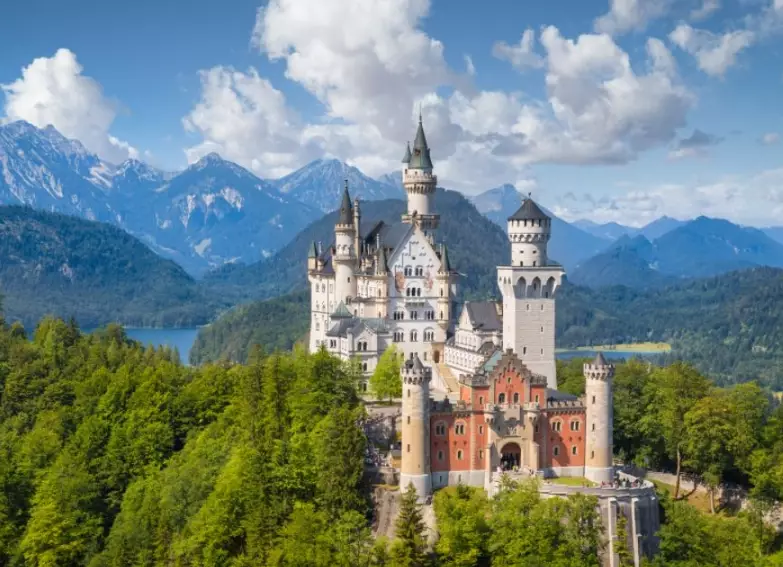
End your trip in Munich's English Garden, watching surfers ride the standing wave in the middle of the city. It's the perfect, quirky farewell.
Extending to a 14-Day Germany Itinerary: Go Deeper
With 14 days, you can relax the pace of the 10-day route or, better yet, add one of these incredible regions. This is where your Germany travel itinerary becomes truly special.
Option A: The Romantic Road & The Black Forest
After Rothenburg, instead of heading straight to Munich, rent a car and drive south along the Romantic Road (Romantische Straße). Stop in Dinkelsbühl (less crowded than Rothenburg, equally beautiful) and Nördlingen (a town built inside a meteorite crater!). End in Füssen for Neuschwanstein.
Then, drive west into the Black Forest. Base yourself in a town like Triberg (home to Germany's highest waterfalls and the world's largest cuckoo clock) or Freiburg, a vibrant university city with a stunning cathedral. Hike through deep woods, visit the Open-Air Museum Vogtsbauernhof to see traditional farmhouses, and obviously, eat Black Forest Gateau. From here, you can easily train to Frankfurt for your flight out.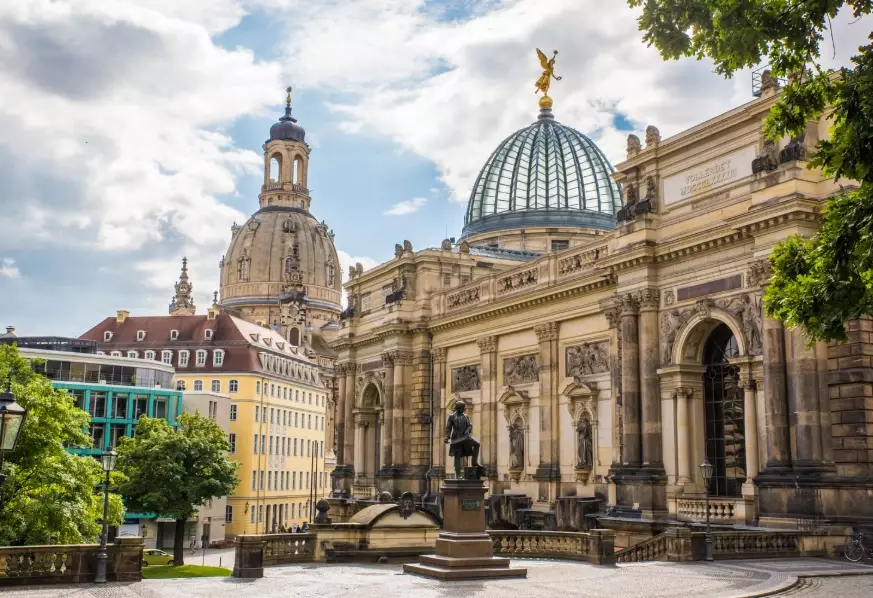
Option B: The Rhine Valley & Cologne
After your time in the Frankfurt area (or instead of the Saxon Switzerland detour), head west. Cologne is worth a day for its mind-blowing Gothic cathedral alone. The climb to the top is a workout with a reward.
Then, the highlight: the Rhine Valley. Stay in a town like Bacharach or St. Goar. This is not a place to rush. The point is to sit by the river, watch the barges and cruise ships go by, and visit castles. Take the KD Rhine ferry for a few stops—the view from the water is the best. Hike up to Burg Rheinfels or Burg Katz for panoramic views. This region is slower, romantic, and soaked in wine culture. It complements the busy cities perfectly in a two-week Germany itinerary.
Here’s a quick list of "Can't-Miss" experiences that often get buried in lists:
- Speicherstadt in Hamburg: If you fly into Hamburg, this warehouse district on canals is a UNESCO site and stunning at night.
- Bamberg: A town often missed for Rothenburg, but its UNESCO old town and unique smoked beer (Rauchbier) are incredible.
- Lake Constance (Bodensee): For a summer trip, the lakeside towns like Meersburg and the flower island of Mainau are idyllic.
- Harz Mountains: For a truly off-beat, forested region with narrow-gauge steam trains and the quirky town of Wernigerode.
Germany Itinerary 7 Days: When Time is Tight
Only got a week? Don't try to do the grand tour. You'll see nothing but train interiors. Focus is key. Here are two solid 7-day Germany itinerary options:
Option 1: The Berlin & Prague Combo. Start in Berlin (3 days), then take a 4.5-hour train to the stunning Czech capital, Prague (4 days). It's two incredible Central European cities with very different vibes. The train journey through Saxon Switzerland is beautiful.
Option 2: The Bavarian Deep Dive. Fly into Munich. Spend 2-3 days in Munich, then rent a car or use regional trains. Do a day trip to Neuschwanstein. Spend 2 nights in the Alps around Garmisch-Partenkirchen (hike Partnach Gorge, take the cogwheel train to Zugspitze, Germany's highest peak). Then, 2 nights in a Romantic Road town like Rothenburg or Dinkelsbühl. This gives you a concentrated dose of the classic "Bavarian" Germany image.
"A focused 7-day Germany itinerary is always better than a frantic, pan-European dash. Depth over breadth every time."
Beyond the Route: Essential Germany Travel Tips
A Germany itinerary is more than a list of places. These practical tips will make it work.
Money & Costs
Cash is still king in many smaller shops, bakeries, and restaurants. Always have some euros on you. Cards are widely accepted in cities, but don't assume. A daily budget of €80-120 per person for meals, attractions, and local transport is realistic for mid-range travel. Museums can be €10-15 each. Save with city tourist cards that include transport and entry discounts.
Getting Around Like a Pro
For trains, the DB Navigator app is essential. It has live schedules, platform info, and you can buy tickets. For regional travel, look into Länder-Tickets. These are day passes for unlimited travel on regional trains within a single German state, perfect for day trips. They are cheap for groups (up to 5 people). For long-distance trips, book "Sparpreis" (saver) tickets in advance for the best price—they're like airline tickets, price goes up as the date nears.
Food & Drink You Must Try
It's not all sausages and pretzels (though do try those).
- Regional Specialties: In Berlin, Currywurst. In Bavaria, Weisswurst (white sausage) with sweet mustard before noon. In Swabia (Stuttgart area), Maultaschen (meat-filled pasta pockets). In the north, Fischbrötchen (fish sandwich).
- Bread: German bread culture is a UNESCO intangible cultural heritage. Visit a bakery (Bäckerei) every morning.
- Drinks: Obviously beer, but also try Apfelschorle (apple juice mixed with sparkling water) and Glühwein (mulled wine) in winter.
Language & Etiquette
While most Germans in tourist areas speak excellent English, learning a few basics (Guten Tag, Danke, Bitte) is appreciated. A big one: say "Prost!" (cheers) and make eye contact when clinking glasses—it's a tradition. Also, don't jaywalk. Seriously, you'll get looks. Wait for the green "Ampelmännchen" (the little traffic light man).
Germany Itinerary FAQs: Your Questions, Answered
Final Thoughts: Making It Your Own
The best Germany itinerary is the one that excites you. Love cars? Add a day at the Porsche or Mercedes Museum in Stuttgart. A history buff? Spend more time in Berlin's museums or at the Roman ruins in Trier. A hiking enthusiast? Swap a city day for the Berchtesgaden National Park.
Use the frameworks here—the 10-day classic, the 14-day extensions—as a skeleton. Then add the flesh based on what you love. Maybe you skip Dresden and go straight to the Rhine. Perhaps you find the idea of Neuschwanstein too touristy and prefer the castles along the Moselle. That's perfect.
The goal isn't to check every box. It's to come home with your own stories—the taste of a perfect schnitzel in a Munich beer garden, the quiet awe inside Cologne Cathedral, the misty morning view from a Rhine castle, or the simple pleasure of getting the hang of the U-Bahn system.
Germany has a way of surprising you. It's orderly yet deeply creative, historical yet relentlessly modern. A well-planned Germany itinerary is just the first step. The real magic happens when you step off the train, turn a corner, and find something wonderful you didn't even know to look for.