Quick Navigation
- The Heart of the Matter: Core Classic German Beer Styles
- The Big Names: Iconic Brands of Classic German Beer
- The Rulebook: The Reinheitsgebot (Beer Purity Law)
- How to Drink It: The Culture Around the Beer
- Beyond the Classics: Other Styles You Should Know
- Common Questions (Stuff People Really Want to Know)
- Final Thoughts: The Spirit in the Stein
You're not the first person to ask that. I remember sitting in a beer garden in Munich, looking at a menu with a dozen names I couldn't pronounce, thinking the exact same thing. What makes a German beer classic? Is it just the taste, or is there something more? After more trips than I can count and more than a few steins shared with locals, I've come to see it's a whole world in a glass.
It's not just one thing. Asking "what is a classic German beer?" is like asking what makes a great novel. There's style, there's history, there are rules, and then there's the pure feeling you get when you drink one in the right place. We're going to walk through all of that. We'll talk about the big styles everyone should know, the famous breweries behind them, the strict (and sometimes controversial) laws that govern them, and how to drink them like you mean it. Forget the boring textbook definitions. Let's get into what really matters.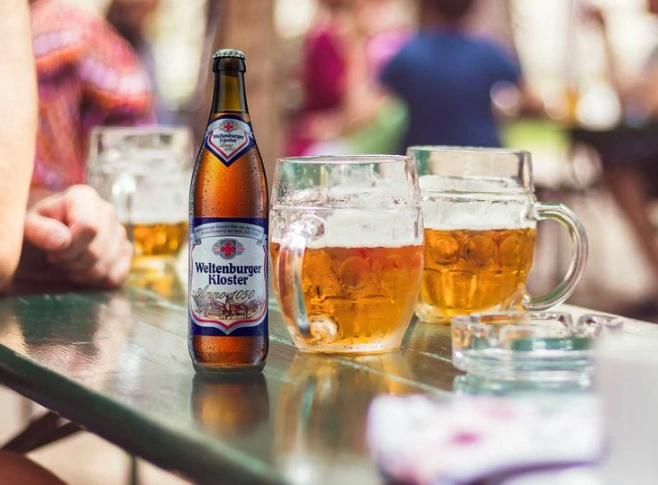
The Heart of the Matter: Core Classic German Beer Styles
This is where we start. Germany doesn't have one national beer. Instead, it has a map of flavors, each tied to a city or region. When someone wonders "what is a classic German beer?", they're usually pointing at one of these pillars.
The Crisp Crusader: German Pilsner (Pils)
Ah, the Pilsner. This is probably what pops into many people's minds. It's pale, it's clear, it's got a beautiful white head, and it finishes with a pronounced, refreshing bitterness from German hops like Hallertau or Tettnang. It's the ultimate session beer—light enough to drink a few, but packed with flavor. It's the answer to "what is a classic German beer?" for anyone who loves a clean, sharp, thirst-quenching lager.
I have a soft spot for a good Pils, but let's be honest, a bad one is just sad. Watery, skunky, or with a cardboard aftertaste. A classic German Pilsner should be vibrant, with a floral or spicy hop aroma and a dry finish that makes you reach for the next sip immediately.
The Cloudy Classic: Hefeweizen (Weißbier)
Now for something completely different. If Pilsner is a sharp suit, Hefeweizen is a comfortable, breezy summer shirt. It's a top-fermented wheat beer, unfiltered, so it pours a hazy golden color with a massive, pillowy white head. The yeast is the star here, giving it flavors and aromas of banana, clove, and sometimes bubblegum or vanilla.
It's a love-it-or-hate-it thing. Some people can't get past the banana note. Me? On a hot day, there's almost nothing better. The carbonation is high, the body is creamy from the wheat, and it's just ridiculously refreshing. It's a Bavarian staple, served in tall, vase-like glasses. When you see that cloudy pour, you're looking at a true classic German beer.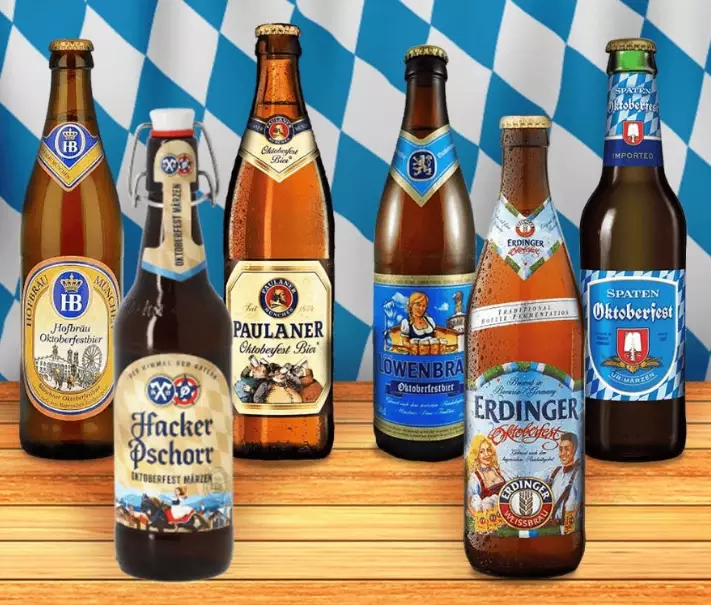
The Local Legend: Kölsch
This one comes with rules. Real Kölsch can only be brewed in Cologne (Köln). It's a hybrid—brewed like an ale with top-fermenting yeast but then conditioned at cold temperatures like a lager. The result is a pale, clear, straw-yellow beer that's incredibly smooth and subtly fruity, with a delicate hop bitterness.
Drinking Kölsch in Cologne is an experience. It's served in skinny 0.2-liter glasses called "Stangen" by waiters called "Köbes" who carry circular trays. They keep bringing them until you put your coaster on top of your glass. It's light, maybe too light for some looking for a big punch of flavor, but its elegance and history are undeniable. It's a perfect example of a hyper-local answer to "what is a classic German beer?".
The Dark Horse: Altbier
From Cologne's rival Düsseldorf comes the "old beer." Altbier is another top-fermented ale, but it's darker, ranging from copper to deep brown. It tastes malty, toasty, and nutty, with a clean, balancing hop bitterness that sneaks up on you. It's more robust than a Kölsch, with a richer body.
In Düsseldorf's old-town breweries, it's served in smaller glasses and the atmosphere is more rustic. It's a thinker's beer. It doesn't have the flashy yeast profile of a Hefeweizen or the immediate crispness of a Pils. It's complex and satisfying. If you want a classic German beer that showcases malt, this is it.
The Big Names: Iconic Brands of Classic German Beer
Styles are one thing, but names help. These breweries have become synonymous with quality and tradition. You'll find these in better beer shops and bars around the world.
| Beer Style | Classic Example | Brewery & Origin | What to Expect |
|---|---|---|---|
| German Pilsner | Bitburger | Bitburger Braugruppe, Bitburg | "Bitte ein Bit!" Crisp, dry, perfectly balanced hop bitterness. The poster child for a refined Pils. |
| Hefeweizen | Paulaner Hefe-Weißbier | Paulaner Brauerei, Munich | A textbook example. Perfect balance of banana and clove, creamy body, wonderfully refreshing. |
| Kölsch | Früh Kölsch | Cölner Hofbräu Früh, Cologne | The classic Kölsch. Light, crisp, slightly sweet malt, and a whisper of hops. Pure drinkability. |
| Altbier | Diebels Alt | Diebels Brauerei, Issum | One of the most widely available. Smooth, malty with notes of caramel and nuts, clean finish. |
| Märzen / Festbier | Hofbräu Oktoberfestbier | Hofbräu München, Munich | The official beer of Munich's Oktoberfest. Golden, malty-sweet, bready, but surprisingly light for its flavor. |
| Dunkel (Dark Lager) | Warsteiner Dunkel | Warsteiner Brauerei, Warstein | Easy-drinking dark lager. Toasty, chocolatey malt without any heaviness or bitterness. |
| Helles (Pale Lager) | Augustiner Helles | Augustiner-Bräu, Munich | Many Munich locals' favorite. Less hoppy than a Pils, more focus on smooth, sweet malt. Sublime. |
Are these the absolute best? That's a debate for a late night in a beer hall. But they are the benchmarks, the widely accepted answers when you're trying to understand what is a classic German beer from each category. Augustiner Helles, in particular, has a cult following for a reason—it's just absurdly good and still brewed in wooden barrels.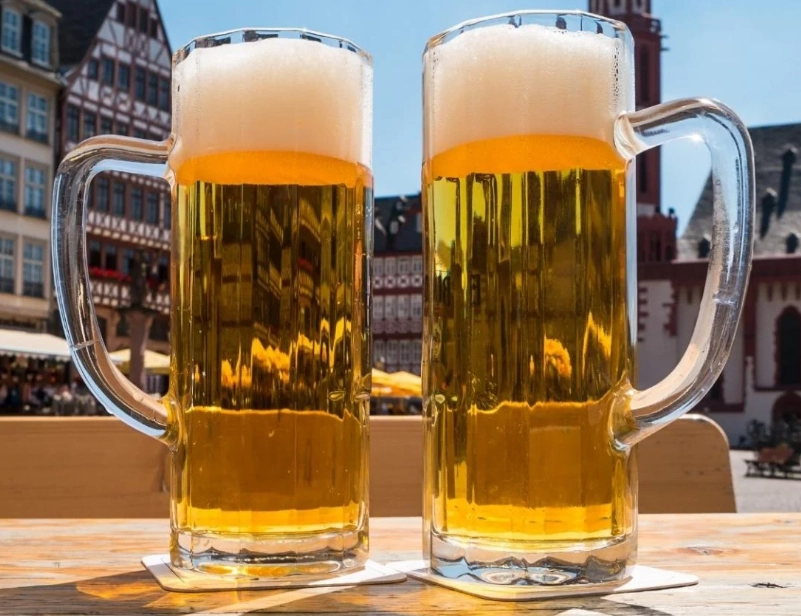
The Rulebook: The Reinheitsgebot (Beer Purity Law)
You can't talk about this topic without hitting the big law. The Reinheitsgebot, decreed in 1516 in Bavaria, originally stated beer could only be made from three ingredients: water, barley, and hops. Yeast wasn't understood yet, but it was added later.
This law is a huge part of the identity. It's a mark of quality and tradition. But is it a straitjacket? Some modern craft brewers think so. It limits experimentation with ingredients like fruit, spices, or different sugars that brewers in other countries use freely.
My take? It forced German brewers to become masters of their craft within strict boundaries. The incredible diversity of flavors in German beer comes from mastering malt, hops, yeast, and water, not from adding blueberries or chocolate. That said, the law today has exceptions (like wheat beer, which uses wheat malt), and it only strictly applies to beers brewed for consumption within Germany. It's a fascinating mix of marketing, tradition, and genuine quality control.
How to Drink It: The Culture Around the Beer
This might be the most important part. A classic German beer isn't just a product; it's part of a social ritual. Getting this wrong can make even the best beer feel off.
- The Glassware Matters. Seriously. A Hefeweizen in a thick pint glass is a crime. It needs its tall, curved glass to show off the haze and support the huge head. A Pilsner belongs in a tall, slender Pilsner glass. The shape concentrates the hop aroma. Kölsch in its Stange, Altbier in its smaller, cylindrical glass. They're not just for show—they're designed for the beer.
- Pouring is a Skill. For a Hefeweizen, you rinse the glass, pour most of the beer aggressively to create foam, then gently swirl the bottle to get the yeast sediment and pour the rest on top. For a Pilsner, you want a clean, angled pour to build a firm, finger-thick head. A sad, flat pour makes me sad.
- Temperature. Not ice-cold! Most classic German beers are best between 6-8°C (43-46°F). Too cold and you kill all the flavor and aroma. A slightly cool cellar temperature is ideal. Let it warm up in your hand for a minute.
- The Setting. A classic German beer tastes different in a noisy, wooden-paneled beer hall (like the Hofbräuhaus), a sunny beer garden under chestnut trees, or a cozy, old-fashioned brewery pub (a "Brauhaus"). The atmosphere is part of the seasoning.
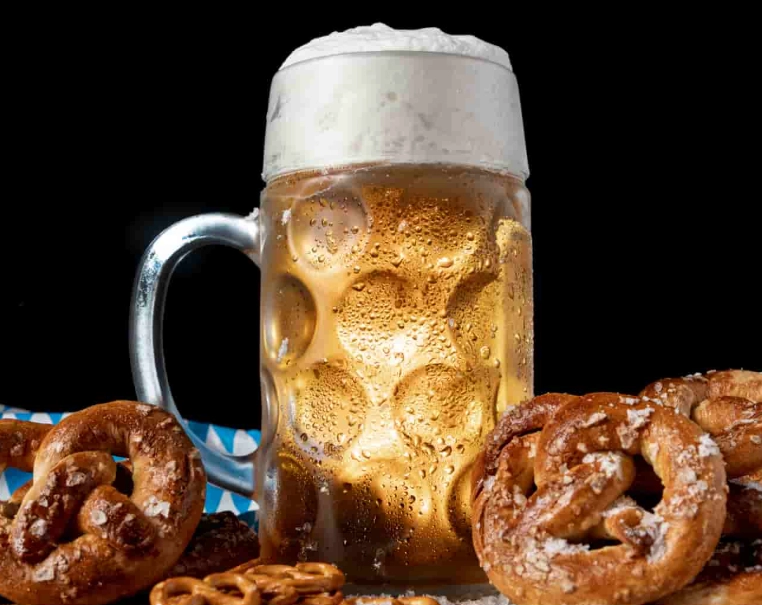
I learned the hard way that chugging a fine Helles is frowned upon. It's meant to be savored, a companion to conversation and a giant pretzel.
Beyond the Classics: Other Styles You Should Know
While Pilsner, Hefeweizen, Kölsch, and Altbier are the headliners, the supporting cast is incredible.
Bock Beers: The Strong Sippers
These are stronger lagers, originally from Einbeck. They're malty, rich, and can have notes of toast, caramel, or dark fruit. There's Maibock (pale, hoppy) in spring, and Doppelbock (strong, very malty, like liquid bread) in winter. Celebrator Doppelbock is a legend—almost chewy, with a fantastic depth of flavor.
Rauchbier: The Smoky Mystery
From Bamberg. The malt is dried over beechwood fires, giving the beer an intense smoky, almost bacon-like flavor. It's divisive. Aecht Schlenkerla Rauchbier is the most famous. I think it's fantastic with grilled food, but I wouldn't want six in a row. It's an acquired taste, but a deeply traditional one.
Berliner Weisse: The Tart Refresher
A pale, sour, low-alcohol wheat beer from Berlin. Traditionally served with a shot of woodruff (green) or raspberry (red) syrup to cut the sourness. On a blistering summer day, it's the most refreshing thing imaginable. Without syrup, it's bracingly tart—not for everyone.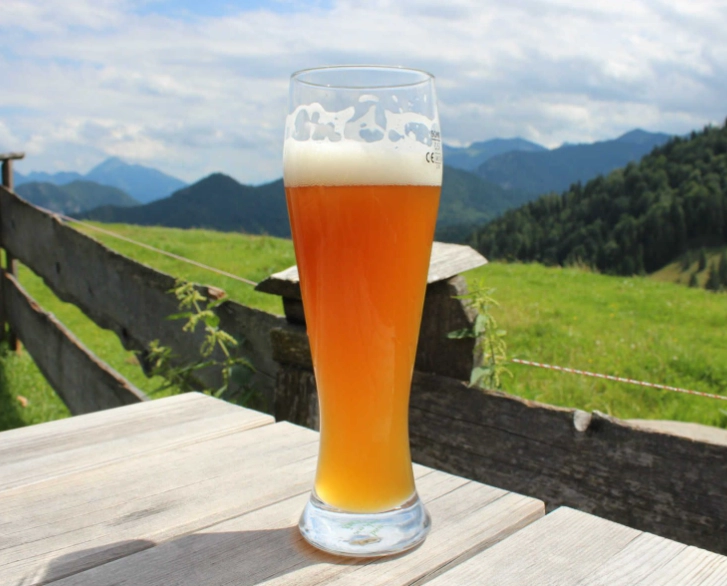
Final Thoughts: The Spirit in the Stein
So, what is a classic German beer? It's more than a checklist. It's a Pilsner that cracks with crispness at the end of a long day. It's the cloudy, banana-and-clove wonder of a Hefeweizen on a patio. It's the subtle, sessionable elegance of a Kölsch in a crowded pub, or the malty depth of an Altbier in a dimly lit tavern.
It's defined by region, by the Reinheitsgebot, by centuries of tweaking and perfecting a few core ingredients. But most of all, it's defined by how it's meant to be enjoyed—with care, with the right glass, at the right temperature, and very often, with other people. It's a drink of community and craftsmanship.
The best way to understand is to taste them side-by-side. Grab a few bottles from a good shop—a Pils, a Hefe, maybe a Helles and an Alt. Pour them properly. Smell them. Taste them. Think about what you like. That journey of discovery, that's where you really find your answer to what a classic German beer is. For you. Because in the end, the classic is the one that keeps you coming back for more.
Cheers, or as they say, Prost!