Quick Guide to German Food
- The Absolute Must-Try Classics (The Non-Negotiables)
- Beyond the Meat: The Supporting Cast That Shines
- A Regional Tour: Germany Is Not a Monoculture
- Navigating a German Menu & Dining Culture
- German Food to Try: A Quick-Reference Table
- Sweets & Treats (Yes, Germany Does Dessert)
- Beverages: More Than Just Beer
- Common Questions (& My Honest Answers)
- Final Thoughts: Your German Food Adventure Awaits
Let's be honest, when most people think of German food, it's a quick jump to bratwurst, pretzels, and maybe sauerkraut. And sure, you absolutely should try those. But if that's all you picture, you're missing out on a huge, hearty, and surprisingly diverse culinary world. I remember my first trip to Berlin, thinking I had it all figured out. I was so wrong. The reality of German food is a beautiful mix of rustic comfort, regional pride, and flavors that stick with you long after the meal is over.
This guide is here to cut through the clichés. We're going deep on the essential German food to try, from the can't-miss classics to the regional gems you might not know about. Whether you're planning a trip, hitting up a local German restaurant, or just curious, consider this your roadmap.
Why listen to me? I've spent a good chunk of time eating my way through Germany—from the beer halls of Bavaria to the wine taverns of the Rhine. I've had spectacular meals and a few... interesting ones. This is the insider-yet-relatable advice I wish I'd had.
The Absolute Must-Try Classics (The Non-Negotiables)
These are the dishes that define German cuisine. You'll find variations, but these are the pillars. If you're making a list of German food to try, start here.
Schnitzel: It's Not Just Fried Meat
Okay, it kind of is. But it's an art form. The classic is Wiener Schnitzel, which, by law in Germany and Austria, must be made from veal. It's pounded whisper-thin, breaded, and fried to a perfect golden crisp. The result should be juicy inside with a coating that shatters. You'll also find Schweineschnitzel (pork) everywhere, which is often just as good and easier on the wallet. The cardinal rule? A proper schnitzel is never served with gravy on top. That would make it soggy! It comes with a lemon wedge to squeeze over it. Side of potato salad or fries? Your call.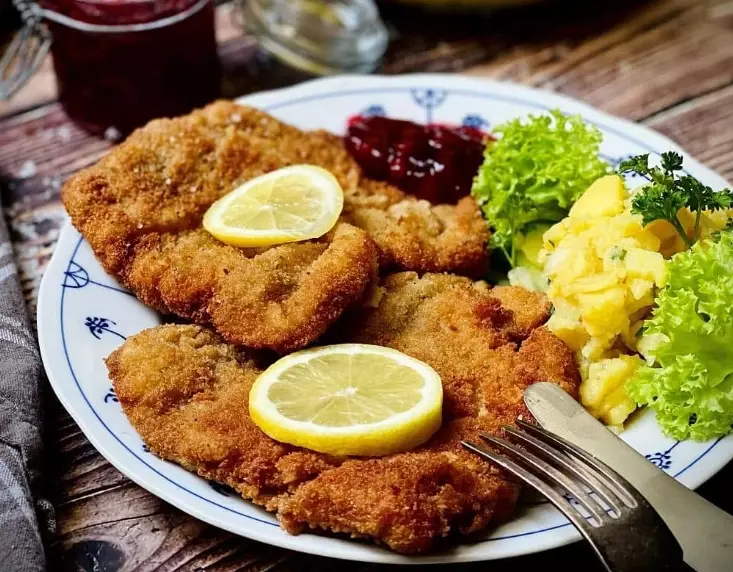
My personal take? A good schnitzel is a thing of beauty. A bad one is a leathery, greasy disappointment. Look for places where it's a specialty.
The Wonderful World of Wurst (Sausages)
This is where Germany flexes its muscles. There are over 1,500 types of sausage. You can't try them all, but you should aim for a few key players.
- Bratwurst: The famous one. Grilled, usually made from pork, veal, or beef. In Nuremberg, they're tiny (Nürnberger Rostbratwurst) and served as a set of six or twelve with sauerkraut or potato salad. In Thuringia, they're longer and often eaten in a roll with mustard.
- Currywurst: A Berlin icon. It's a steamed then fried pork sausage, sliced up, and drenched in a spiced ketchup-curry sauce, then dusted with more curry powder. Served with fries or a bread roll. It's street food perfection, especially after a long day.
- Weisswurst: A Bavarian breakfast sausage. It's white (veal and parsley), poached not fried, and has a very mild, delicate flavor. Here's the ritual: you're supposed to eat it before noon. You suck the meat out of the skin (or peel it). It comes with sweet mustard, a pretzel, and a wheat beer. It's an experience.
Pro Tip: When ordering sausage, the mustard choice matters. Süßer Senf (sweet mustard) in the south, Mittelscharf (medium-hot) is the all-rounder, and Estragon Senf (tarragon mustard) is great with white sausages.
Sauerbraten: The National Pot Roast
Think of this as Germany's answer to a Sunday roast, but with a twist. A tough cut of beef (or sometimes pork, venison, or horse) is marinated for days in a mixture of vinegar, wine, water, and spices. This long soak tenderizes the meat and gives it a unique, tangy-sweet flavor. It's then slow-cooked for hours. The result is fall-apart tender meat in a rich, dark, slightly sour gravy. It's almost always served with Knödel (dumplings) and red cabbage. It's the definition of comfort food and a top-tier German food to try for a hearty dinner.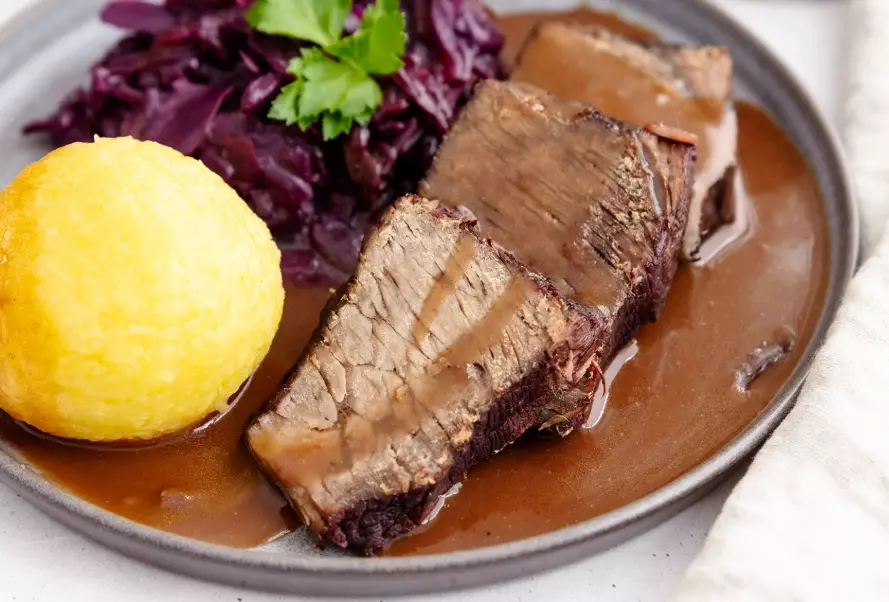
I once had a version in the Rhineland that used raisins and gingerbread in the gravy. It was incredible. Don't skip this one.
Beyond the Meat: The Supporting Cast That Shines
German cuisine isn't a one-trick pony. The side dishes and staples are stars in their own right.
Spätzle: The Cheesy, Carb-Loaded Dream
These are soft egg noodles, a staple in the south (Baden-Württemberg and Bavaria). They have a delightful, slightly chewy texture. The most famous preparation is Käsespätzle—think German mac and cheese. The Spätzle are layered with grated Emmentaler or similar cheese and fried onions, then baked until bubbly. It's simple, cheesy, and utterly addictive. It's often a main dish but can be a side to meat.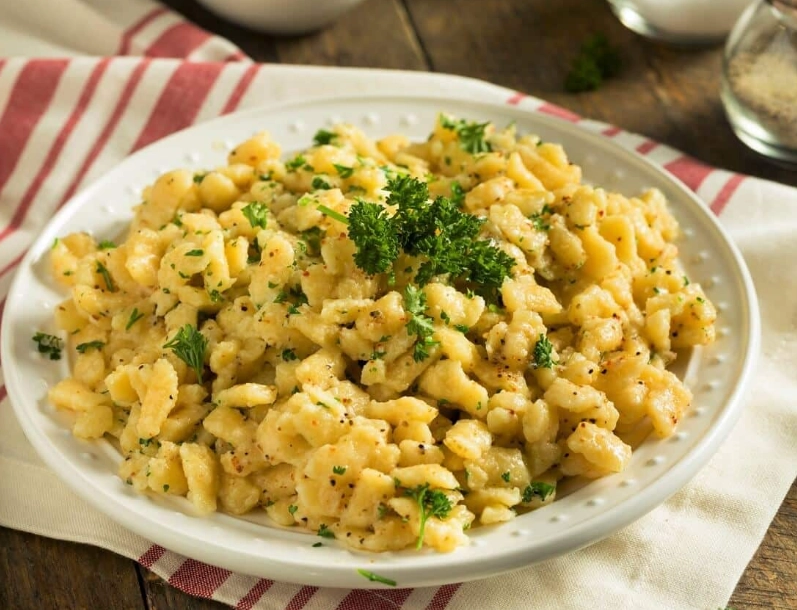
Knödel / Klöße: The Dumpling Universe
These are the ultimate gravy sponges and a staple side. They come in many forms, but the two main families are:
- Semmelknödel: Made from old bread rolls, milk, eggs, and parsley. Light, fluffy, and perfect with roasts and stews.
- Kartoffelknödel: Made from potatoes. They can be softer and denser. In Thuringia, they make a fantastic version that's often served with Rouladen (beef rolls).
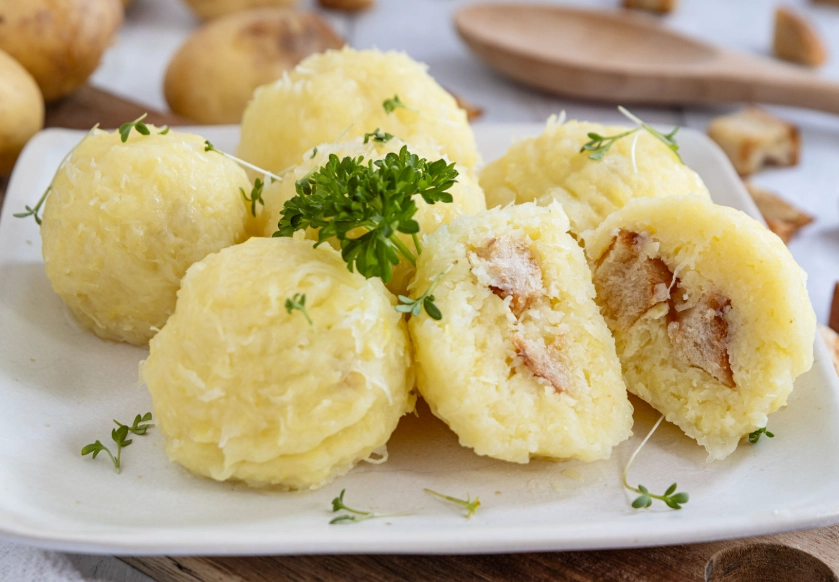
You'll also find sweet versions like Zwetschgenknödel (plum-filled dumplings) rolled in buttered breadcrumbs and sugar. A must-try dessert.
Sauerkraut & Rotkohl: Not Your Average Cabbage
Let's clear this up. Sauerkraut is finely shredded cabbage fermented by lactic acid bacteria. The good stuff is tangy, crunchy, and a fantastic probiotic. It cuts through the fat of heavy meats. The stuff from a can is... not great. Seek out the fresh version.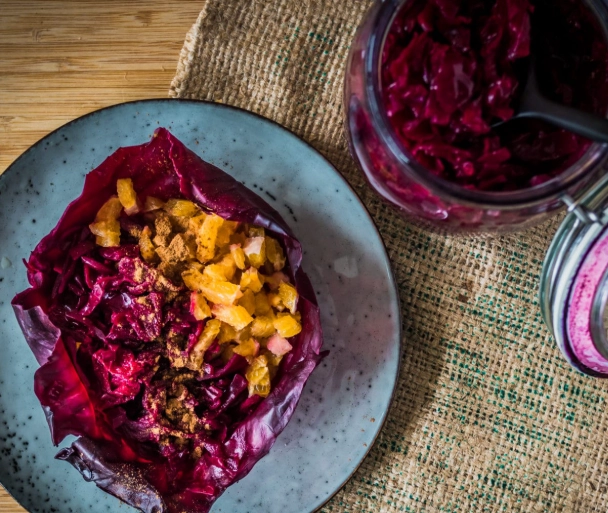
Rotkohl or Blaukraut (red cabbage) is a different beast. It's slow-cooked with apples, onions, vinegar, and spices (sometimes red wine). It's sweet, sour, tender, and has a beautiful purple-red color. It's my personal favorite and a much more approachable German food to try for cabbage skeptics.
A Regional Tour: Germany Is Not a Monoculture
This is crucial. Germany was a patchwork of states for centuries, and the food reflects that. What you eat in the north is worlds apart from the south.
Northern Germany (Hamburg, Bremen, Coast)
Here, the food is influenced by the sea and the flat, fertile plains.
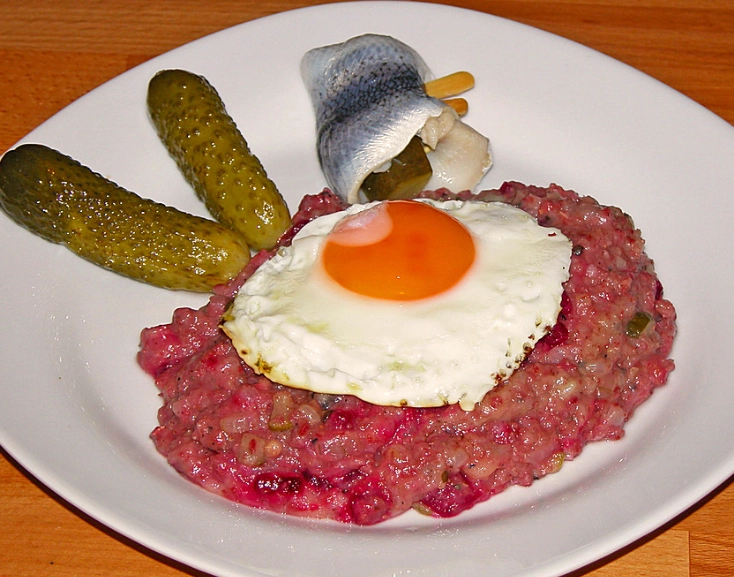
- Labskaus: This is the ultimate love-it-or-hate-it dish. It's a sailor's hash made from corned beef, potatoes, beetroot, and pickles, all mashed together into a pinkish mush. Topped with a fried egg, rollmops (pickled herring), and gherkins. It looks... challenging. But the flavor is surprisingly balanced—salty, tangy, hearty. You have to be brave, but it's a unique German food to try.
- Fischbrötchen: The northern answer to currywurst. It's a simple fish sandwich, usually with pickled herring (Matjes), smoked mackerel, or fried fish fillets, with raw onions and a remoulade sauce in a crusty roll. Eaten by the harbor, it's pure bliss.
- Grünkohl mit Pinkel: A winter classic—kale stewed for hours with a special smoked sausage (Pinkel) and fatty bacon. It's deeply savory and a real communal dish.
Southern Germany (Bavaria & Baden-Württemberg)
This is the Germany of postcards—and of incredibly rich, satisfying food.
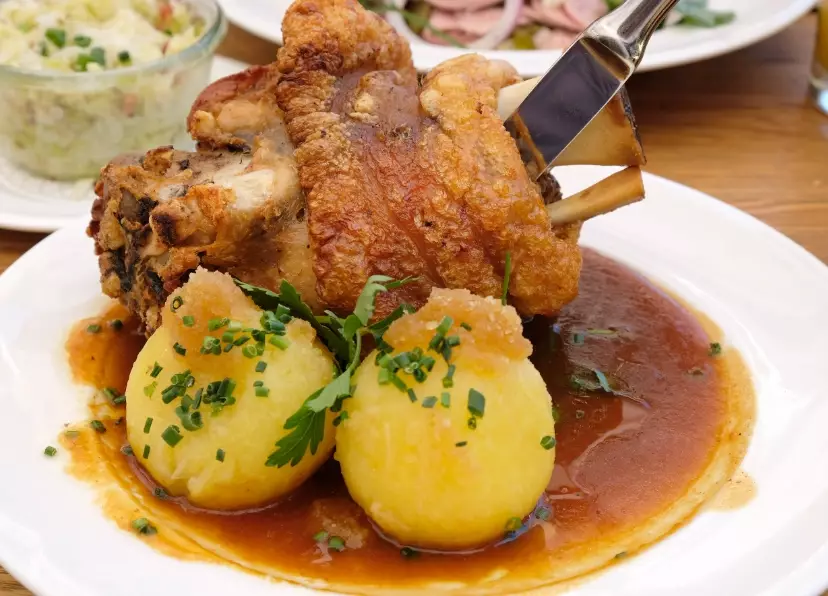
- Schweinshaxe: The legendary roasted pork knuckle. The skin is crackling-crisp, the meat underneath is fall-off-the-bone tender and juicy. It's massive, it's celebratory, and it's often served with potato dumplings and sauerkraut. One to share, unless you're very, very hungry.
- Obatzda: A Bavarian beer garden cheese spread. It's made from ripe Camembert, butter, paprika, and beer, mashed together and served with pretzels and radishes. Creamy, tangy, and the perfect beer companion.
- Maultaschen: From Swabia, these are large pasta pockets (like giant ravioli) filled with meat, spinach, and herbs. They can be served in broth (in der Brühe), sliced and fried with eggs (geröstet), or baked with cheese. A fantastic, lesser-known German food to try.
Navigating a German Menu & Dining Culture
Knowing what to order is half the battle. The other half is knowing how things work.
Meal Times: Frühstück (breakfast) is often bread, cold cuts, and cheese. Mittagessen (lunch) is traditionally the main hot meal. Abendessen (dinner) is often lighter, like bread and cold cuts again (Abendbrot). Though in restaurants, dinner is a full meal.
Portions: They are generally large and hearty. Don't be shy about sharing a main dish or ordering a starter as a main if you're not super hungry.
Water: If you ask for water (Wasser), you'll likely get carbonated mineral water (mit Kohlensäure). If you want still water, ask for stilles Wasser. Tap water (Leitungswasser) is safe to drink but is not commonly ordered in restaurants and may be met with confusion or a refusal.
Tipping: Service is usually included. It's customary to round up the bill or leave 5-10% in cash. You tell the server the total amount you want to pay when they come to collect. For a €19.50 bill, you'd say "Machen Sie 22" (Make it 22).
German Food to Try: A Quick-Reference Table
| Dish Name | Region | Key Description | Best Paired With |
|---|---|---|---|
| Schnitzel (Wiener) | All, but classic in Austria/S. Germany | Thin, breaded, fried veal cutlet. | Lemon wedge, potato salad, a crisp lager. |
| Currywurst | Berlin (iconic) | Sliced pork sausage in curry-ketchup sauce. | Pommes (fries), a cold Pilsner. |
| Sauerbraten | National, esp. Rhineland | Pot roast marinated for days, tender & tangy. | Potato dumplings (Knödel), red cabbage. |
| Käsespätzle | Swabia / Bavaria | Cheesy egg noodle bake, German mac & cheese. | A fresh green salad, a wheat beer. |
| Schweinshaxe | Bavaria | Roasted pork knuckle with crispy crackling. | Bavarian potato dumplings, sauerkraut, dark beer. |
| Labskaus | Northern Coast | Hearty sailor's hash (corned beef, beetroot, potato). | A fried egg, pickled herring, Korn (schnapps). |
| Rote Grütze | Northern Germany | Summer berry compote/pudding. | Vanilla sauce (Vanillesoße) or cream. |
Sweets & Treats (Yes, Germany Does Dessert)
After all that hearty food, you might have room. You should make room.
- Apfelstrudel: The famous apple strudel. Flaky, thin pastry wrapped around spiced apples, raisins, and breadcrumbs. Always served warm, often with vanilla sauce (Vanillesoße) or a scoop of vanilla ice cream. It's a classic for a reason.
- Schwarzwälder Kirschtorte (Black Forest Gateau): It's not just any chocolate cake. Layers of chocolate sponge, whipped cream, and sour cherries, soaked in Kirschwasser (cherry schnapps). The real deal has a potent kick and is less sweet than its international imitators.
- Rote Grütze: A northern summer specialty. It's a compote or pudding made from red berries (red/black currants, raspberries, strawberries). Served cold with vanilla sauce or cream. It's refreshing and not too heavy.
- Lebkuchen: German gingerbread, especially famous from Nuremberg. It's softer, spicier, and often iced. A staple at Christmas markets, but available year-round.
- Berliner / Pfannkuchen / Krapfen: A jam-filled doughnut. What it's called depends on where you are (Berliner in the west, Pfannkuchen in Berlin, Krapfen in the south). Traditionally eaten on New Year's Eve, but available always. The classic filling is plum jam (Pflaumenmus) or raspberry.
Beverages: More Than Just Beer
Of course, beer is king. The variety is astounding—from crisp Pilsners and cloudy Hefeweizens to malty Bocks and smoky Rauchbiers. The Reinheitsgebot (Beer Purity Law) is a real thing and a point of national pride. But there's more.
Wine: Germany produces world-class white wines, especially Riesling from the Mosel and Rhine regions. Don't assume they're all sweet. There are stunning dry (trocken) Rieslings that are crisp and mineral-driven. Try a glass with a pork dish or on its own.
Apfelschorle: The national soft drink. It's apple juice mixed with sparkling water. Refreshing, not too sweet, and ordered by everyone, kids and adults alike.
Spezi: A beloved mix of cola and orange soda. If you see it on tap, give it a go.
Schnaps / Obstler: A clear fruit brandy, often served as a digestif after a heavy meal. It's strong and meant to be sipped. A plum schnaps (Zwetschgenwasser) or a pear schnaps (Williamsbirne) are great choices.
Common Questions (& My Honest Answers)
A Quick Warning: If you see "Deutsches Essen" or "Bavarian" themed restaurants with waitresses in dimdls outside of Germany, take it with a grain of salt. They often serve a very simplified, sometimes heavy-handed version of the cuisine. The best German food is often in unassuming, locally-frequented places, or better yet, in Germany itself. For authentic regional recipes and context, the German National Tourist Board's culinary page is a fantastic resource.
Final Thoughts: Your German Food Adventure Awaits
Exploring German food is about embracing the hearty, the regional, and the deeply satisfying. It's not fussy or overly complicated. It's food meant to be shared, to fuel you, and to bring people together over a beer or a glass of wine.
Start with the big hitters—the schnitzel, the wurst, the sauerbraten. But then, be curious. Ask what's local. Try the northern fish or the southern dumplings. Have a Weisswurst breakfast. Be brave with the Labskaus. Save room for the Apfelstrudel.
The list of German food to try is long, but that's the joy of it. Every region has its own story on a plate. Go find yours. And maybe do a little walking in between meals. You'll need it.
Guten Appetit!