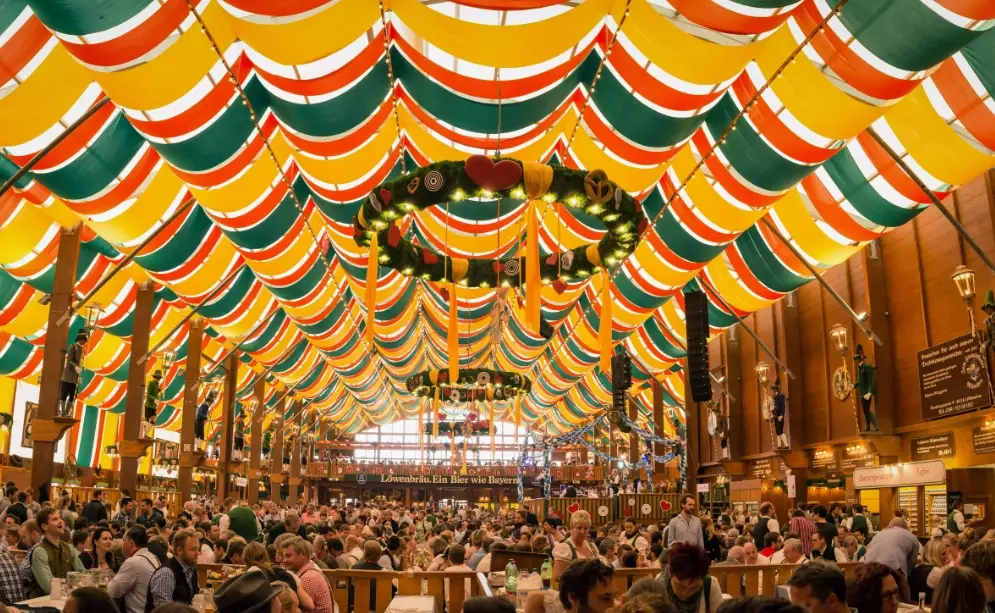
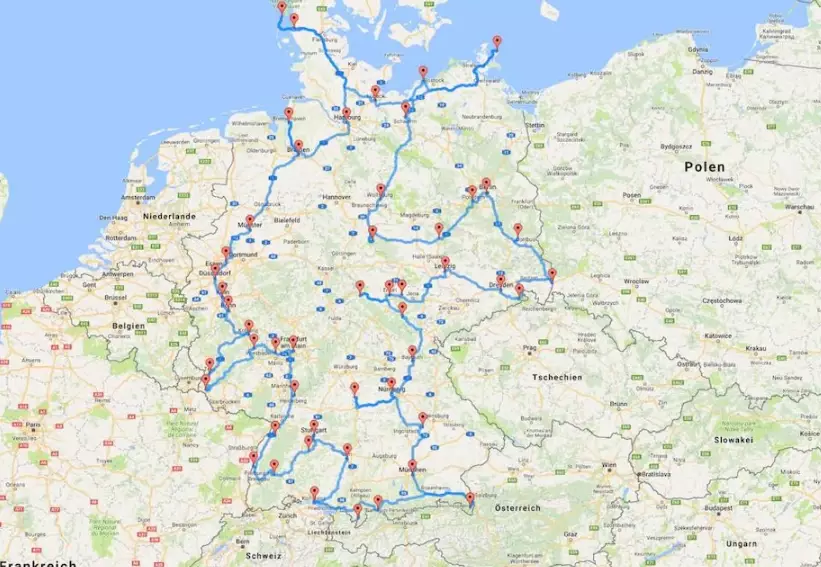
Oktoberfest is in Munich, Germany. Specifically, it’s at the Theresienwiese fairgrounds, a vast open space in the Ludwigsvorstadt-Isarvorstadt district. If you’re picturing a cozy beer hall, think again—this is a massive event covering over 100 acres. I remember my first time: I got off the subway, followed the crowd, and suddenly there it was, a sea of tents and laughter. But let’s break it down so you don’t end up lost like I almost did.
Jump to What Matters
The Exact Spot: Oktoberfest’s Home in Munich
The address is Theresienwiese, 80339 Munich, Bavaria. Locals call it “Wiesn” for short. It’s not some hidden alley; it’s a prominent area southwest of Munich’s city center, bordered by streets like Bavariaring and Landsberger Straße. You can’t miss it once you’re nearby—just look for the giant Ferris wheel and the sound of oompah bands.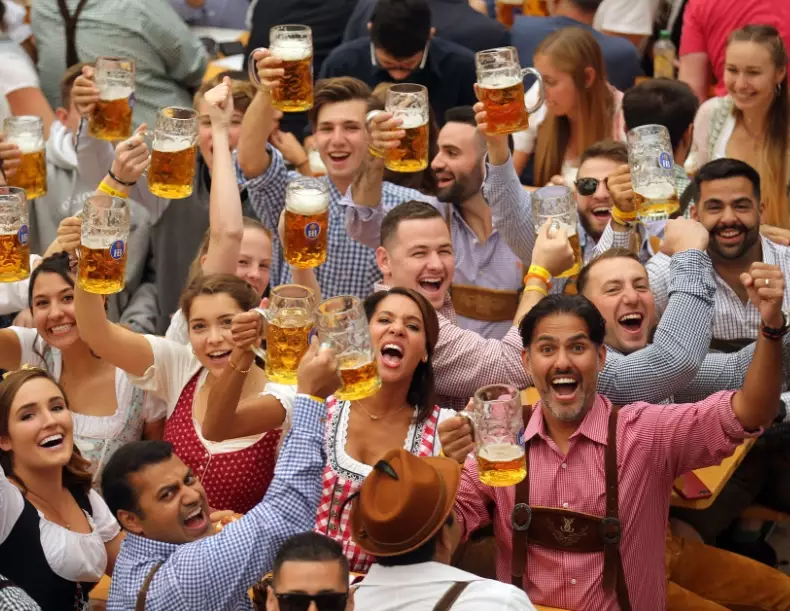
What surprised me is how integrated it is with the city. It’s not a remote field; it’s surrounded by neighborhoods, so you can walk from hotels or catch a quick metro ride. The grounds themselves are flat and grassy, divided into sections for beer tents, amusement rides, and food stalls. Each tent has its own vibe, from the rowdy Hofbräu-Festzelt to the more traditional Augustiner-Festzelt.
Pro tip: Use Google Maps or Apple Maps and search for “Theresienwiese Munich.” It’ll pin the location accurately. If you’re old-school, grab a map from the Munich Tourist Office—they often have free ones with festival layouts.
How to Reach Oktoberfest: Transportation Made Easy
Getting there is straightforward if you plan ahead. Driving is a nightmare—parking costs a fortune, and spaces fill up by 9 AM. Trust me, I made that mistake once and ended up circling for an hour. Public transport is your friend.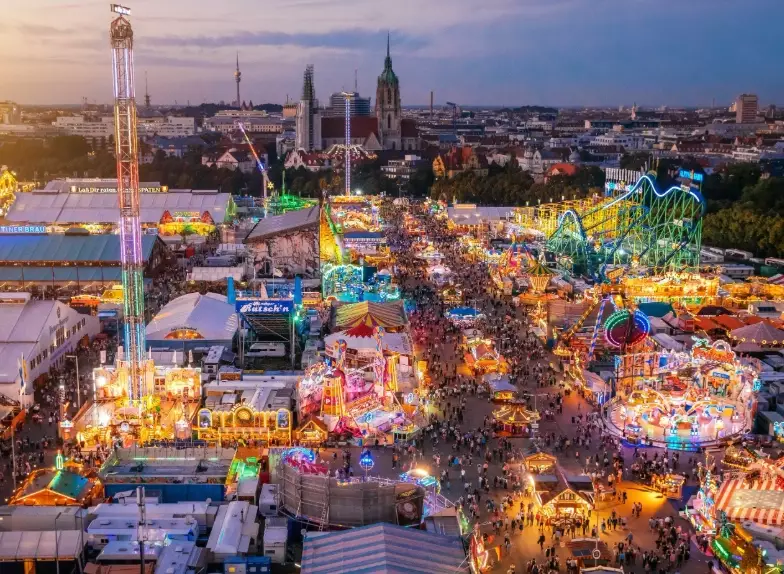
Here’s a quick comparison of options:
| Mode | Route/Stop | Travel Time from Central Munich | Cost (Approx.) | Notes |
|---|---|---|---|---|
| U-Bahn (Subway) | Theresienwiese station (U4/U5) | 5-10 minutes | €3-5 for a single ticket | Most efficient; runs frequently until 1 AM |
| Tram | Stop at Hermann-Lingg-Straße | 15 minutes | €3-5 | Scenic but can be crowded |
| Bus | Lines 134 or 58 to Theresienwiese | 20 minutes | €3-5 | Good for nearby neighborhoods |
| Walking | From Hauptbahnhof (main station) | 15-20 minutes | Free | Pleasant if weather’s nice; follow the crowd |
I usually take the U-Bahn. Buy a day pass if you’re exploring Munich too—it’s cheaper than multiple singles. The Munich Transport Association (MVV) website has up-to-date schedules, but during Oktoberfest, trains run extra services. Don’t rely on taxis; they get stuck in traffic, and surge pricing kicks in.
From Munich Airport
If you’re flying in, take the S-Bahn S1 or S8 from Munich Airport to Hauptbahnhof, then switch to the U-Bahn. It takes about 45 minutes total. A group ticket might save money if you’re with friends.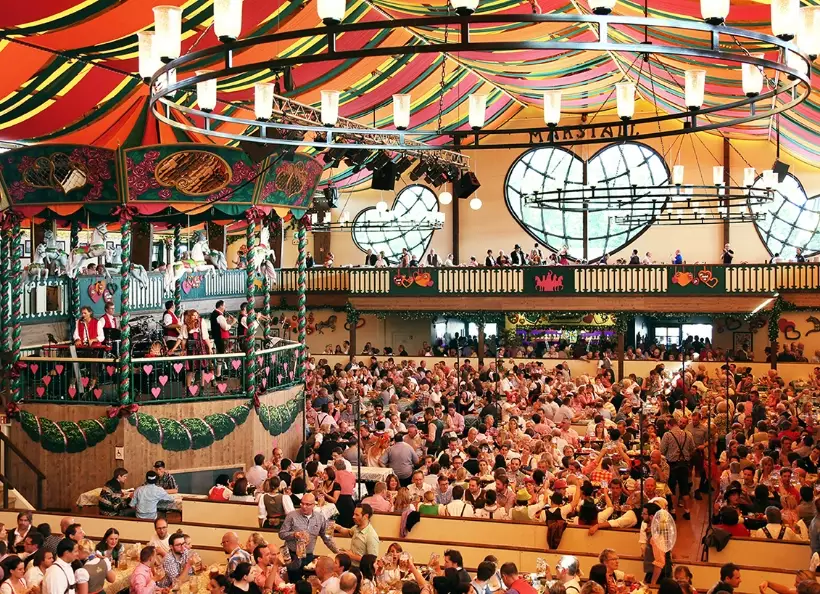
When Does Oktoberfest Happen? Timing Your Visit
Oktoberfest traditionally runs for 16-18 days, from late September to early October. It starts on a Saturday in mid-September and ends on the first Sunday in October. I won’t list specific years to keep this evergreen, but you can check the official Munich City website for current dates—they announce them well in advance.
Hours vary by day:
- Weekdays: Beer tents open around 10 AM and close by 11:30 PM. Some close earlier at 10:30 PM.
- Weekends: Opening at 9 AM, with tents packed by noon. They might stay open until midnight on Fridays and Saturdays.
- Opening Day: A big parade kicks things off, and tents fill up fast. If you want a seat, arrive early—like 8 AM early.
The amusement rides and food stalls often have shorter hours, typically 10 AM to 11 PM. Go on a weekday afternoon if you hate crowds; weekends are chaotic. I once went on a Tuesday and found it surprisingly manageable, though still lively.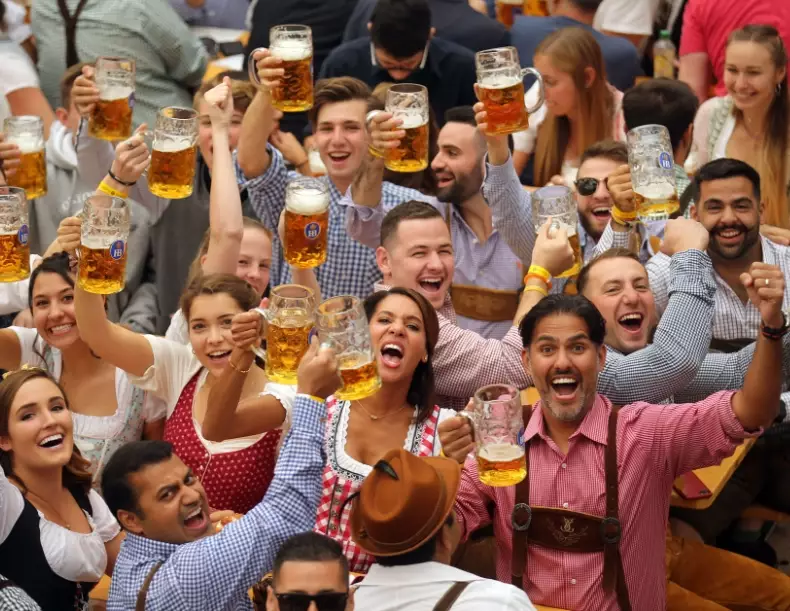
What You Need to Know Before You Go
Entry to the Oktoberfest grounds is free. Yes, free. But that’s where the freebies end. Here’s the catch: if you want to sit in a beer tent, especially the popular ones, you need a reservation. Reservations open months ahead—sometimes as early as December for the next year—and they’re snapped up quickly. They usually require buying vouchers for food and drink, which can cost €50-100 per person.
No reservation? You can try walking in. Smaller tents or outdoor benches might have space, but be prepared to wait. I’ve waited over an hour for a spot in the Schottenhamel tent on a Saturday night. It’s part of the experience, but it can be frustrating if you’re hungry.
Personal take: Some tents feel overly commercialized, with prices inflated for tourists. The Augustiner tent still has a rustic charm, but others prioritize party crowds. If you’re on a budget, stick to the food stalls outside—they serve the same pretzels and sausages for less.
What to wear? Traditional dirndls and lederhosen are fun but not mandatory. I’d recommend comfortable shoes—you’ll be on your feet a lot. And bring cash; many vendors don’t accept cards, and ATMs on-site charge high fees.
Beyond the Location: Experiencing Oktoberfest
Oktoberfest isn’t just about beer. It’s a cultural immersion. The location sets the stage, but the activities make it memorable. Here’s what to do once you’re there:
- Beer Tents: Fourteen large tents, each with its own brewery and atmosphere. The Hacker-Festzelt is known for its lively crowd, while the Weinzelt offers wine and sparkling wine—a nice break from beer.
- Food: Try roast chicken (Hendl), pork knuckle (Schweinshaxe), and giant pretzels. Prices range from €10-20 per dish. I found the chicken at the Ammer tent particularly good, but it’s always busy.
- Rides and Games: The amusement park has roller coasters, Ferris wheels, and classic games. A ride ticket costs €5-10. It’s great for families during the day.
- Parades and Music: The opening parade features horse-drawn beer wagons and traditional costumes. Daily brass band performances in tents add to the vibe.
One thing I learned: pace yourself. It’s easy to get caught up in the fun and overdo it. Start with a light meal, hydrate between beers, and take breaks outside the tents.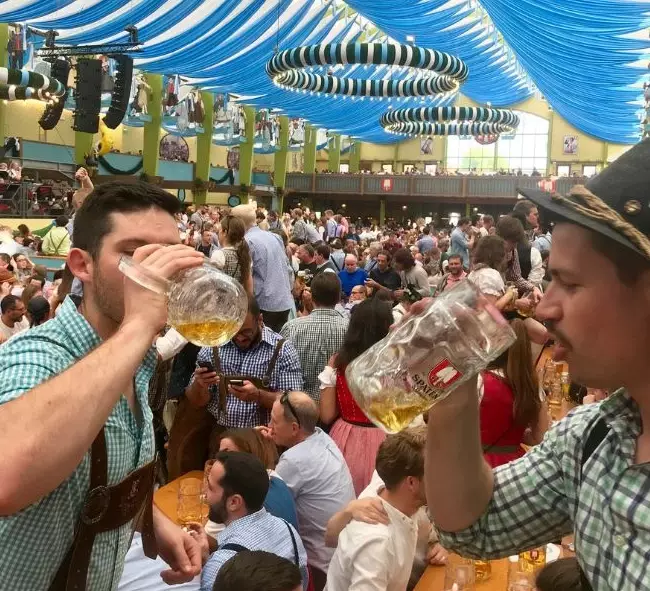
FAQs About Oktoberfest’s Location
So, where is Oktoberfest? It’s in Munich, at the Theresienwiese, but more importantly, it’s in the laughter, the clinking steins, and the shared stories. Plan well, embrace the chaos, and you’ll find it’s more than a location—it’s an experience. For the latest updates, check sources like the Munich Official Tourism Board or German National Tourist Office websites. Now go enjoy the Wiesn!